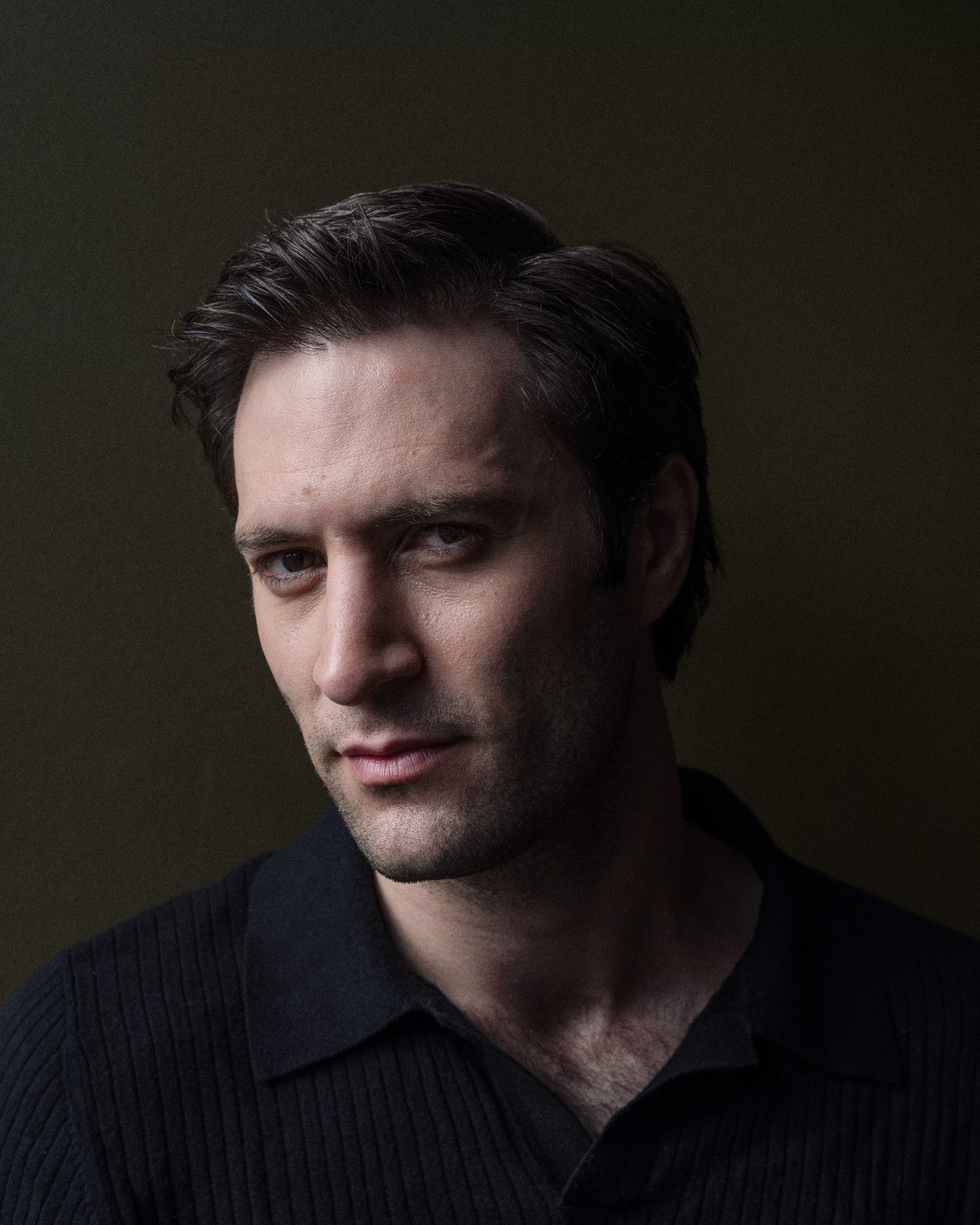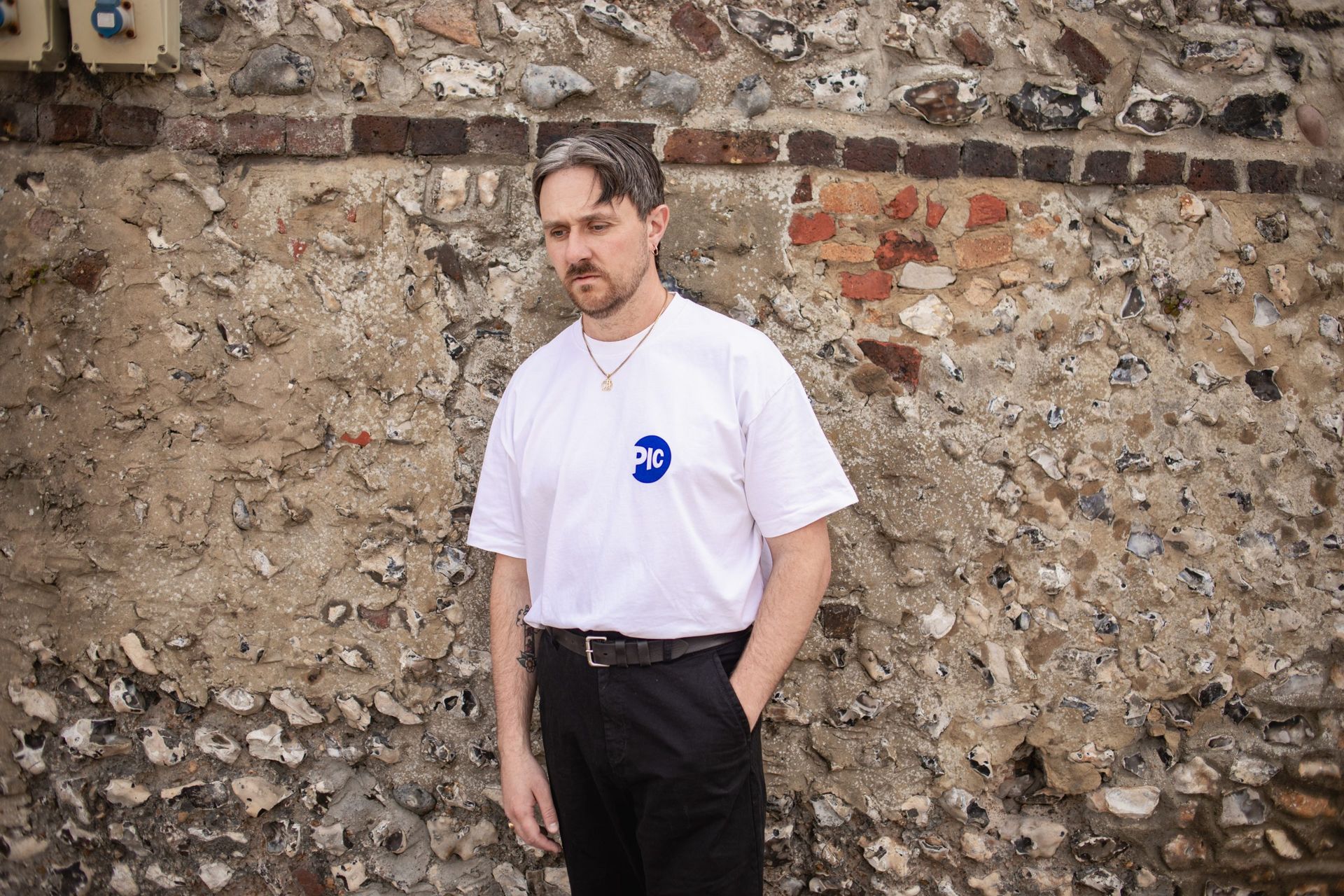
At one point during our conversation, Sam C. Wilson tells me that no matter where you move, how much your life changes, or how successful you become, “wherever you go, you take yourself with you.” It’s a deceptively simple observation, but one that says a lot about the actor himself–especially now, as Wilson stands on the edge of what feels like a genuine breakout moment.
In the months ahead, audiences will see him step into worlds as massive and mythologised as Masters of The Universe and Blade Runner 2099. He’s already shared screens with Idris Elba, worked alongside Helena Bonham Carter and Bill Nighy, and steadily built a résumé through projects like House of the Dragon and House of Guinness. But speaking to him over video call from Brighton, the version of Wilson that emerges is refreshingly unguarded: funny, thoughtful, slightly self-deprecating, and still deeply grounded in the ordinary parts of life–fatherhood, teaching, curiosity, routine.
Before prosthetics, stunt training and blockbuster sets, there was a kid in Cardiff doing impressions of Jim Carrey in his living room, convinced acting belonged to anyone but him. Years later, after drama school, student films, bar work, tutoring physics lessons and endless auditions, Wilson is finally stepping into the spotlight whilst being grateful for not losing himself in the process.
In conversation with 1883 Magazine, Sam C. Wilson reflects on perseverance, fatherhood, curiosity and the long road to becoming one of Britain’s most exciting breakout talents.
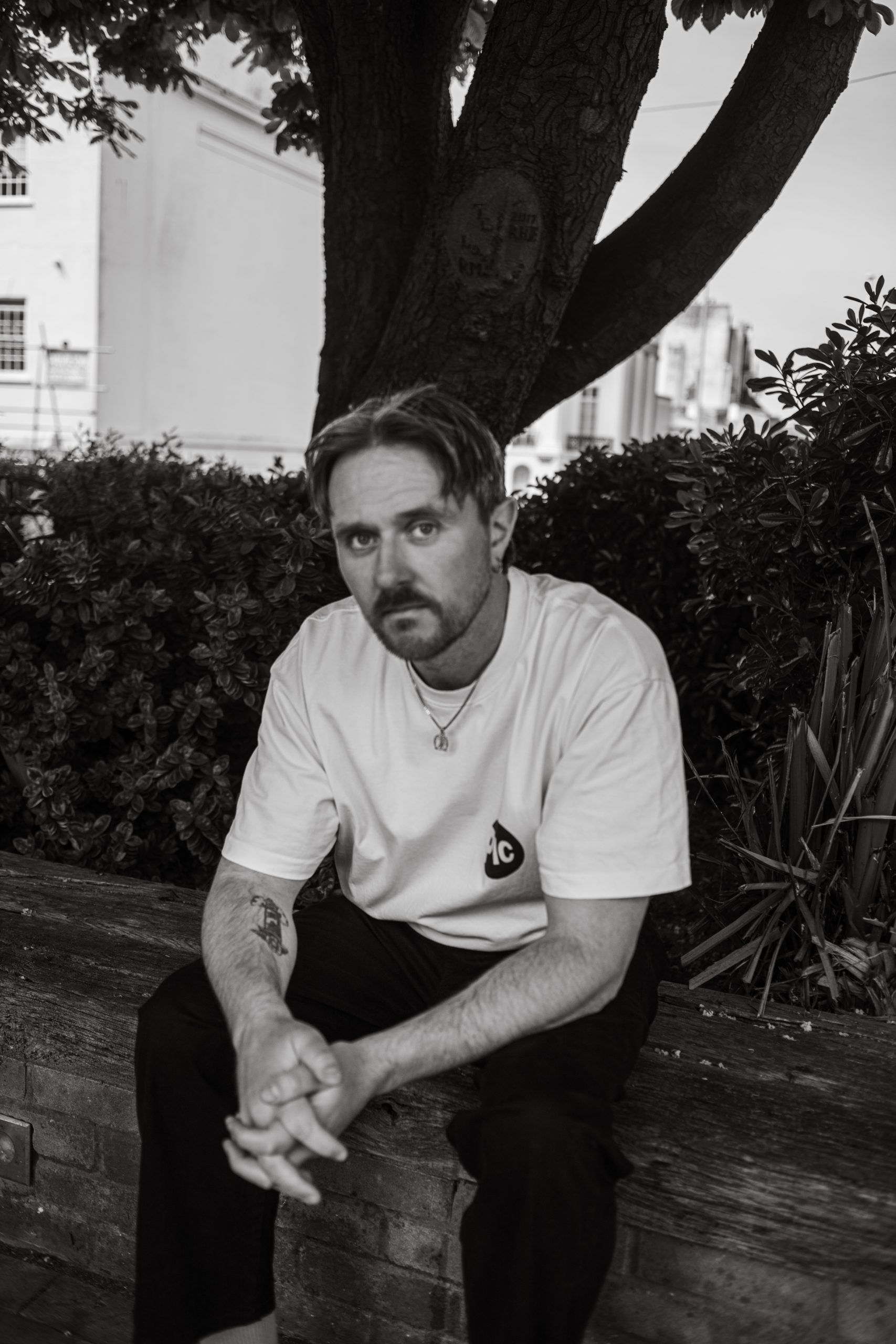
Sam, thanks for speaking with 1883 Magazine. I would like to start before the credits and the blockbuster sets. What kind of kid were you growing up in Cardiff? Were there any early signs that storytelling would eventually find you?
Yeah. I was visiting home recently and found some old school books from when I was five or six. In one of them, I’d written that I wanted to be an actor–specifically like Jim Carrey because I was obsessed with him at the time. Things like Ace Ventura, Liar Liar, him as the Riddler–I loved all of it. I was always doing voices and impressions. I’m the eldest child, so I spent a lot of time entertaining my younger sisters and my parents. My mum would have people over and ask me to “do that voice” or impersonate someone from TV. We’ve got old VHS tapes of me constantly performing in the living room.
But where I grew up, acting didn’t feel realistic. I came from quite an academic family, so the idea was: work hard at science and maths, become a doctor, engineer, scientist, maybe a lawyer if you liked English. Acting felt like something other people did. I genuinely believed there was a different type of person who became an actor and that I wasn’t it. So I let go of the idea for a while, then slowly clawed my way back to it around 18. It still took me until 24 or 25 to properly train at drama school. My parents had all sorts of ideas about actors—they thought you had to go to stage school from childhood and be able to sing, dance ballet, all of that. But once they realised I was serious, they became really supportive.
I also read that you studied journalism before acting. As someone who also comes from that background, do you feel that still shows up in how you observe people?
Definitely. I’ve always been fascinated by perspective and motivation—what makes people believe they’re right. Even when I was young and reading history books, I used to say to my mum, “The bad guys don’t think they’re the bad guys though, do they?” Nobody wakes up believing they’re evil. That curiosity carried into studying journalism and communication. I became really interested in how the same event could be interpreted completely differently depending on who’s telling the story.
I remember doing presentations where I’d literally turn them into plays so people could perform different perspectives of the same situation. That’s basically acting in a nutshell. You’re constantly asking: what motivates this person? Why do they think they’re the good guy? Once you understand what somebody wants, you’re already halfway there. And then there’s also the entertaining side of it. I’d love to pretend it’s all this noble pursuit of truth, but honestly, I also just enjoy making people laugh. There’s definitely a bit of an attention seeker in me too.
Everyone sees “overnight success” moments, but not the years before it. What did those in-between years look like for you—the grafting, auditioning, doubting?
Messy, honestly. When I was 18, I wanted to become an actor, then convinced myself it wouldn’t happen. But I still kept doing bits and pieces—drama societies at university, student films, going to the Edinburgh Fringe, auditioning for short films, trying to get into drama school. I finally got into drama school at 24, and I’m nearly 36 now, so that’s over a decade of work after already spending years trying to get there in the first place.
In between all that, I was doing bar work, removals, office jobs, manual labour; whatever paid. Because I had a background in science and maths, I eventually started tutoring maths and physics A-Level students. I still do it now, actually. Even while acting. Partly because it’s reliable income, but also because it keeps me grounded and I genuinely love it.
For years I was riding a motorbike around London doing tutoring sessions and auditions on the same day. I actually got my motorbike lessons through teaching the instructor’s son maths and English. That whole period feels almost fake now, but it was good years. Hard work, nonstop, but good. I also did loads of scratch nights in the UK—tiny performances where actors perform scenes from random writers just to stay sharp and keep working. Then there’d be the occasional TV role with a few lines, then something bigger, then House of the Dragon. You slowly start seeing the graph shift. But acting never really feels stable. Even now, you can be promoting a huge project while wondering what happens next. You might get the call that changes everything, or things suddenly go quiet for a while. That uncertainty never fully disappears.
Apart from teaching and acting, you also write, produce and make art. Where does that curiosity come from?
My brain’s always moving. Even while we’re talking, I’m doodling. I was diagnosed with ADHD really young, and creativity has always been tied into that for me. The house is full of drawings. At drama school I used to make notes by sketching everybody in the room instead of writing normally, which I think annoyed people a bit. I play instruments too, but I don’t really see creativity as this impressive list of talents. For me, it’s more curiosity than anything else.
I just can’t bear the idea of there being some part of life that people get joy from and not wanting to explore it myself. I don’t necessarily need to monetise all of it either. I just genuinely enjoy drawing, playing guitar for my daughter and writing. Over the last few years I’ve started writing more seriously for TV and film. I wrote a play that did quite well, and I’ve just finished a short pilot called Stealing Werner about two documentary filmmakers who decide to kidnap Werner Herzog.
Switching lanes into the acting side of things, from House of Guinness and House of the Dragon to Under Salt Marsh—what have those roles taught you about yourself as an actor?
I’ve realised that I really enjoy variety. What’s funny is that internally, these characters can feel completely different to me; like different creatures almost, but then I watch them back and think, “Oh, that’s still clearly me in there somewhere.” That taught me something useful beyond acting too: just because something feels enormous internally doesn’t mean it’s objectively true.
That’s actually been quite helpful in daily life, especially with anxiety or self-doubt. Acting also reminds you how easily perception can shift. Colours feel different when you’re playing a mob boss, a murderer, a farmer from Wales, a supervillain. I’ve been lucky enough to play wildly different people, and I think it’s shown me how flexible reality can feel depending on perspective.
To piggyback on that, how much of a character is you, and how much is perception?
I think wherever you go, you take yourself with you. I’ve had moments in life where I thought moving somewhere new would fix everything, then realised I’d brought myself along too. Acting’s similar. Every character is still filtered through your own experience. If you and I both imagine a farmer, we’re probably picturing completely different people based on our own lives. So when I play a farmer, it’s inevitably Sam’s version of that person. You’re always bringing yourself to the table whether you mean to or not. That’s the fascinating thing about art–it’s subjective by nature.
2026 is such a huge year for you with Masters of The Universe, Blade Runner 2099 and California Avenue. Are you someone who actually sits with success, or do you keep moving?
I wish I was better at sitting with it. I know it’s a big year, and I’m incredibly excited for these projects to come out, but I naturally lean toward forward momentum. If there’s a premiere months away, part of me is already thinking about what’s next. I think for me it’ll probably be a lifelong process of learning to stop and say, “What I have right now is enough.” Ambition is what got me here, but you also have to allow yourself to enjoy things sometimes.
What was your honest first reaction when you got the call that you’d landed Masters of the Universe alongside Jared Leto and Idris Elba?
Honestly? Disbelief. Then fear. I became weirdly convinced they might suddenly change their minds and cast somebody else instead. This industry can be full of brutal disappointments, and there’s no consolation prize. You either get the role or you don’t. So it took a while for it to feel real. Then pre-production started almost immediately, stunt training, measurements, discussions about my physicality and training regime–and suddenly it became undeniable that this was actually happening.
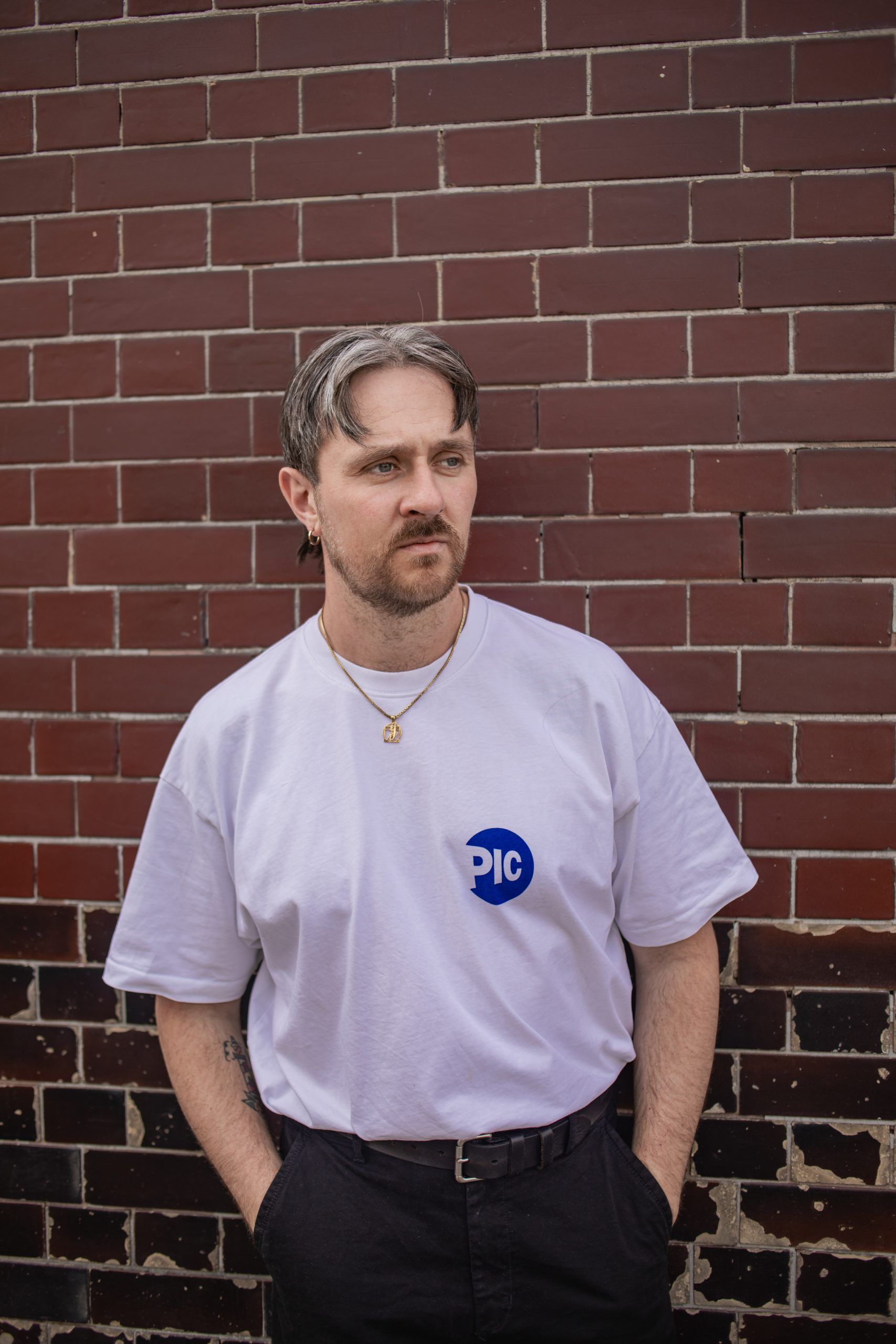
Without spoiling anything, what pulled you toward Trap Jaw in Masters of The Universe, and what did the role demand from you?
What excited me most was the freedom. I was allowed to really shape his voice, physicality and personality. Trap Jaw is huge, theatrical and part-bionic–he literally has a giant bazooka for an arm–so it felt like every theatre-trained actor’s dream. Normally on camera you’re being asked to do less, but with Trap Jaw the note was never “smaller.” It was the opposite.
Physically, though, it demanded a lot. I put on around 20 kilograms through strongman-style training because I wanted him to feel genuinely powerful, like he could pick up a boulder. Not ripped, just massive and heavy. But I also had to stay agile enough for stunt work, so balancing size with movement became a huge part of the process.
Blade Runner is such a loaded universe. Did stepping into it feel exciting, intimidating, or both?
I was waiting for the intimidation, because that felt naturally like what should happen. But I think I was in a really good place at the time, so I was just excited. It was helped by Hunter (Schafer) who was absolutely lovely to work with and I was there at the beginning of production so everyone was in ‘first day at school mode’. I was able to absorb the excitement. Sometimes if you come in half way through, everyone knows each other already, but this wasn’t like that. Me and my dad bonded over Blade Runner growing up.
With bigger projects comes more visibility and noise. As that grows, what parts of yourself are non-negotiable to protect?
My family life. Becoming a dad and being useful to my family are incredibly important parts of my life, so that’s something I’ll bend over backwards to make sure doesn’t change too much if I can help it.
You’re Welsh-born and now based in Brighton–does home still shape how you move in this industry?
It used to. But I’m so close to London that it essentially feels like I’m based there, when it matters. I get the calm of the sea and my parents still live in wales so if I’m honest, I feel like I’ve inadvertently landed on my feet. I finally solved the geographical puzzle for myself it would seem. A happy accident of meeting a midwife from Brighton and deciding to start a family here!
Finally, if this really is the year people properly meet Sam beyond the characters–what do you hope they actually see?
I hope they see a man who is earnestly trying everyday to do the next right thing. Someone who is really trying to be the best and most useful version of himself, and not a self involved twat – this job can lend itself to the latter and if I ever succumb to that particular curse Stanley, please come and shake me until I see sense!
Masters of The Universe releases in UK cinemas on June 5th.
Interview Stanley Kilonzo
Photography Skye Kilgannon