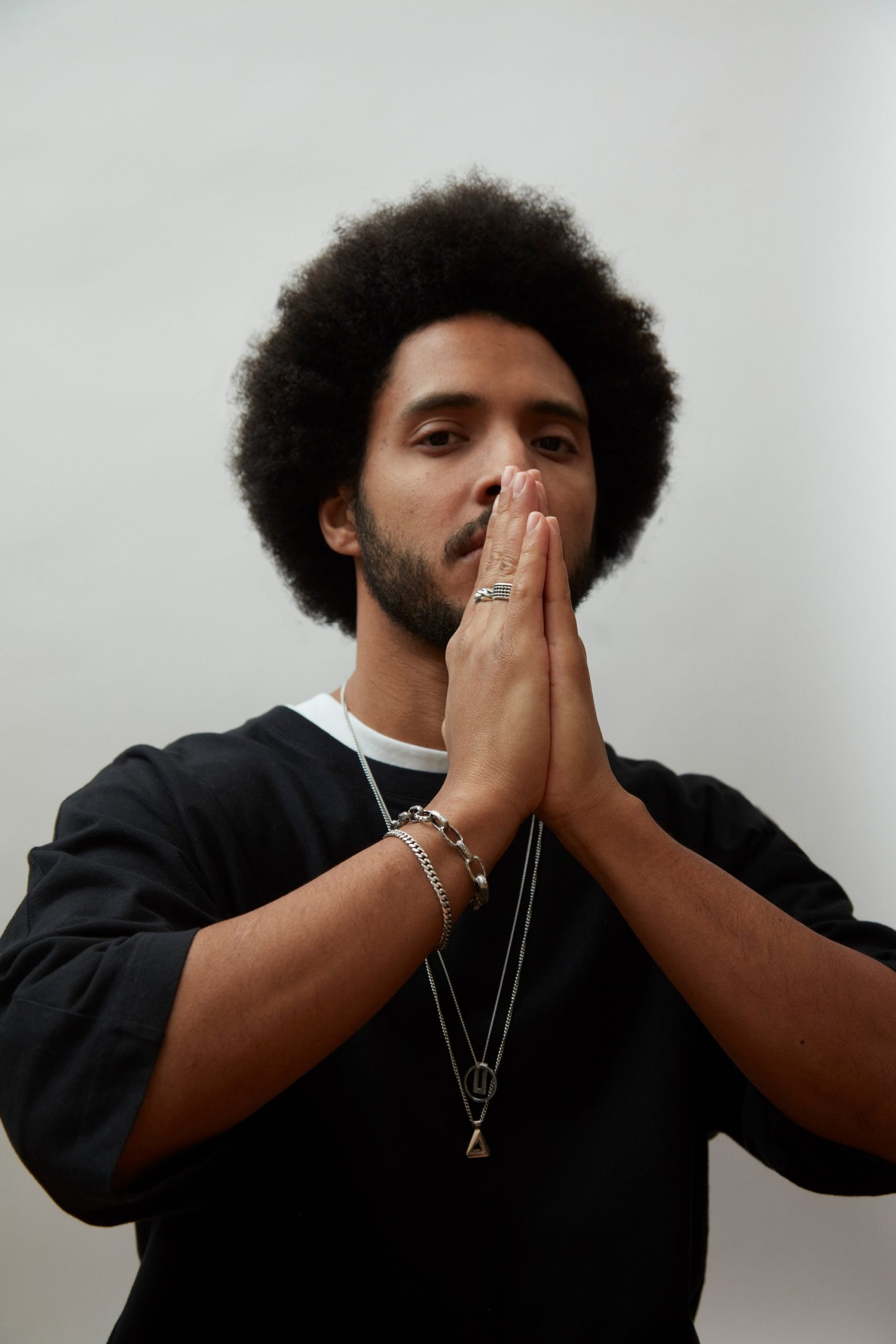
Questions with introduces 1883 readers to the brightest young artists, actors, creatives and beyond. From childhood memories and guilty pleasures to their latest ventures and upcoming projects, our goal is to bring you closer to the people who inspire and entertain us.
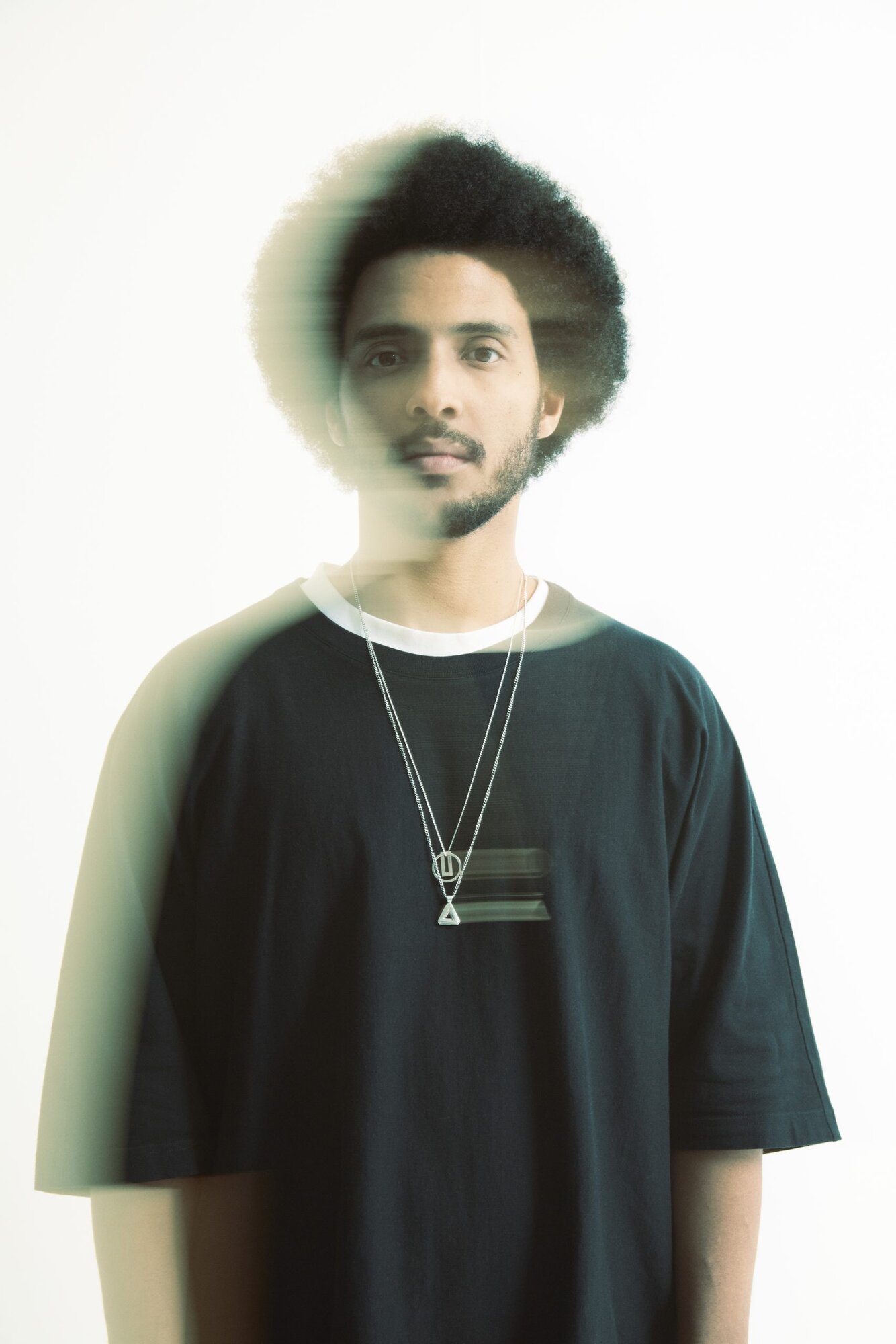
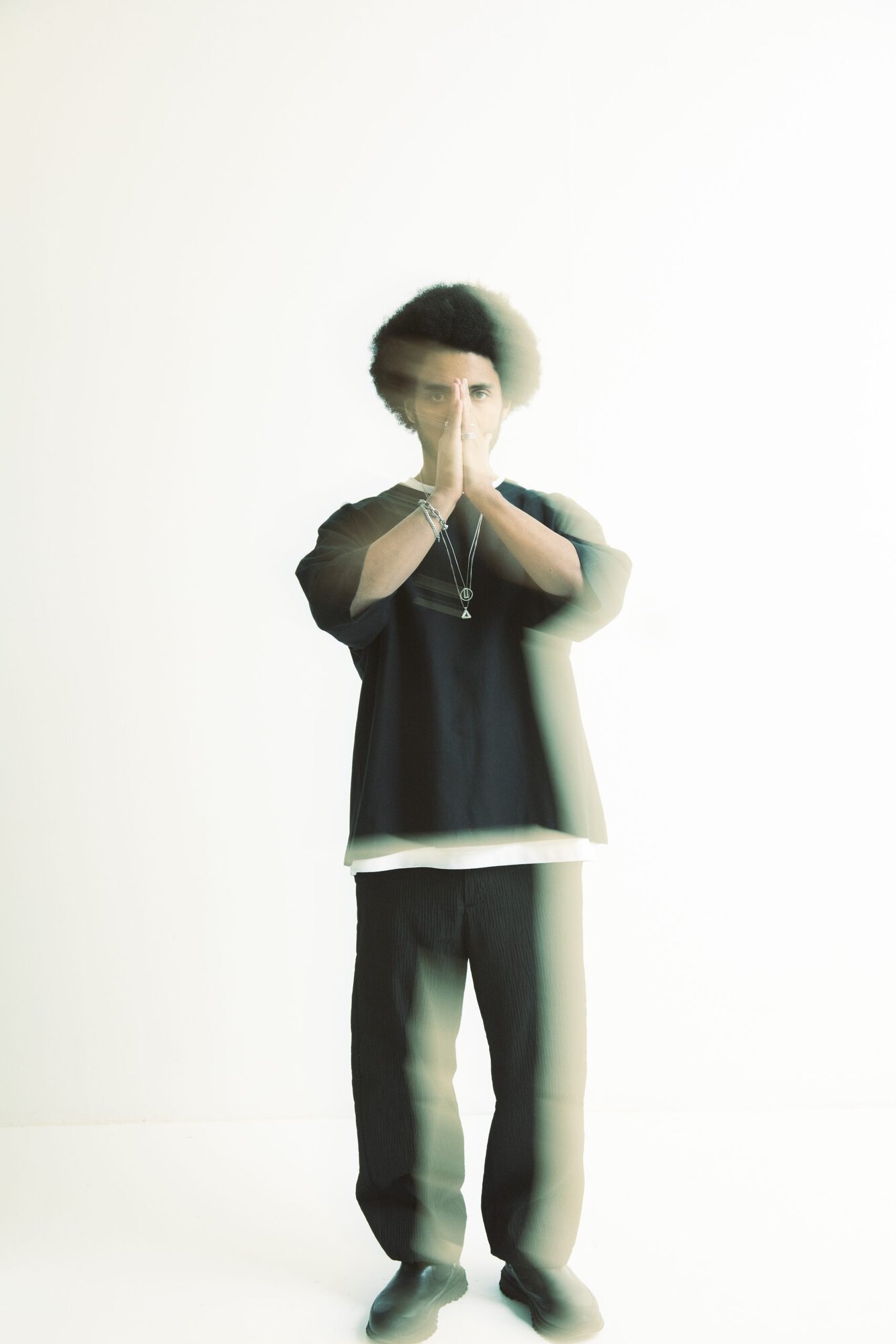
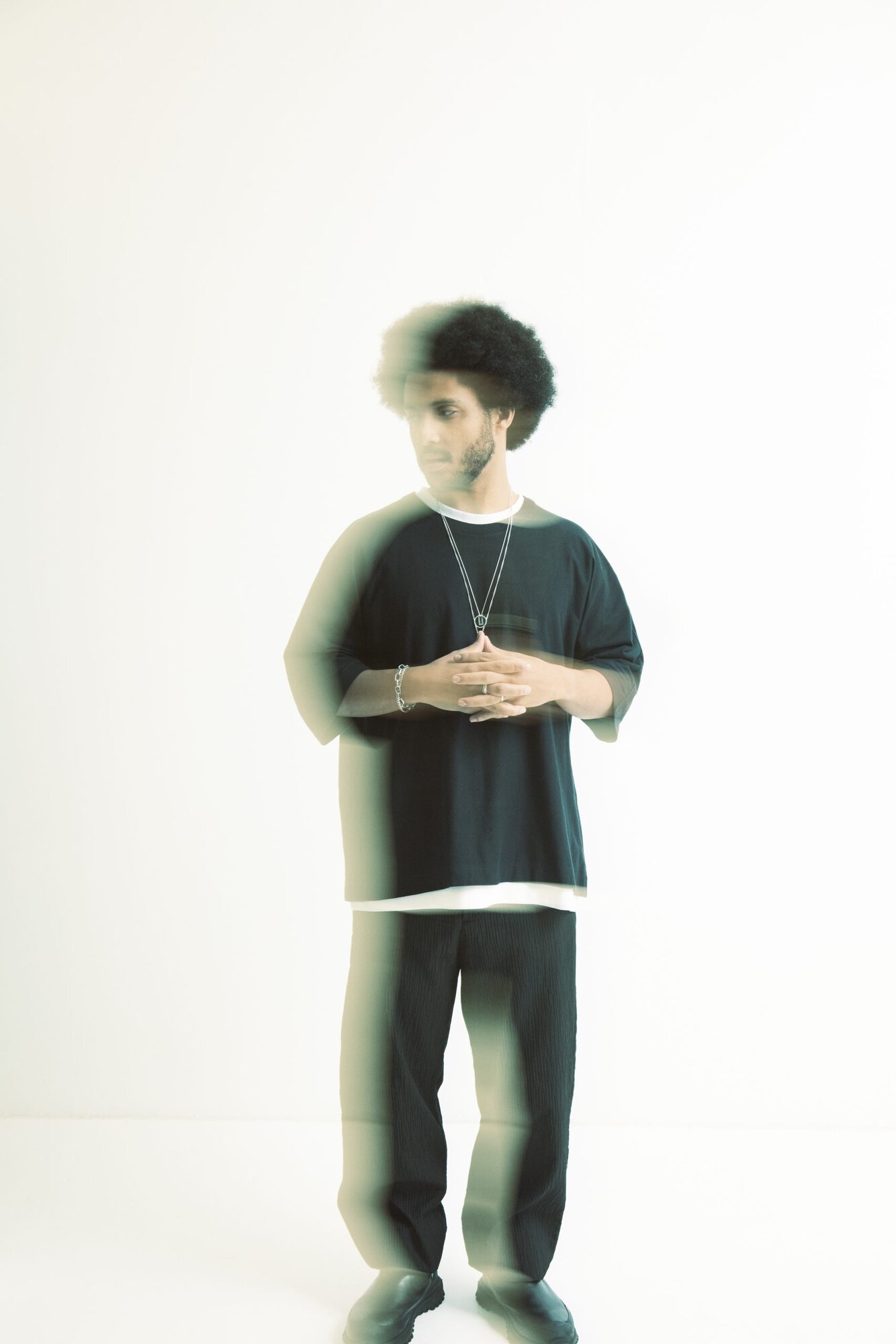
There’s something magnetic about an artist who refuses to stay in their lane. Hardt Antoine, the London-based DJ and producer making serious waves across the electronic music scene, isn’t interested in being boxed in. With French and Jamaican roots and a childhood soundtrack that ping-ponged between orchestral compositions, Caribbean soul, and hip-hop, his approach to music has always been instinctively fusion-led.
From the sweaty darkness of Berlin’s most uncompromising clubs to the sun-soaked hedonism of Ibiza, Antoine has proven himself a chameleon behind the decks—reading rooms at Fabric, Panorama Bar, and Robot Heart with intuition that can’t be taught. But he’s not just chasing the next peak-time moment. Through RECULTURE, his boundary-dissolving project placing electronic music alongside contemporary art, he’s pushing for the culture to be taken as seriously as any gallery exhibition.
Tipped as one to watch for 2025, Antoine is carving out space for a new kind of electronic music—emotional, groove-heavy, and unafraid to get rough around the edges. His recent track “Let It Go” captures that balance perfectly: restrained yet soulful, cerebral yet visceral.
We caught up with Hardt Antoine for this edition of 18 Questions to talk morning rituals, creative risks, and why the dancefloor will always be sacred ground.
What do your mornings usually look like when you’re preparing for a show or studio day?
Show and studio days are very different. Usually, before a show or weekend, I like to have a quiet morning at home with my family before heading to the airport. Studio days normally start slowly — I’ll go for a run or to the gym with my headphones in so I’m already in music mode before entering the studio. Studio days are very introverted and quiet, while shows are the opposite, but I like a slow morning either way.
If someone had never been to a club before, how would you describe the feeling you want your music to give them?
I’d want them to feel that there’s something more to this culture than what’s assumed by those outside it. Many who aren’t into club culture see it as just intoxication, but I’d want them to experience what the journeys we love are really about.
Can you remember the first moment you realised you wanted to dedicate your life to music?
No, I can’t — I think about this a lot. It was always something driving me from the inside. I was very insecure about it as a teenager, so I didn’t talk about it much — I just got on with it.
Which record or artist had the biggest impact on shaping the way you hear sound?
Impossible to choose one, but hearing Mathew Jonson live for the first time, and digging into Carl Craig’s catalogue around the same period, were formative moments in shaping my current sound.
You’ve played at places like Fabric, Panorama Bar, and Robot Heart. How does each crowd or space change the way you play?
Every gig is different. I’m very lucky in my sound that I get to play a huge range of venues — from dark rooms in Berlin to brighter Ibiza holiday parties, beautiful intimate nightclubs, and even more commercial spaces. The DJ in me is so satisfied by the variety, but it means I have to really put the work into each show. I think I’d get bored if every venue and crowd looked the same every week.
When you sit down to start a new track, where do you usually begin — rhythm, melody, or mood?
There are really no rules here, and I start every track differently. Jams will usually evolve into six or seven very different things before I commit to one idea.
You’ve said you don’t believe in reinventing the wheel. What does originality mean to you in a scene where everyone is using the same tools?
It’s about combining ideas and being playful — trying things I’ve never done before and avoiding the obvious.
What’s one creative risk you’ve taken recently that felt uncomfortable but ultimately rewarding?
I’ve just made a very “pop” record with mOat. It has a big original vocal, verse, chorus, and fun grooves. It’s still authentically me, but I was afraid others might not see it that way. The track hasn’t been released yet, but the promos are out and the feedback has been great — even from some of the very underground names I was worried about alienating.
Sampling is a big part of electronic music culture. How do you decide when a sample adds life to a track rather than just familiarity?
It has to be musical and purposeful — not just a gimmick, even if the result is simple. I’m always saying there are no shortcuts in writing music. You can’t just throw familiar samples together and expect it to work.
You’ve described your music as emotional and groove-led. How do you balance precision in production with keeping that human feel?
Sometimes it’s about keeping things rough and working quickly. Other times I over-polish tracks, then go back in to “re-roughen” them — moving drums off-grid, replacing clean samples with imperfect ones, or replaying melodies without quantising. If I’m honest, probably the latter more often.
Your French and Jamaican heritage brings together two very different worlds. How do those influences shape your instincts as a DJ and producer?
I like to think my music is a fusion of cultures. My mother is an orchestral composer, but she also introduced me to ska, lovers rock, and soul from her Caribbean heritage. My brother is a huge hip-hop head, which shaped what I was into as a teenager, and the range of music from my dad’s car is still close to my heart. I consider my background a big melting pot. I’m also proudly from the UK, and cross-cultural artistic influence runs deep in our culture — even if recent news might have you believing otherwise.
“Let It Go” feels both restrained and soulful. What story or emotion were you trying to capture when you made it?
I wanted something powerful, complex, and transcendent. The unorthodox grooves are there to get your head thinking, even spinning, while the chords and vocals carry the emotional weight.
You often talk about leaving space in your music. What role does silence or simplicity play in your creative process?
In classical scoring, a “rest” is a note as valid as one that’s played — it’s not empty space. It’s important to remember this when writing in a DAW or on a keyboard. In a DAW, there’s unlimited room to add, so learning restraint is a rite of passage for most producers — it definitely was for me.
RECULTURE merges electronic music with contemporary art. What inspired you to bring those two worlds together?
Electronic music is art. It’s a craft people dedicate their lives to, and I want our culture and creations to be respected in the arts world as much as traditional visual art.
After a long night or tour, what helps you reconnect with yourself creatively?
Making experimental music with no purpose. Touring creates a drive — but also an ego — that can make me think, “Let me get in the studio and make a bomb to get hands in the air.” I have to reset that mentality before good music can happen.
You’ve been tipped as one of the ones to watch for 2025. How do you handle external recognition without letting it affect your process?
Same as the answer above. I have to remind myself that I didn’t get here by being functional, but by being an artist.
The dance floor has always been a mirror of culture and emotion. What have you learned about people through years of watching them dance?
I see dancing as the ultimate form of active relaxation. When people socialise in their downtime, the first thing they do is talk; the next step is to laugh — and if they’re really in the moment, they dance. I think the subconscious aim is always to get there, even if we don’t realise it. The dance floor is a place to be free and let go, and I love watching people embrace that.
When you think about the future of electronic music, what kind of evolution do you hope to see, and how do you see yourself contributing to it?
I want electronic music to be respected as both music and culture — not just a niche, a vice, or a quick feel-good hit. I want to make authentic, true, electric music that expands our world without cheapening it or presenting a watered-down version that misses its point and value entirely.
Follow via @hardtantoine