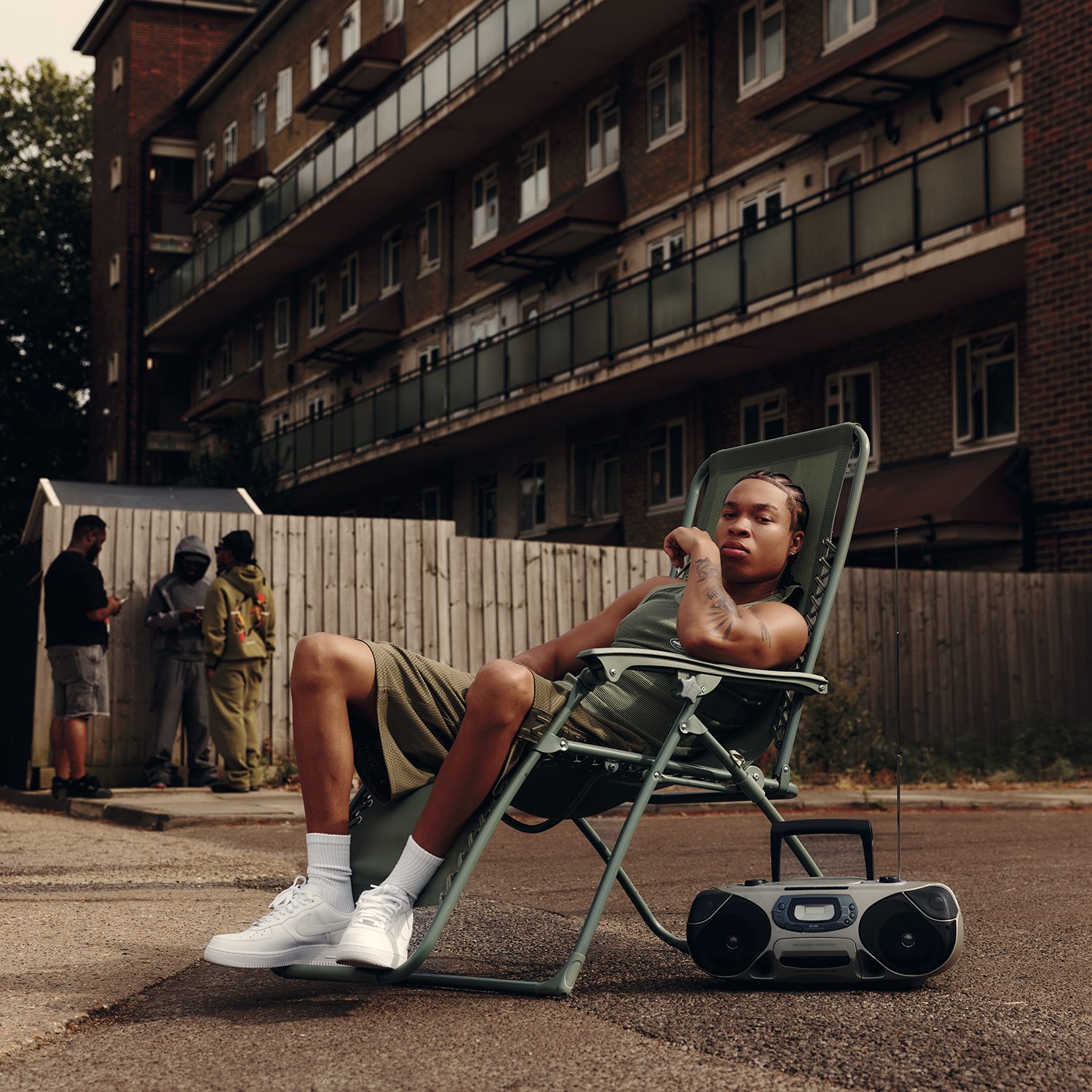
Life on tour can be thrilling. Crowds every night, new cities every week. But it also carries risks. Small mistakes can lead to injuries, missed shows, or expensive delays. The good news: most of those risks can be managed with a few habits. Here are some straightforward safety tips musicians and crew swear by.
1. Check the Stage Layout Before Every Show
Never assume the stage is set right. Loose cables, uneven risers, or shaky gear can cause falls. Before soundcheck, walk the full stage. Check where the monitors sit, mark edges with tape, and confirm all cords are secured. Lighting can make hazards invisible, so better to spot them when the house is still bright. And if something does go wrong, documenting the incident right away makes it easier to work with venue staff, insurers, or even accident attorneys later.
2. Protect Your Ears
Touring means constant noise. Monitors, amps, crowds—it adds up. Hearing damage is permanent. Musicians often wear custom-molded plugs. Crew should too. If that’s not in the budget, even foam earplugs cut decibels enough to make a difference. Save your ears, because you only get one pair.
3. Late-Night Transport Safety
Many accidents happen after shows. People are tired, streets are busy, and gear has to get loaded fast. Don’t let the rush cut corners. Always load vans in well-lit spots. Lock doors between trips. If you’re using ride-shares, verify the driver and car before getting in. For buses, double-check the driver’s rest schedule. Fatigue behind the wheel is just as dangerous as fatigue on stage, whether it’s a local club gig or a big event like Dream Fest.
4. Watch the E-Scooters
They’re everywhere in big cities now. Quick, cheap, and tempting after load-out. But they’re also a common cause of sprains and crashes. If you ride, stick to bike lanes, wear a helmet, and keep it slow. Better yet, walk when it’s late or you’re carrying gear. A sprained wrist can cancel a tour date just as fast as a missed flight.
5. Wear the Right Shoes
It’s not glamorous, but footwear matters. Crew especially spend hours lifting cases and climbing stairs. Good shoes with grip and support prevent slips and back pain. Musicians benefit too—try sprinting offstage in slick soles and you’ll see why. Think durable sneakers or boots, not fashion shoes.
Brands like Gain The Edge focus on performance gear designed for athletes but just as useful for touring musicians and crew. Their grip socks, for example, offer extra stability and comfort during long hours on stage or backstage, reducing fatigue and lowering injury risks. Comfort wins when you’re walking miles inside venues and airports.
6. Stay Hydrated
Dehydration sneaks up on you under stage lights. Add long drives and irregular meals, and it’s worse. Keep a refillable bottle on hand. Crew should stash extras near the stage. Musicians can line up water backstage and sip between songs. It keeps energy steady and reduces headaches.
7. Prep for Altitude in Mountain Cities
Shows in Denver or Salt Lake City can hit harder. Thinner air means shortness of breath, fatigue, and dehydration. Arrive early if possible to adjust. Drink more water than usual and go easy on alcohol before performing. Even crew can feel the difference when hauling cases. If something goes wrong—like illness or an accident—local help is best. Musicians and crew passing through Denver can find localized guidance here after a mishap.
8. Document Incidents
Stuff happens: gear falls, trucks get dinged, people trip. In the moment it feels small, but documentation matters. Take photos, write down details, and save receipts. This helps when filing insurance claims or settling venue disputes. A five-minute habit can save thousands later.
Keep It Practical
Safety on tour isn’t about fear. It’s about keeping everyone healthy enough to do the job. That means small choices: checking the stage, wearing decent shoes, drinking water, avoiding risky scooters. The more those habits stick, the smoother the road feels.
Touring is tough, but it doesn’t have to be reckless. Musicians and crew already work under stress. A few precautions keep the show running, night after night, city after city.