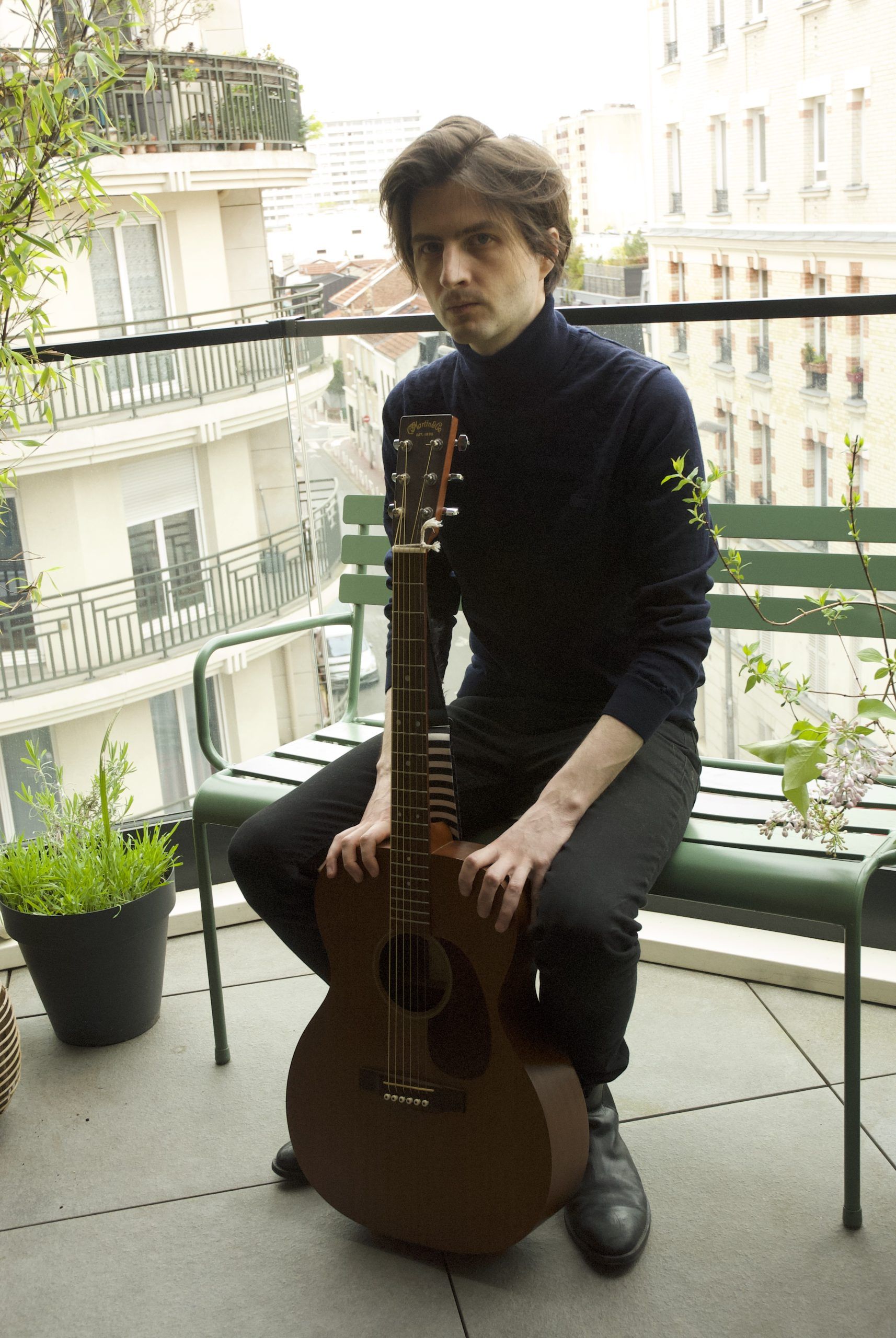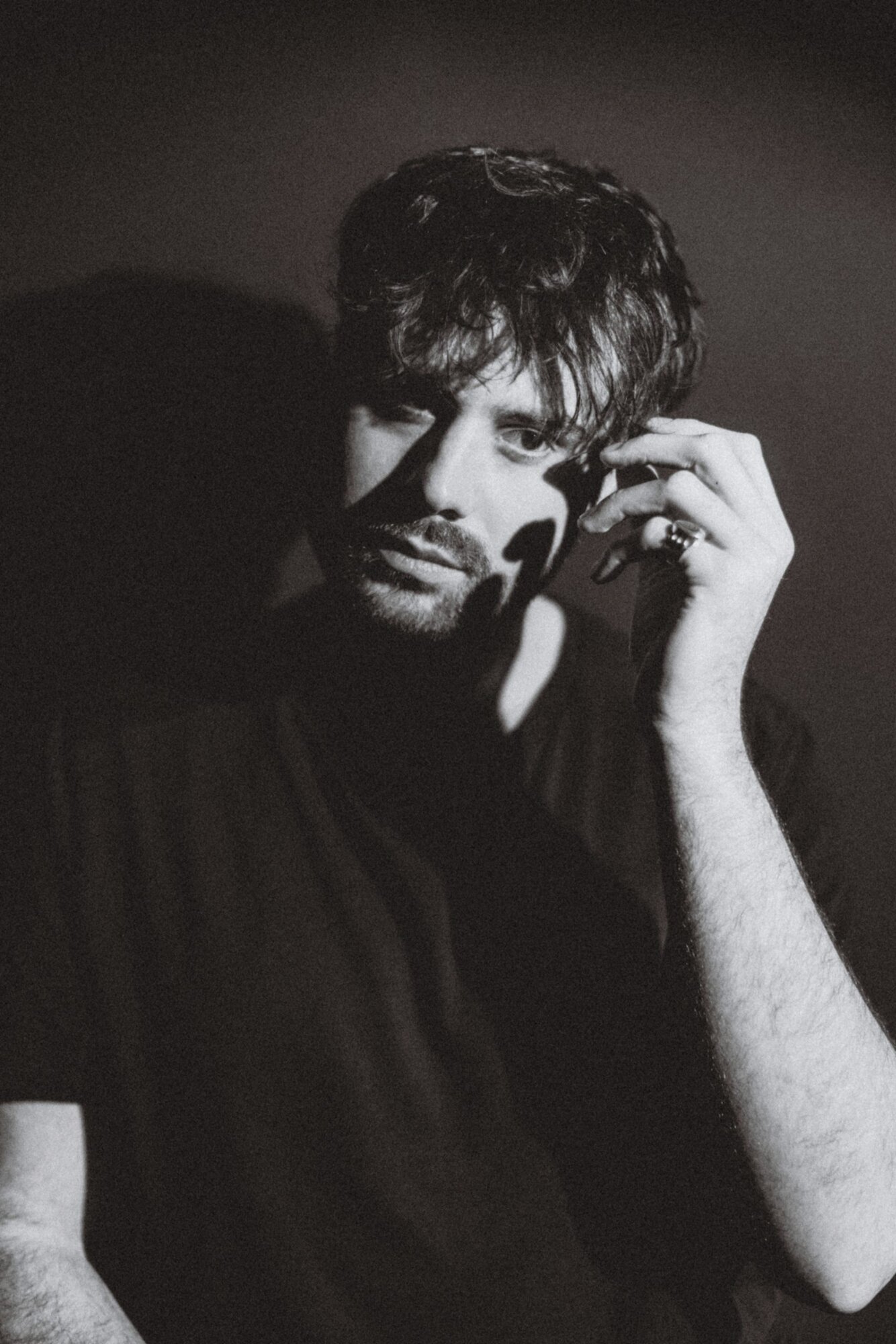
There’s a moment in Mathis Akengin’s new video for “Mer d’hiver” (Winter Sea) where you realize nothing good is coming. He’s rowing across a lake. The water’s calm. Vocalist Claire Passard waits on a small island. But something about it all feels wrong, the kind of wrong that creeps up on you slowly.
Director Pablo Delpedro doesn’t overwork it. No dramatic music swells or quick cuts. Just Akengin in a boat, getting closer to the island, while the atmosphere gets heavier with every stroke of the oars. By the time he disappears beneath the water, it doesn’t feel shocking. It feels inevitable.
Akengin started playing piano at age six at the Conservatoire, but he quickly moved beyond classical music to work with bands across different genres, from rock with Dead Chic to oriental jazz with Neptune Quartet. That range shows in his solo work, which blends his French and Turkish roots into something that feels both familiar and slightly off-kilter.
“Mer d’hiver” follows his earlier singles “Voltige” and “First Floor,” but this one hits differently. The track explores things that fade away: traces, voices, connections, and there’s an old sailor’s voice asking “As-tu vu passer l’orage?” (Did you see the storm pass by?) It’s a simple question that somehow feels crushing.
Akengin records the piano as a percussive instrument here, creating these mechanical rhythms that feel like a ship’s workings. The result is hypnotic and slightly unsettling. Passard’s voice floats over it all, delicate but present, adding to the dreamlike quality without tipping into saccharine territory.
The piece understands melancholy as something you eventually surrender to, and Delpedro captures that without turning it into a spectacle. It lingers.
“Mer d’hiver” is out now, follow via @mathis_akengin
Photography Hugo Horsin