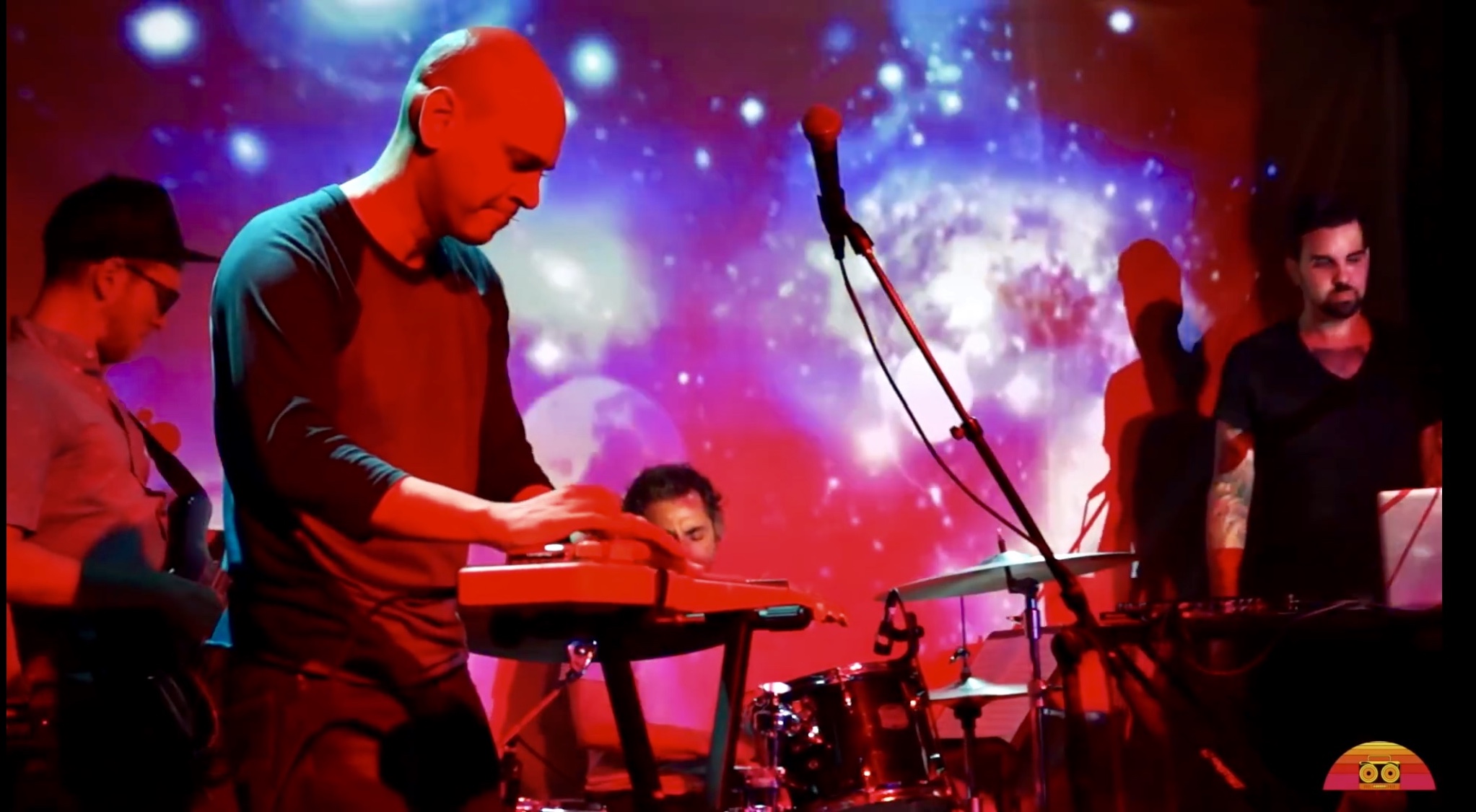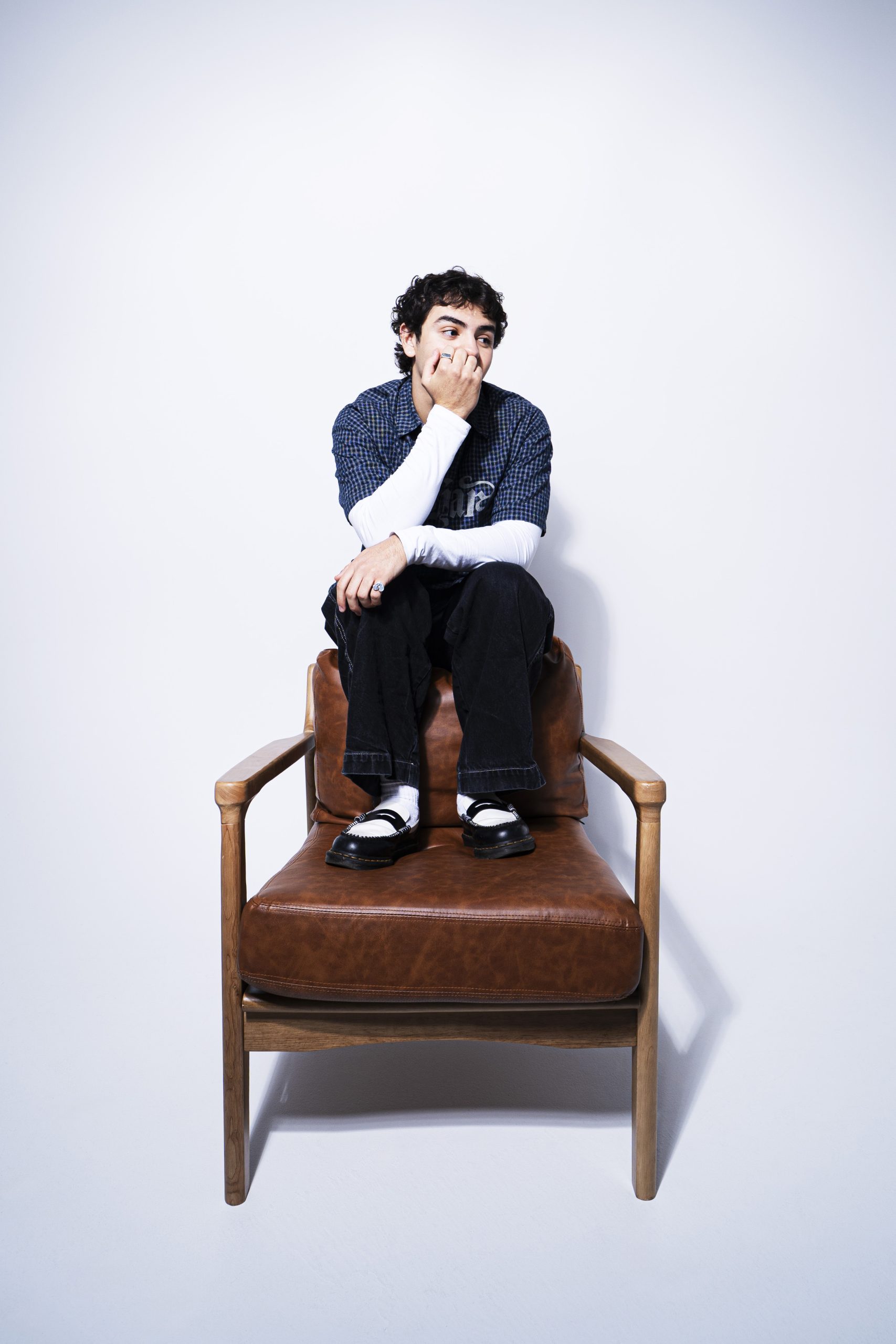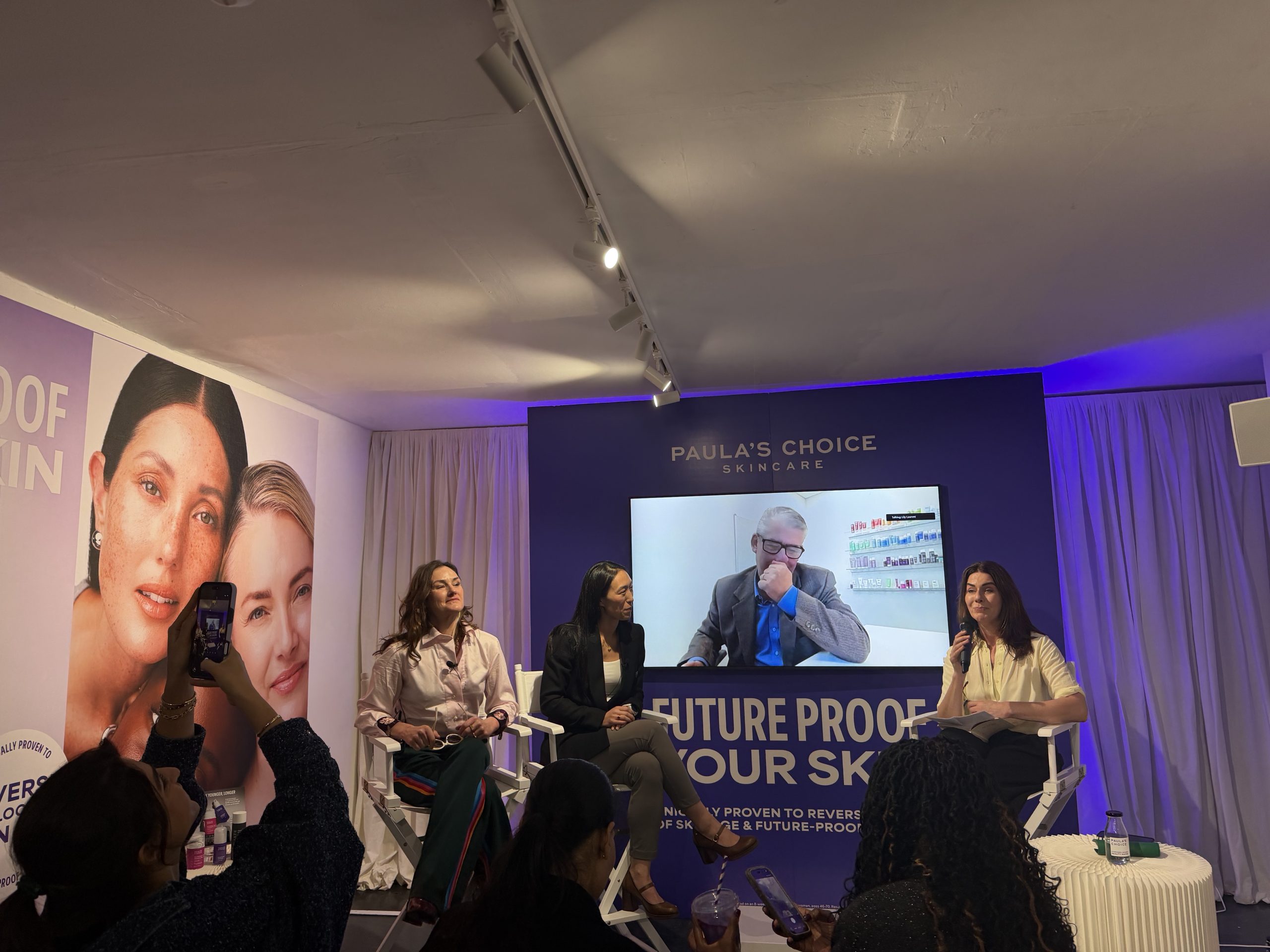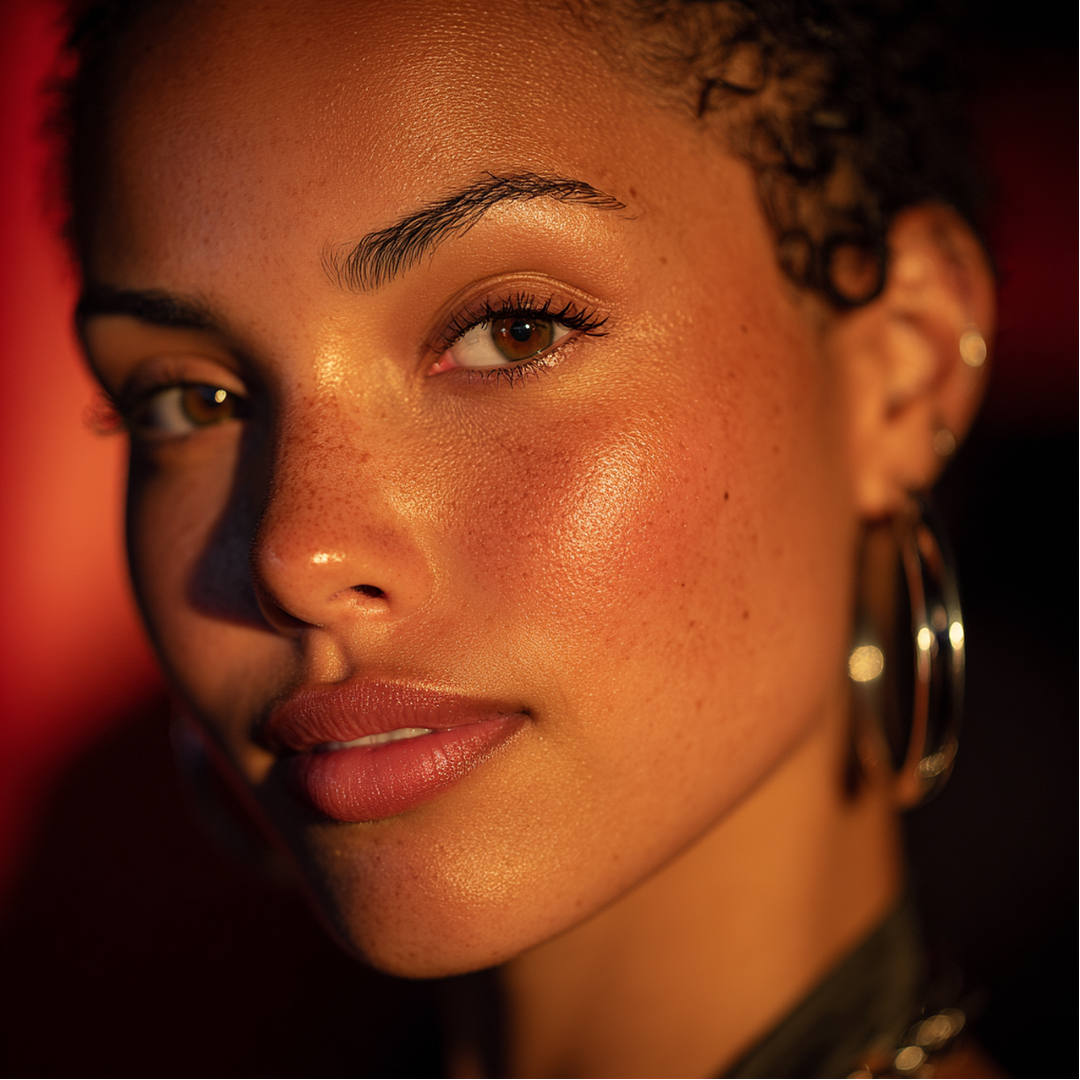
Scroll through any festival lineup, red carpet premiere, or backstage moment, and you’ll notice something fascinating: the eyes tell a different story than they used to. The pursuit of expert under eye filler treatments and natural tear trough filler enhancement has quietly become the aesthetic flex nobody discusses but everyone notices. Unlike the obvious cosmetic choices that dominated previous decades, today’s culture creators understand that professional under eye filler services operate more like Instagram filters in real life, erasing the evidence of late-night studio sessions, endless touring schedules, and the relentless grind of building creative empires while still looking impossibly fresh for that 6 AM call time.
The shift happened somewhere between indie sleaze aesthetics and whatever we’re calling this moment now. While previous generations associated aesthetic enhancements with dramatic transformation, today’s creatives view them as routine maintenance, like getting your guitar restrung or your film equipment serviced. Natural enhancement in beautiful spaces mirrors how we curate every other aspect of creative life, from mood boards to Spotify playlists. Understanding elite beauty routines reveals why looking effortlessly together has become as important to cultural capital as your follower count or festival pass.
When Genetics Meet Algorithms
Here’s the uncomfortable truth nobody mentions at industry parties: camera technology has evolved faster than human faces. What looked fine in person suddenly registers as hollow shadows under studio lighting or on HD screens. 4K doesn’t forgive, and neither do unforgiving phone cameras that capture every angle during spontaneous content creation. The tear trough area, that subtle groove between lower lids and cheeks, photographs like a chasm under certain lighting conditions, creating shadows that read as exhaustion regardless of your actual energy levels.
Musicians finishing marathon studio sessions, actors bouncing between time zones for press tours, photographers working overnight shoots, all face the same challenge: looking rested when you’re categorically not. Traditional solutions like concealer and color correction only go so far before they photograph as exactly what they are: makeup covering a structural issue. Strategic volume restoration addresses the architecture rather than just painting over it, creating dimension that holds up under any lighting condition from golden hour to fluorescent backstage green rooms.
The cultural shift mirrors broader changes in how we approach image cultivation. Nobody pretends their favorite band just woke up looking that way for their music video anymore, just like we don’t pretend festival headliners achieve those stage looks without serious behind-the-scenes work. Acknowledging enhancement while keeping it subtle represents peak cultural sophistication, the visual equivalent of admitting your album was heavily produced while still maintaining authentic emotional resonance.
The Festival Season Imperative
Festival culture has created its own aesthetic economy where looking perpetually vibrant across multi-day events becomes professional necessity. Coachella, Glastonbury, Primavera Sound, these cultural moments demand camera-ready appearances maintained under conditions that would destroy most people’s faces: minimal sleep, relentless sun exposure, dehydration from dancing in desert heat, and approximately six million photo opportunities spanning dawn to way past dawn.
Under eye enhancement has quietly become part of the festival prep routine alongside custom outfits and strategic spray tans. The treatment addresses the reality that dark circles and hollowness photograph harshly under the intense natural light and festival photography conditions. Nobody wants their defining cultural moment immortalized with shadows making them look like they need medical intervention rather than just some sleep.
The durability factor matters enormously here. Results typically last 12-18 months, meaning strategic timing means looking fresh for an entire festival season rather than just one event. The investment makes sense when considering how festival appearances generate content that lives across social platforms indefinitely, creating visual archives that represent your aesthetic identity to current and future audiences.
The Green Room Advantage
Talk to anyone working in entertainment and they’ll confirm what nobody says publicly: green rooms have become informal aesthetic consultation spaces where artists compare notes on everything from skin treatments to recovery protocols. The conversation has normalized dramatically, shifting from secretive whispers to casual recommendations between acts, much like discussing favorite guitar pedals or lighting designers.
The democratization reflects broader cultural changes around discussing aesthetic maintenance. Previous generations treated these topics as shameful secrets; current creatives view them as practical solutions to professional challenges. When your face is literally your brand’s visual ambassador, maintaining it makes business sense alongside artistic sense. The same people investing thousands in camera equipment or synthesizers understand investing in appearance that will be captured by that equipment.
Interestingly, the most respected practitioners in entertainment and fashion circles often
serve multiple artists and creatives, creating networks where excellence gets recognized and rewarded. Word-of-mouth recommendations carry enormous weight, and artists actively share provider contacts the same way they share studio referrals or tour manager recommendations. The community aspect transforms what could be isolating decisions into shared cultural knowledge.
The Content Creator’s Dilemma
Content creation demands looking perpetually fresh despite schedules that destroy any possibility of actual freshness. Daily uploads, multiple platform management, brand partnerships requiring specific aesthetics, all create pressure to appear energized and engaged regardless of reality. The mathematics are brutal: content that performs well often gets filmed during periods when natural appearance would betray the lifestyle required to create that content in the first place.
Strategic enhancement solves this catch-22 by creating baseline freshness that holds up across lighting conditions and filming circumstances. Ring lights can only do so much; at a certain point, the shadows under your eyes overpower any technical lighting solution. Addressing the structural issue provides foundation that works with lighting rather than fighting against it, reducing the post-production time spent trying to digitally erase evidence of actual human exhaustion.
The ROI makes sense when considering how content performance affects revenue streams. Better-looking thumbnails generate higher click-through rates. More attractive on-camera presence increases viewer retention. The connection between appearance and algorithm success isn’t fair, but it’s real, and professionals optimize accordingly while maintaining authenticity in content itself.
Fashion Week Survival Protocol
Fashion Week across global capitals creates unique aesthetic challenges: minimal sleep between shows, constant travel, relentless photography in unforgiving lighting, and the need to look as polished as the clothes you’re wearing or designing. Models, designers, photographers, stylists, and journalists all face versions of the same problem: how to appear effortlessly chic while operating on two hours of sleep across eight time zones.
Under eye enhancement has become standard preparation alongside hair appointments and wardrobe planning. The treatment addresses one of the most common complaints during Fashion Week: looking tired undermines credibility regardless of your actual work quality. Appearing fresh signals professional seriousness, suggesting you have the capacity to handle intense schedules while maintaining standards.
The timing matters strategically. Most practitioners recommend scheduling treatments 2-4 weeks before major events, allowing any minor swelling or bruising to resolve completely while achieving optimal results. This advanced planning mirrors how professionals approach Fashion Week generally, with months of preparation ensuring everything looks effortless during the actual events.
The Red Carpet Reality
Red carpets represent peak aesthetic performance pressure. Unlike candid street style or backstage moments where authenticity outweighs perfection, red carpet appearances exist specifically for photographic documentation under harsh, unforgiving lighting designed to capture every detail. The images generated become permanent records defining public perception, making appearance optimization pragmatic rather than vain.
The under eye area matters disproportionately in these contexts because of how prominently eyes feature in portrait photography. Photographers instinctively focus on eyes as emotional connection points, meaning shadows and hollowness in this area dominate compositions regardless of how spectacular the outfit might be. Strategic volume restoration ensures the face supports rather than competes with fashion choices.
Interestingly, the most successful red carpet looks often involve enhancements that photograph as natural rather than dramatic. The goal isn’t creating obvious change but rather removing distractions that prevent the overall aesthetic from landing properly. It’s subtractive thinking applied to additive technique, using strategic volume to eliminate shadows rather than create unnatural fullness.
The Career Longevity Investment
Entertainment and creative industries remain frustratingly youth-obsessed despite progress on other fronts. Looking perpetually vibrant extends career viability in fields where age discrimination operates through appearance-based assumptions rather than stated policies. Under eye enhancement becomes strategic career maintenance alongside skill development and network building.
The compound effect matters more than immediate results. Strategic maintenance starting in late twenties or early thirties prevents dramatic changes requiring aggressive intervention later. This preventive approach mirrors how professionals manage other aspects of career longevity, from vocal coaching for singers to physical therapy for dancers, investing in maintenance that prevents deterioration rather than waiting for crisis intervention.
The psychological dimension deserves acknowledgment too. Confidence affects performance across creative disciplines. Feeling camera-ready influences how you move through spaces, how you engage with opportunities, and how others perceive your capability. Enhancement that removes appearance anxiety lets creative energy focus on actual creative work rather than constant worry about how you’re reading on camera.
The Honest Conversation We’re Finally Having
Perhaps the most significant cultural shift involves the increasing openness around discussing aesthetic choices. While previous generations maintained strict silence, treating any enhancement as shameful secret, current creatives increasingly view transparency as authentic rather than exposing. This shift parallels broader movements toward discussing mental health, financial struggles, and other previously taboo topics affecting creative professionals.
The conversation remains nuanced. Nobody wants to imply that enhancement is required for success or that natural appearance is somehow inadequate. Rather, the discussion acknowledges that working in visually-oriented industries creates unique pressures where appearance affects professional opportunity. Making informed decisions about addressing those pressures represents agency rather than vanity or insecurity.
Looking fresh while living the inherently exhausting life of a creative professional isn’t about vanity; it’s about visual communication in image-saturated culture. Strategic enhancement that erases evidence of three AM sessions and perpetual jet lag lets your work speak louder than your face. In industries where every appearance contributes to brand narrative, ensuring your face doesn’t undermine your message makes perfect sense. The artists who understand this aren’t more vain than their predecessors; they’re simply more honest about the work required to maintain creative careers in an era when cameras capture everything and algorithms reward visual appeal.