The past few years have not only seen a huge financial rise in the health and wellness industry but also an evident shift in mindset. From run clubs hosted by the likes of JME and Diplo to the introduction of communal rituals such as saunas and cold plunges, wellbeing has not only become a priority, but it’s become desirable. Mental and physical health are now seen as intrinsically linked, but could the pursuit of optimisation become the next obsession?
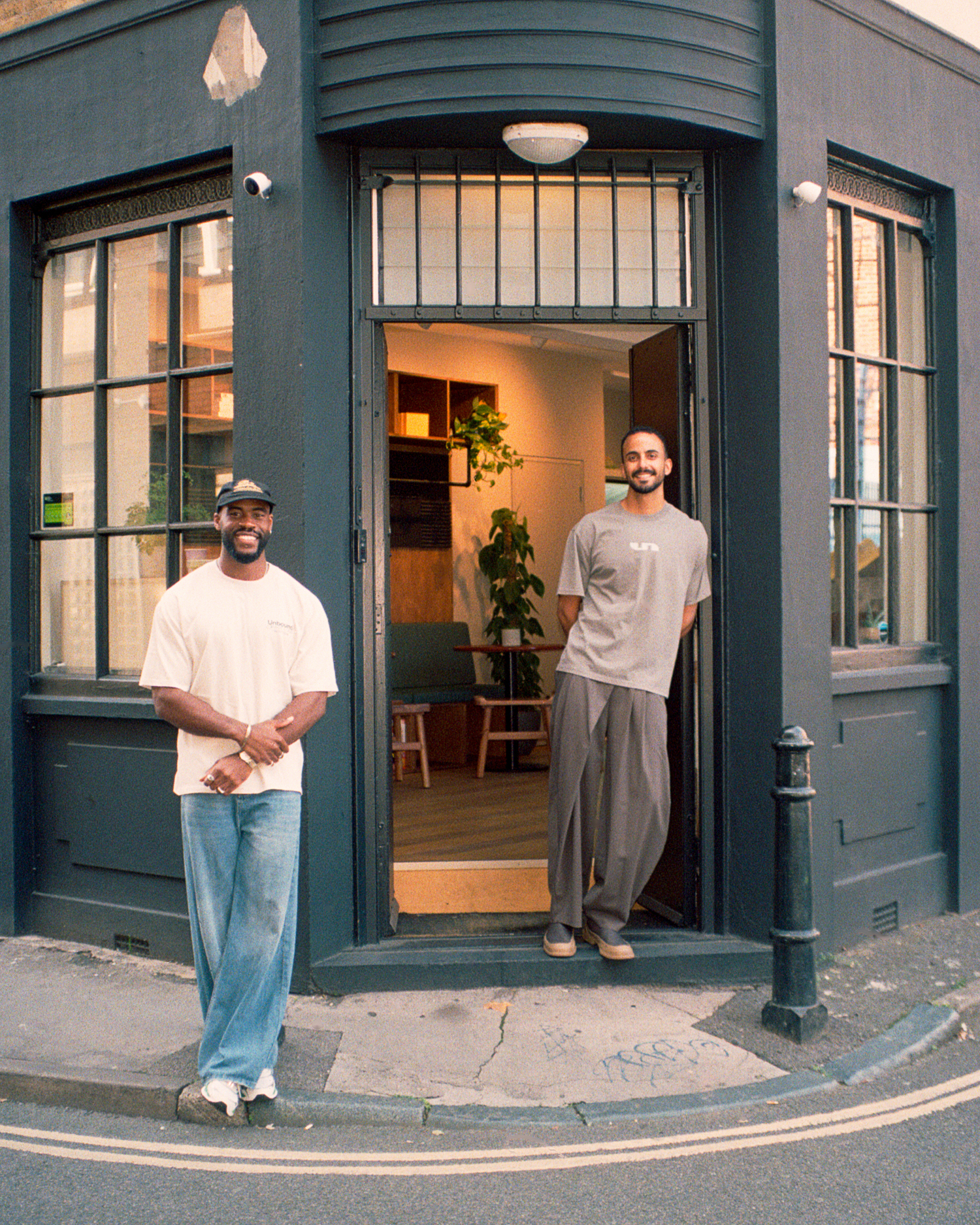
For Arnold Fomété, co-founder of Shoreditch’s new preventative health location Unbound, the answer lies in the pursuit of balance. One of the three co-founders, Arnold, launched Unbound alongside childhood friend David Vioque as well as Miguel McKelvey (known for co-founding WeWork). Where the industry has long favoured one-size-fits-all models, both he and his co-founders see health as deeply personal, shaped as much by art, culture and social connection as it is by metrics and data.
That belief is hard-won. Before Unbound, Arnold spent years obsessing over biohacking alongside an intense career in finance. What looked, from the outside, like professional success quickly became a lesson in burnout disguised as achievement. There’s a steadiness to his demeanour that feels earned; passion is paired with conviction of the something often missing from the current healthcare industry: community. Rather than simply joining the health space, he aims to expand it- reframing healthcare as something more holistic, that accounts for mental health, creativity and a sense of belonging.
1883 spoke to Arnold about the tension between ambition and wellbeing, the highs and lows of building something new, and why preventative healthcare needs to feel less clinical and more human.
First things first, what is Unbound, and how would you describe your mission and what you’re offering?
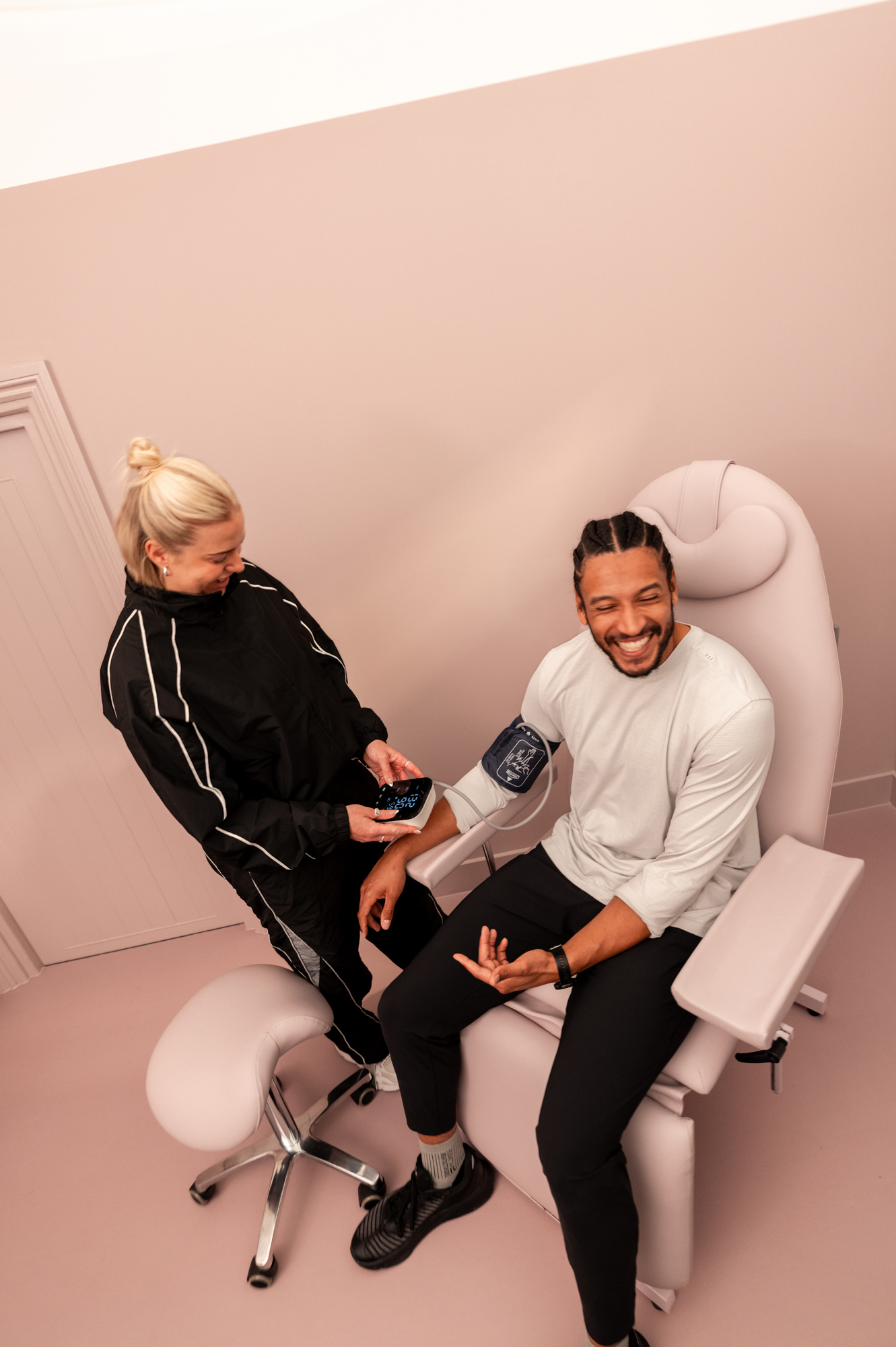
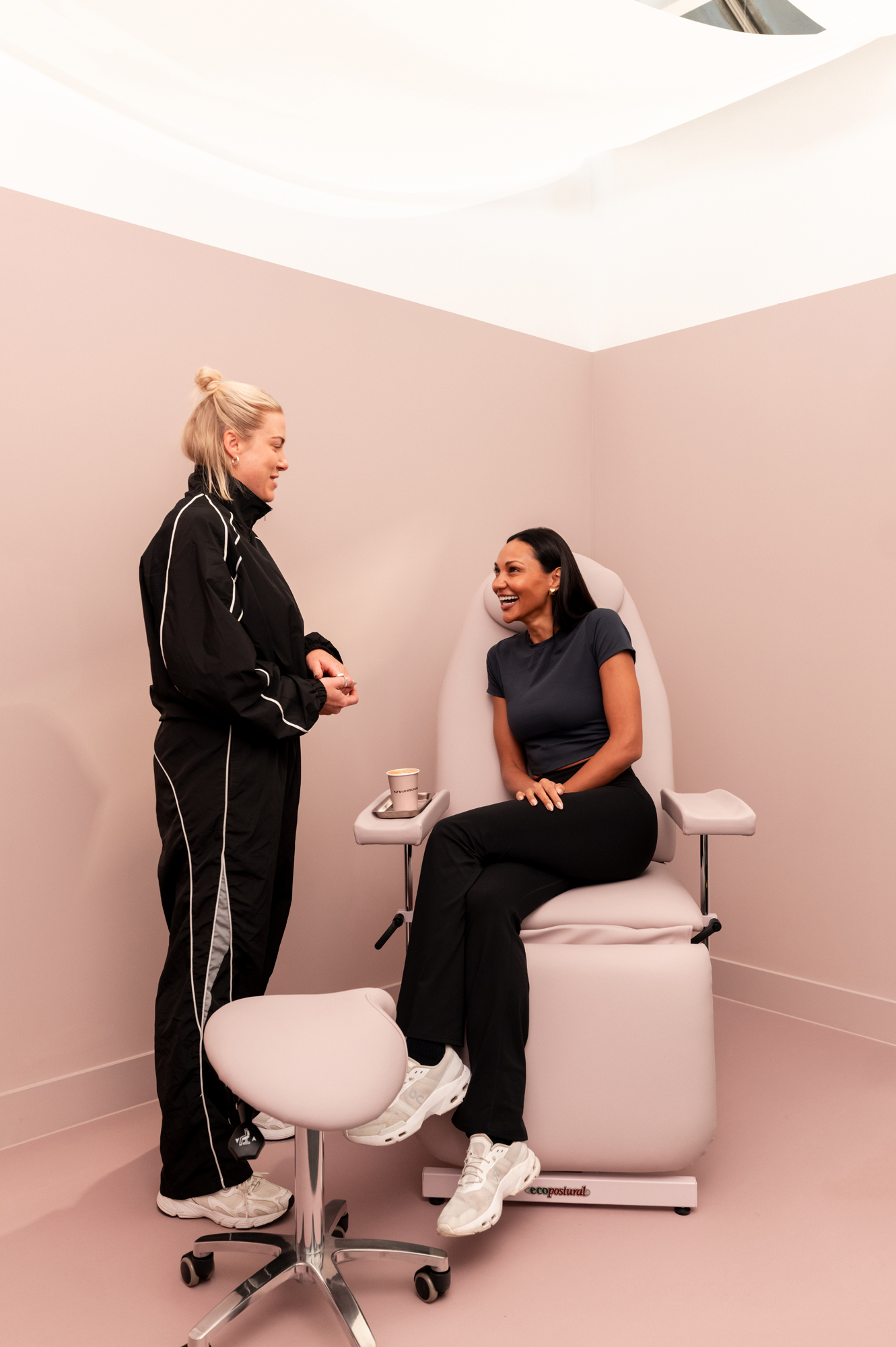
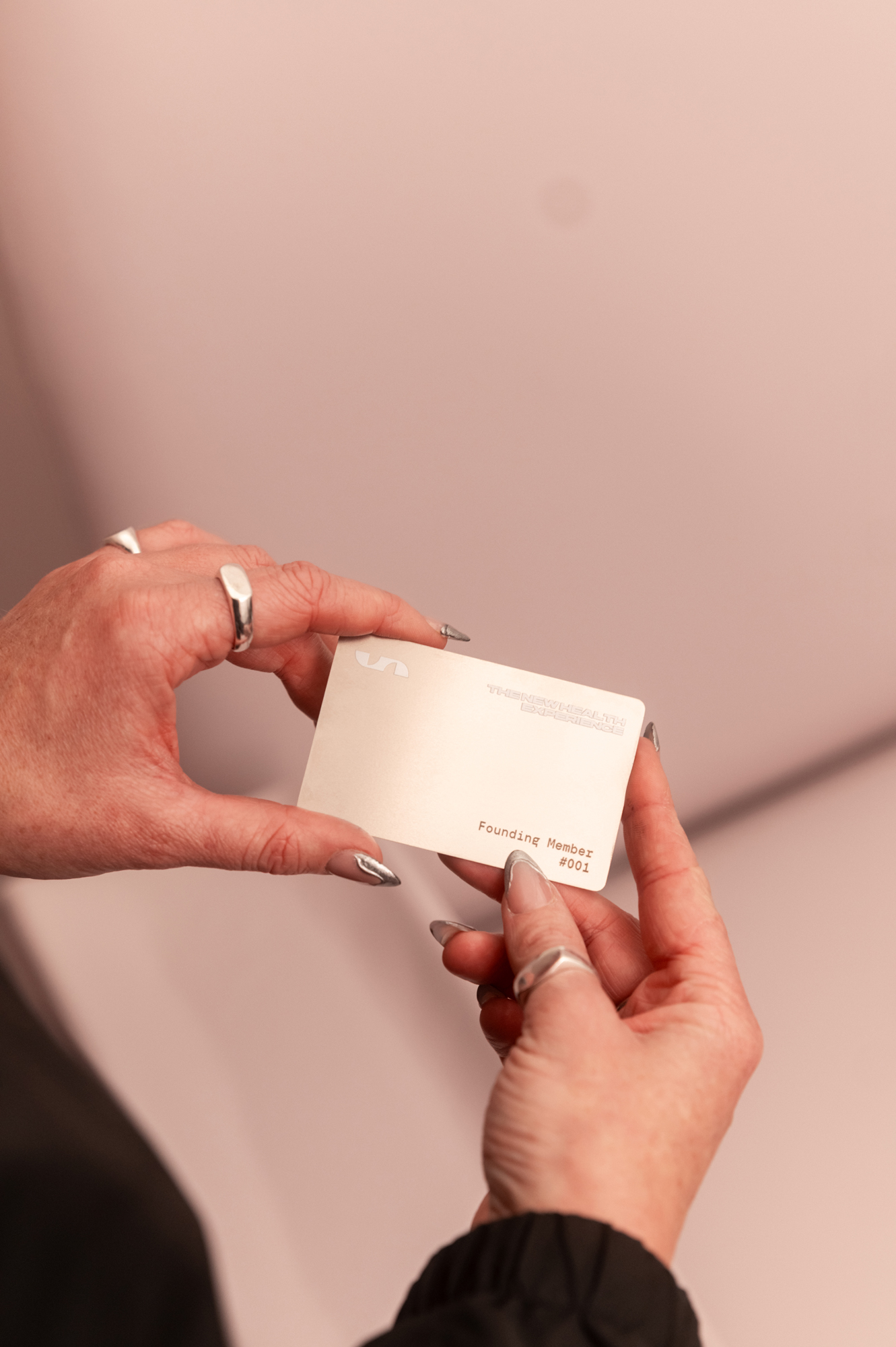
Unbound is a preventative health membership that makes looking after yourself fit into everyday life. We look beyond bloodwork – into behaviour, physiology and lifestyle – because numbers without context don’t change anything. Our medical team translates insight into guidance that’s disciplined enough to help you grow, yet enjoyable enough to sustain.
The experience lives across our first space in Shoreditch and our app, creating room for rituals, reflection and shared journeys that actually fit into real life. We’re blending culture, science and community – and honestly, that combination doesn’t exist anywhere else right now.
The industry often feels split between extremes. Why do you think that is?
Judgement can play a part in that, and elitism too, and we want to remove that feeling because it’s so polarising. You’re pushed to either be an optimiser and biohacker, living life to the nth degree and valuing perfection over joy, or someone who prides themselves on not caring at all — the live fast, die young type.
We feel like those extremes don’t need to exist. You can be in the middle and move fluidly. You can enjoy yourself while looking after yourself; removing that judgment is key.
Was there something particular the idea stemmed from, perhaps something you really thought wasn’t being addressed or needed answering?
My lived experience adds colour to that. I used to work in banking- 40 hour weeks, seven days a week. Burnout was a badge of honour, which speaks to how toxic the normalisation of that culture can be.
I then started a company, which brought a different kind of stress, and I treated my health as an afterthought. When I came out the other side, I realised my health wasn’t in a good way. I tried everything from private healthcare to the NHS, and still felt unseen, rushed, and overwhelmed by 15-page PDFs full of jargon that made no sense. I was doing so much research myself, and it struck me clearly: there must be a better way. Unbound was born out of that frustration.

A few preventive health spaces are emerging at the moment. What makes this so different?
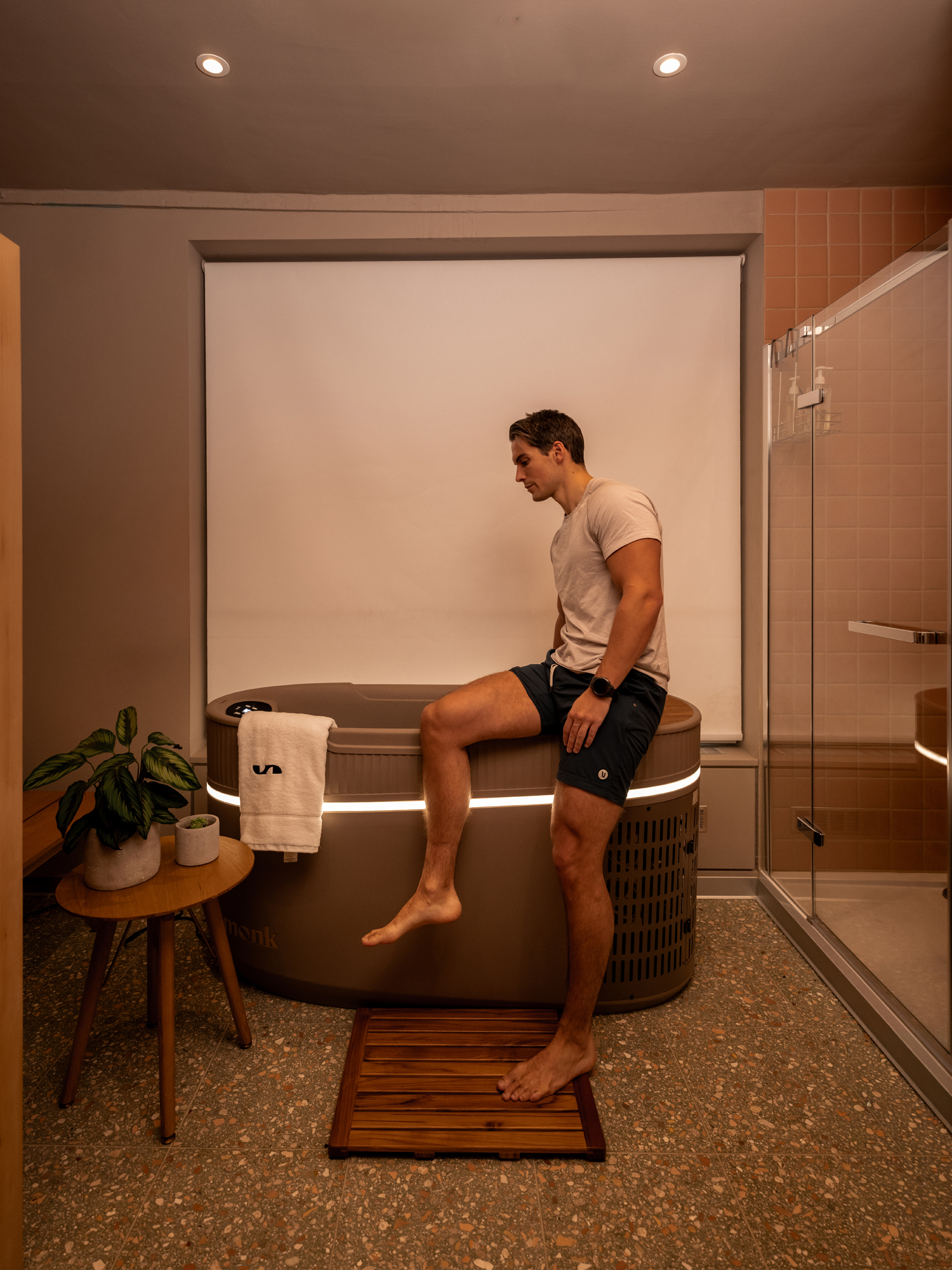
A lot of preventative health today feels built for that optimisation culture – data-heavy, intense and often intimidating. We come from a different place. Medical credibility matters deeply to us, but so do meaning and belonging. The environment matters. The experience matters. People return to what feels good, not what feels punishing
People are craving in-person connection, the antithesis of being purely digital. You can’t just live online; real life happens in person. Whether it’s fashion, music, longevity, panel talks or run clubs, there’s a whole spectrum of experiences available to Unbound members so that they can discover what they’re missing.
You mention ‘belonging’, why is that so important to you?
The loneliness stats right now are through the roof, and huge cities like London are rife with it. I always say that when someone walks through the Unbound doors, I want them to not only feel seen but also inspired. It’s about finding your people – those who are similar to you and explore things in a similar way, but also people you can look up to and learn from. That’s the kind of environment that really makes life enjoyable.
That human approach is really central to what you guys are doing.
What’s your opinion on people flocking to AI to ask questions about their health?
The fact that people are interested in looking after their health, be that through Chat GPT or other forms, is a blessing. That said, there are real questions around data and privacy, and it’s not the safest way to explore your own health. If elements of that technology could exist within a secure, trusted environment – one that also brought a human layer to the forefront- then there’s real potential.
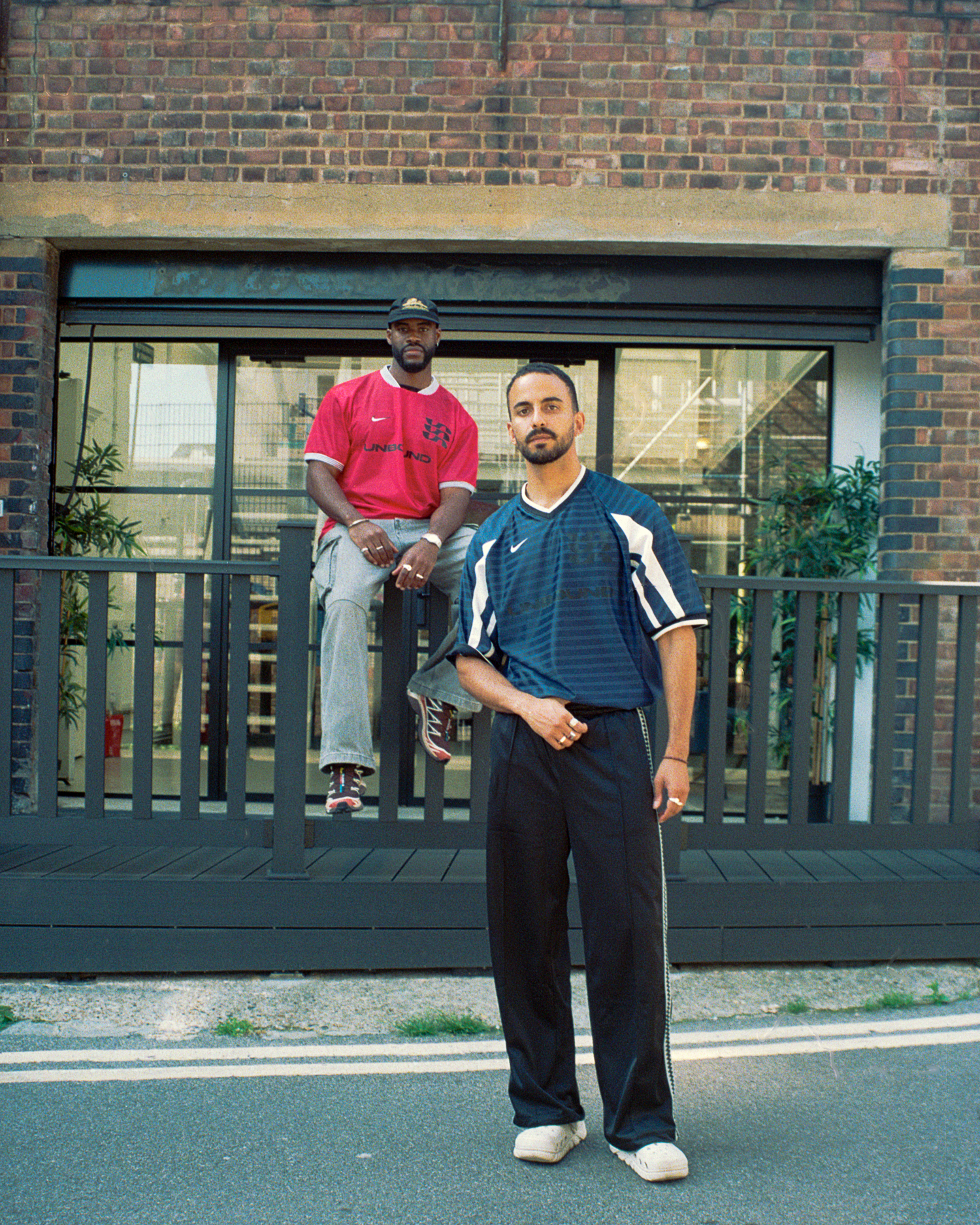
Tell me more about your co-founders, David Vioque, who I believe is a childhood friend and Miguel McKelvey, a.k.a the co-founder of WeWork. How did you guys cross paths?
David and I have known each other since school in Kenya – this is actually our second company together. Miguel came through a mutual friend who recognised that we were all circling the same question from different angles. David and I were thinking about health beyond optimisation, while Miguel has spent his career designing environments that foster connection and belonging. It clicked very quickly.
What’s been the biggest challenge in building something this new and unconventional, and how have you learned from that experience?
The biggest challenge has been unlearning the idea that everything has to be dialled to 100. I come from work environments where intensity is rewarded, and burnout is normalised, and for a long time, I thought that was the price of building something meaningful.
Building Unbound has forced a different way of working and living. I’ve learned that alignment matters more than adrenaline. When what you’re building is genuinely personal and meaningful, you don’t need constant pressure to sustain momentum.
It’s very close to home for you. Is there a vulnerability that comes with that?
Definitely. We’re not hiding behind utility or function. Unbound is worldview-driven — it’s taste, philosophy and values made tangible. That’s inherently more exposing, because you’re not just offering a service, you’re revealing how you believe people should live.
When you put something like that into the world, there’s nowhere to hide. People aren’t just engaging with a product – they’re responding to your point of view. That level of honesty is vulnerable, but it’s also the only way we know how to build something that actually matters
Your first site is in Shoreditch. What’s the bigger vision?
Shoreditch is just the starting point. The longer-term vision is to build a category-defining cultural health brand, with flagship spaces in cities around the world where life moves fast and pressure is high, supported by our digital layer that connects it all seamlessly.
Ultimately, it’s about redefining how people engage with their health on a global level – not as something reactive or clinical, but as a shared, enjoyable part of everyday life. I see Unbound as part of a broader cultural shift towards living well.
I love the idea of creatives having a space to let loose, come together and have that outlet.
So do we! We’ve been fortunate enough to have had incredible feedback and involvement from people from a diverse range of backgrounds, including creatives from different industries. It seems that there’s a real need for a space that people can channel that energy, that isn’t linked to work, networking, or even being the best at something. Whether it’s doodling, brainstorming with like-minded individuals or just meeting people over a coffee, we’re excited to build out our events to cater to that exact vibe.
You talk about “Extreme Balance” and “Ascetic Hedonism” – what do those mean?
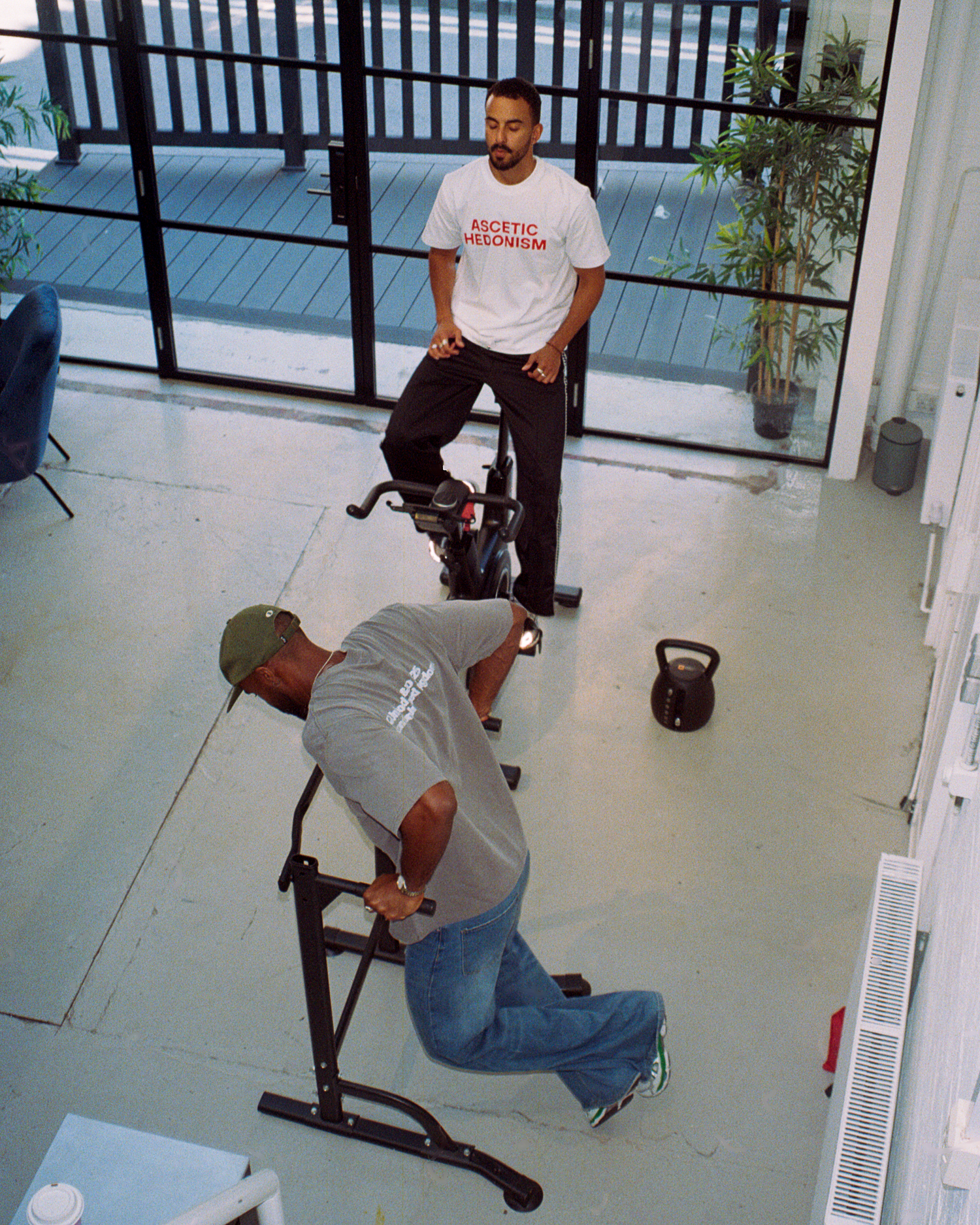
These were ideas that really rooted our philosophy. Ascetic Hedonism is a way of life, and Extreme Balance is how we live it. Both are intentionally paradoxical, because life isn’t linear – it moves on a spectrum. There are moments for discipline and moments for pleasure, and most of us live somewhere in between.
What we’re pushing back on is the idea that you have to choose a side. You can train hard and still enjoy yourself. You can be intentional without being restrictive. Unbound exists in that middle ground – where health supports life.
You can really see the sheer commitment you have to the business, but also the concept. Are there any particular notable highs and lows on this journey as a founder?
A real high has been hearing people say they feel seen in the space. A real high has been hearing people say they finally understand their health in a way that feels human and engaging. That sense of clarity is powerful.
The flip side is realising how many people have been searching for that for years – often feeling overwhelmed or giving up along the way. It’s sobering, but it’s also fuel. It reinforces why this matters and why we feel such responsibility to build Unbound properly and intentionally.
It’s not bad to say that, and fingers crossed for you all, it remains that way! What about advice? Has there been anything you’ve been given that’s stayed with you?
That’s a tough one! I would say – “Protect the integrity of the experience”. The thing that makes you different is usually the first thing people ask you to dilute.
Then what about your advice to others? As someone who has now founded multiple businesses by the age of 30. What advice would you give to someone building something new?
Build from a point of view, not a trend. Taste and patience matter. And don’t do it alone – the best things are built by people who choose to come together.
For more info follow via @living.unbound
Unbound
26 Drysdale St,
London,
N1 6LS
Interview Bex Whitley