“Waist” has now lived through multiple lunar cycles since its release, circulating through cities via algorithms and word of mouth. Omah Lay’s method involves a particular physics of sound, where equilibrium is found between a melodic lightness and a rhythmic density that suggests weight.
The track runs on a loop of pure physical fascination, a mantra about form and sway. Around that anchor, thoughts drift in. The clean arithmetic of new money, the muted plea for spiritual cover. The language slips between Pidgin and Igbo, placing the conversation in a specific world where luxury and legacy share the same mental space.
It’s delivered like a man thinking aloud, the easy hum between verses giving the lyrics room to breathe. Confessions about weak spots and old warnings are offered with a straight face, no drama. It ends with a quiet laugh, as if acknowledging that some things simply balance out.
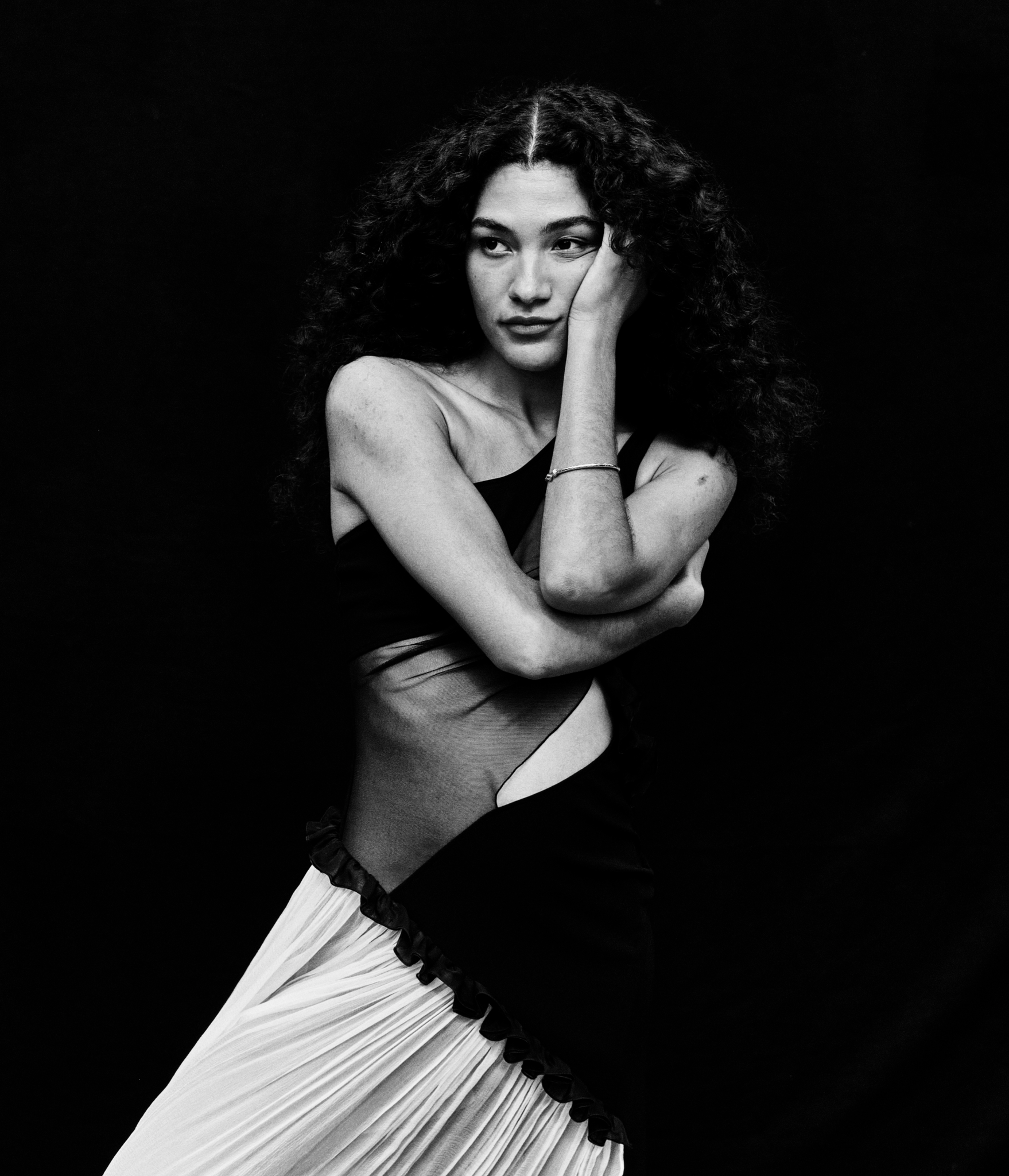
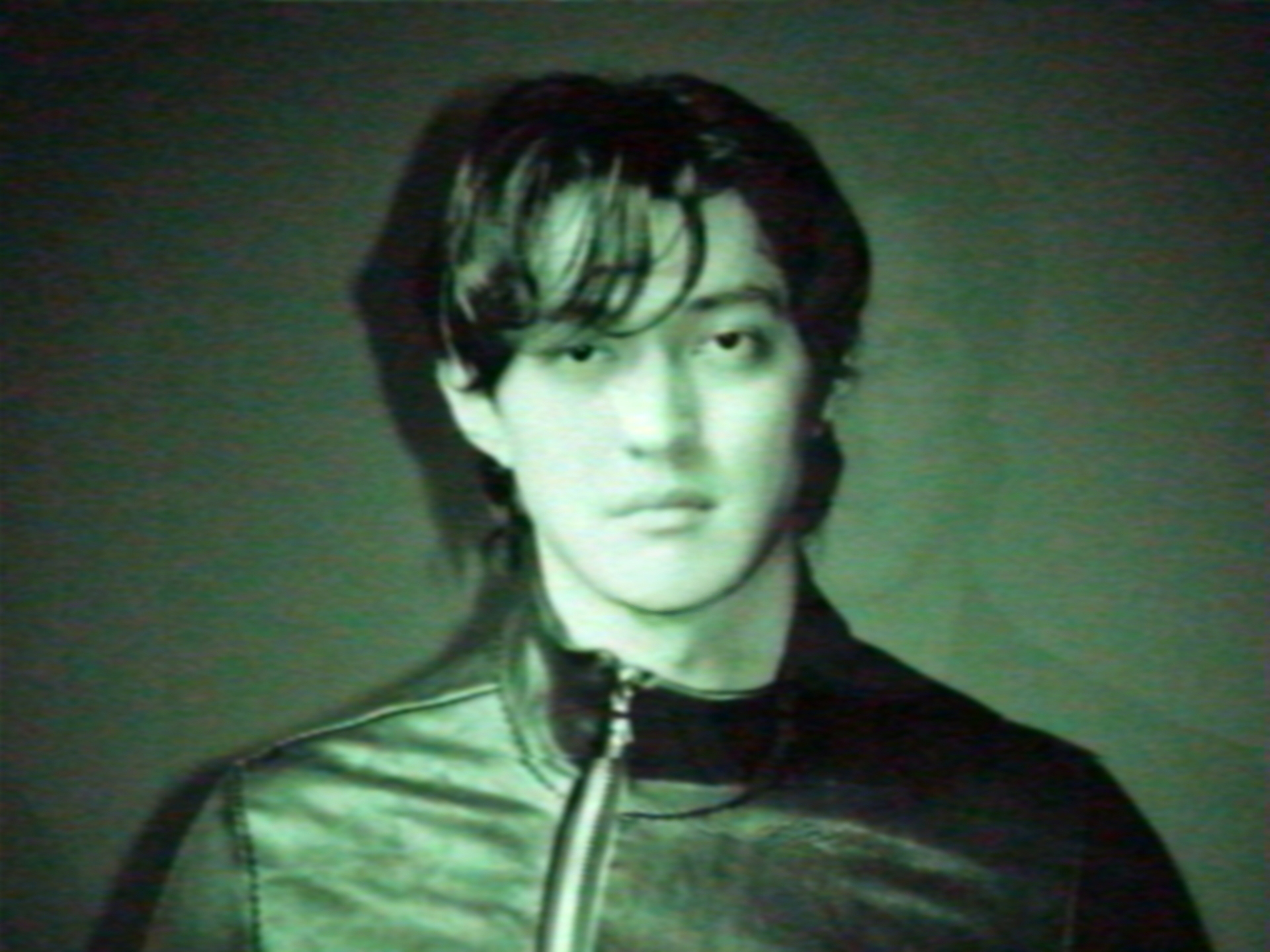
A visual piece around the song was shot in Paris. Directed by Lokmane, it shows the artist with paint on his hands, studying the human form as both subject and catalyst. Landscapes and structures function as emotional notation, and narrative is set aside in favor of a sustained mood where the environment becomes a participant. The music video communicates visually through high-contrast photography, its careful compositions echoing the vernacular of neo-baroque painting in a striking way.
Omah Lay’s reach is evident in both streaming figures and the caliber of his collaborations. Within this arc, “Waist” functions as a tonal confirmation. It is built with confident patience; its global resonance is measured not by velocity but by the depth of its settlement.