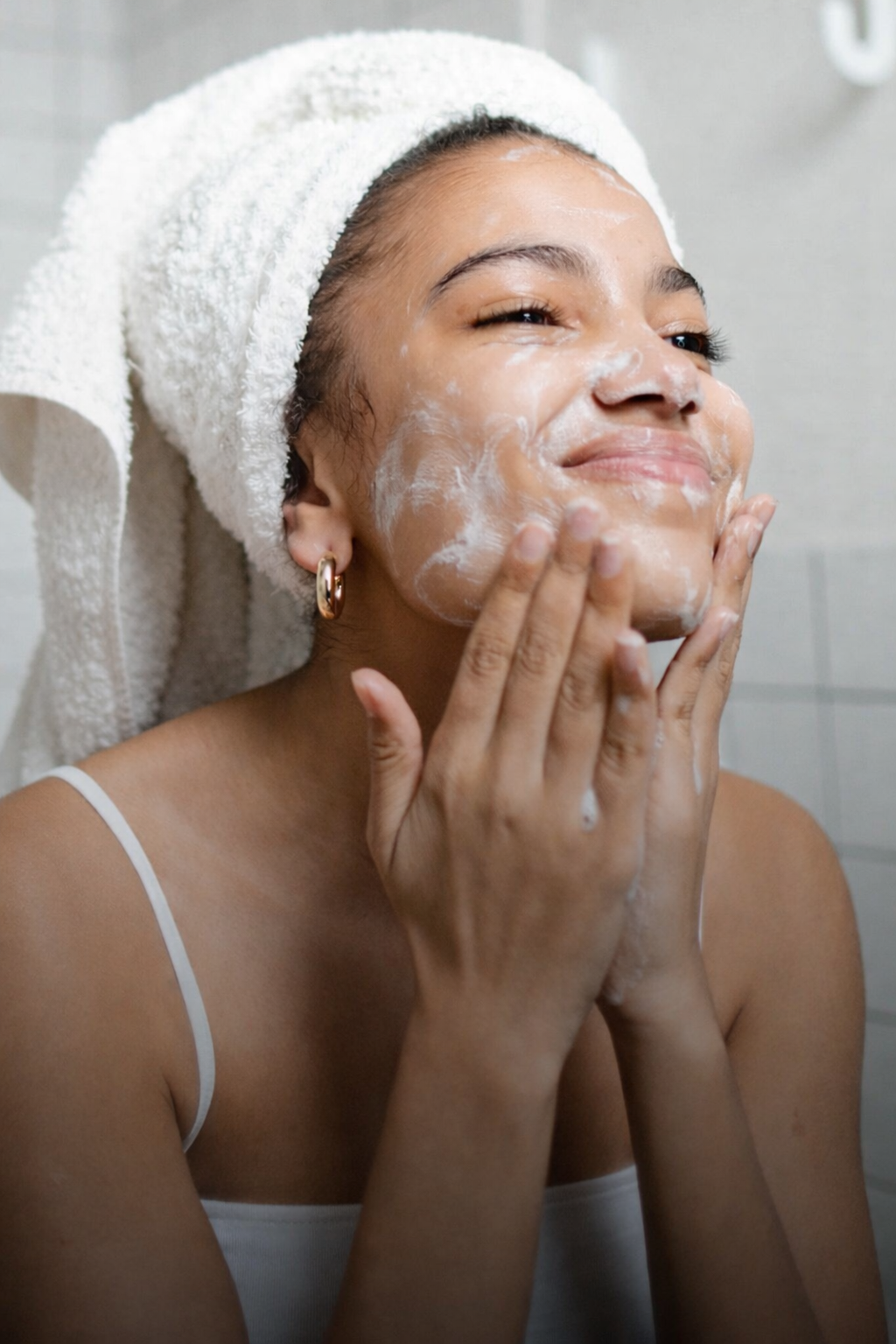
Cold air, central heating, over-exfoliation, retinol overload, modern skincare routines can quietly push the skin past its limits. The result? Tightness, stinging, redness and a complexion that suddenly reacts to everything.
If your moisturiser burns or your skin feels both dry and oily at the same time, chances are your skin barrier needs repairing, fast.
Here’s exactly how to fix it.
What Is the Skin Barrier?
Your skin barrier refers to the outermost layer of the epidermis, often described as a “brick and mortar” structure. Skin cells are the bricks; lipids, including ceramides, cholesterol and fatty acids, act as the mortar.
Its job is simple but critical: prevent water loss, protect against irritants and pollution, defend against bacteria, and maintain hydration balance.
When this barrier is compromised, moisture evaporates and irritants slip through more easily — leading to inflammation, sensitivity and dehydration. The skin’s natural pH can shift, making it harder for beneficial bacteria to thrive and easier for harmful microbes to take hold. Everything from pollution particles to harsh tap water can penetrate deeper than they should, triggering a cascade of irritation that leaves skin feeling raw and reactive.
Signs Your Skin Barrier Is Damaged
If you’re unsure whether this is just dryness or something deeper, look for these common signs:
- Burning or stinging when applying skincare
- Skin that stays tight after cleansing
- Redness or blotchiness
- Flaking that doesn’t improve with moisturiser
- Sudden breakouts despite dry skin
- Increased sensitivity to products you normally tolerate
A damaged barrier often feels paradoxical — both dry and reactive. You might notice your skin becoming oilier in certain areas as it overcompensates for moisture loss, or developing rough patches that no amount of exfoliation seems to smooth. Products that once felt comfortable now sting on contact, and your complexion looks dull rather than dewy. These signs can appear gradually or seemingly overnight, especially after introducing a new active ingredient or during seasonal transitions.
“Dry skin and a damaged skin barrier are often confused, but they’re not the same thing,” explains Anastasia Koles, Advanced Aesthetic Nurse and Founder of ALTA Clinic.
“Dry skin usually just means the skin is lacking oil. A damaged barrier, on the other hand, means the skin’s outer protective layer isn’t doing its job properly. When the barrier is compromised, the skin tends to react rather than just feel dry – you might notice ongoing redness, stinging when you apply products, increased sensitivity, or breakouts and flaking that don’t improve with a basic moisturiser. It’s less about tightness and more about unpredictable, reactive skin.”
What Causes Skin Barrier Damage?
Barrier disruption doesn’t happen overnight. It’s usually cumulative, triggered by over-exfoliation with AHAs, BHAs or scrubs, layering multiple active ingredients at once, or overly using retinol. Environmental factors play a role too: cold weather and wind exposure strip moisture, while central heating accelerates water loss indoors. Harsh or foaming cleansers can weaken the barrier further, as can post-procedure sensitivity following treatments like laser, microneedling or chemical peels.
In winter especially, low humidity levels accelerate transepidermal water loss. meaning even “normal” skin can struggle.
How to Fix a Damaged Skin Barrier Fast
The key is not adding more, it’s subtracting.
1. Stop All Actives Immediately
Pause retinol, AHAs and BHAs, vitamin C, benzoyl peroxide, and strong exfoliating toners. This isn’t forever, but your skin needs a reset.
Think of it as giving your skin a holiday from performance pressure. Every active ingredient requires your skin to work harder, turning over cells faster, processing antioxidants, managing increased sensitivity. When the barrier is compromised, this workload becomes impossible to sustain. Even gentle exfoliants or low-percentage acids can cause further damage when skin is already vulnerable. The flaking and texture you’re seeing isn’t a sign you need more exfoliation, it’s a signal that your skin is trying to repair itself and needs you to step back.
“One of the biggest misconceptions is that once your barrier is damaged, you need to stop using all active ingredients forever,” notes Dr Shagoon Modi, Aesthetic Doctor at Orskin Aesthetics Clinic.
In most cases, the issue isn’t the ingredients themselves – it’s using too many, too often, or layering them incorrectly. Barrier repair is usually about simplifying your routine and giving your skin space to recover, rather than abandoning effective skincare altogether.”
2. Simplify Your Routine to Three Steps
For now, your routine should look like this:
Morning
- Gentle cleanser (or just lukewarm water)
- Barrier-repair moisturiser
- Broad-spectrum SPF
Evening
- Gentle cleanser
- Barrier-repair cream or balm
- No serums. No exfoliants. No experimentation.
This minimalist approach might feel counterintuitive, especially if you’re used to a multi-step routine with targeted serums for every concern. But when your barrier is compromised, less truly is more. Each additional product is another potential irritant, another ingredient your skin has to process when it should be focusing solely on repair. SPF remains non-negotiable even during recovery; UV exposure will only slow healing and cause additional inflammation. If your skin feels too sensitive for traditional sunscreen, look for mineral formulas with zinc oxide or titanium dioxide, which sit on the surface rather than being absorbed.
3. Focus on Barrier-Repair Ingredients
Look for formulas containing ceramides to replenish lipids, cholesterol and fatty acids to restore the “mortar,” and panthenol (Vitamin B5) to soothe irritation. Cica (Centella Asiatica) reduces inflammation, while glycerin draws in hydration and squalane supports moisture retention. Avoid heavily fragranced products or high alcohol content.
These ingredients work by mimicking the skin’s natural structure rather than forcing it to behave differently. Ceramides, cholesterol and fatty acids are already present in healthy skin barriers, when yours is damaged, you’re simply replenishing what’s been depleted. Panthenol converts to pantothenic acid in the skin, accelerating healing and reducing inflammation without the irritation risk of active ingredients. Cica has been used in traditional medicine for wound healing and brings those same calming properties to compromised skin. The goal is reconstruction, not stimulation.
“True barrier repair isn’t just about calming redness, it’s about fixing the foundation of your skin,” explains Dr Modi. “The outer layer of the skin relies on natural fats, including ceramides, cholesterol and fatty acids, to keep it strong and protected. When those become depleted – often from over-exfoliating or overusing actives – moisture escapes more easily and the skin becomes sensitive and reactive. Using products that replace these essential lipids helps rebuild strength and resilience, not just mask the symptoms. Ingredients like niacinamide can help your skin produce more of its own ceramides, while panthenol and centella asiatica calm irritation as it heals. It’s important to know the difference between products that simply soothe and those that genuinely repair.”
Step 1: Gentle, Non-Stripping Cleansers
Start with a cleanser that removes impurities without causing further damage. When your barrier is compromised, even the mildest foaming formula can strip away what little protection remains.
We love:
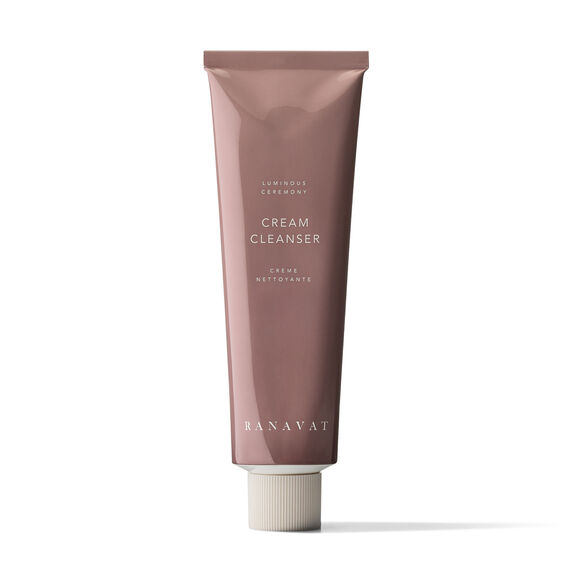
Ranavat Luminous Ceremony Cream Cleanser
A sensorial cream-to-milk formula that removes impurities without disrupting hydration. Comforting, nourishing and ideal when skin feels fragile. Best for dry, winter-stressed skin craving comfort.
Where to buy: spacenk.com – £45 / 100ml
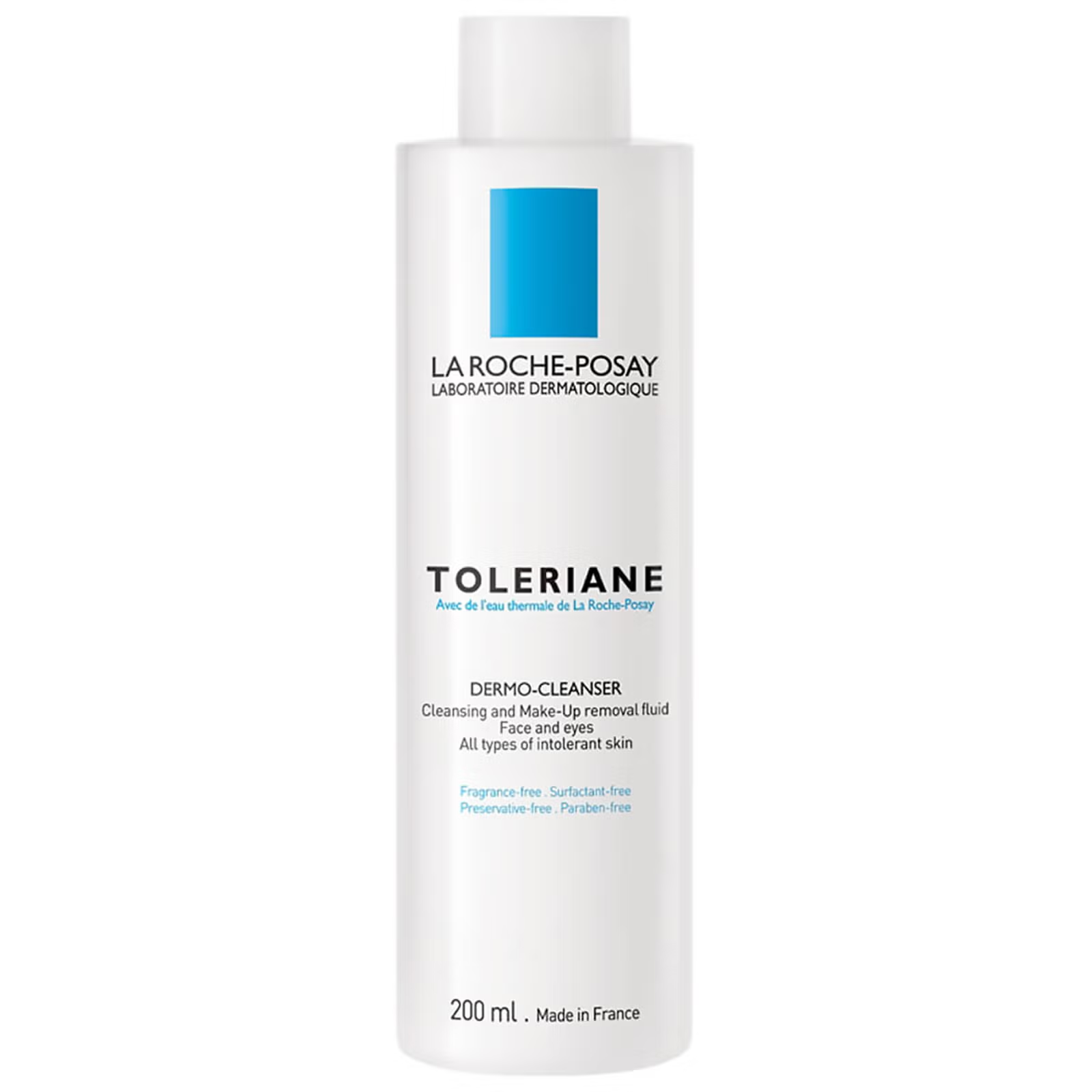
La Roche-Posay Toleriane Dermo-Cleanser
Minimal, fragrance-free and dermatologically trusted. When everything stings, this is the reset. Best for reactive, over-treated skin
Where to buy: lookfantastic.com – £16.50 / 200ml
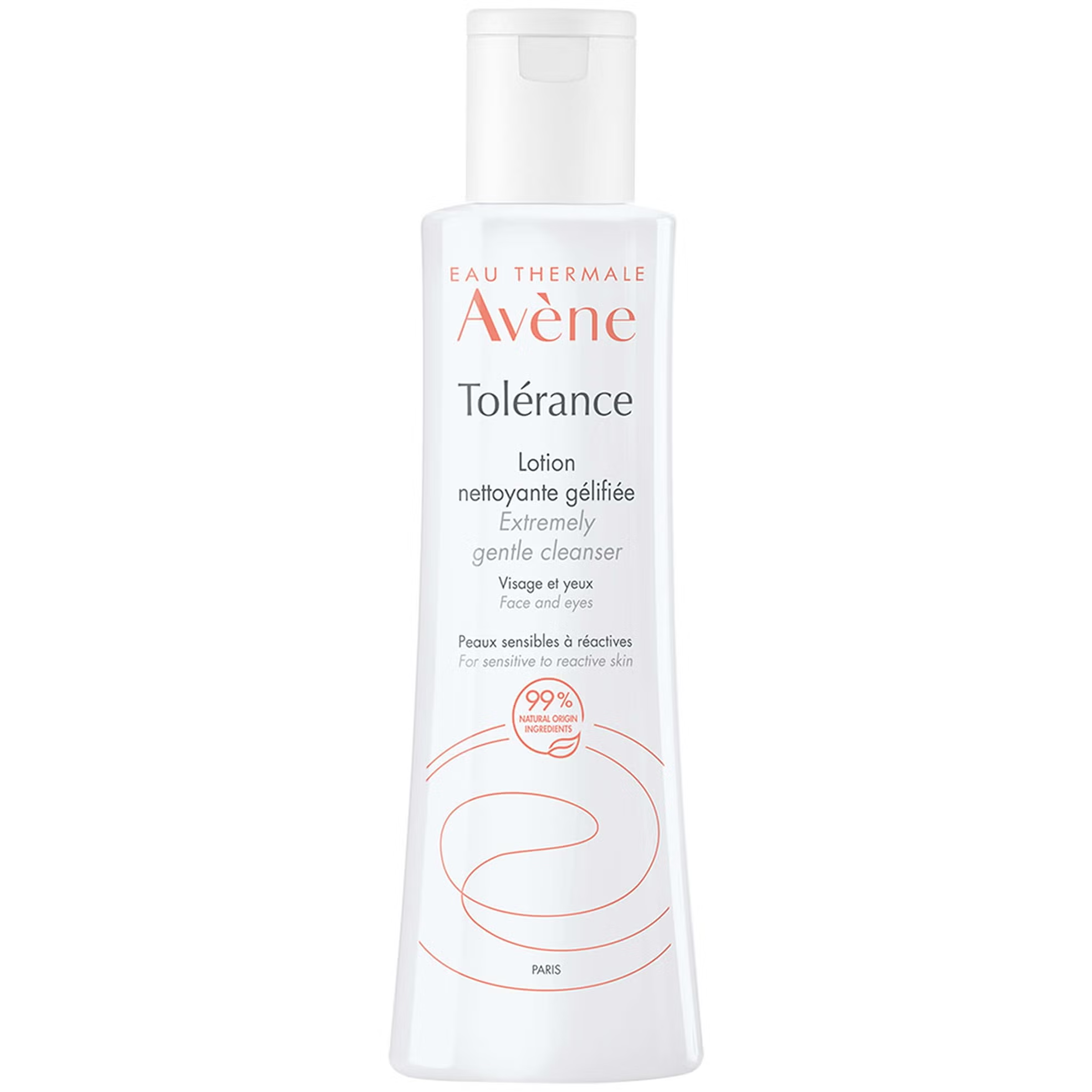
Avène Extremely Gentle Cleanser Lotion
Milk-textured and soothing with thermal spring water to calm visible redness. Best for sensitised, redness-prone skin.
Where to buy: cultbeauty.co.uk – £16 / 200ml
Step 2: Barrier Support Serums
Once cleansing no longer feels uncomfortable, introduce targeted support. The right serum can accelerate repair without overwhelming already sensitised skin
We love:
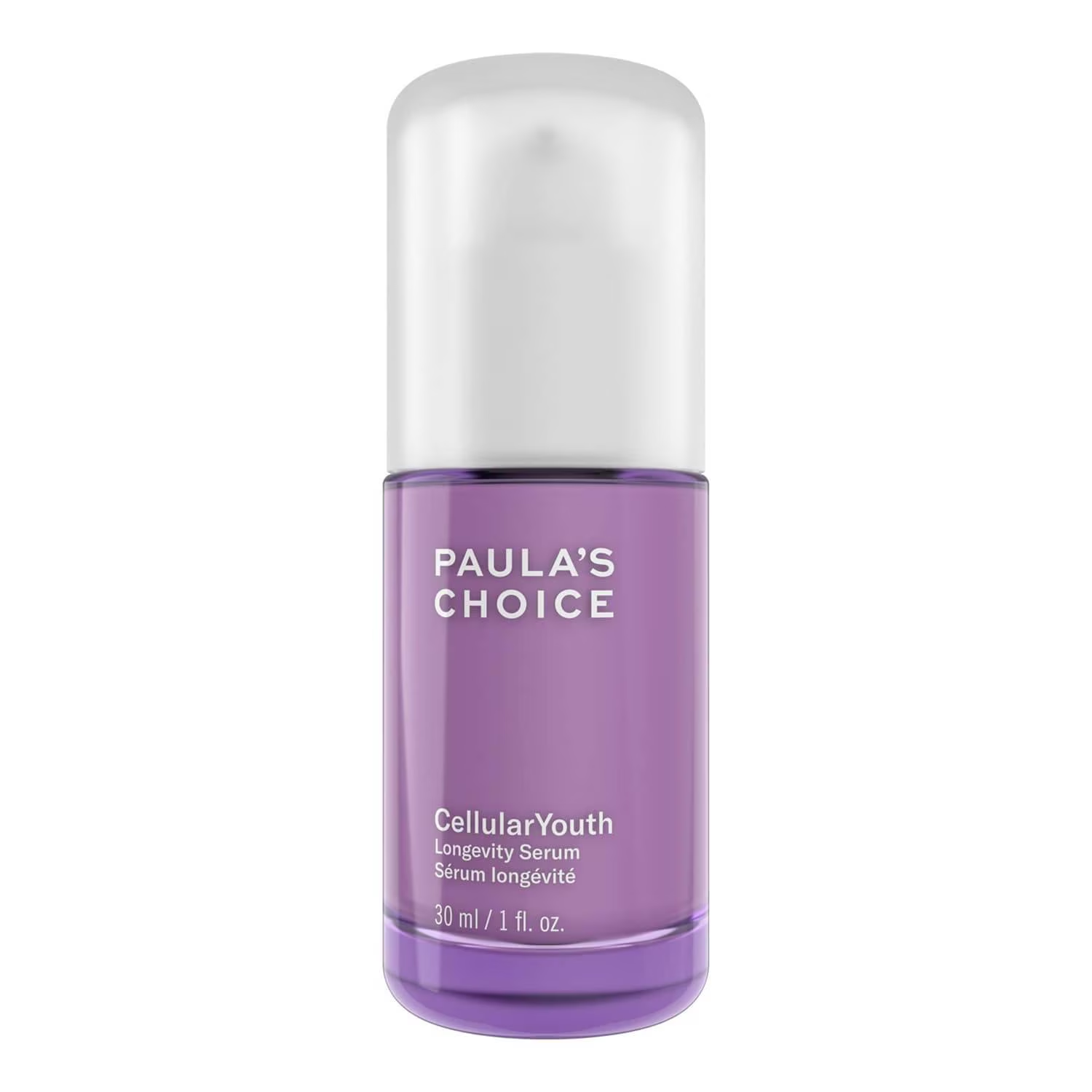
Paula’s Choice CellularYouth Age-Disrupting Longevity Serum
Peptides and resilience-supporting ingredients help strengthen skin structure while improving texture. Ideal once acute irritation settles. Best for compromised skin needing anti-ageing support too.
Where to buy: sephora.co.uk – 65 / 200ml
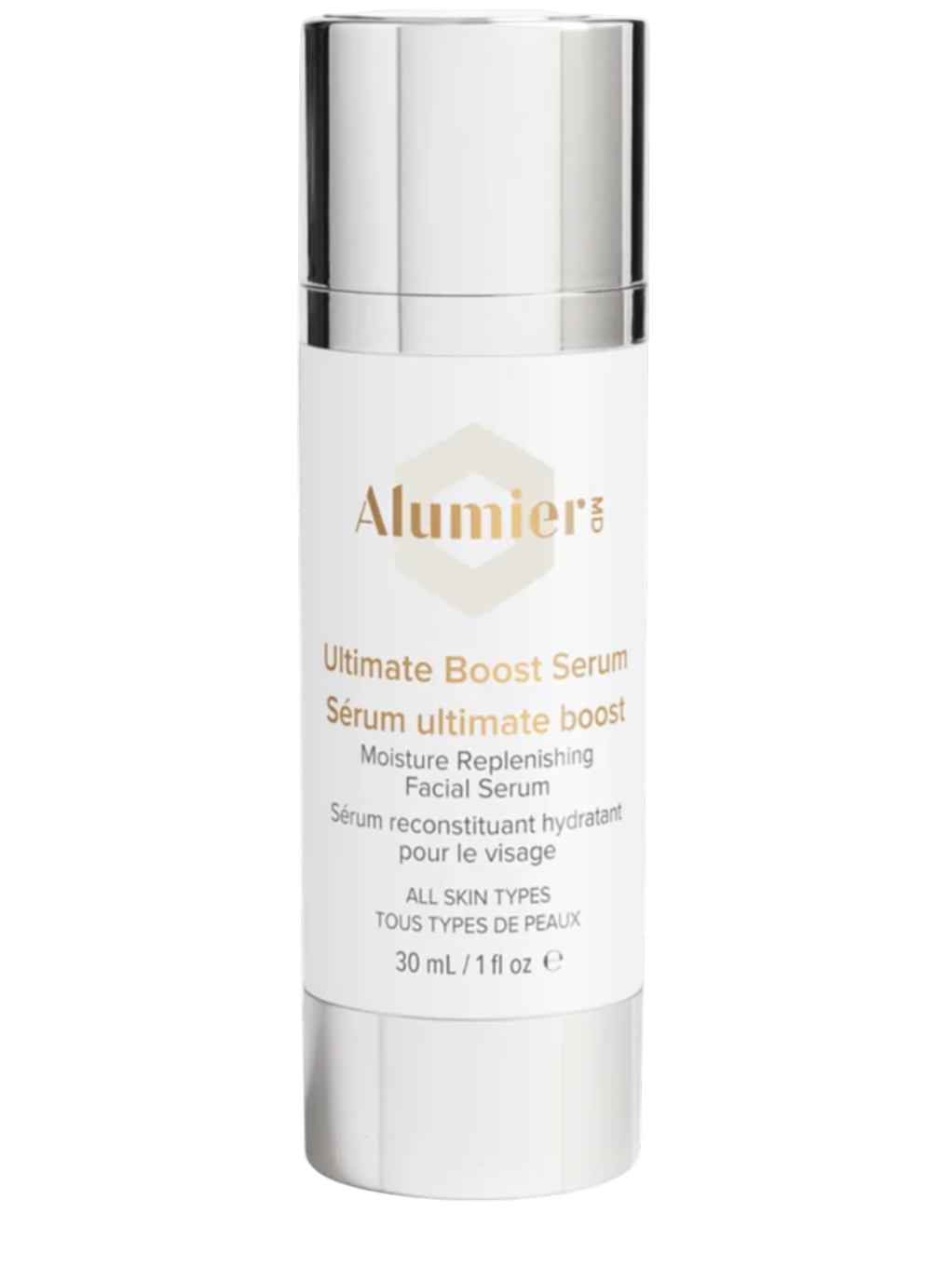
AlumierMD Ultimate Boost Serum
Combines niacinamide and multi-weight hyaluronic acid to restore hydration while supporting the hydrolipid barrier. Best for dehydrated, over-exfoliated skin.
Where to buy: uk.alumiermd.com – £88 / 30ml
Step 3: Repair Creams That Rebuild
Your moisturiser becomes the workhorse of barrier repair. This is where you invest in formulas that genuinely restore structure rather than just sit on the surface.
We love:
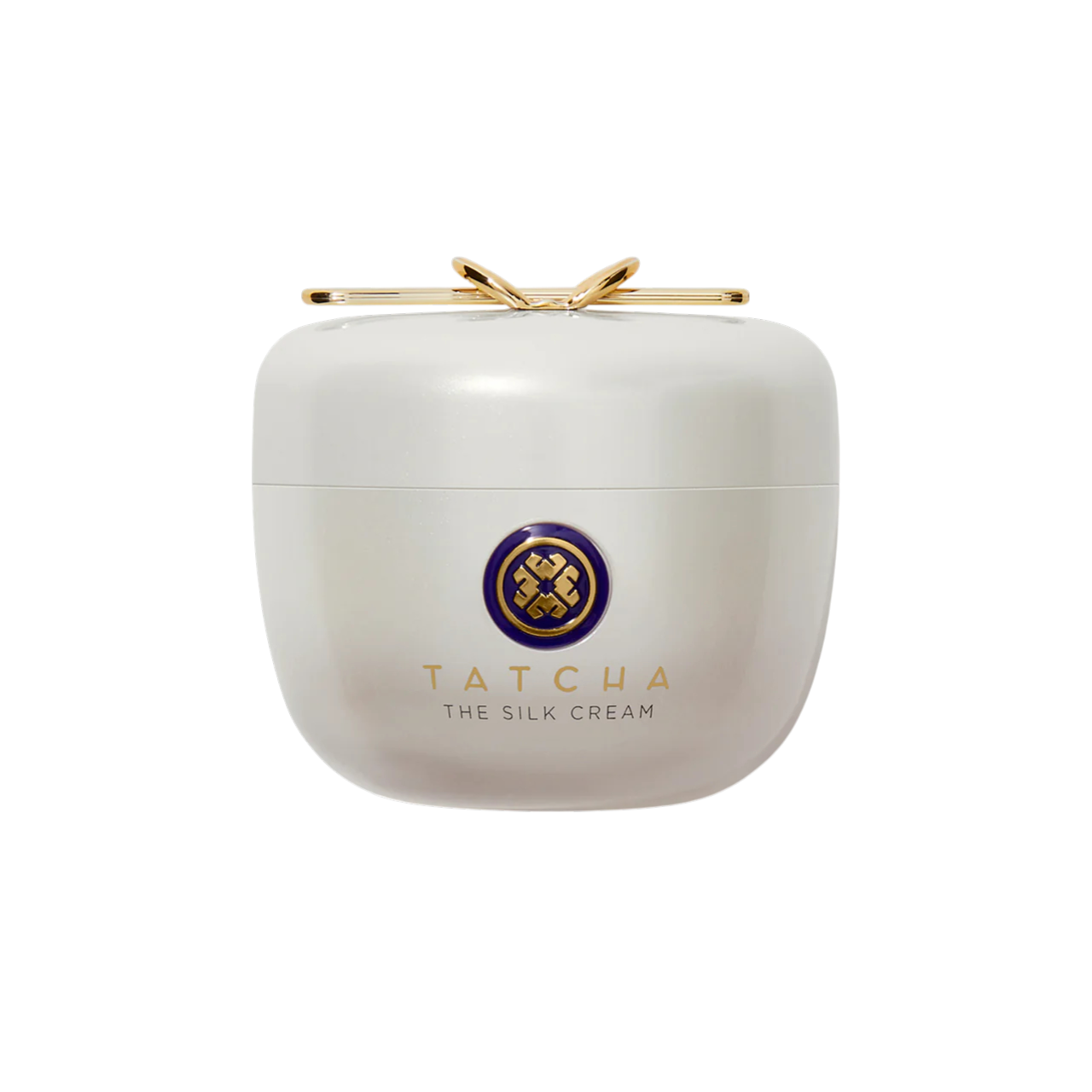
Tatcha The Silk Cream
Velvety, elegant and deeply hydrating. Restores suppleness while supporting resilience. Best for dry skin that still wants a refined finish.
Where to buy: tatcha.co.uk – £123 / 50ml
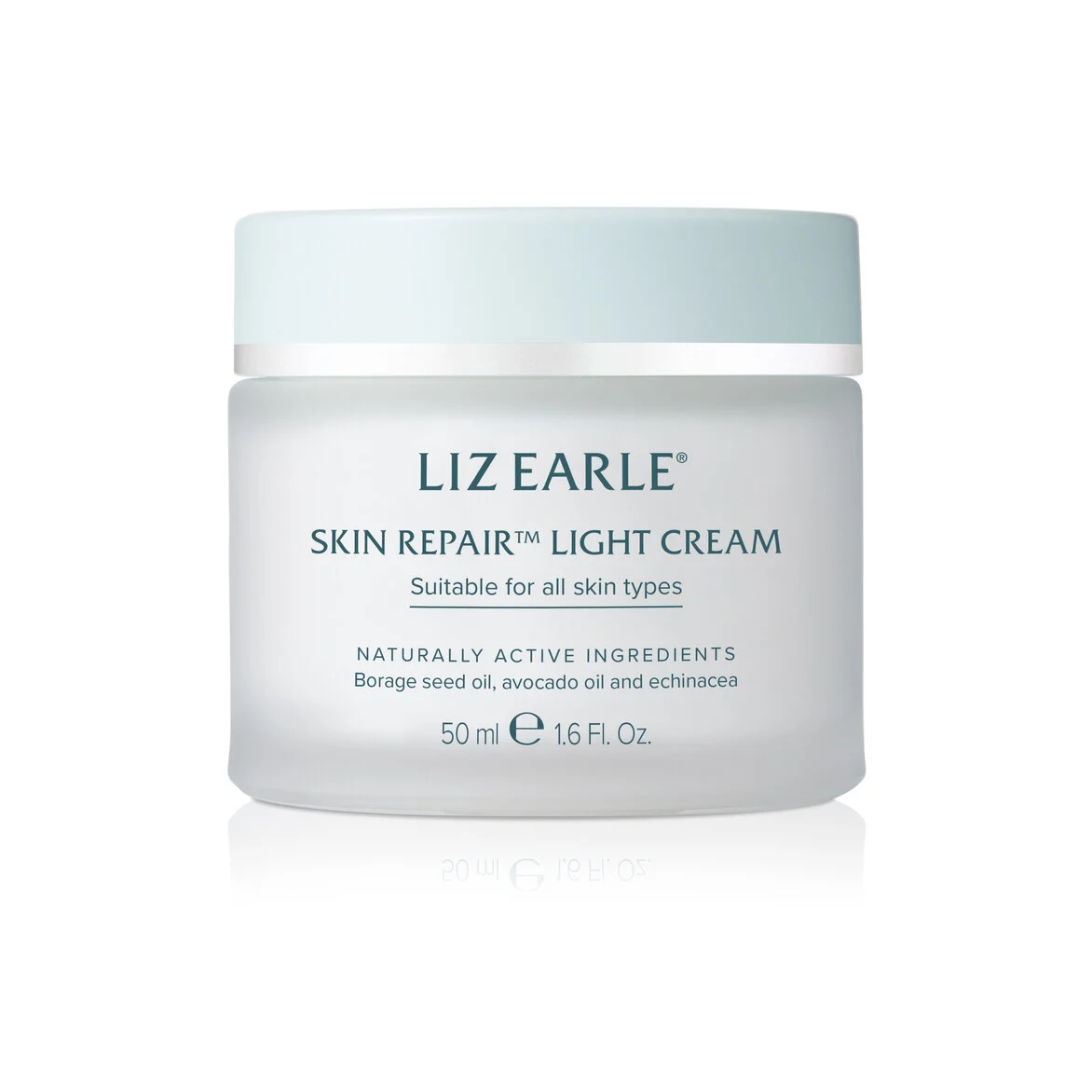
Liz Earle Skin Repair Light Cream
Lightweight but comforting, enriched with soothing botanicals. Best for combination or mildly sensitised skin.
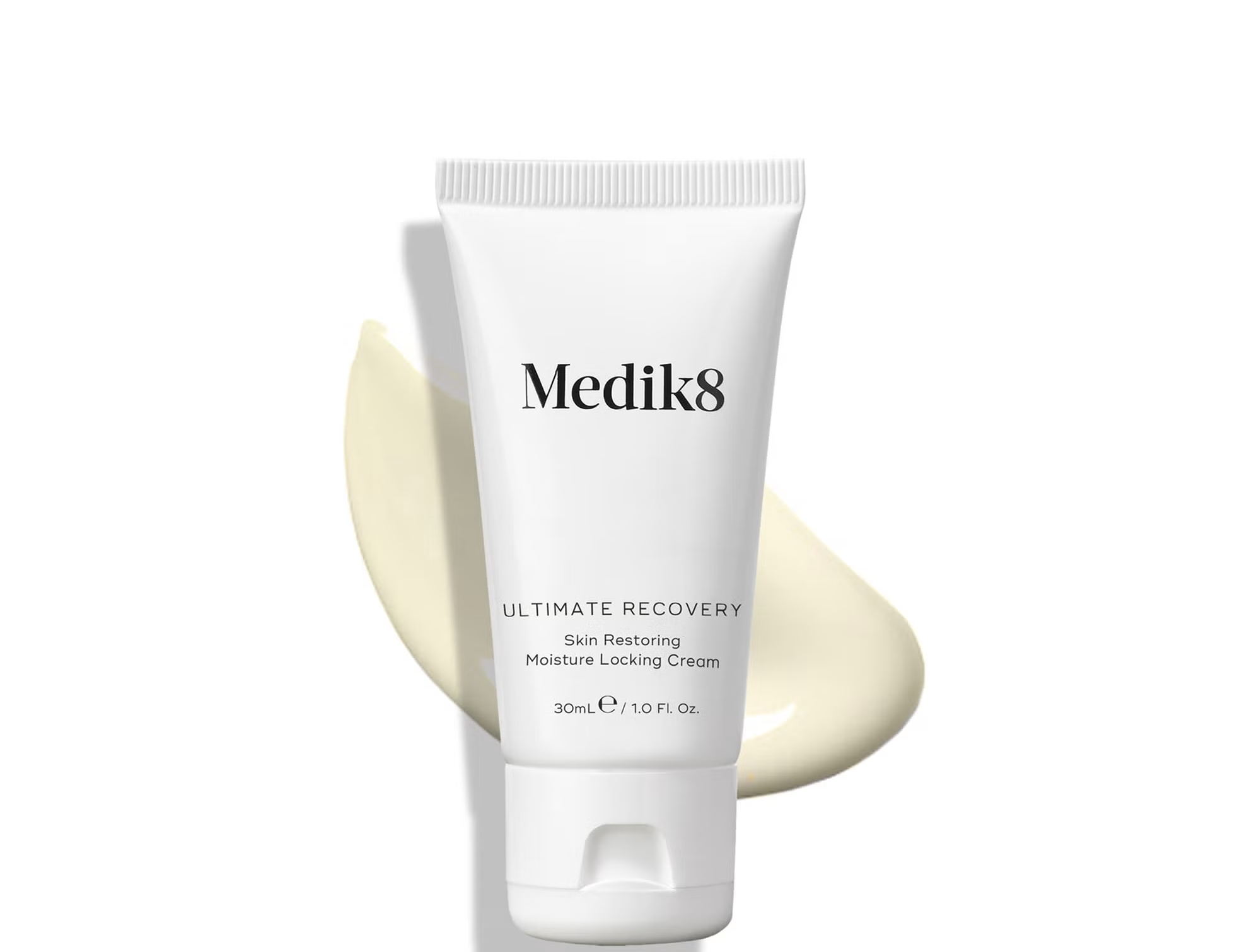
Medik8 Ultimate Recovery Cream
Post-procedure friendly and deeply calming — excellent after retinol or in-clinic treatments. Best for inflamed, fragile skin.
Where to buy: medik8.com – £38 / 30ml
Step 4: Occlusive Support (Seal & Protect)
If your skin feels painfully tight by morning, seal everything in with an occlusive layer. These aren’t everyday essentials, but when barrier damage is severe, they prevent overnight water loss. Occlusives work by creating a physical barrier on the skin’s surface, trapping moisture underneath and preventing transepidermal water loss while you sleep. This is particularly effective because nighttime is when skin naturally loses the most moisture.
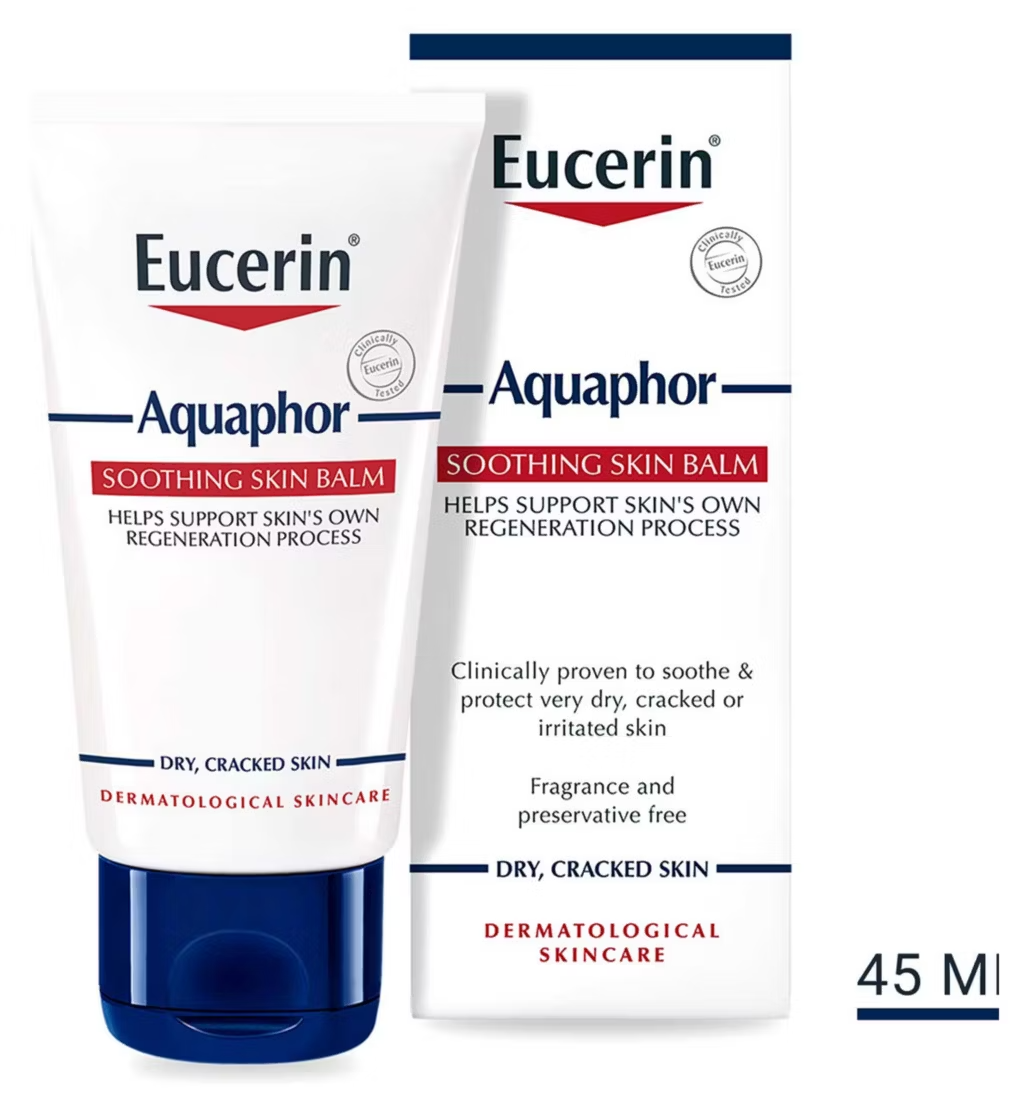
Aquaphor Healing Ointment
Classic occlusive protection to prevent overnight water loss. Best for severely compromised patches.
Where to buy: boots.com – £11 / 45ml
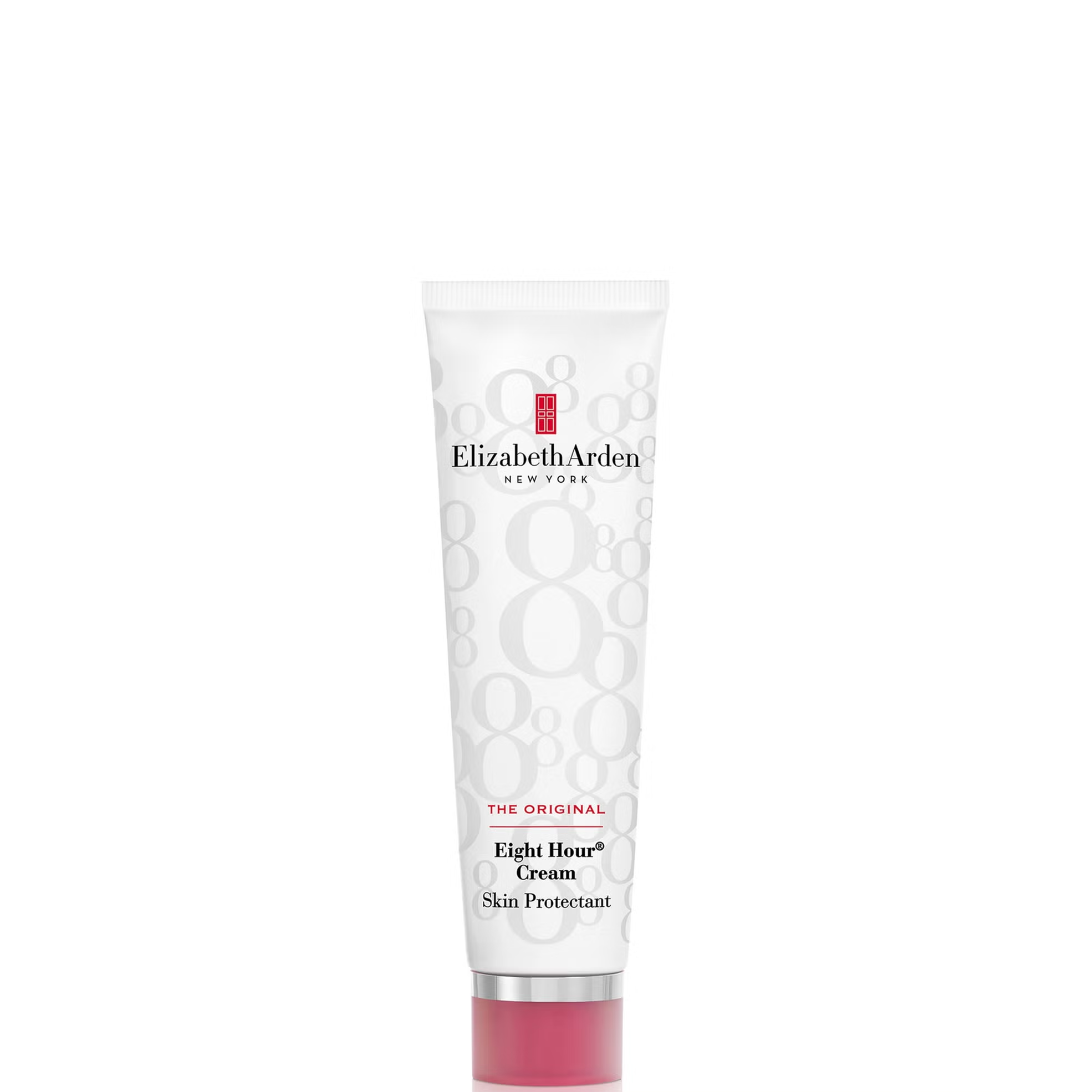
Elizabeth Arden Eight Hour Cream
cult classic for cracked areas and barrier breakdown. Best for lips, corners of nose, flaking zones. Use these sparingly; a thin layer at night is enough to lock in moisture without overwhelming already sensitised skin.
Where to buy: elizabetharden.co.uk – £31 / 50ml
How Long Does It Take for the Skin Barrier to Heal?
This depends on severity. Mild irritation typically resolves within 7–14 days, while moderate barrier damage takes 3–4 weeks. Severe over-exfoliation or post-treatment sensitivity can require 6+ weeks of consistent care.
Consistency is more important than speed. Introducing actives too soon will reset the clock. You’ll know your barrier is healing when products stop stinging, redness begins to fade, and your skin can tolerate a full cleanse without feeling tight afterward. The flaking will improve gradually, not overnigh, and texture will become smoother as the lipid layer rebuilds.
What Not to Do When Your Barrier Is Compromised
Resist the urge to exfoliate away flaking, it only makes things worse. Don’t introduce new “repair” serums daily or use hot water when cleansing. Face oils alone won’t rebuild the barrier (they seal, but don’t restore structure), and breakouts don’t automatically mean you need more actives. Barrier repair is about rebuilding structure , not drying things out.
Hot water feels soothing in the moment but strips away natural oils your skin desperately needs right now. Stick to lukewarm water even when it’s freezing outside. If you’re experiencing breakouts during barrier repair, it’s likely congestion from richer creams or your skin purging as it rebalances, not a sign you need salicylic acid or benzoyl peroxide. The breakouts will resolve once your barrier is restored and your skin’s natural balance returns.
When Can You Use Retinol Again After Barrier Repair?
Retinol can be reintroduced once skin no longer stings, redness has subsided, and texture feels smooth rather than flaky. When you restart, use it once weekly, over moisturiser (“sandwich method”), and increase gradually.
The sandwich method means applying moisturiser first, waiting a few minutes for it to absorb, applying a pea-sized amount of retinol, then sealing with another layer of moisturiser. This buffers the retinol’s intensity while still delivering benefits. Stay at once weekly for at least two weeks before increasing to twice weekly, then three times weekly over the course of several months. If you experience any stinging or increased sensitivity, drop back to your previous frequency. Remember: retinol is a marathon, not a sprint. Slow, consistent use will always outperform aggressive application that leads to barrier damage and forces you back to square one.
“When your skin no longer stings, feels less red and looks properly hydrated again, you can slowly reintroduce actives,” advises Dr Modi. “Start with one product once or twice a week and increase gradually, paying attention to how your skin responds. Rushing the process often sets you back.”
When to See a Dermatologist
If you experience persistent burning, weeping or cracked skin, eczema like patches, or severe inflammation, it’s worth consulting a professional. Sometimes what appears to be barrier damage may be contact dermatitis or an allergic reaction.
Weeping skin is never normal and requires medical assessment. Similarly, if you’ve followed a simplified routine for 4–6 weeks with no improvement, professional intervention can help identify whether you’re dealing with conditions like perioral dermatitis, rosacea, or seborrhoeic dermatitis, all of which can mimic barrier damage but require specific treatment. A dermatologist can also prescribe gentle prescription options if your barrier damage is severe enough to warrant medical-grade intervention.
“If your skin continues to burn, swell, peel excessively or shows signs of infection despite a simplified routine, it’s time to seek professional advice,” says Dr Modi. “Conditions like rosacea, eczema or perioral dermatitis can look like barrier damage, and treating them incorrectly at home can make things worse.”
The Bottom Line
Once your skin barrier is healthy again, everything works better: hydration lasts longer, actives become more effective, and sensitivity reduces dramatically. You’ll notice makeup sits better, your complexion looks more even, and products you once couldn’t tolerate become enjoyable again.
Sometimes, the most sophisticated skincare strategy is knowing when to step back.