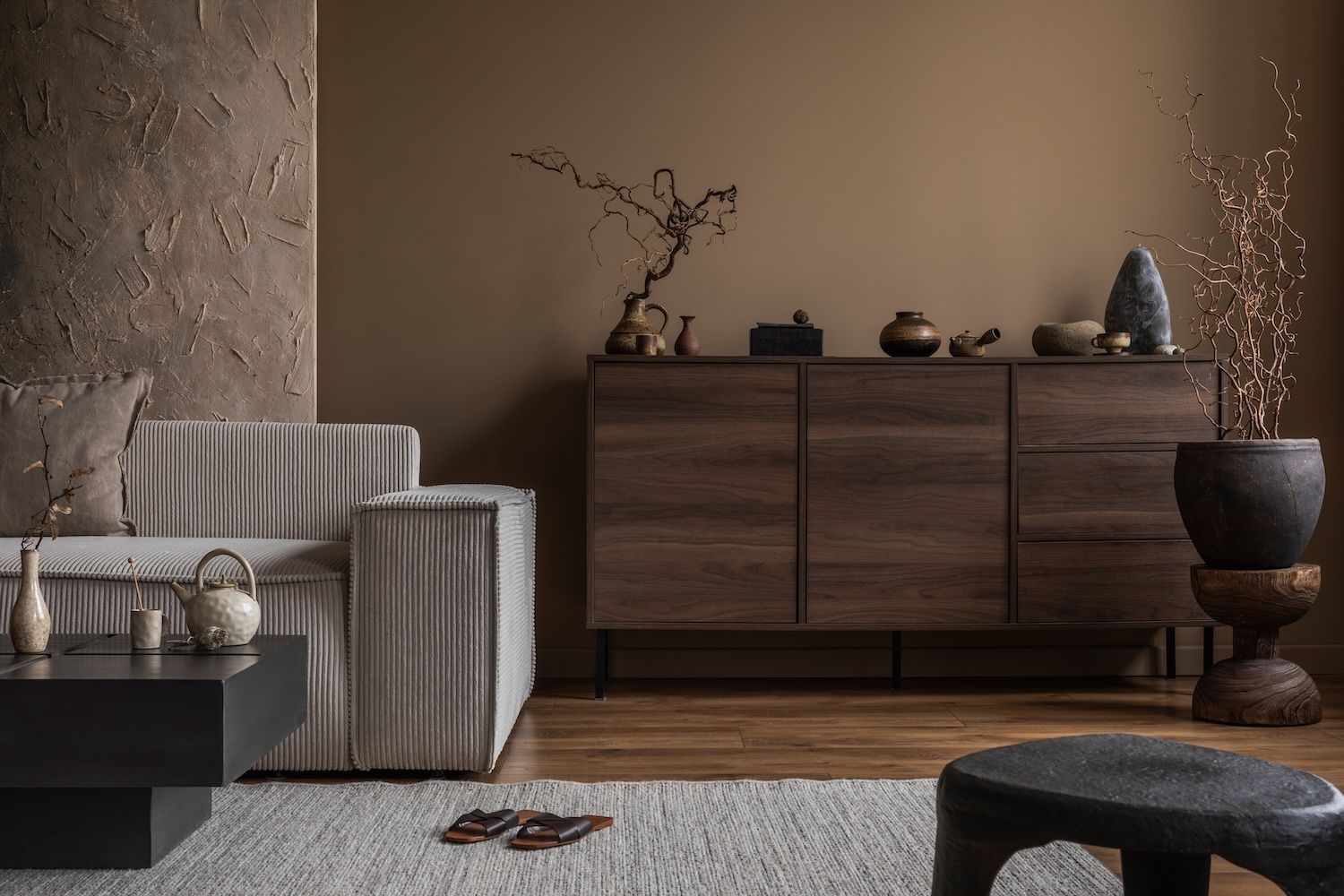
Interiors are no longer treated as static displays or short-term trends, but as personal environments that reflect values, routines, and identity. In this context, high-end home furniture has moved beyond decoration to become a marker of how people choose to live, slow down, and invest in their everyday surroundings.
As lifestyles grow more fluid and home spaces take on multiple roles—work, rest, hosting, and retreat—the appeal of thoughtfully made pieces has grown. Rather than cycling through fast décor, many homeowners are turning toward intentional choices such as Serena & Lily high-end home furniture to create interiors that feel personal, grounded, and enduring. This shift places emotional and cultural meaning ahead of novelty, allowing furniture to express lifestyle rather than simply follow fashion.
When Furniture Becomes Part of Daily Ritual
Furniture is an unobtrusive presence that shapes everyday life. Chairs set the stage for meaningful conversation, tables serve as a hub for intimate gathering, and sofas provide a sanctuary for rest and quiet contemplation. When chosen with intention, each piece has a subtle influence on mood, ease and the pace of living. They determine the beginning of our day, the close of an evening, and the atmosphere we cultivate over time.
Well beyond its use as an instrument, furniture plays a role in how we uphold sacred ritual. We draw our bodies into the same chair each morning, finishing a cup of coffee, and sit at our tables, setting a meal with friends or family. As we return to these habits day after day, the objects we convene become an anchoring presence. A quiet force connecting us to our past, present, and future, that makes even mundane practices feel resolute and steady, and a house feel like home.
Furniture produces meaning, creating an invitation to participate in routine. We want to use beautiful, thoughtfully made objects without reservation. We want our furniture to share a story with us—our story. As it weathers the inevitable cycle of time, it celebrates meaningful moments and anchors experiences. This is in stark contrast to furniture that feels like idle decoration, consuming space between more intentional moments. As houses evolve into homes in the truest, long-term sense, people are choosing to surround their lives with purposeful, enduring pieces.
Craft, Materials, And The Value Of Longevity
The thing about something decent is the way it’s made; the underlying materials; the processes used. The formulas, be they for wood, upholstery, or finishes, define performance, over however many years. It’s not so much about the money spent, though cost does factor.
There is an emotional richness to time. Furniture that spices that duration, that can be seen and relied upon for a certain period of time, becomes a different kind of asset. In contrast to trend-driven consumption, this approach favours fewer, better pieces that evolve naturally within a space. Over time, such furniture supports a calmer relationship with the home—one built on stability rather than constant replacement.
The Influence Of Coastal Calm And Modern Elegance
Certain tenets of design have become popular because they offer an opportunity to create spaces that are both cozy and elegant. When put into practice that often means drawing in natural light, natural materials and using a restrained color palette to create a sense of tranquility that has perhaps become even more important to people with the hustle and bustle of modern society. This push and pull between relaxed and refined is one that allies spaces to be open without seeming sparse.
Brands like Serena & Lily are a great example of this aesthetic that seems to dissect the space where the coast and minimalism collide. Rein in rather than ramp up – these living areas aren’t about displaying excess, but rather implied purpose. They encourage deep breaths and the desire to sit for a spell. This subtle engagement is developed by furniture that enhances rather than overshadows, providing a solid foundation that is central to the comforts of a quietly stylish lifestyle.
Creating Homes That Feel Lived In, Not Styled
“Picture-perfect” homes often appear lifeless, as though they are put together to be admired, not lived in. Alternatively, homes that exist as shared creative space or display rooms are usually filled with sterile, uninspired surroundings. Homes that originate and function as a host place for everyday living in real life are generally warm, inviting, always evolving and growing organically. This is where it’s the furniture that offers the quiet taste and luxury qualities without being too stiff, cold and overly polished.
Top-notch furniture often has the wonderful quality of aging gracefully to become even more beautiful than they ever were. Warmer, softer fabrics, wear-and-tear, natural character of the materials are actually indicators of life, not imperfection. When furniture is looked at as an instrument for us to use and not just set pieces to admire, spaces become more human, more alive and always ready for activities.
This lived-in quality fosters connection. Guests feel welcomed rather than cautious, and homeowners feel free to inhabit their spaces fully. The result is an environment that reflects real life, not an idealised version of it.
High-End Furniture in a Changing Design Culture
Design culture has pivoted from fast buying to slow buying. It’s just one part of a broader discourse on sustainability, consumption, and ethics. Opting for well-built furniture contributes to this mindset, cutting down on waste and inviting more conscientious ownership.
In that context, high-end home furniture is both a material and symbolic choice. It’s a declaration in favour of substance over superficiality — of buying because you mean it, not just because you can. Increasingly, this resonates with how people view their home as a space of meaning rather than fashion.
In addition, there’s a return to the merits of neutrality. Not neutrality as in boringness but as in equilibrium. Furniture that’s built to last often serves a foundation. That steadiness means a homeowner’s space can slowly change in line with them — an extension of their own growth and journey.
Conclusion
Today, high-end home furniture is not only about status, but a matter of lifestyle. How a person wants to feel at home and how a person wants to navigate his or her environment. By choosing craftmanship, comfort and quality over high consumption, homeowners create their very own rhythm and value in the living environment.
In this sense, furniture becomes an investment in atmosphere and experience. It doesn’t merely represent how a space looks, but more how a space lives. It’s the supporting aid for an intentional, easy and connected way of living.