There are certain TV shows that feel woven into British DNA, and Yes Minister is one of them. Along with its sequel Yes, Prime Minister, it gave us the gloriously slippery Sir Humphrey Appleby and the permanently outmanoeuvred Jim Hacker, a politician who somehow kept rising despite never quite being in control of anything. It was clever, biting, terrifyingly accurate satire. And now, decades later, they’re back again.
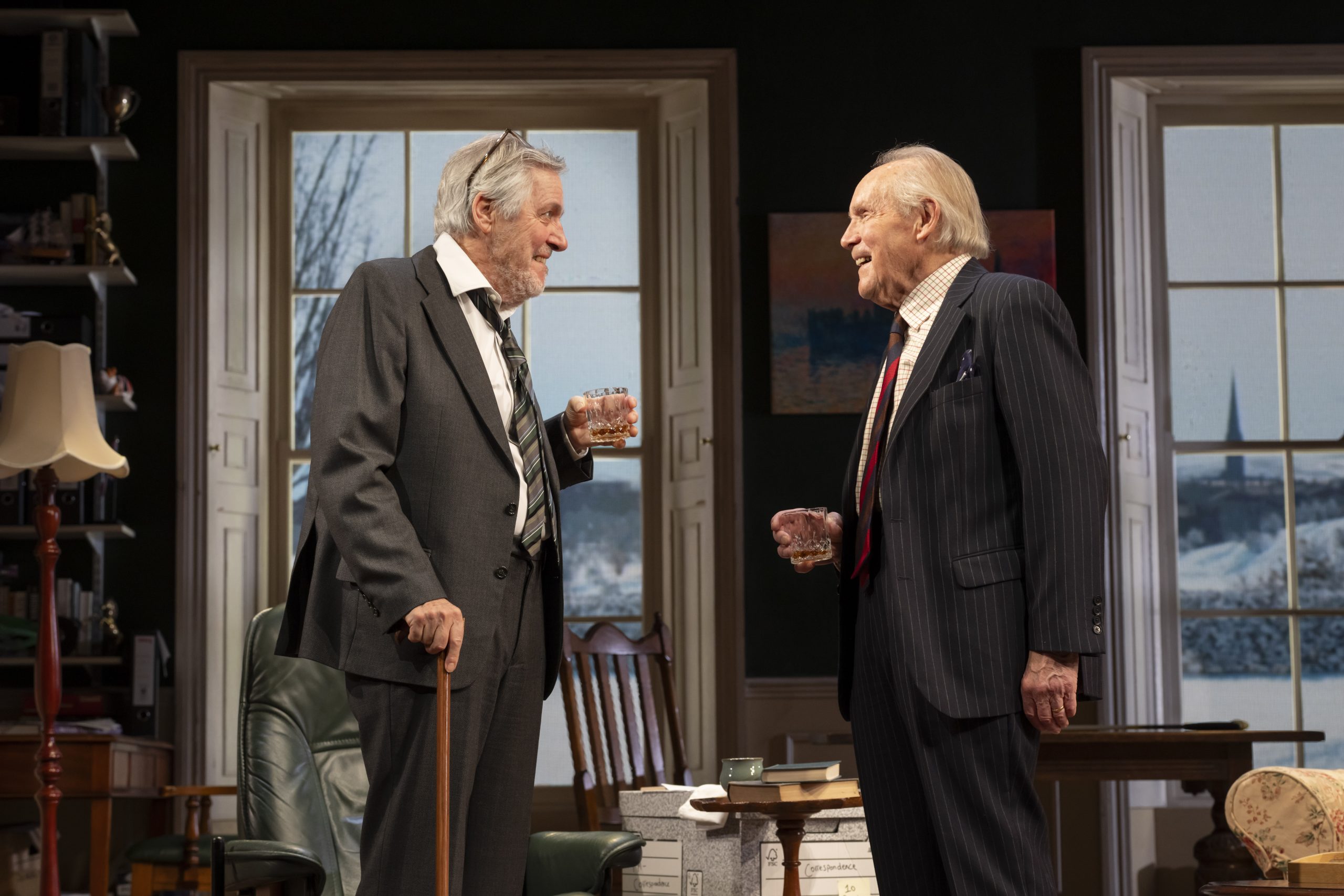
I’m Sorry, Prime Minister brings Jim Hacker into his eighties. He’s no longer running the country, thankfully for Britain, but instead installed as Master of an Oxford college, clinging to relevance while the world shifts around him. Of course, where Hacker goes, Sir Humphrey is never far behind. Jonathan Lynn, co-creator of the original series, returns to steer this final chapter, with Griff Rhys Jones stepping into Hacker’s shoes and Clive Francis as the ever-eloquent, ever-evasive Sir Humphrey. Alongside them, Stephanie Levi-John and William Chubb complete the small cast, giving this political double act one last outing on stage.
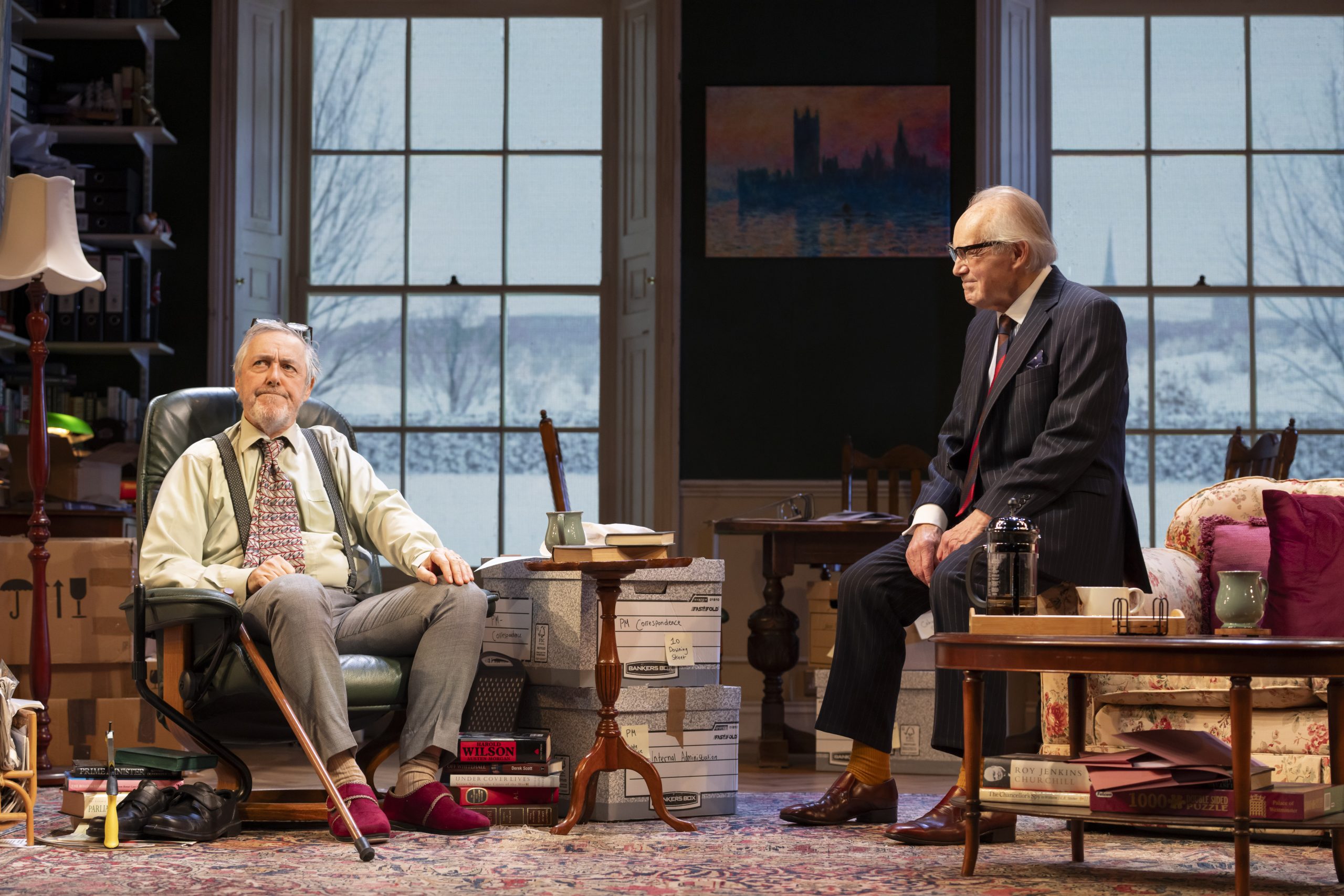
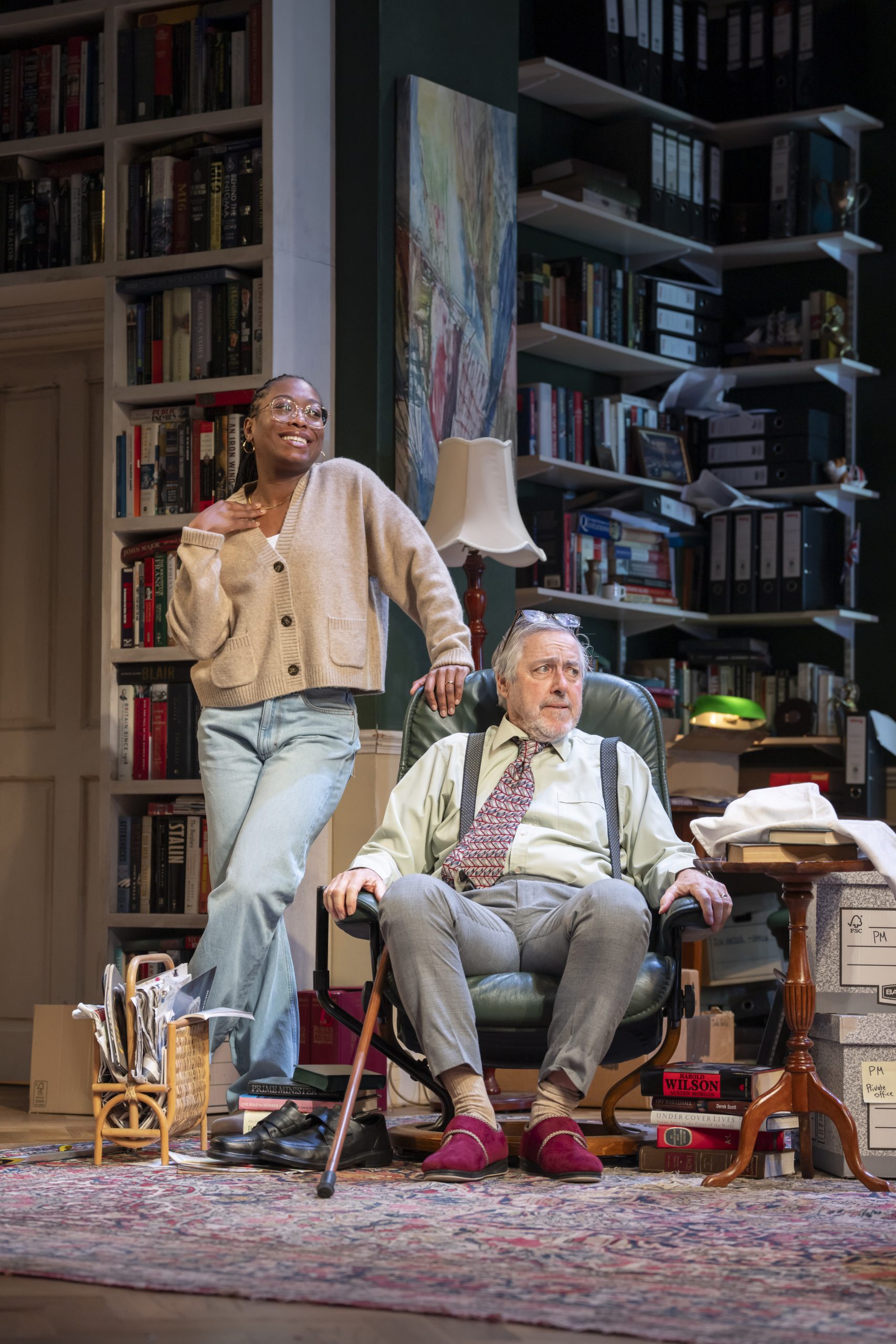
The action takes place entirely inside Hacker’s Oxford residence – a large, slightly faded living space that feels both grand and neglected. Files line the walls. Papers spill from shelves. Books and magazines are stacked in teetering piles. It’s the home of a man who once dealt in power and paperwork and never quite learned to tidy either away. A small adjoining kitchen peeks out from one side, and a staircase fitted with a very visible stairlift reminds us that this is not the Hacker of old. Lee Newby’s set and costume design is detailed and believable, lived-in rather than theatrical, and quietly does a lot of the storytelling before a word is spoken. The only use of modern theatre magic is so subtle you could almost miss it: two large windows look out onto shifting weather. Whether it’s rain, wind, or, for much of the play, gently falling snow, the changing conditions never distract. They simply add another layer of realism, grounding the piece in a world that continues to move on outside Hacker’s increasingly insulated bubble.
When we first meet Jim, he’s interviewing a prospective care worker, and she insists on clarifying that it is care worker, not carer, and ha, ha, no not like ‘sex worker’. Stephanie Levi-John’s Sophie quickly establishes herself as far more than support staff. She challenges him when he oversteps. She calls out awkward, outdated phrasing – the sort of language Hacker’s baby boomer generation once tossed around without consequence. Crucially, she does so without judgement. Her corrections feel designed to educate rather than embarrass, and over the course of the few days the play spans, a genuine fondness develops between them.
Stephanie Levi-John is excellent here. Sophie could easily feel like a mouthpiece for modern values, but Levi-John makes her utterly real. There’s steel in her when she needs it – particularly in the debates around language, offence and responsibility – but there’s also warmth and humour. She never feels preachy. Instead, she listens, challenges and nudges Hacker forward. Their chemistry is genuinely enjoyable to watch, and by the end you believe she is very good for him. It’s a grounded, convincing performance that gives the play its emotional weight.
Their conversations – about the controversial statue of Gladstone, about cancel culture, about what “woke” even means – give the play its contemporary bite. Sophie becomes both conscience and guide, and the dynamic feels less like generational warfare and more like a careful negotiation between eras. It’s these exchanges that make the show feel current rather than simply nostalgic.
Some of the exchanges are sharply observed. When Sophie says that if something offends by definition, then it is offensive, the play lands on the uncomfortable precision of language. Elsewhere there are debates about Brexit, empire and the power of words, and even a moment where the Bible is described as queer literature – a line that raised a ripple of laughter. These aren’t throwaway gags; they frame the central question of how language evolves, and whether intention is ever enough.
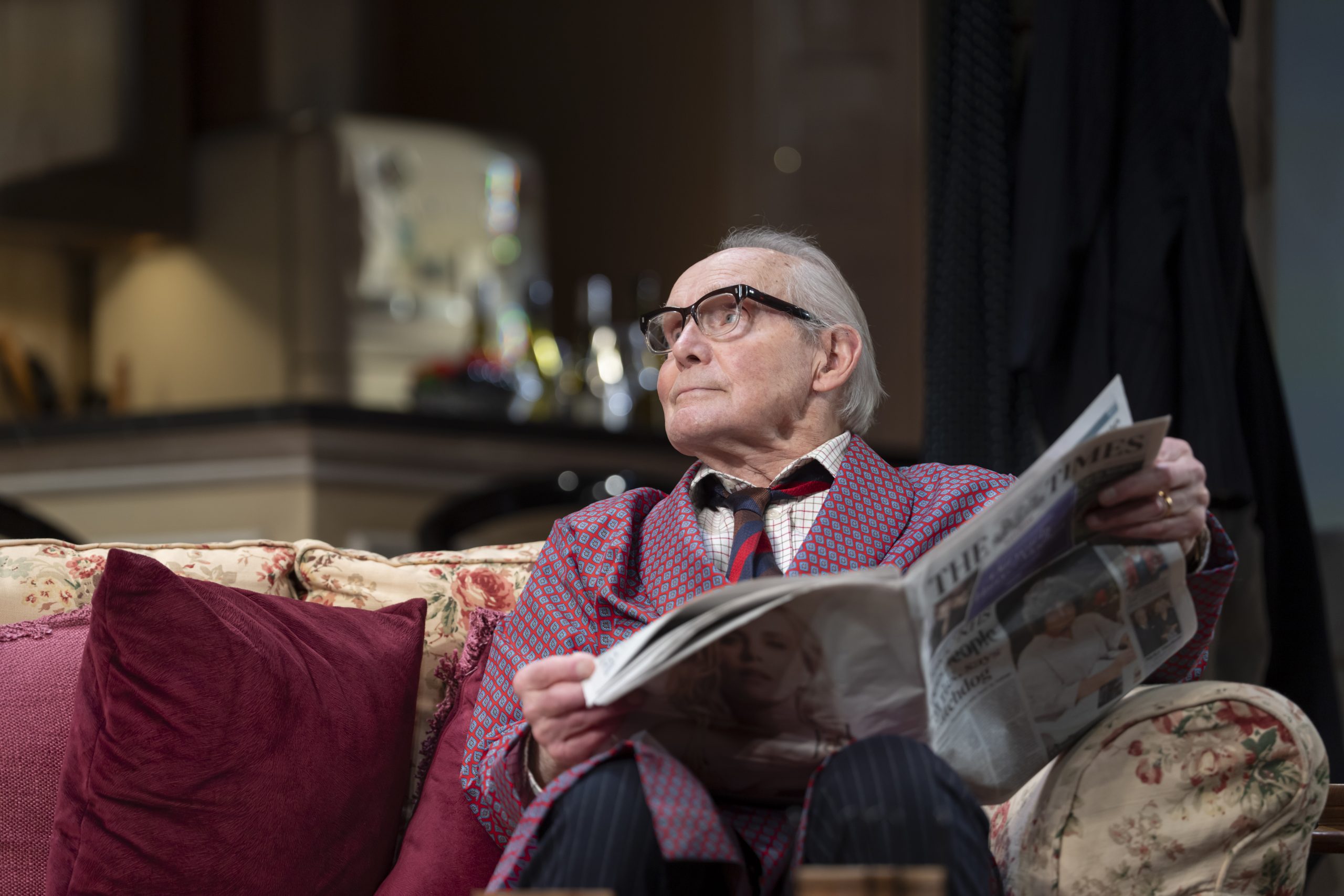
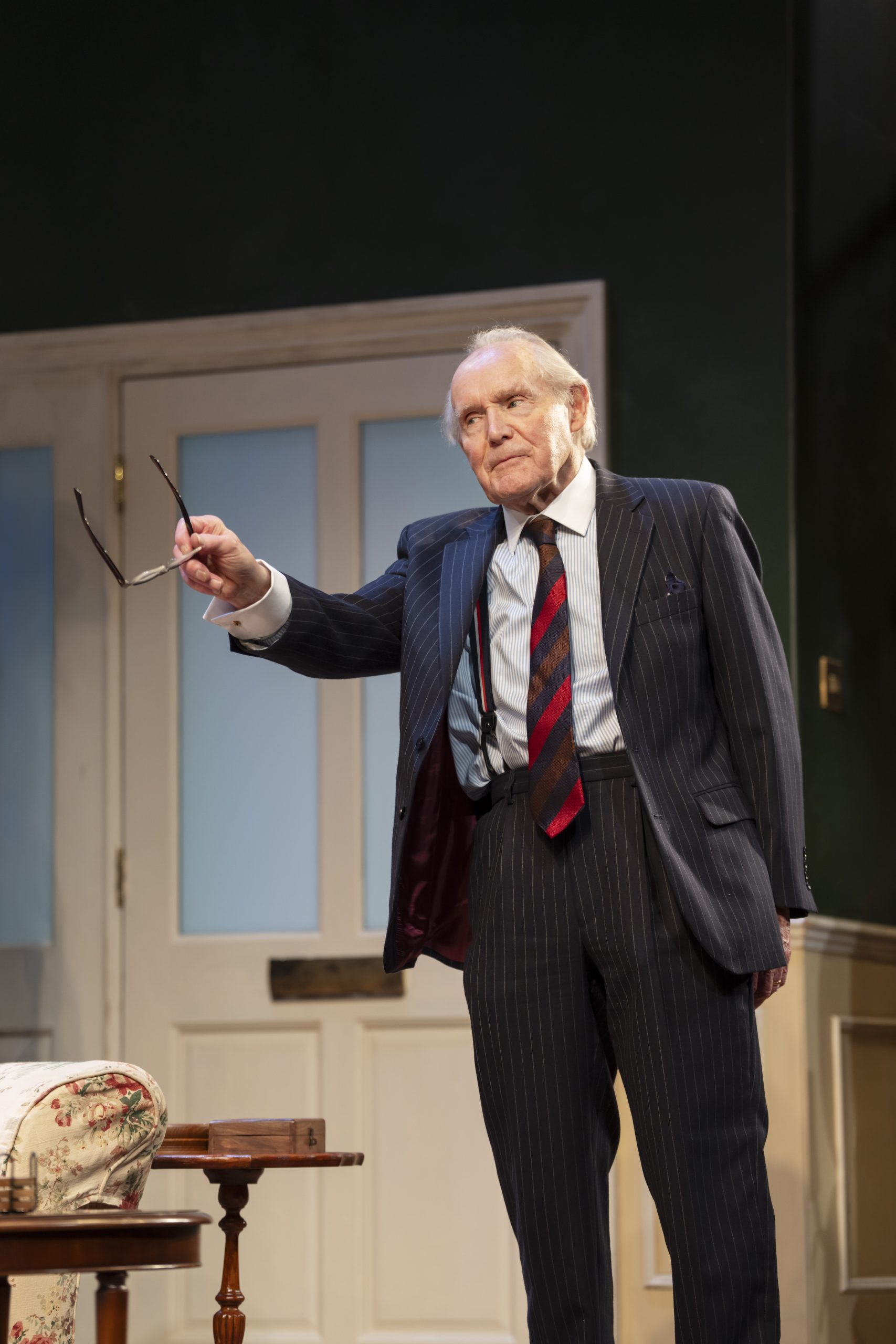
Griff Rhys Jones plays Hacker as gently deluded rather than pompous. There is still ego there, certainly, but it is softened by age. He walks with a stick, occasionally shows the strain of time, and yet still carries flashes of the old political operator beneath the surface. Clive Francis’s Sir Humphrey, by contrast, remains impeccably mobile and impeccably dapper. When he launches into one of those gloriously long, looping, magnificently incomprehensible speeches, he channels Nigel Hawthorne so precisely that you can almost hear the original cadence. These moments are among the biggest laughs of the night. The syntax tangles, the logic folds in on itself, and by the end no one – including and especially Hacker – has any idea what was actually said, only that it sounded devastatingly persuasive.
William Chubb also makes a solid impression in his supporting role, providing an additional lens on the crisis surrounding Hacker’s position. He helps move the plot forward without overcomplicating it, grounding some of the more abstract debates in practical consequence.
The first half does occasionally feel like two old men talking at length. I enjoyed much of it, but it meanders slightly and could reach its point more quickly. It does not drag, and the act itself moves briskly, but dramatically it would benefit from being leaner. This could easily have been a sharp, excellent 90-minute show. A tighter edit would have strengthened the satire and given the arguments greater punch.
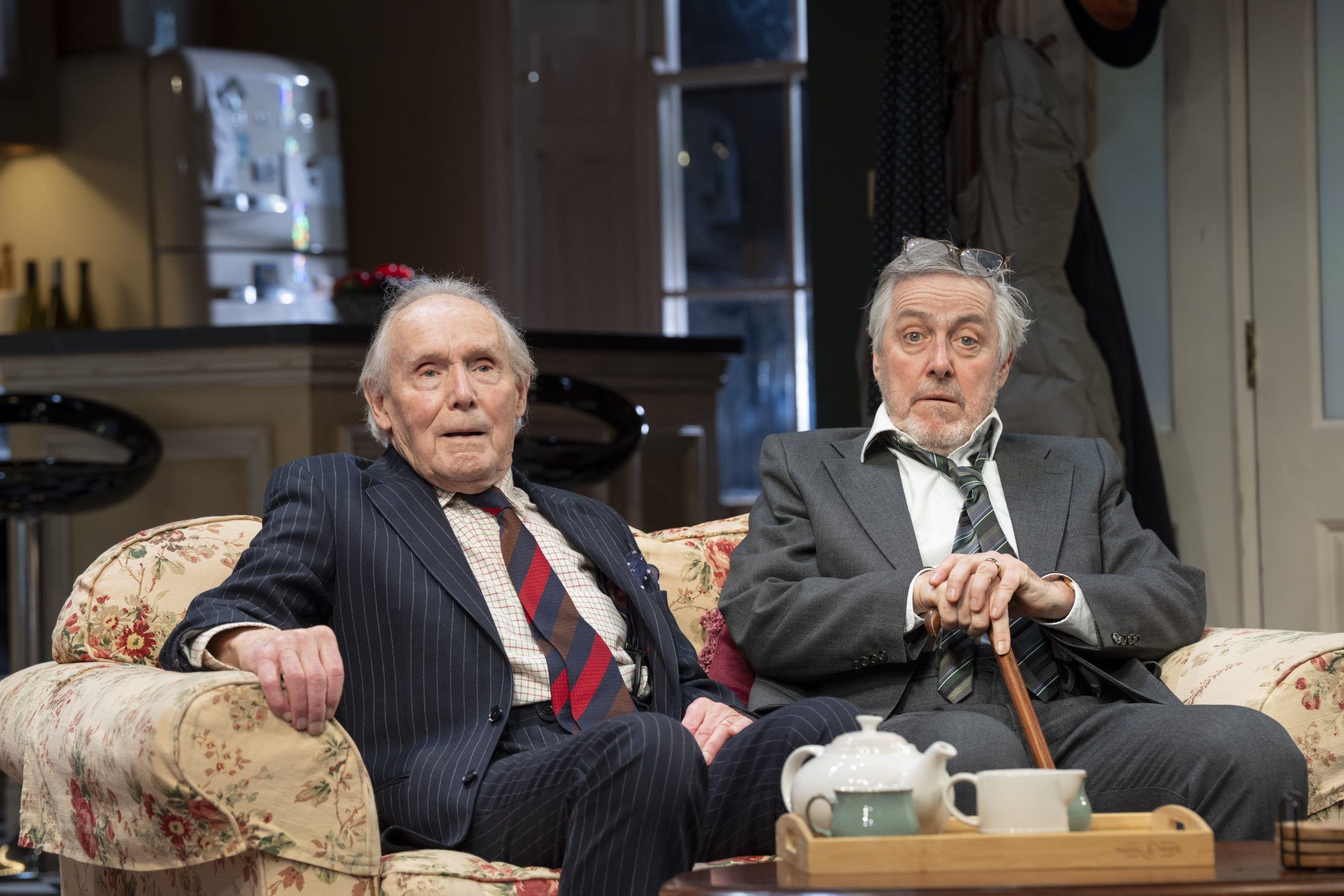
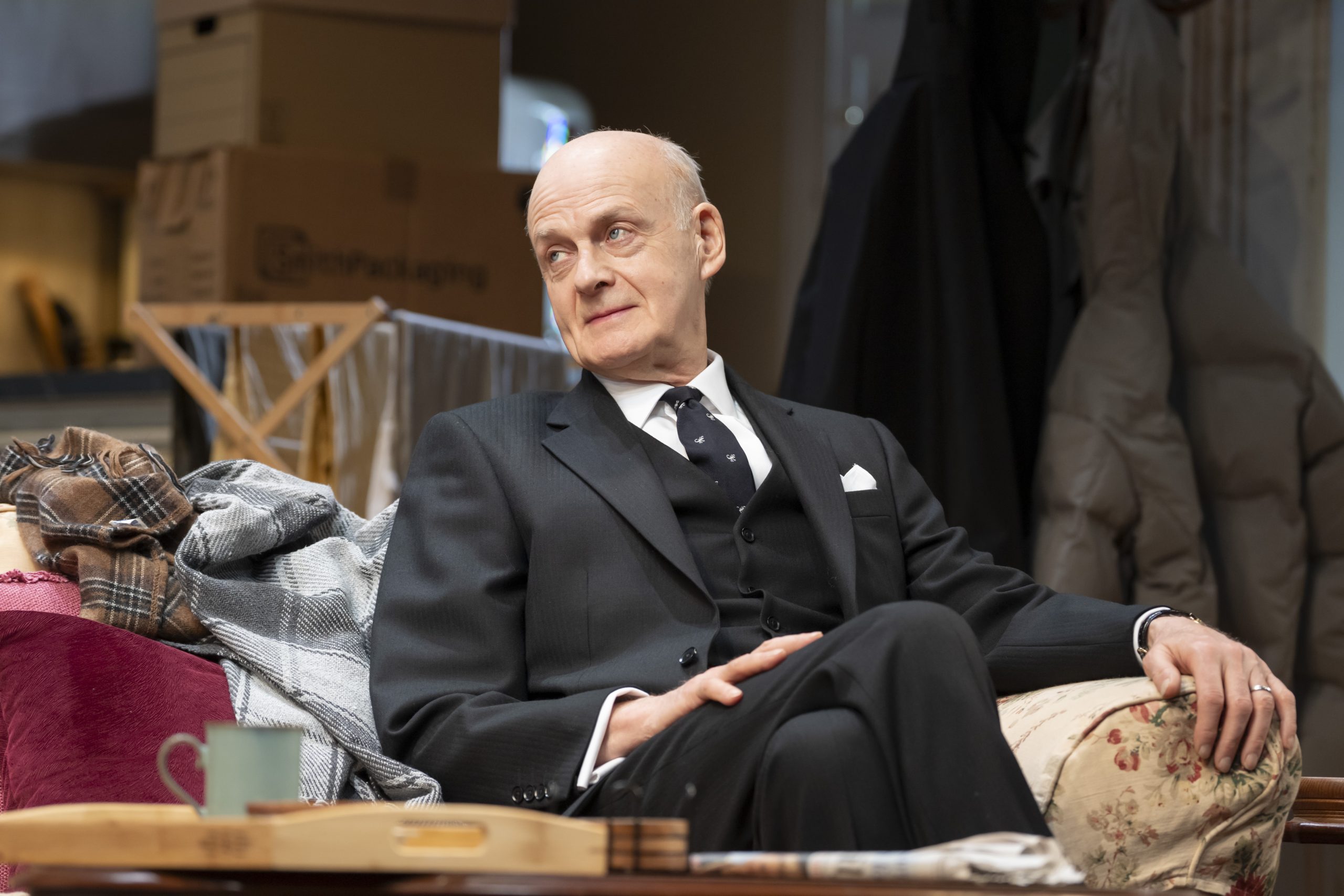
The second half, however, sharpens its focus. As the stakes around Hacker’s position become clearer, the debates about what can and cannot be said, and whether intention matters in a world of consequences, gain real weight. Here the play feels most alive, and most relevant.
Does it match the original television series at its sharpest? No – but it was never going to. What this production offers instead is something warm: a reflective, funny, occasionally pointed look at what happens when yesterday’s politicians meet today’s world. If you knew and enjoyed the original, there is real pleasure in seeing these characters one more time. If you did not, there is still enough humour and contemporary relevance to carry you along.
I genuinely enjoyed it. It is thoughtful without being preachy, affectionate and only a little indulgent, and frequently very funny. By the time the final exchanges land, you may find yourself feeling a surprising amount of affection for these ageing operators.
In the end, I’m Sorry, Prime Minister proves that even if power fades and language evolves, the art of talking in circles remains gloriously intact – and for one last time, Sir Humphrey has the floor.
I’m Sorry, Prime Minister is playing at the Apollo Theatre until 9 May 2026 then goes on a UK wide tour.
Book tickets now at imsorryprimeminister.com
Words by Nick Barr
Photos by Johan Persson