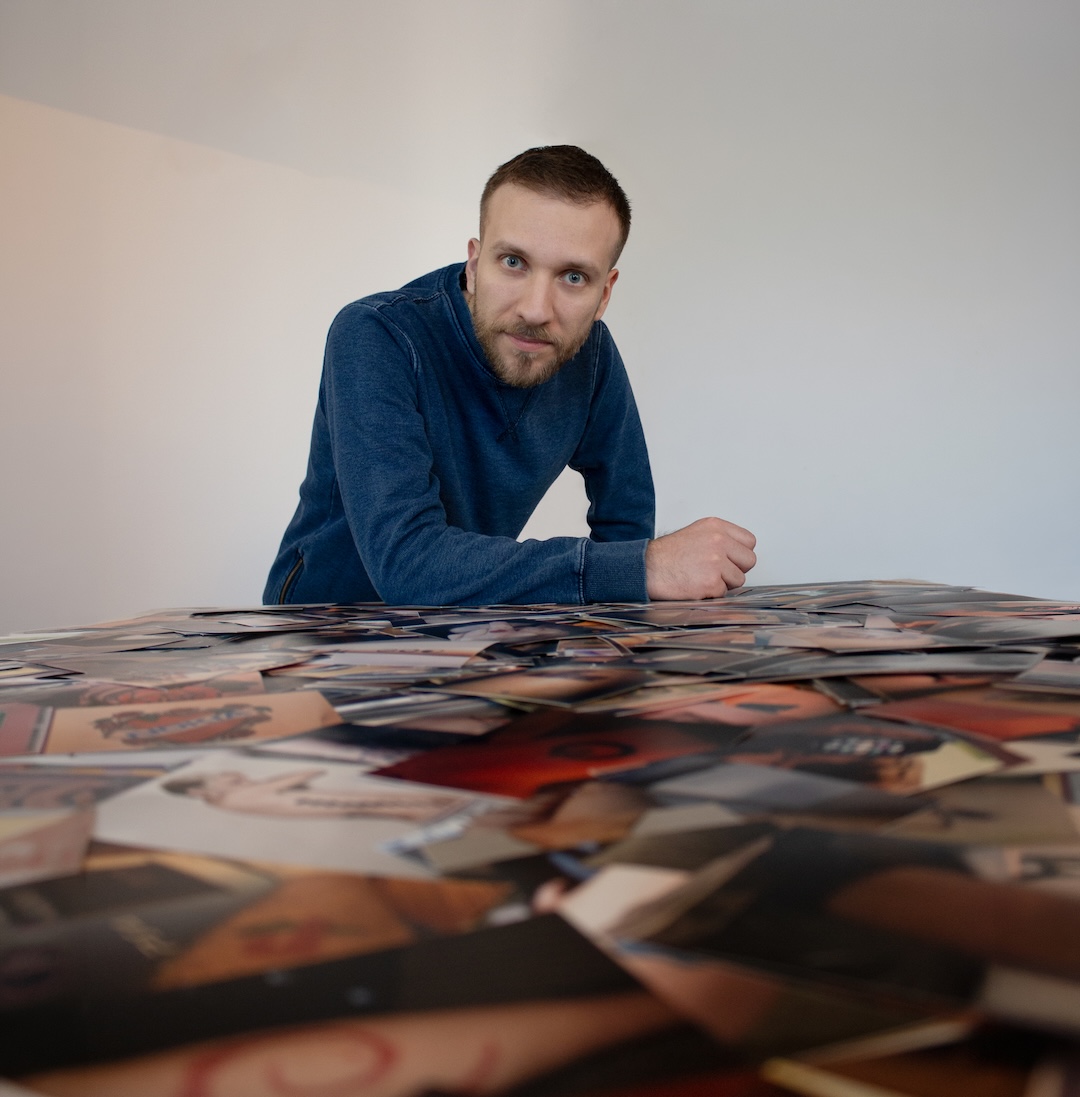
Born in Treviso, in Italy’s Veneto region, in 1996, and currently based in the Venice area, Enrico Dedin is a multimedia artist, art director, and a self-avowed “artivator” with a knack for dissecting the narratives and power structures of the digital age.
Working at the crossroads of critical theory, technology, and strategic branding, Dedin sees art as a force capable of bridging imagination and practical innovation – a dialogue-inspiring, change-driving tool that sparks ideas, transforms spaces across disciplines, and lays bare the unseen forces shaping contemporary life in our hyperconnected, networked society.
Having exhibited in over eighty shows in museums, galleries, festivals, and independent spaces from Europe to Africa, Asia, and the Americas, Dedin is today acknowledged as one of Italy’s most perceptive voices navigating the dialogue between innovation and human expression. His work is currently on display across seven pavilions of The Wrong Biennale, the international decentralized event dedicated to digital culture and the evolving aesthetics of contemporary art.
Dedin’s contributions span immersive audiovisual works, AI-driven experiments, cross-media installations, and conceptual interventions that probe perception, digital mediation, and the Anthropocene. Across physical and virtual spaces, his projects examine how contemporary life is governed by pervasive connectivity, information flows, and the entanglement of human and non-human intelligences, weaving together creative practice, technological inquiry, and participatory engagement in a signature exploration of myth, ritual, and the mechanisms that define and characterise our times.
Enrico Dedin sat for a chat with 1883 Arts Editor to talk about his practice, the social and creative impact of AI, and how his artistic vision and strategic sensibility continuously inform one another.
Hello Enrico, thank you for finding time for 1883. Can you tell us a bit about yourself, your background and what inspired you to become an artist?
I would say that, at heart, I am a media artist, as well as an art director in the world of communication. Even so, I find it difficult to frame or label myself, precisely because my research constantly crosses into other fields, shifting according to circumstance. Today I am an artist; the day before yesterday I was more of a designer. At other times, I am a theorist, a poet, an author, or simply a hermit who delights in losing and rediscovering himself in nature.
My creative inclination takes many forms. However, visual and artistic creativity remains the most central. From childhood, I felt naturally drawn to art and the humanities. What ultimately channelled this inclination into a genuine artistic pursuit was my discovery of the languages of contemporary art, alongside philosophy during my adolescence. During those years, my engagement with the thought of Friedrich Nietzsche, Zygmunt Bauman, Umberto Galimberti, Günther Anders, and Hans Jonas inspired me to pursue a more mature artistic practice. Consequently, I began to reflect on the psychological and sociological impact of technology.
How would you describe your practice and your approach to art making? Which concepts, interests, or concerns do you find yourself returning to in your work?
First and foremost, I believe art must be an all-encompassing mission, never an inconsequential hobby. My work stands firmly within the present and seeks to offer an opportunity for reflection, all the while maintaining a constant tension to convey meaning and urgent messages for the wider community.
Much of my practice revolves around recurring themes: technology, humanity, and nature, each with its own nuances. I move from the digital infodemic on social media to the cognitive and perceptual alterations brought about by machines; from nature-deficit disorder to the crisis of the genius loci and the pervasive sense of derealisation. And ultimately to a broader critique of the dominant values that shape our society. Consequently, I take a deep interest in digital culture and in the latest technological developments, as I strive to understand where our present, and indeed our future, are truly heading.
I believe we are living through a dark historical moment, one in which humanity is drifting towards deeply troubling and dystopian scenarios. For that very reason, it becomes even more vital to propose counter-values and to encourage a shift towards a world that is finally more evolved. The time, I feel, is ripe.
During our email exchange, you mentioned a new artwork, Mirrorphones; could you share some details about the piece?
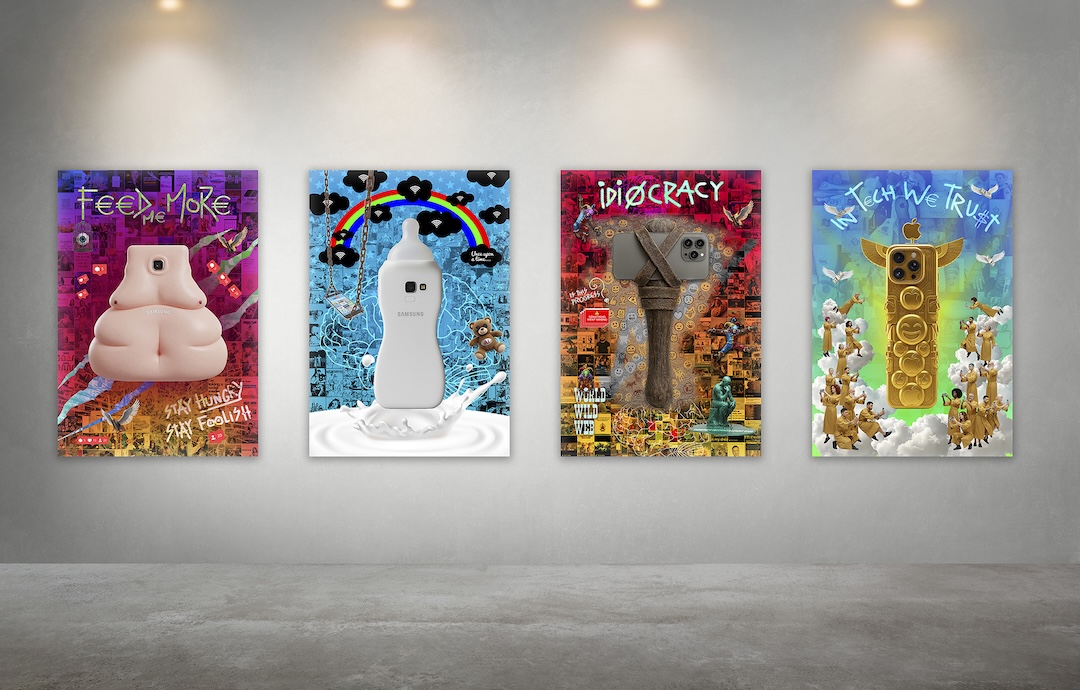
Mirrorphones presents itself as a mythology of the present, in which the smartphone becomes an anthropological mirror. It does not reflect the user’s face; rather, it reveals their mental structure: desires, dependencies, regressions, daily rituals. Through this visual mash-up of different works and influences, I have effectively constructed a personal contemporary cosmogony. In this vision, the device no longer appears as a “thing”. It is a “non-thing,” an “infoma,” to borrow the term coined by Byung-Chul Han. It is an aggregate of information that acts directly upon the psyche.
The smartphone becomes object-body, object-nourishment, object-ritual, object-weapon. Emblematic metamorphoses that portray a civilisation in which human beings increasingly delegate thought and decision-making to AI. Consequently, thinking grows thinner, while attention suffers continuous erosion, fragmentation, and commodification. In this context, “brain rot” does not emerge as a mere side effect of hyperconnectivity. Instead, it manifests as a fully-fledged anthropological condition. A decomposition of deep time, concentration, and embodied experience, replaced by an uninterrupted flow of stimuli that anaesthetises rather than nourishes. In Mirrorphones, one gazes into the silicon age, where progress resembles a grotesque regression: it advances while it empties, connects while it isolates, informs while it confuses.
With this new series, I sought to challenge, and at times to sabotage, the moral constraints imposed on current generative language models (LLMs). I intervened “artisanally” in the GenAI process, merging human artistic gestures, found footage from social media, and artificial intelligence. This fusion is not merely a technical choice; it is a conceptual position. In some instances, to push AI beyond the content it would normally generate under its policy constraints, I deliberately prompted it by uploading my own earlier 2D illustrations. One of the technical aspects I aimed to explore was how to surpass the formal standards of algorithms and software through a more direct, essentially human authorial intervention, even within a digital framework.
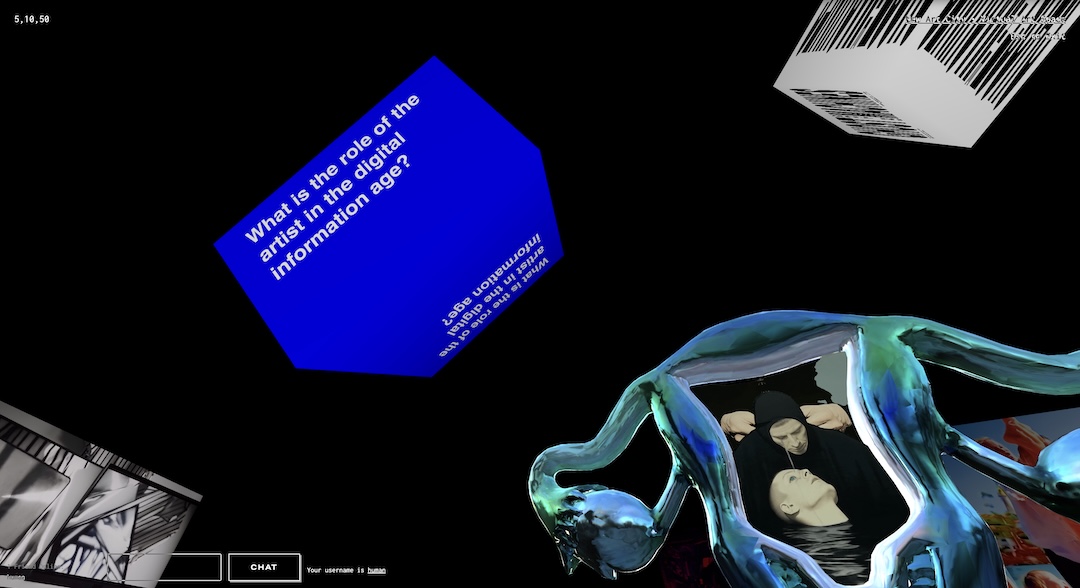
As a multimedia artist, I’m curious to hear your thoughts on AI, particularly given its growing presence in the art world. How do you think AI might expand, or complicate, the expressive and conceptual possibilities available to artists?
First off, we must acknowledge that the very term “Artificial Intelligence” proves misleading at present. AI neither possesses intelligence in the human sense nor consciousness or deep understanding. As the philosopher Luciano Floridi argues, we should instead speak of “Artificial Agency”: systems that act in the world with immense computational power, yet do not think as biological beings do.
Moreover, I believe this distinction will remain difficult to overturn in the future. Human existence and the workings of our mind, not confined to the brain, retain a mysterious dimension. No science will ever fully comprehend or entirely replicate it. After all, everything human beings create rests upon disciplines such as science, physics, and mathematics, that is, upon determined principles. Consequently, our potential will never coincide with that of a machine grounded in such pre-established laws. Nevertheless, the social impact of AI already proves significant, and it will only grow. On the one hand, AI offers artists new expressive possibilities, simplifying technical processes that once seemed inaccessible or prohibitively demanding. On the other hand, it risks inflating the “market of creativity,” making life harder for emerging artists. The world is increasingly saturated with images and filled with self-proclaimed creatives.
Personally, I hope this situation will not lead to an unjustified demonisation of AI-based art. Nor to an equally naïve retreat into “handmade” classicism. History shows that when technological revolutions make creation more accessible, the value of art does not vanish. Rather, it consolidates around individual intentionality, collective relevance, and the strength of the authorial vision.
As you mentioned earlier, alongside your artistic practice you also work as an art director. I’m curious whether your experience in art direction, communication, and branding carries over into your personal artistic work. Or do you keep those worlds separate?
I see these two worlds as parallel tracks. At times they drift apart, while at others they intersect. Sometimes I focus on purely artistic and intellectual projects, detached from my commercial work as an art director. At other times, art and branding intersect, with each borrowing from the language of the other.
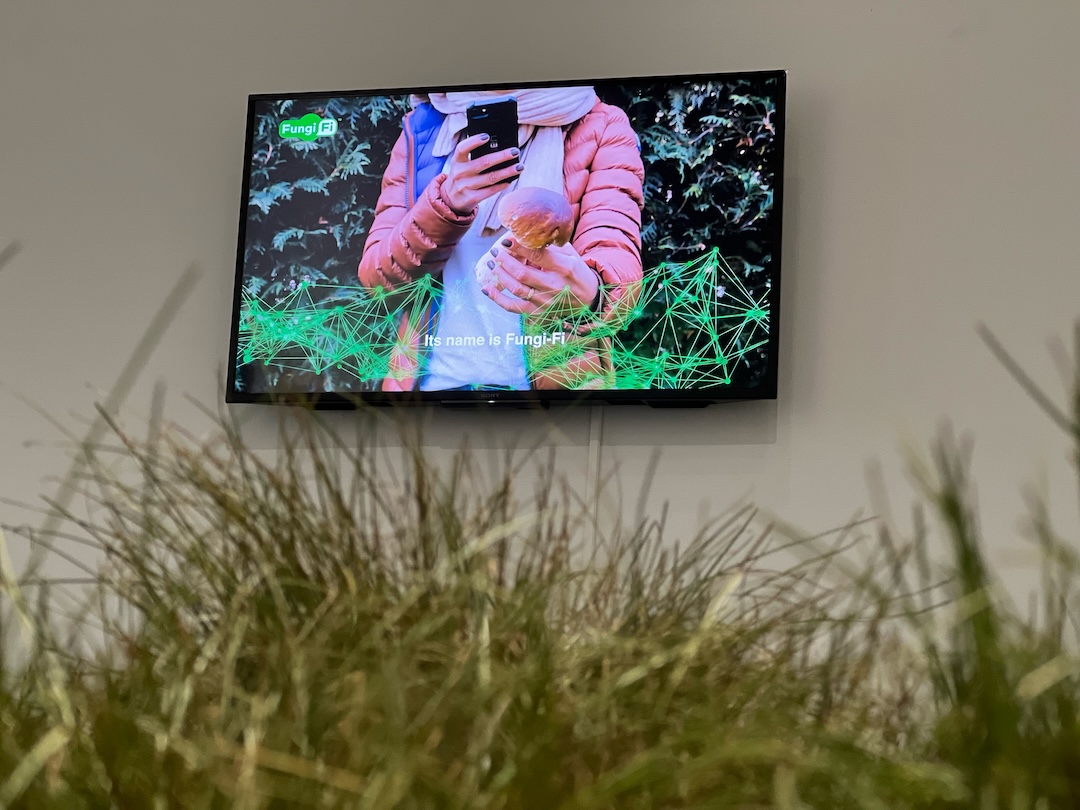
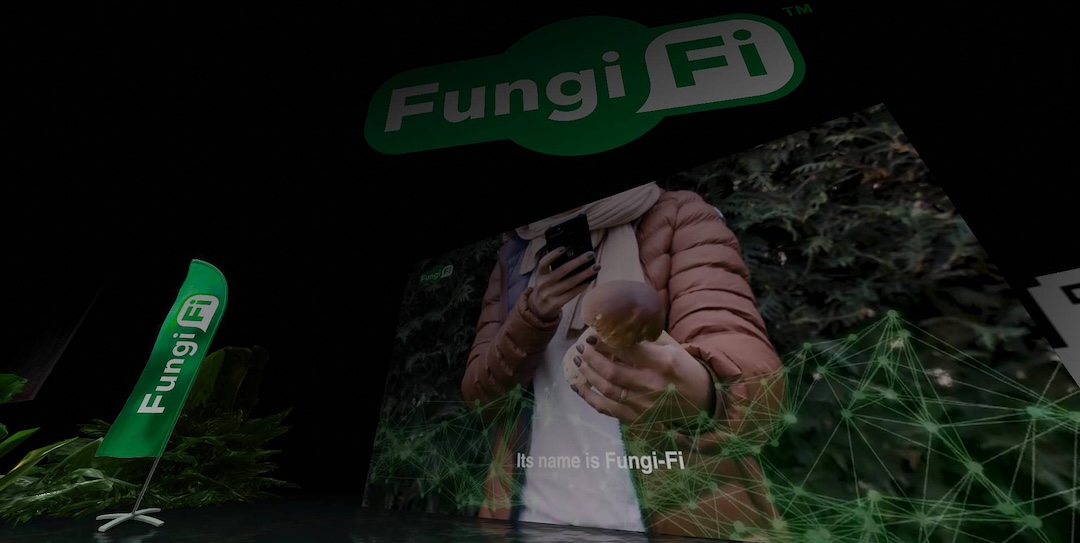
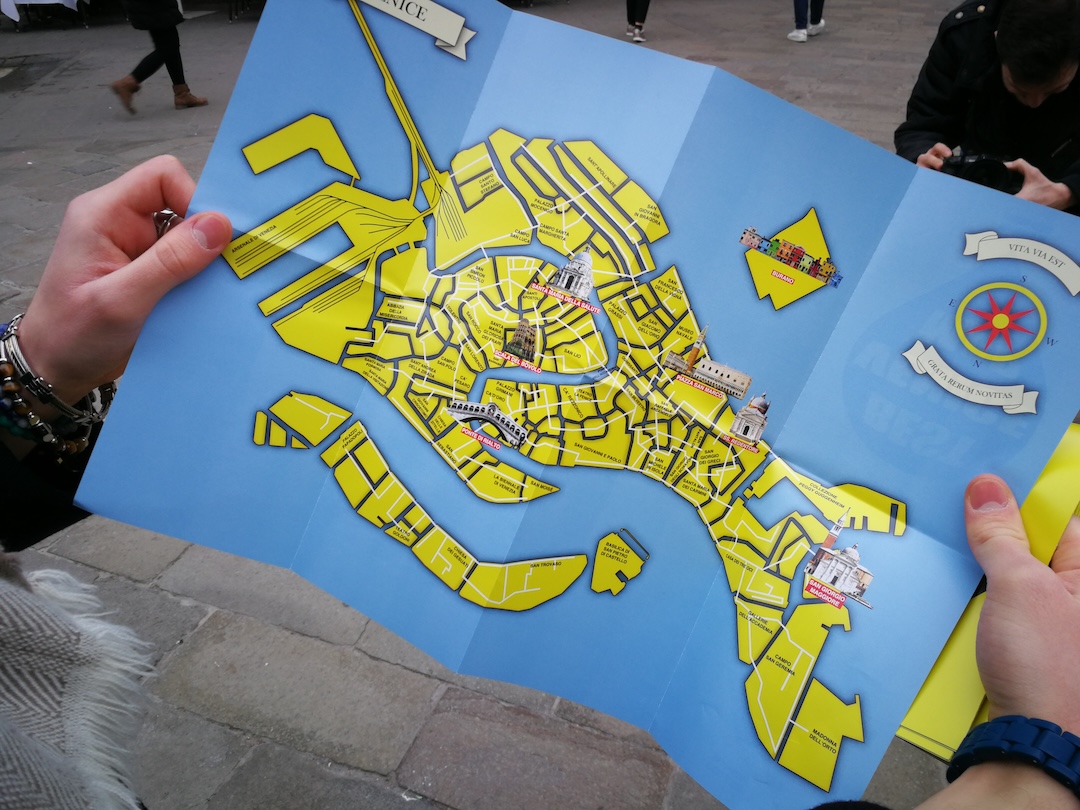
In the first instance, this occurred, for example, with Best Venice Map (a performative action from 2017) and Fungi-Fi (a cross-media project from 2022). In these works, the artwork itself becomes a brand, or rather, a ‘fake brand.’ It is an ironic and provocative device through which I highlight how brands now operate as invisible global powers, shaping desires, emotions, and lifestyles.
In the second instance, art becomes a strategic lever to enhance the identity and communication of a foresighted, visionary company. I explore these themes extensively in my column Arts & Brands on LinkedIn, which has recently also appeared on Econique and The Ambrosia Journal.
You call yourself an “artivator”; what does it mean? And what does being an artivator entail?
Artivator is a neologism I coined in 2024. The portmanteau combines Art and Activator. It conveys the idea of an art practice that can trigger multidisciplinary and cross-sector processes of innovation and enhancement. This occurs in contexts beyond the traditional artistic or cultural sphere, outside the walls of museums and galleries. In other words, it involves elevating places, organizations, experiences, products, and services through art. The practice treats art as a genuine catalyst for identity, values, and socio-cultural impact.
I envisage a future in which being an artist does not “merely” mean producing works for museums and galleries. It also means actively and directly influencing a range of fields that stand more or less adjacent to art. Almost in the spirit of the great Renaissance geniuses. I believe it is increasingly important to elevate the figure of the artist to that of a fully-fledged intellectual. Such an artist is capable of ranging widely and serving as a socio-cultural reference point. They act concretely across diverse domains. From branding to design, from ethics to science, from health to sustainability, and from tourism to urban planning.
You see art as having a role in how brands develop and strengthen their identity. What does art bring to brand-building, particularly in fashion, that other approaches might not?
Art certainly plays a role in this field, and it has already demonstrated its potential on numerous occasions. One need only think of successful partnerships between artists and brands. Some of the most celebrated collaborations in the fashion world include Louis Vuitton and Takashi Murakami, McQueen and Damien Hirst. Others include KAWS and Uniqlo, as well as Elsa Schiaparelli and Salvador Dalí. And KAWS’s appointment by Uniqlo exemplifies what art can offer brands beyond other approaches. The announcement made clear that the artist will curate art events in stores worldwide and collaborate with partners and institutions. In other words, he will not simply develop limited-edition products.
When brands integrate the languages of contemporary art into their strategy, they can unlock numerous benefits. For instance, they can differentiate themselves and assert a distinctive identity. They can strengthen perceived value and reputation; they can generate social, ethical and territorial impact. And they can foster loyalty by creating engaging experiences while also enhancing corporate wellbeing.
Whereas traditional marketing tends to focus primarily on persuasion and visibility, art brings depth and symbolic stratification. In short, relevance. By collaborating with the art world, a brand connects with universal narrative, engaging with questions of future, identity and values. In doing so, such cultural projects can become bridges of meaning between brand and society. They can open an authentic dialogue with audiences. A dialogue in which the brand demonstrates an active role in improving quality of life and enriching collective thought.
What projects and collaborations do you have lined up for 2026? Anything you can tease us with?
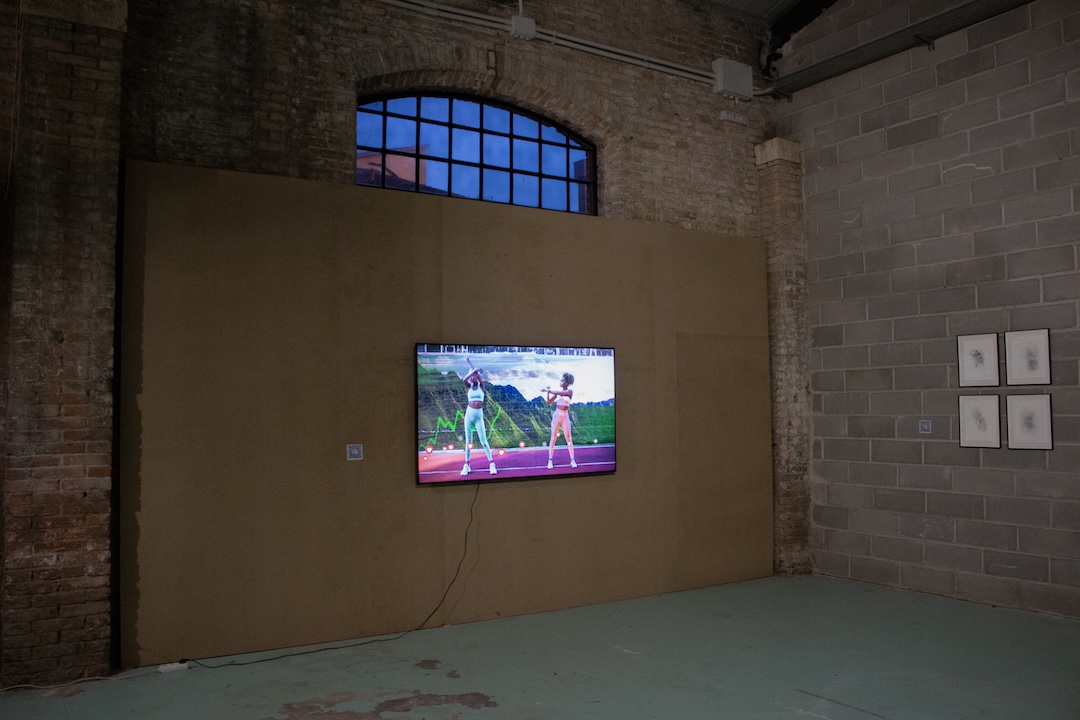
I am participating in seven pavilions of The Wrong Biennale, the international event dedicated to digital culture and contemporary aesthetics, with both online and offline exhibitions. Recently, I exhibited in Berlin during Vorspiel 2026 and, just days ago, in Milan for the Ghosts in the Machines pavilion, curated by Matteo Campulla, which coincided with the 2026 Winter Olympics. On 6 March, there will be a screening of my work at the Millennium Film Workshop in New York. It is part of The Distance of Blue, the pavilion curated by Ping Ho for The Wrong Biennale.
In addition, this year my video Nature Training Center should finally become accessible via a dedicated viewing station at MAMbo, Museo d’Arte Moderna di Bologna, alongside other video art works, following its earlier inclusion in the historic audiovisual archive of the Videoart Yearbook. Beyond these projects, other ideas are quietly taking shape behind the scenes. We shall perhaps speak about them very soon.
The Wrong Biennale will be running until March 1st. Find out more about The Wrong here.
Further information about Enrico Dedin at @enrico.dedin.
Interview Jacopo Nuvolari
Top image credit: Enrico Dedin, Digital Tribalism