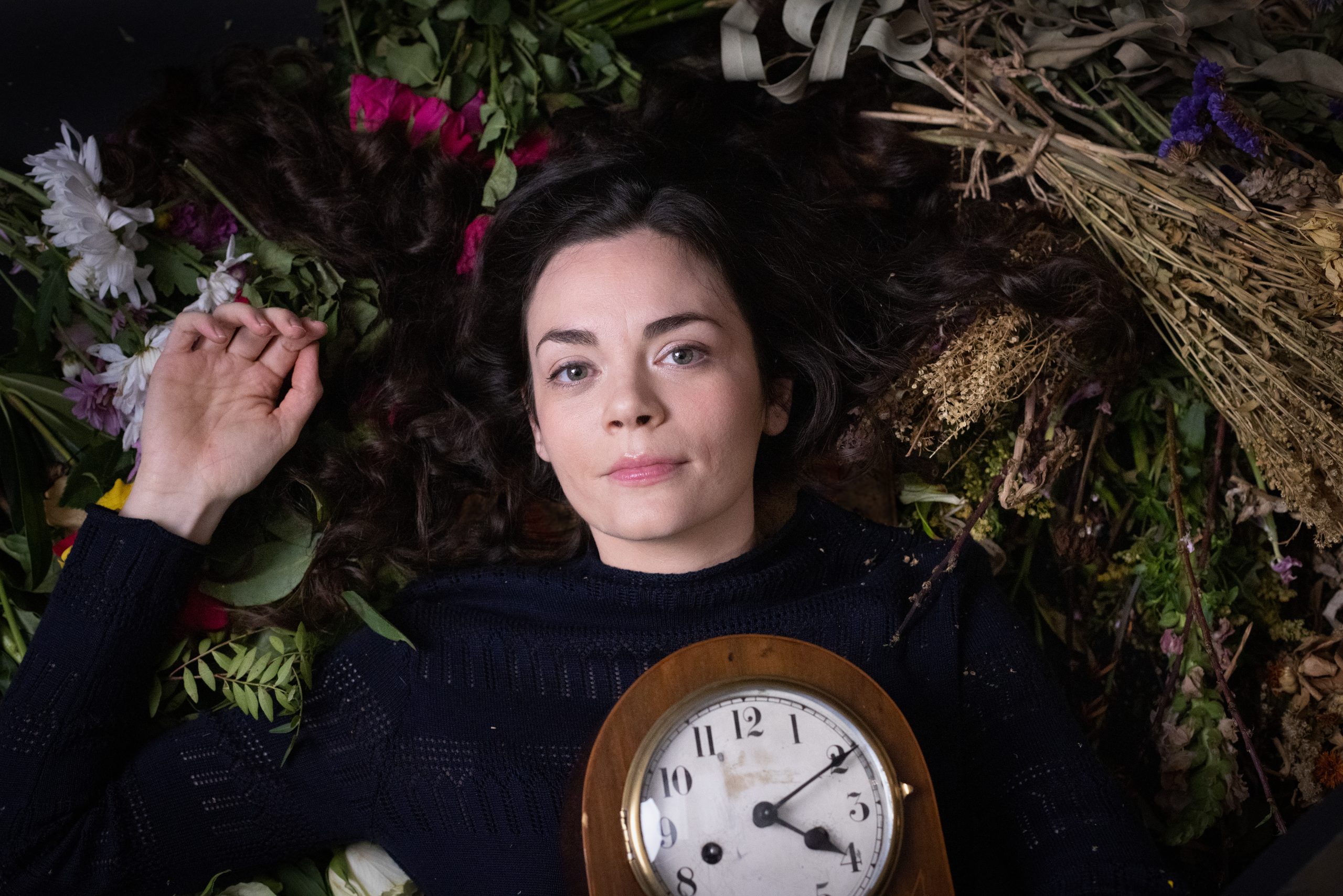
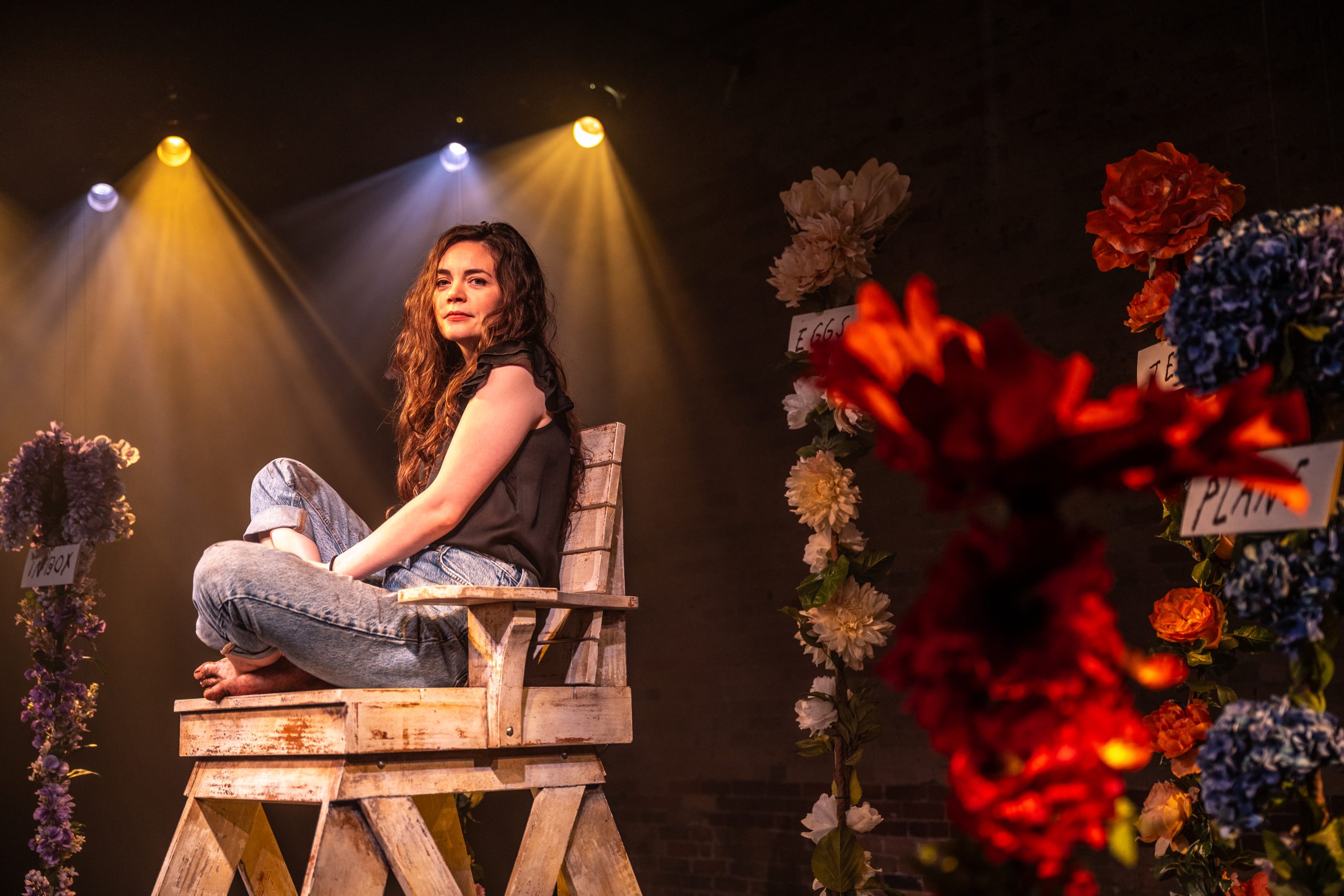
Death is the one certainty we’re all given, and yet it’s the subject most of us spend our lives avoiding. In Age Is a Feeling, Haley McGee does the opposite. The Canadian writer and performer charts a life from 25 to its final moments, inviting audiences to confront ageing, regret, joy, and mortality head on. The show is never the same twice, shaped by audience choice and by McGee’s own shifting relationship to time. We chatted about growing up in theatre, discovering playwriting, losing people she loved, and what it’s like to age and die on stage night after night.
Before we get into Age Is a Feeling, tell me how theatre first entered your life?
I think I’ve always been obsessed with it. My dad was a Shakespeare professor, so performance was around me from an academic point of view, but he also genuinely loved the theatre and took me often.
I was one of those children staging elaborate performances for anyone who would watch. I was definitely under five and felt this overwhelming urge to perform whenever people came over. My dad eventually made me promise that whatever I presented had a beginning, middle and end, otherwise I’d just spiral off into endless associations.
After that it was dance lessons, singing lessons, community theatre. Then I went to a large inner-city high school with an arts programme inside it. About 300 of us auditioned for that stream. It wasn’t technically an arts school, but it was specialised enough that I finally felt like I’d found my people.
I was quite an eccentric, unpopular kid. That programme gave me a group, a little circle of like-minded friends. Every time I’ve found myself in the theatre since, I’ve felt that same sense of belonging. It’s part of what made it addictive.
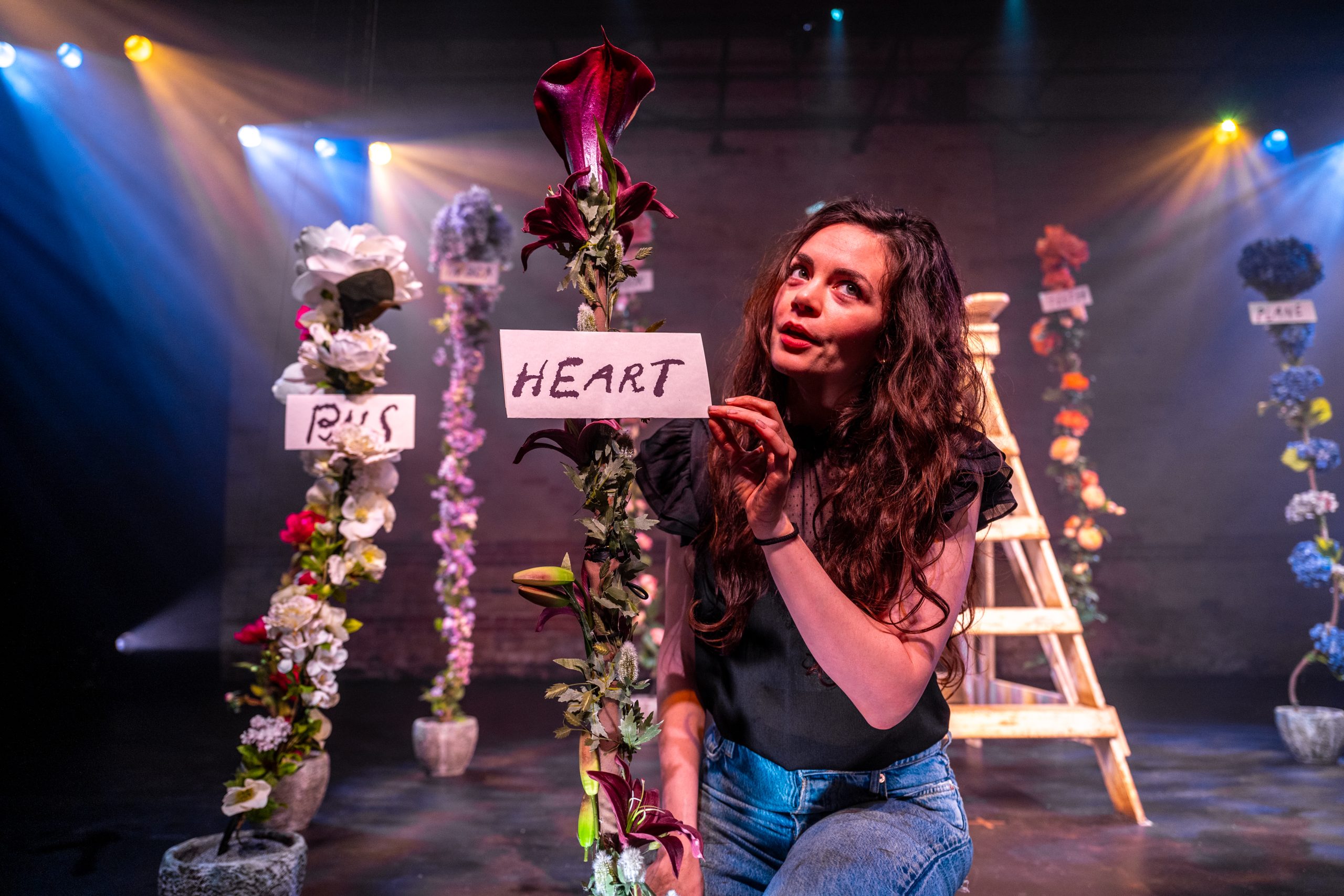
Did you go on to train as an actor, and what kind of artist did you think you were going to be?
I went to drama school thinking I’d probably end up doing Shakespeare. Partly, if I’m honest, to make my dad happy.
But I discovered playwriting while I was there. My favourite teacher was Sheldon Rosen, a playwright from the States who’d come up to Canada. He was extraordinary, and something about that cracked things open.
The Canadian scene is very different to the UK. People aren’t as siloed. You might be in a musical, then an improv show, then writing your own work. It’s a small community in a huge country.
I went in thinking Shakespeare and came out feeling like I could do anything. I mostly acted in new plays and never actually did Shakespeare professionally, which is slightly ironic. For the first ten years of my career I worked on new Canadian plays and started making my own work. That’s really where my practice began.
Was there always a part of you that wanted to create your own work, rather than just perform in other people’s?
I think so. When I was very young I was constantly inventing things to perform, so the instinct was always there. But as a teenager it shifted. I had this idea that I’d wear beautiful dresses and play tragic heroines. I was very proud of my ability to cry. There was a lot of standing in front of the mirror, practising monologues and trying to make myself weep. I thought that was the height of artistry.
Drama school complicated that. I felt like my instincts were stripped away and replaced with self-consciousness. It took a few years after graduating to recover any sense of freedom.
Making my own work was part of reclaiming that. Instead of fitting into someone else’s idea of what an actress should be, I could follow what genuinely interested me. Even now, in Age Is a Feeling, if I’m moved on stage it’s not about demonstrating anything. It’s because I know the material so intimately I can step fully inside it. I’m not interested in showing people I can cry. I’m interested in whether it feels truthful.
Let’s talk about Age Is a Feeling. The show is described as being inspired by hospices, mystics and trips to the cemetery. Where did the seed of it really begin?
It began with the title. Sometimes a phrase just arrives, and Age Is a Feeling was one of those. At first I thought it might be something about the science of ageing, but you only have to think about ageing briefly before you realise the fear underneath it is mortality.
Around that time Camden People’s Theatre, who were the only theatre to respond to anything I sent when I first moved to London in 2016, asked if I’d create something for their 25th anniversary, themed around turning 25. I immediately thought, great, I can make this piece about ageing.
I’d recently learned your brain doesn’t fully develop until you’re 25. In a sense, your adult life only properly begins then. And yet biologically other things are already shifting. Your skin will never be more elastic. Your melatonin starts to decline. Your reflexes will never be faster.
There’s something poetic about that. You only fully grasp long-term consequences and your own mortality once your brain is developed, and by then your body has already begun to change. That tension at 25 – your brain finally cooked, your body already shifting – felt like the perfect place to start.
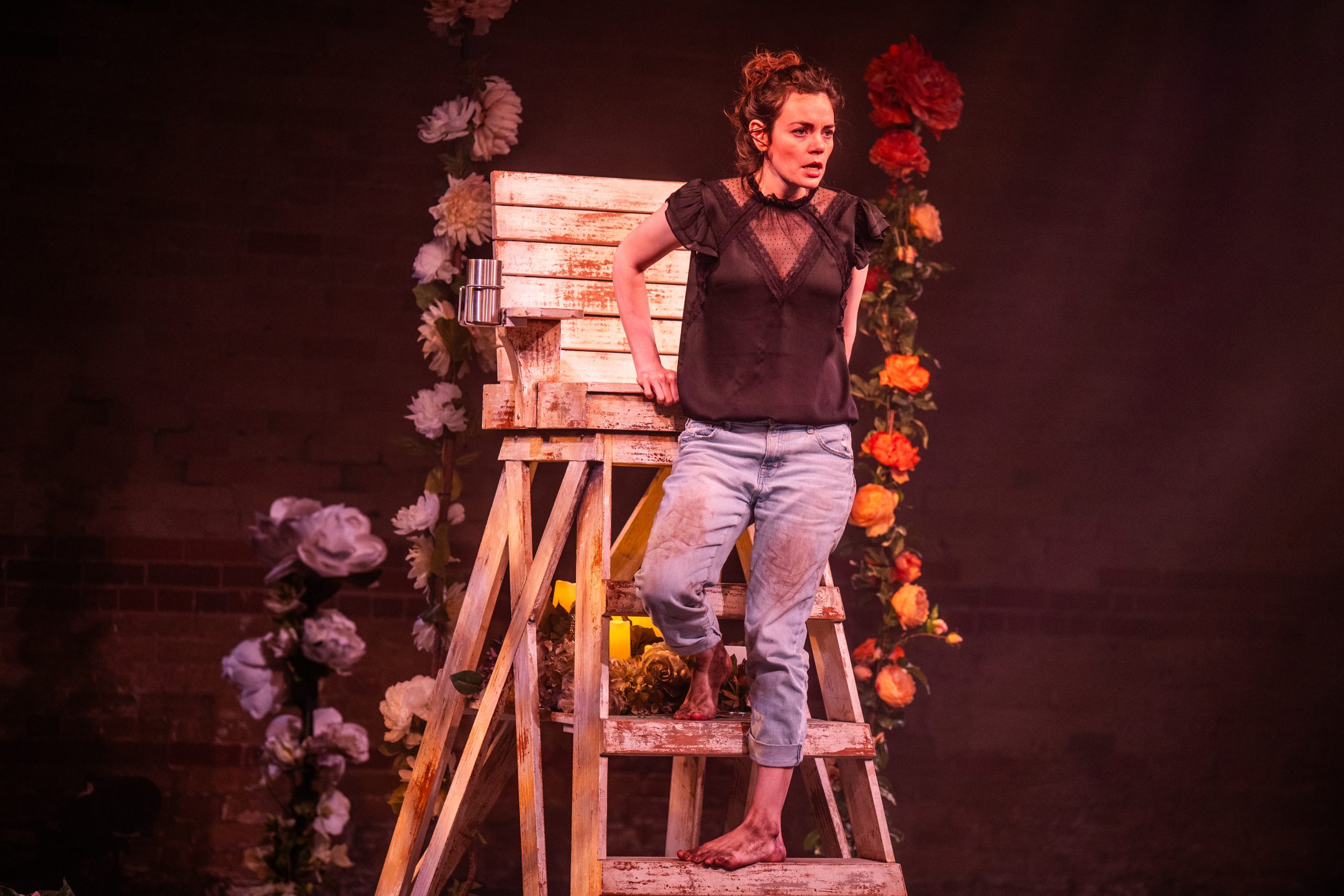
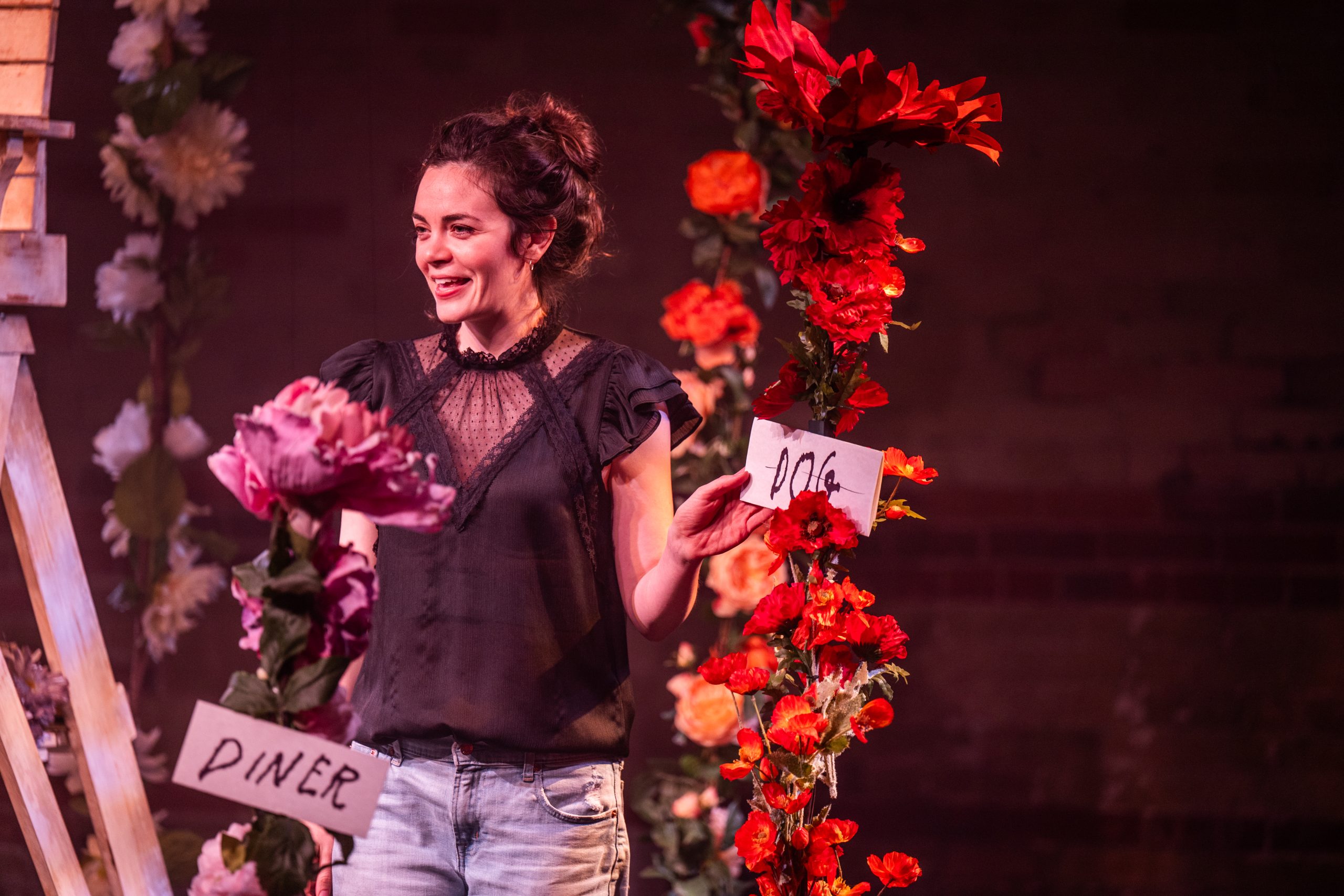
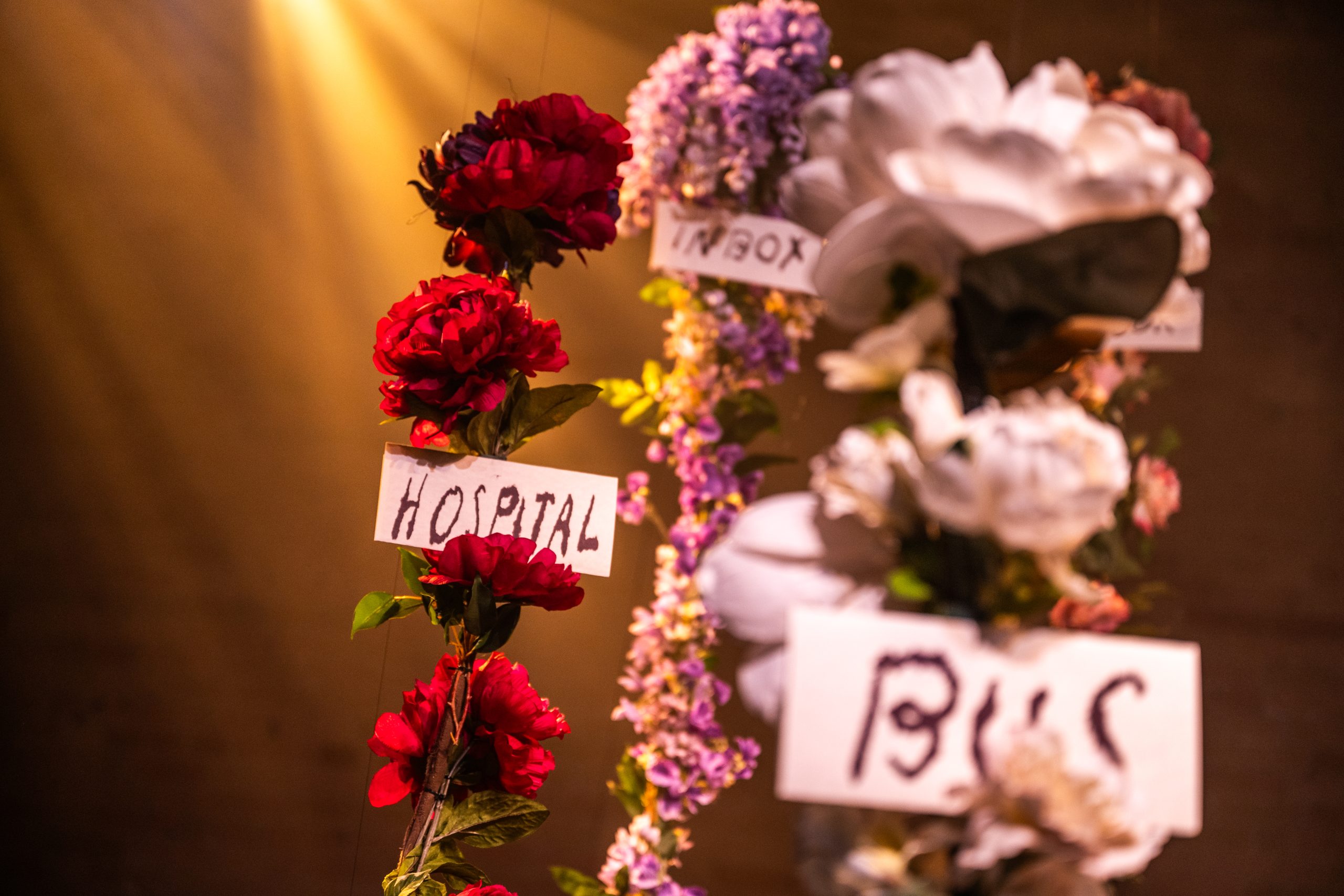
Was there a specific moment that made you want to confront mortality so directly in your work? You’d already been circling the subject before the commission came in.
I’ve always been scared of dying. My mum had cancer when I was 11. She survived, but it was a rude awakening to how fragile life is. When you lose someone young, or nearly lose them, it changes you. For me it became this fear of dying too soon. I’d lie awake at night thinking, I hope I don’t die today.
By the time I was in my mid-thirties and starting to work on the show, I was also aware of edging into what we call middle age. I’m 40 now. Technically, if most people live into their mid-seventies or eighties, you’re somewhere near the middle. That’s confronting.
Performing the show keeps that fragility close. It changes small things. Do I really want to argue with my partner about a sponge? Writing our wills was devastating. Having to imagine my daughter’s life without either of us. She’s one. Those practical steps force you to look directly at mortality.
My aunt Linda inspired much of the show. She died this summer at 75. She never had children, travelled widely, lived on this beautiful remote property in Canada. Her heart just stopped outside her house. She hated hospitals. In a strange way, it felt like the death she would have chosen.
And then Adam Brace, who directed the show, died a couple of years ago. He was 43. Losing a peer alters your sense of mortality. What’s struck me most is the finality of it. I can’t believe he’s still dead. There’s a part of you that irrationally expects them to come back. It makes the subject of the show feel less theoretical and much more immediate.
What you’re sharing reminds me of a book I read by Dr Kathryn Mannix, With the End in Mind. Have you read it?
I love it. I thank her in the acknowledgements of the published play text. It was a huge influence. I listened to the audiobook while walking around Dulwich Park when I was living in south-east London, and I can still picture those walks. The twelfth story in the show is largely inspired by her work. She’s extraordinary.
When you first began shaping the show, did you know it would never be the same twice?
No. That emerged through working with Adam. We realised the piece had two modes – a sweeping movement through a life, and then these very focused moments where mortality changes the trajectory. A theme that kept coming up was how unknowable a whole life is, even your own.
There’s a core text that always stays the same, and then twelve stories. The audience chooses six of them. At first we had all the choices made at the top, but that felt like fate was sealed too early. Now the choices happen in three stages.
Whichever stories aren’t chosen simply don’t exist that night. There’s a best friend who appears in three stories. Some nights you’ll see that relationship fully. Other nights you’ll barely glimpse it. The emotional weight shifts depending on what’s revealed.
You’re charting a life from 25 to death. How do you make something so specific feel universal?
It’s not autobiographical, though there are borrowed elements, especially in the earlier years. Much of it takes place at ages I haven’t reached yet, so it’s imagined.
We stripped out references to specific places. The aim was to make it detailed enough to feel real, but open enough that people project their own lives onto it – their own lost friendships, love affairs, expectations that didn’t quite unfold the way they planned. It’s one specific life, but hopefully it becomes a mirror.
What’s it like, night after night, ageing and dying on stage?
It’s good for me. I’m quite neurotic, so wrestling with this material repeatedly feels clarifying. It’s like writing a will. I made the show because I need it, not because I’ve mastered its lessons.
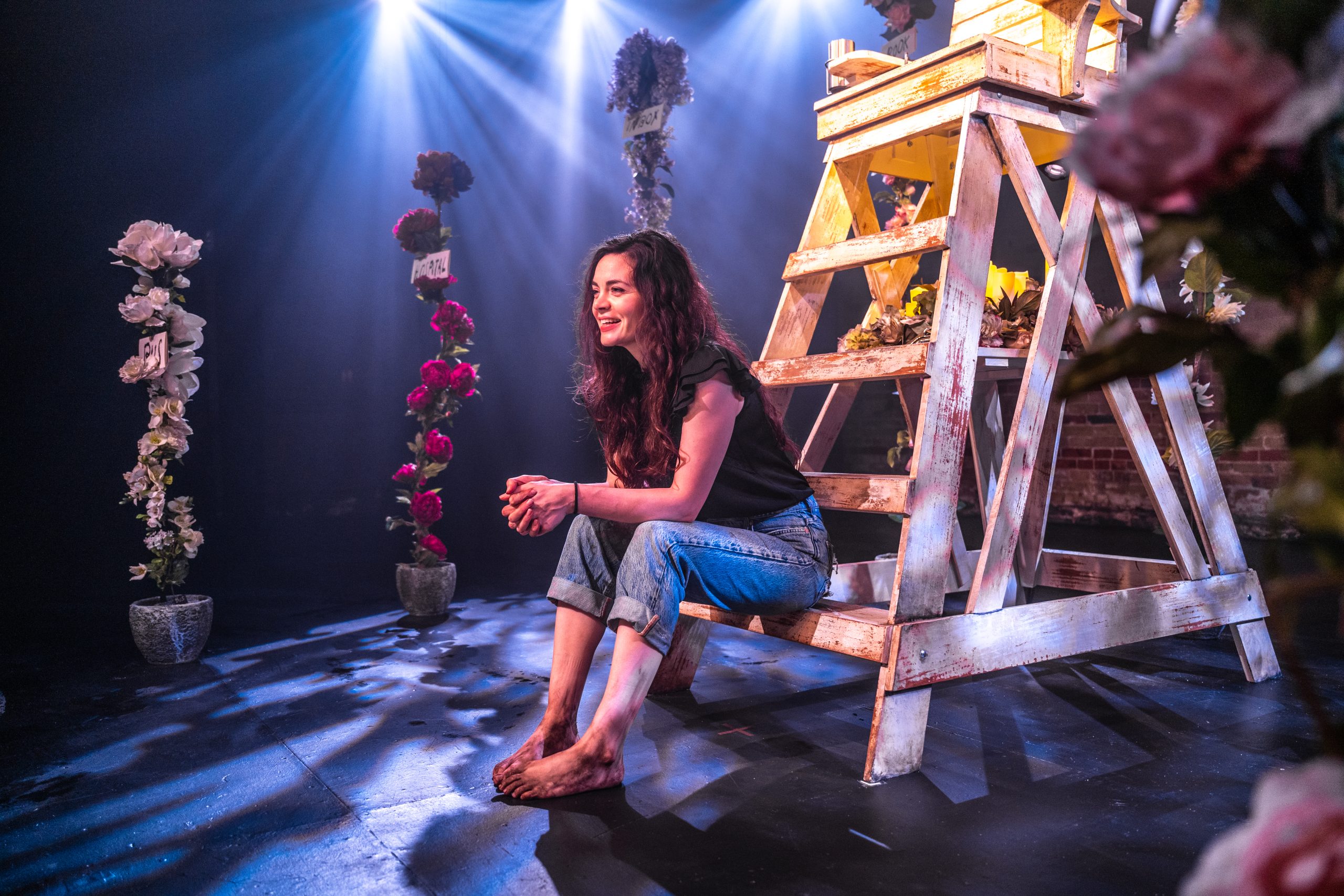
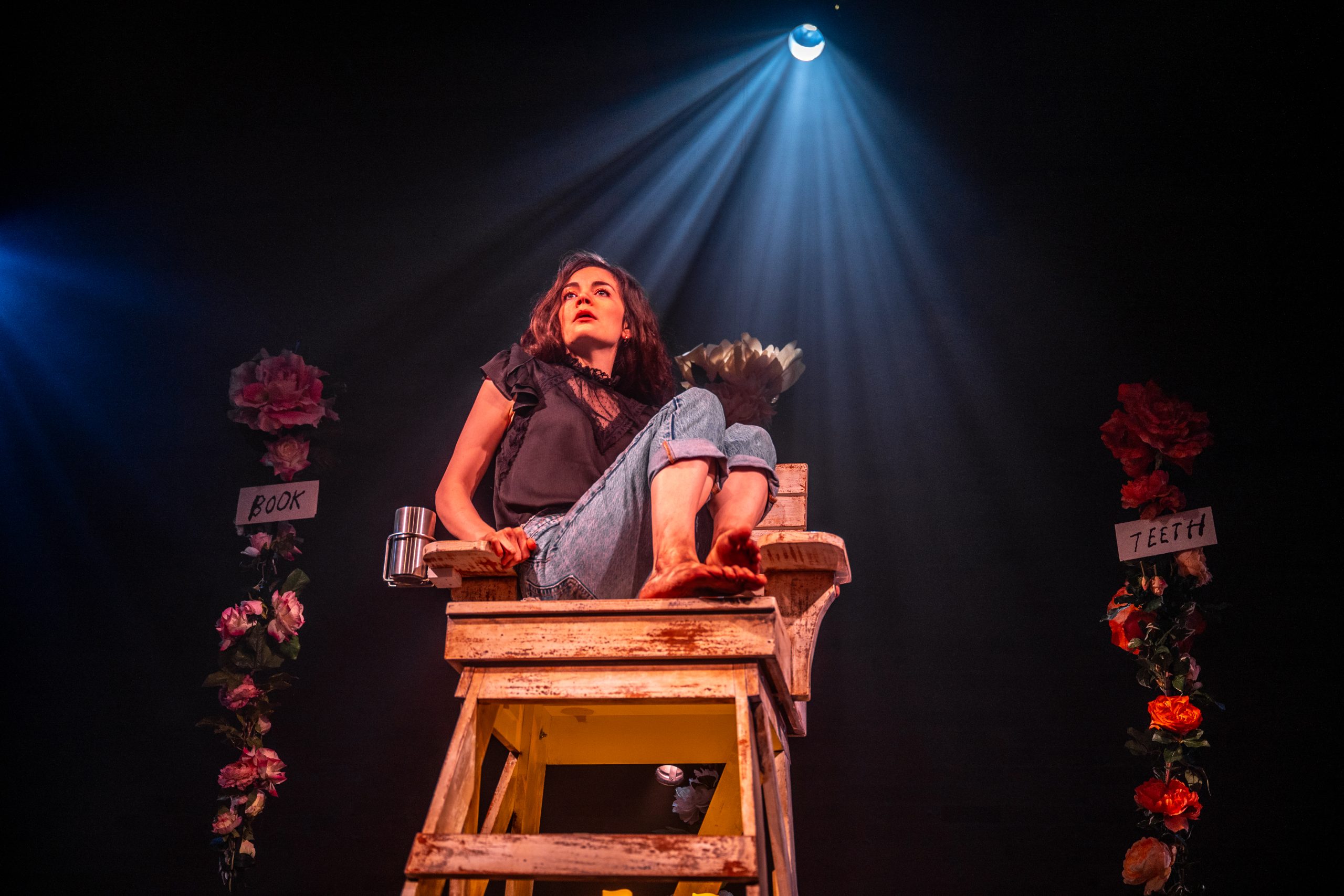
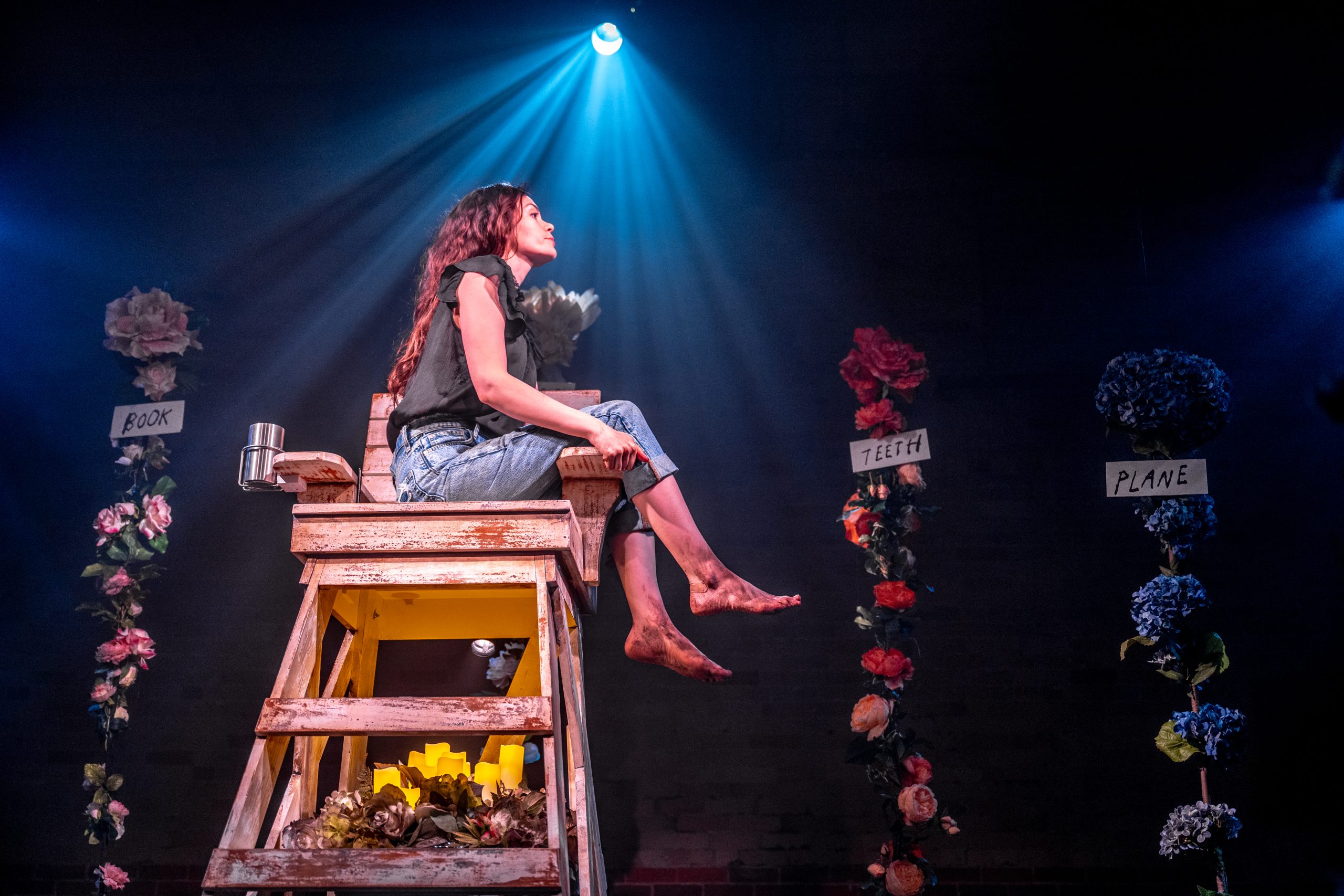
Has performing it changed your relationship to ageing?
Yes. Before Edinburgh I read a draft to a group of women over 60. At that point I had this motif where I’d list bodily changes and punctuate each one with a sharp little ding of a glass. They told me it felt anxious and reductive.
They said ageing isn’t just decline. You care less about certain things. The sadness deepens, but so does the joy. The anxieties I was dramatising were young people’s anxieties.
So I rewrote the ending. The character skinny dips in her seventies. She regrets the pleasures she denied herself. That shift came directly from those women.
Do different audiences react differently to the theme of death?
I’ve only performed it in the UK and Canada, and the biggest difference is cultural rather than about death itself. In Canada there’s no “sussing me out” period. People recognise the accent, they’re immediately with me. I think I have a Canadian sense of humour, a slightly broader tone. In the UK there’s more of a moment at the beginning where people are deciding, are you American, do I like you, am I coming with you on this journey? It just takes a little longer to win them over.
In terms of death, though, we’re quite similar. I had a high school teacher whose husband died suddenly of an aneurysm. She was incredibly open with us about her grief and now trains hospice workers. One thing she told me is that the only promise we’re given when we’re born is that we’re going to die. And yet in both North America and the UK we’re pretty death-phobic. Death is medicalised, kept out of the home. We soften the language. We say “passed away”. Since my aunt died, I’ve been trying to say it plainly: she died.
How do you decompress after the show?
I like being alone. That’s the honest answer. It’s tricky, because people are often very moved and want to share how it’s connected to their own lives, which is generous and exactly what you hope the work will spark. But there’s also a part of me that can’t get home and into sweatpants or into a bath quickly enough. I often try to slip out quietly.
Has the cultural conversation around mortality shifted at all since you first started doing the show?
I’m not sure. I think it might be shifting slightly. Death Cafés seem to be becoming more common – spaces where people get together and talk openly about death and dying. I’m hearing more about people training as death doulas. There are artists exploring it too. Stacey Dooley did a documentary where she spent time around the funeral industry, and Grayson Perry’s Rites of Passage looked at rituals around death and how families grieve.
So there does seem to be a curiosity there.
But I don’t know how much of that is filtering into everyday homes. I’m still trying to get my own parents to talk about it. They’re resistant. I keep asking: do you want to be cremated, buried, donated to science? Do you want one of those tree burials? And they don’t really want to engage. So I think culturally we’re still quite uncomfortable with it.
What’s the biggest cliché about ageing that you’d love to dismantle?
That how you look determines how you feel. There’s so much money poured into advertising that tells us we should preserve youth at all costs, as though appearance is the thing that dictates your inner life.
I know people argue that how you look affects how you feel, that you should dress for the job you want, and so on. But I think it’s more complicated than that. We’re constantly photographing ourselves, looking at ourselves in mirrors, comparing ourselves to other people on our phones.
I just wish people would let time come for their skin. Let it show in their body. And then get on with doing the things that actually make them feel alive, instead of spending all that time and energy trying to look younger.
Such a good point and beautifully made.
Finally, what do you hope people are talking about on the journey home?
Their own lives. Their own relationship with mortality.
Some friends from the improv community came to see the show and told me they ended up talking the entire way home about their relationships with their dads, things they’d never really shared with each other before. That meant a lot.
I hope it acts as a catalyst for those deep, meaningful conversations – whether that’s with friends or family. I hope it opens something up. Not in a way that feels frightening, but in a way that feels nourishing.
Age is A Feeling is playing at Soho Theatre Walthamstow from 5th to 7th March 2026
Book your tickets soon as all shows are down to their last few: sohotheatre.com
Keep up with Haley via her website at: haleymcgee.ca
Words Nick Barr
Production Photography Dahlia Katz
Portrait by Thea Courtney