It’s not often that a show genuinely gets under my skin.
I see a lot of theatre, and while plenty of it is good, it’s rare that something leaves me wanting to go straight back and insisting everyone I know needs to see it. Ballad Lines did exactly that. I’ve written about just how much it affected me in my full review here, but in short, it’s one of the most emotionally powerful and stunning new musicals I’ve seen in a long time.
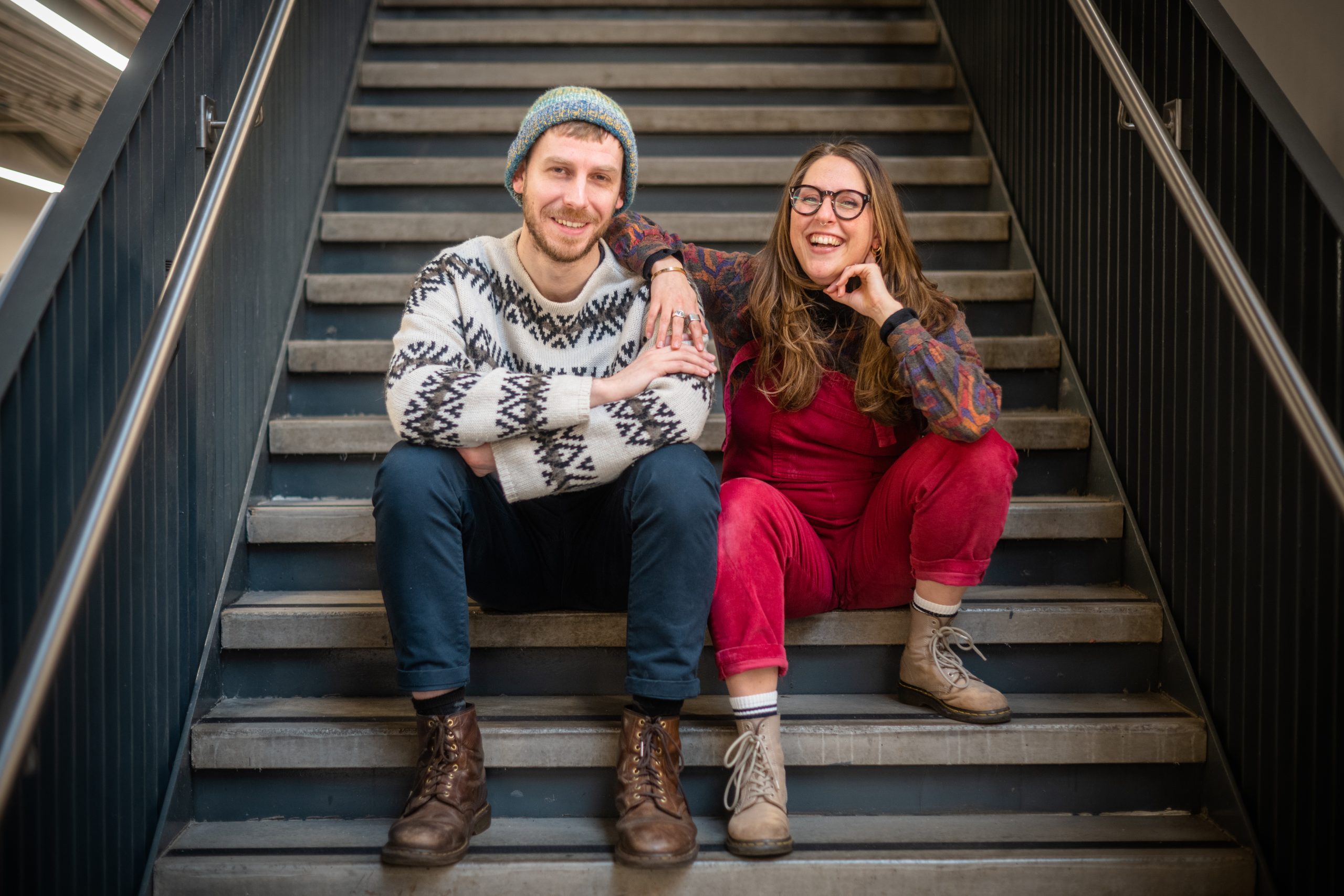
After sitting with it for a few days, I spoke to creators Finn Anderson and Tania Azevedo about how this extraordinary folk musical came to life – from its early beginnings in 2017 to the expansive, deeply human piece now playing at Southwark Playhouse Elephant.
You started working on this in 2017. What was the emotional hook at the beginning?
Finn:
Honestly, it began with us sitting around a table and realising we wanted to make something together. That was the first spark.
At the time I was researching the migration of Scottish folk music – how songs travelled from Scotland through Ireland into Appalachia, evolving but surviving. The idea that music carries the story of people and movement really gripped me.
Tania:
For me, I wanted to make the show I didn’t see out there. I was hungry for a story about women that wasn’t centred on romantic love. I was thinking a lot about motherhood – about wanting it, not wanting it, being forced into it. I’m not a mother myself, but that felt like enormous, underexplored drama.
Finn:
When we started mind-mapping, the word that kept coming up was family. I was thinking about songs being passed down. Tania was thinking about parenthood. Those threads met there.
And we both felt strongly that if there was going to be a contemporary relationship at the centre, it should be queer – looking at tradition and ancestry from a perspective that’s less often foregrounded.
Was there a moment in development when it suddenly clicked – when you thought, this is what the show is?
Tania:
It’s been such a long journey that I feel like there have been a few of those moments. The first version was written as a commission – a collaboration between the Royal Conservatoire of Scotland and Northwestern University in Chicago for their Master’s students at the Edinburgh Fringe.
We were writing something very specific for that group, most of them women, and drawing on where they came from – Scottish, Irish, American.
The first real click for me was seeing it on stage. That was the moment we realised the story meant more to us than just that one production. There was so much more to say, more to explore in the characters. That’s when it felt like this wasn’t just a project – it was something we wanted to keep building.
Given it was a transatlantic commission, how much did the actual students in the room shape the piece?
Finn:
They had a huge impact. The group was incredibly international. There were actually very few Scottish students – maybe one or two.
That meant we were working with people who all brought different stories of migration, culture, tradition and family, which really fed into the piece.
And alongside that, I was interested in the Scots-Irish migration into America. Historically, that’s how the music travelled. So in a way, the history and the people in the room were both shaping the same idea.
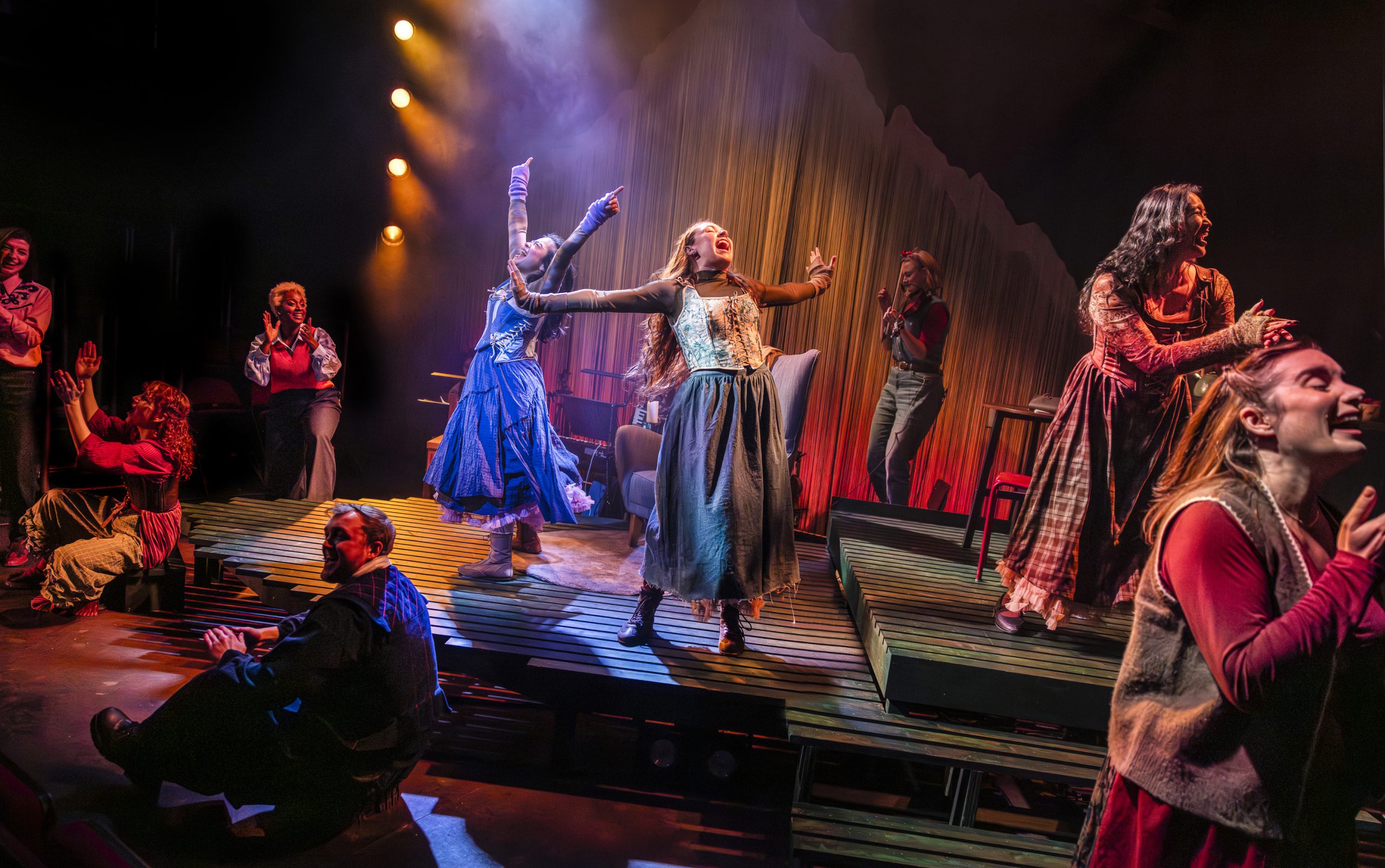
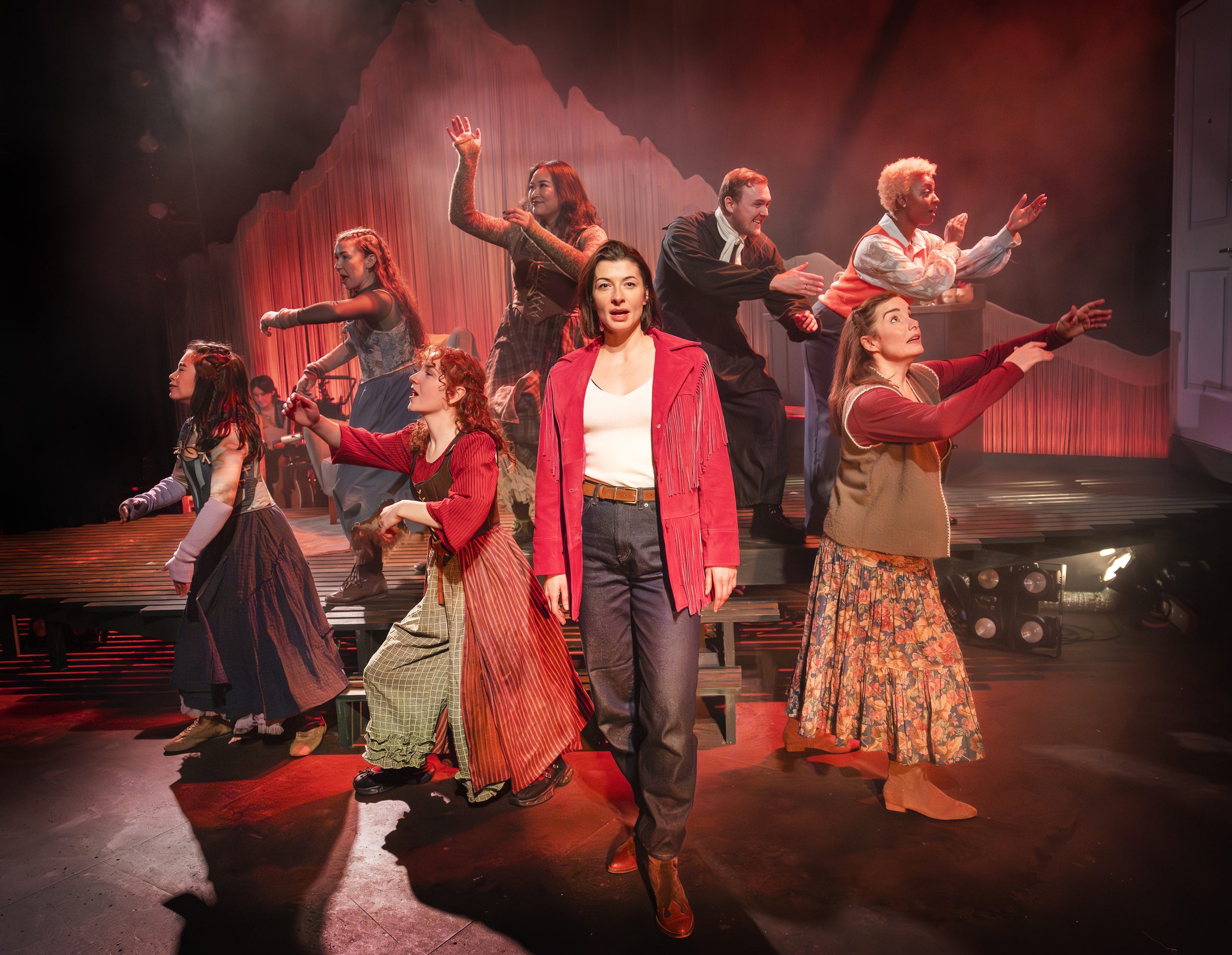
What’s changed the most since those early versions?
Finn:
Length, for one. The Fringe version was about 55 minutes. Now it’s more than double that. We’ve expanded the characters, deepened the story and written a lot more music. Only four or five songs from that original draft remain.
There were around a dozen songs back then. Now, including reprises, there are over 20. Some date back seven years, others were written just weeks before rehearsals at the Lyric. It’s never stopped evolving.
Tania:
Sarah and Alix have probably changed the most. We were in our mid-twenties when we began this, and we’re not now. We’ve grown up, had different relationships, watched friends become parents.
The world’s shifted too. Conversations around bodily autonomy and queer parenthood feel more urgent than they did in 2017. So the relationship at the centre has matured with us. As our understanding of family has deepened, so have they.
There’s a line where Alix talks about raising a Black child in Trump’s America. It’s brief, but it lands. Why did that feel important to include?
Tania:
When we first wrote these characters, we were in Obama’s America. That felt like a very different country, full of hope.
You can’t talk about parenthood in 2026 without acknowledging the political reality around it. So that line came from a sense that we couldn’t have this conversation about family, about bringing a child into the world, without also recognising the world that child would enter.
When you sit down to write, what actually happens? Who pushes a scene forward? What’s the process between you?
Finn:
It’s very organic. Most of it starts in conversation. We talk through what a character wants, what they might do to get it, what would be the most interesting choice. Story and structure grow out of that back-and-forth. It’s very 50–50 at that stage.
I remember sitting in a bar before a gig, the two of us on a laptop mapping the three women’s stories before going back into rehearsal the next day. That’s typical – we talk until something clicks.
Tania:
We’re also very responsive to what we see and read. Sometimes a piece of art unlocks something. When we were in New York and saw Once on This Island at Circle in the Square, we were so moved by the sense of ritual and community that the next morning Finn wrote the prologue.
It’s not a neat split of “you do words, I do music”. Finn works across both; I come from directing. It’s a more holistic way of building theatre.
Finn:
Then there’s a point where I need to close the door and write. I’ll draft a song, send it to Tania, and we’ll exchange notes. But I’ve realised I have to disappear into my own head to get something good down. I struggle if someone’s watching.
Are there a lot of voice notes flying between you? Finn, are you sending little musical sketches back and forth?
Finn:
Yeah, definitely. Especially in the latest redraft, there were loads of voice notes – different options for a verse, different directions for a song. I’ll send something and ask, which one speaks to you? Or I’ll say, I don’t know what they should be singing about in this bridge – talk to me for five minutes and I’ll turn it into something that rhymes. There’s a lot of that exchange.
Tania:
That’s one of my favourite things about working with Finn. His music is so emotive that even when he’s just wailing nonsense syllables, I know exactly what the character’s feeling. The sound alone tells me. It’s quite special, actually.
Finn:
There is a lot of wailing.
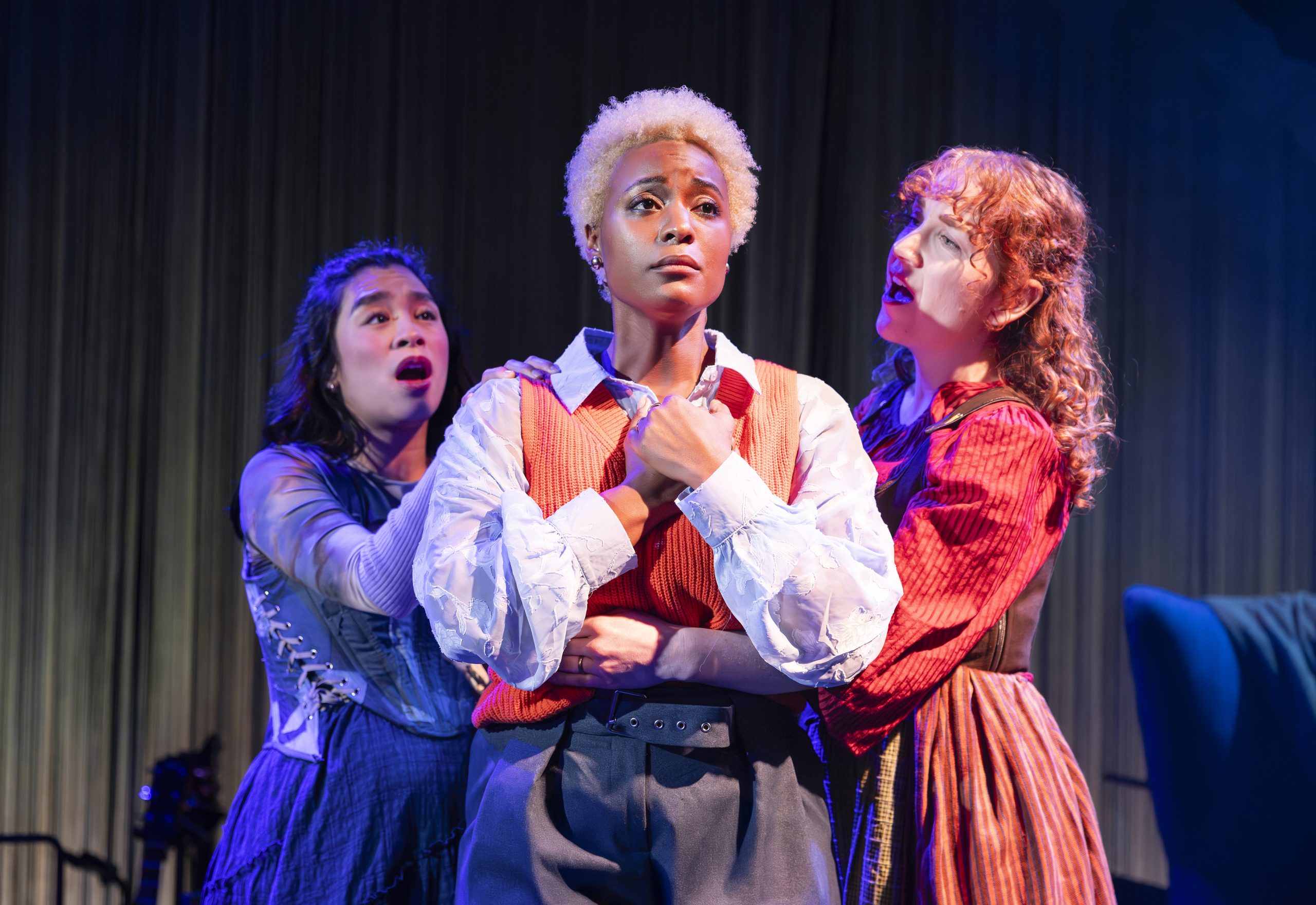
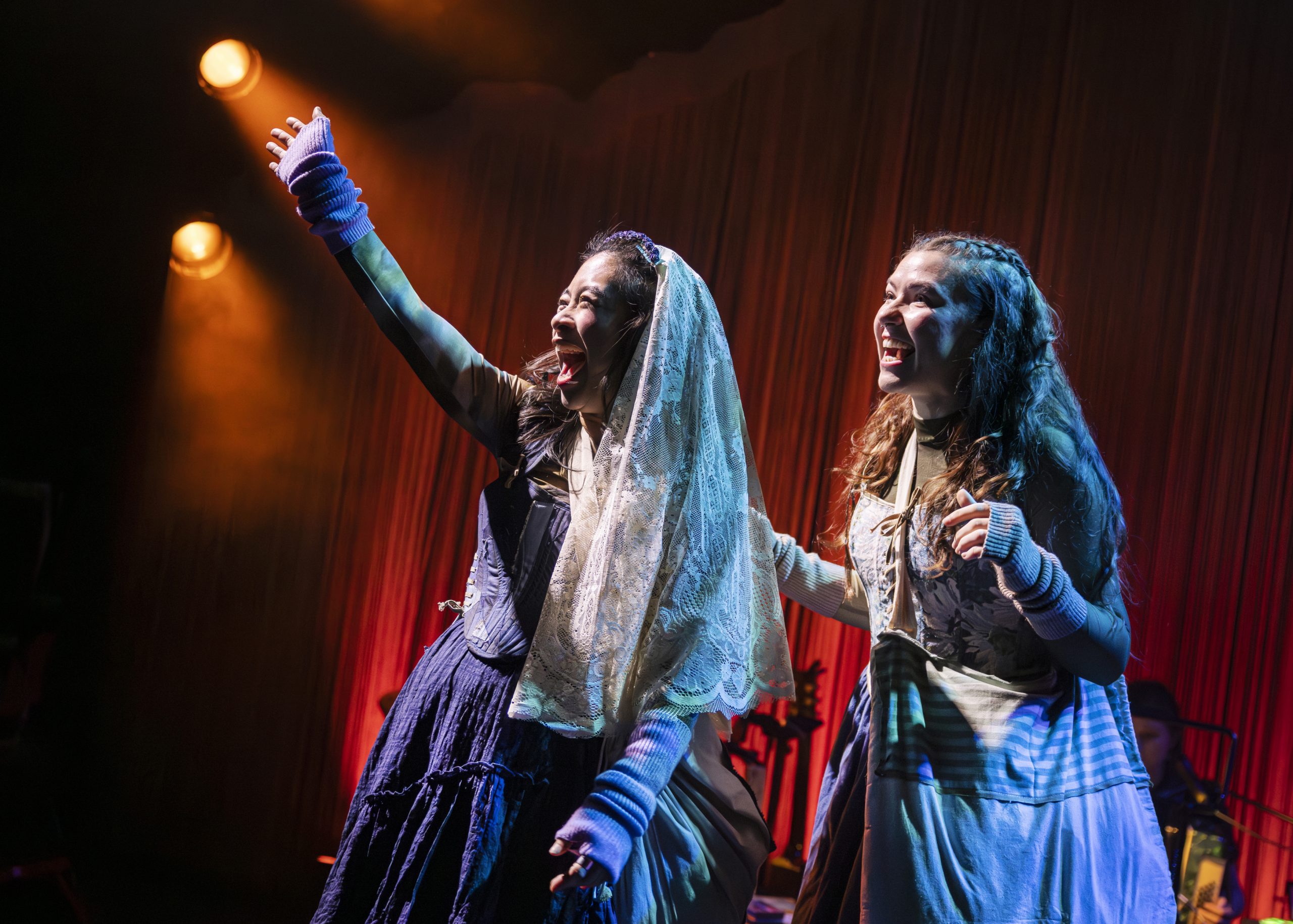
Tania, when you’re directing a room full of hugely experienced performers – Olivier Award winners included – do you ever have to get your own insecurities out of the way?
Tania:
A little. But I’ve reached a point where I feel certain directing is what I’m born to do. When I’m holding a space where everyone’s aligned, I feel completely in flow.
That said, as a young-ish woman, there have been rooms where I’ve had to work harder for that authority. I’m younger than many directors, and that doesn’t always play in your favour.
A huge part of the job is choosing the right people. Finn and I were very deliberate about the cast and creatives we brought in – people who aligned with us not just artistically, but in how they work. If you get that right, the room takes care of itself. This process has felt completely in sync, and genuinely joyful.
Folk music feels very present in theatre at the moment – I loved Benjamin Button. Why do you think audiences are responding to it right now?
Finn:
When we started this, Once was really the main touchstone. There weren’t many full-scale folk musicals around. Now there are more, which is exciting.
Folk ballads are dramatic and deeply human – that naturally overlaps with musical theatre. And at a time when there’s a lot of polished, pop-driven work, maybe audiences are also craving something more grounded.
There’s a quote I love about Celtic fiddle music – that it can hold all the joy of the world and all the grief of the world in one melody. I think that’s true. Folk holds big feelings without feeling slick.
Tania:
It feels emotionally raw. Folk music plugs straight into the heart without pretence.
When there’s a lot of glossy musical theatre around, it makes sense that audiences might want something that feels more immediate and human.
How much of the show’s sound world comes from your own background, and how much was shaped specifically for this piece?
Finn:
It’s both. I grew up around a lot of folk music – ceilidhs, gatherings, songs being passed down. That was just part of life. So diving into Scottish culture for this show felt very natural.
But I’m not exclusively a folk musician. I write in lots of different styles. This project was an opportunity to really commit to that lane and do it properly – researching ballads, finding tunes that matched the stories we wanted to tell.
At the same time, whatever you draw on, it comes out filtered through you. I write words and music together, quite instinctively. So even when I’m immersed in traditional material, it still ends up sounding like me.
And then, of course, parts of the score are traditional – woven in alongside the original writing.
It was clearly important to you to centre a queer couple in this story. Why did that matter so much?
Tania:
Partly it was about putting the representation we wanted to see on stage. But more than that, once you’re telling a story about family, inheritance and passing something down, the conversation shifts if the couple at the centre is queer.
It opens up different questions. What does legacy mean? What does parenthood mean? What does it mean to inherit a culture and decide what to do with it? For us, that felt exciting.
When you place a queer person at the end of this huge family tree, wrestling with what to keep and what to reshape, it opens a lot of boxes. It felt honest to our lived experience.
Finn:
And if you’re talking about tradition – about songs passed down through generations – there’s something powerful about a queer character trying to find themselves in material that doesn’t necessarily reflect them.
If you love that music but don’t see your story in it, there’s a tension there. Part of Sarah’s journey is figuring out how to sing those songs in her own way and feel that she belongs in that tradition too.
So it became about identity as much as family – how you locate yourself within inheritance, culture and community.
Did you ever feel any tension placing a queer love story inside something so rooted in tradition and lineage? Or did it just feel natural?
Finn:
It felt natural in terms of the story, but there was a practical challenge. A lot of traditional ballads centre men and women in very heteronormative ways – romanticising women through a male gaze, warning women about men, kings and lords, that kind of thing.
So when we were looking for traditional material to weave into Sarah and Alix’s journey, it wasn’t always easy. The songs don’t necessarily reflect that relationship.
Tania:
Which is partly the point. By the time we reach Sarah’s own song, she’s essentially saying, I don’t have a ballad for me, so I’m going to make one.
So it wasn’t tension in terms of whether it belonged there. It was more a dramaturgical problem we had to solve – and that problem actually shaped her journey.
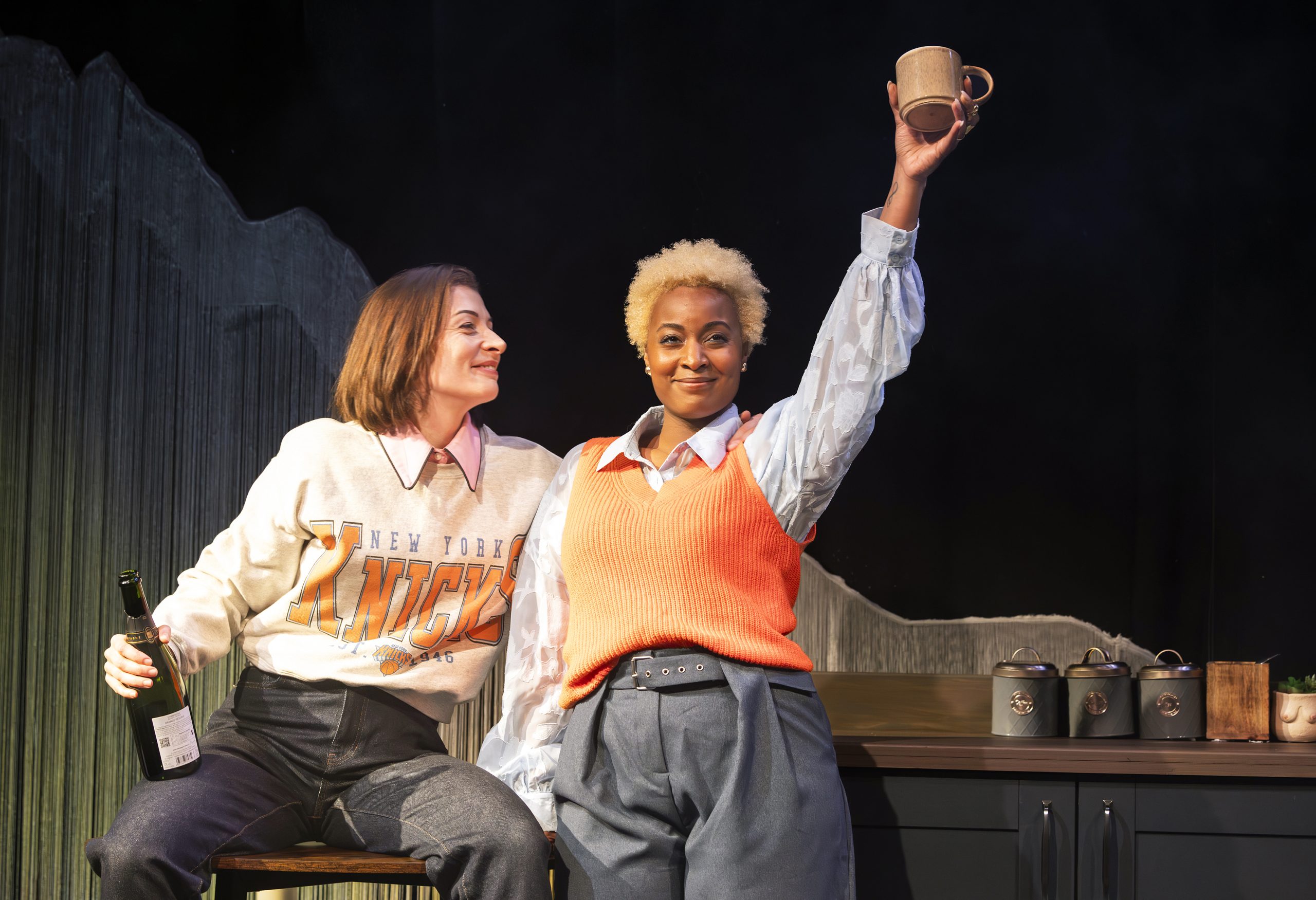
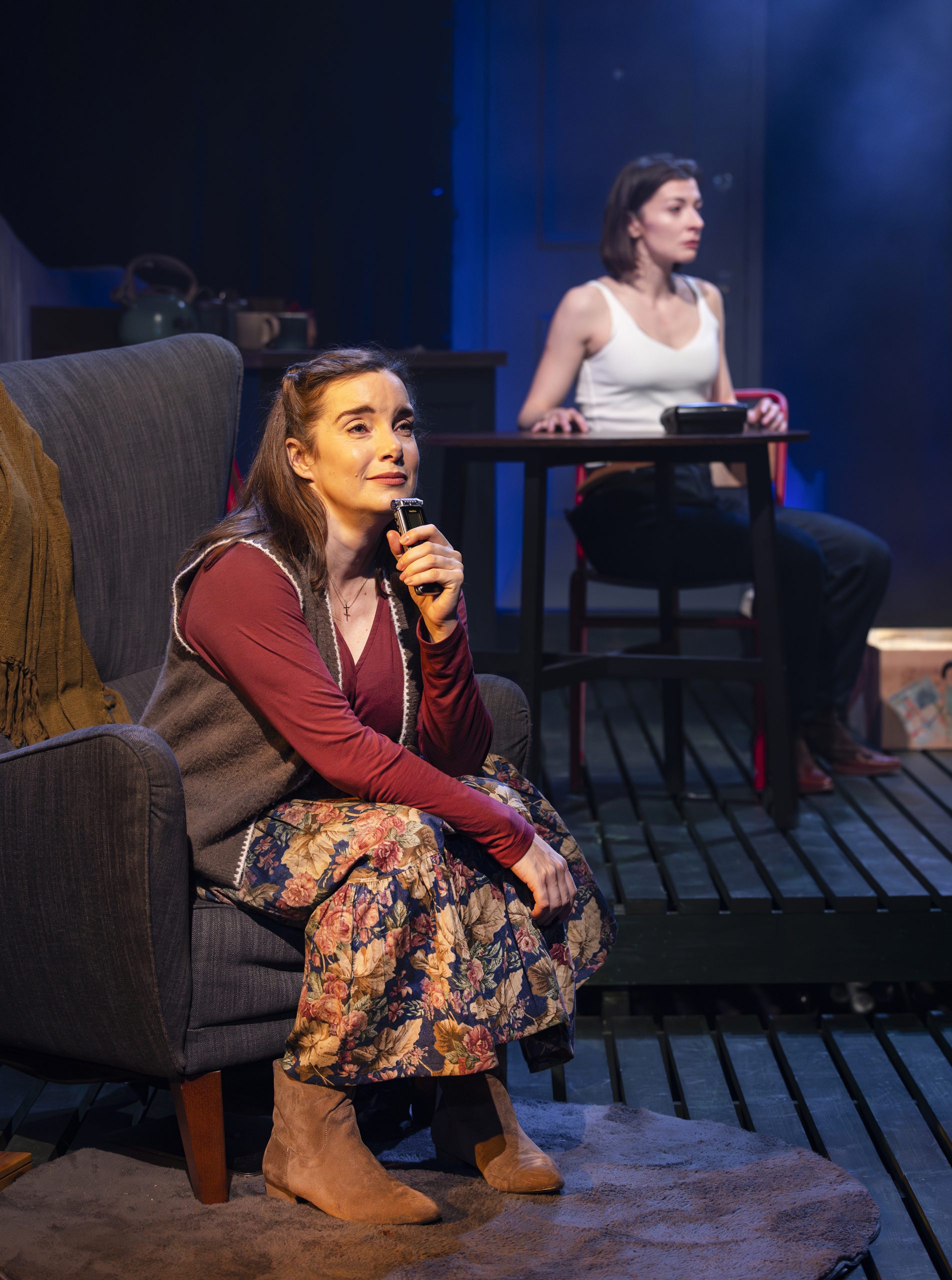
There are moments where Sarah and Alix think they’re heading in the same direction and suddenly they’re not. How do you write that without turning one of them into the villain?
Tania:
That’s been the crux of writing them. Neither of them is the bad guy. They both have completely valid points.
We’ve talked a lot about making sure the audience understands that both women are entitled to what they want – especially when the conversation is about their bodies and their futures. It’s important that it feels like an adult, thoughtful conflict rather than one person being wrong.
Finn:
And there’s baggage the audience brings with them. There’s still this conditioning that says loving women should want motherhood. So you have to be careful not to let that bias tip the scales.
We’ve worked hard to make sure you understand both perspectives. We’re not rooting for one over the other – we’re rooting for them as people.
Tania:
Casting helps too. Sydney Sainté brings such warmth to Alix. You meet her and you’re immediately on her side. That does a lot of the work in making sure the audience holds compassion for both of them.
Betty is such a strong presence in the show. How careful were you not to turn her into a straightforward antagonist?
Finn:
Her relationship with Sarah has evolved a lot. In the very first version, Betty was more of a narrator, an ancestor figure. Their relationship was gentler. The confrontation that now anchors the piece wasn’t really there.
As the writing developed, we realised there were more layers to her. She couldn’t just be symbolic – she had to feel human.
Tania:
As we deepened Sarah, we had to ask what shaped her. Why did she never see herself as a mother? Why couldn’t she imagine that future?
Once we understood that she’d grown up without seeing herself reflected – unable to picture being both queer and a parent – Betty became central. The heart of the piece is really Sarah and Betty, and that idea of forgiveness. Forgiving where you come from so you can move forward.
For that to land, the audience can’t simply write Betty off. You have to hold some empathy for her, even if you’re not sure where you stand. We want the audience to confront that past at the same moment Sarah does.
Movement feels central to how lineage and memory are expressed in the show. When you brought Tinovimbanashe Sibanda in as choreographer, what were you hoping movement would add that words and music couldn’t?
Tania:
We’ve always talked about movement being essential to this piece. Tino and I have worked together before – on Rent – so there’s a shared language there.
We wanted the movement to evoke something earthy and ancestral, something that feels carried in the body across time. We spoke a lot about what gets passed down physically, not just culturally. What do these women carry in their bodies?
Finn’s music is visceral and elemental, so we needed someone who could really grab hold of that and physicalise it. Tino’s done that beautifully.
Finn:
I probably make it harder by writing movement into the score – stamping, clapping, hitting chests, that kind of thing. But folk music is physical and communal. Tino embraced that and ran with it.
Frances McNamee and Sydney Sainté have to hold this relationship at the centre of the story. What did you see in them during casting that made you confident in that emotional core?
Finn:
We were lucky in that we could see them together in the room. Fran had worked on the album, so we knew her voice, but when she and Sydney read and sang opposite each other, there was something immediate.
Their voices blended beautifully, but it was more than that. There was a spark, a lightness, a humour between them. Sometimes you just feel that energy and can imagine how it will translate on stage. It’s instinctive.
Tania:
At its simplest, it was chemistry. They’d just met, and we were already rooting for them. That doesn’t always happen in auditions. But as soon as we saw it, we knew.
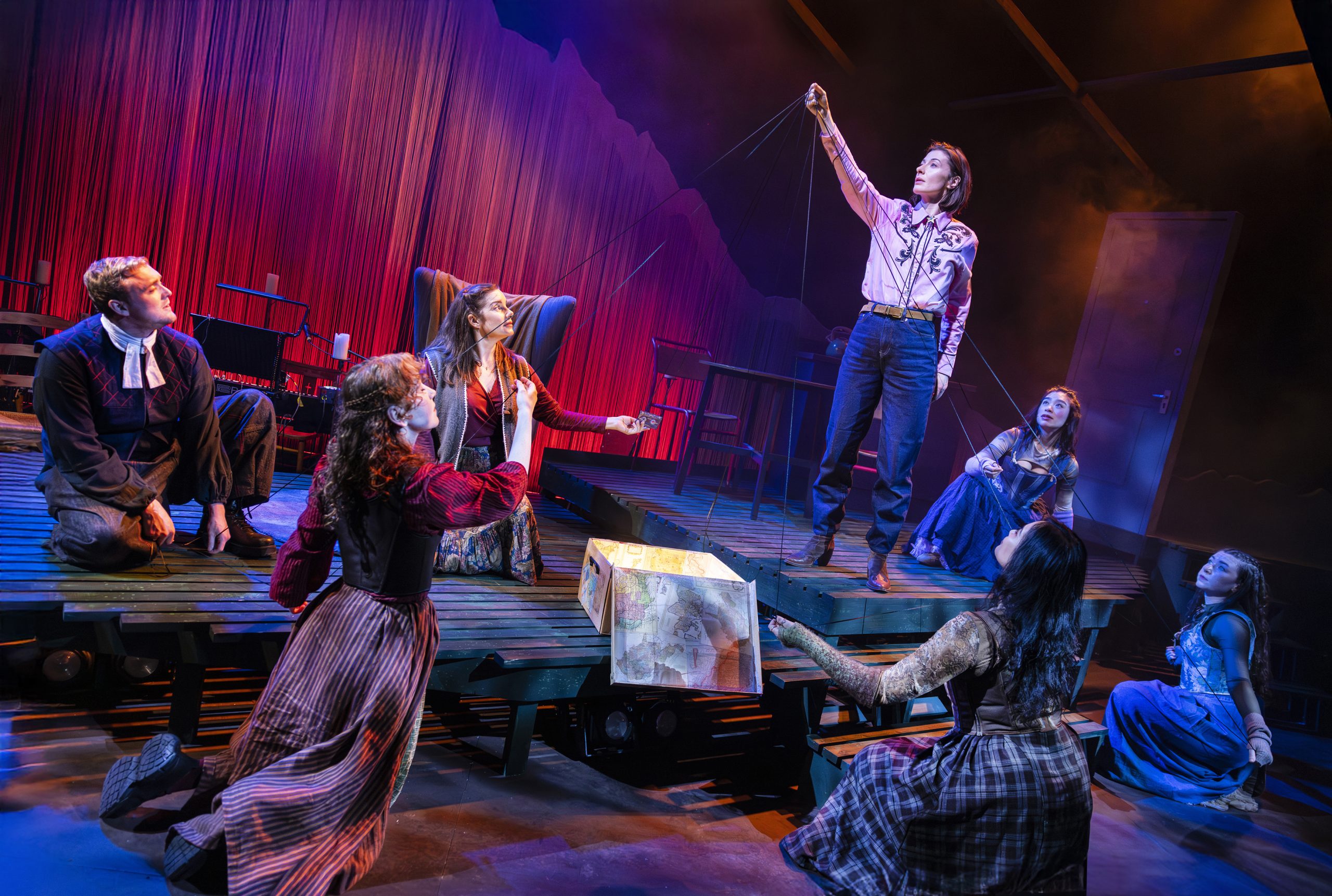
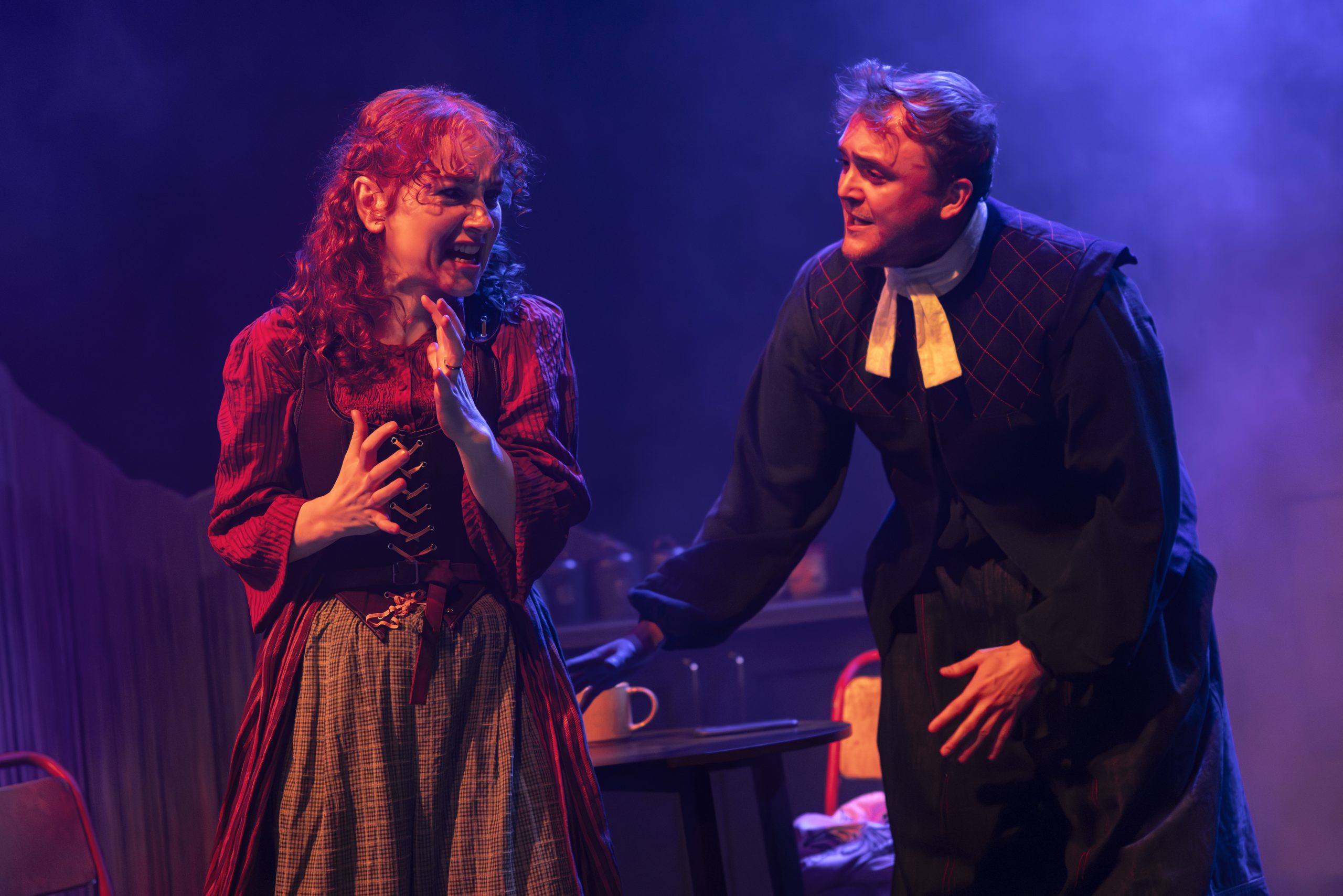
Right now the show feels intimate and rooted. If it moved to a bigger theatre, have you talked about how it might change?
Tania:
We dream about that all the time. It works beautifully in an intimate space, but the story itself is epic. It crosses continents. There are voyages and ships and generations. There’s something exciting about imagining that scale realised more fully in a larger venue.
Finn:
Musically, I can hear it bigger. The first production had 16 students, and the album has eight musicians, so there’s a much larger sound in those versions. In a proscenium space, you can shape the sound differently than in a thrust.
That said, I love that it also works as an intimate piece. There’s something special about it existing in different scales and still holding up.
If this show is still being talked about in ten years – and it should be – what would you hope people are saying about it?
Tania:
I’d hope they say it moved them. And that it made them think about where they come from and what they choose to carry forward.
Finn:
I’d hope it softened people a little. That it helped them empathise with experiences that aren’t their own.
If it makes people listen to each other better, or meet somewhere in the middle, even a little more than before, that would feel like a good legacy.
Ballad Lines is playing at Southwark Playhouse Elephant until 21st March 2026.
Get your tickets now at southwarkplayhouse.co.uk
Words by Nick Barr
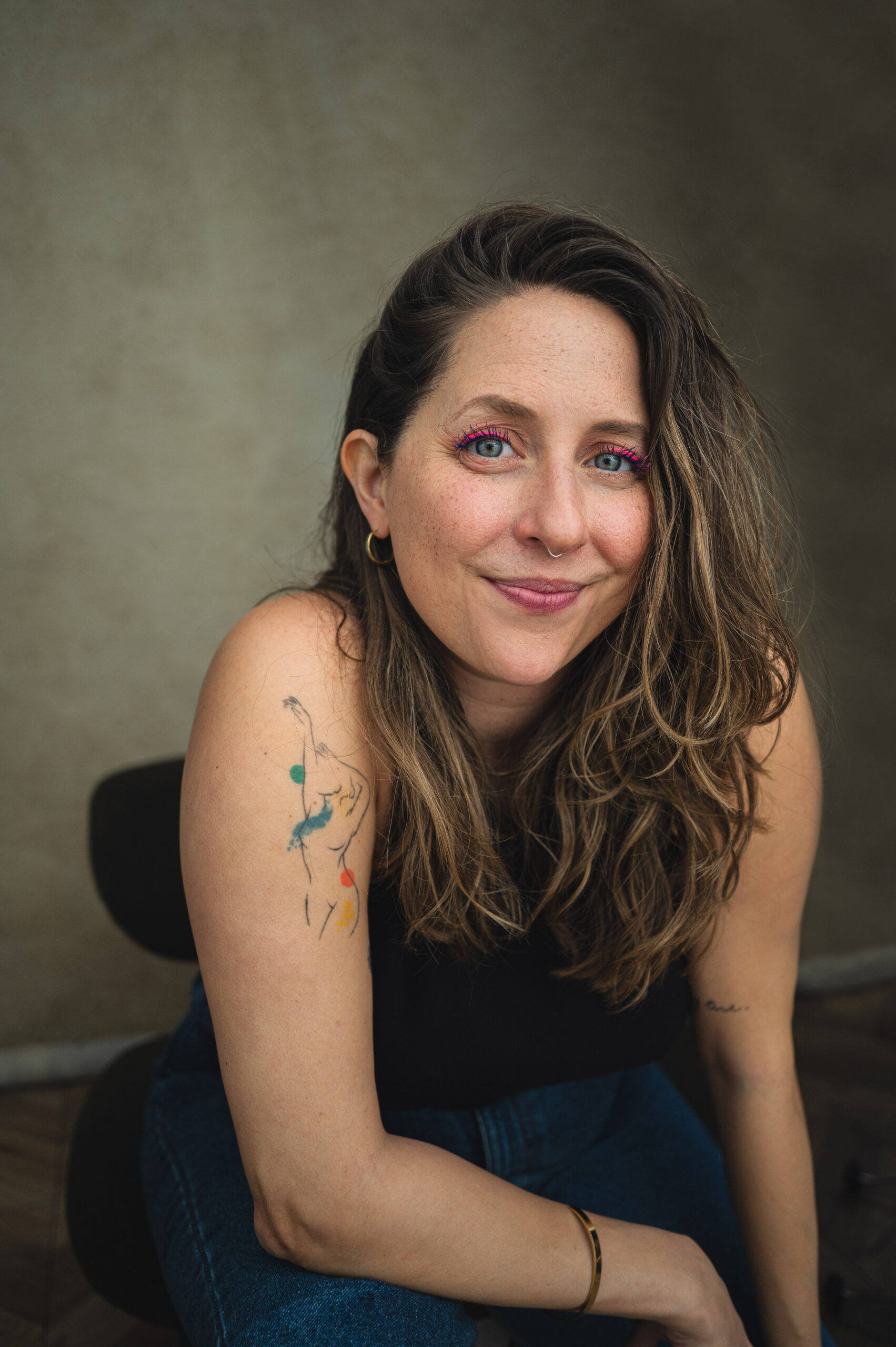
Portrait of Tania Azevedo by Jake Stewart
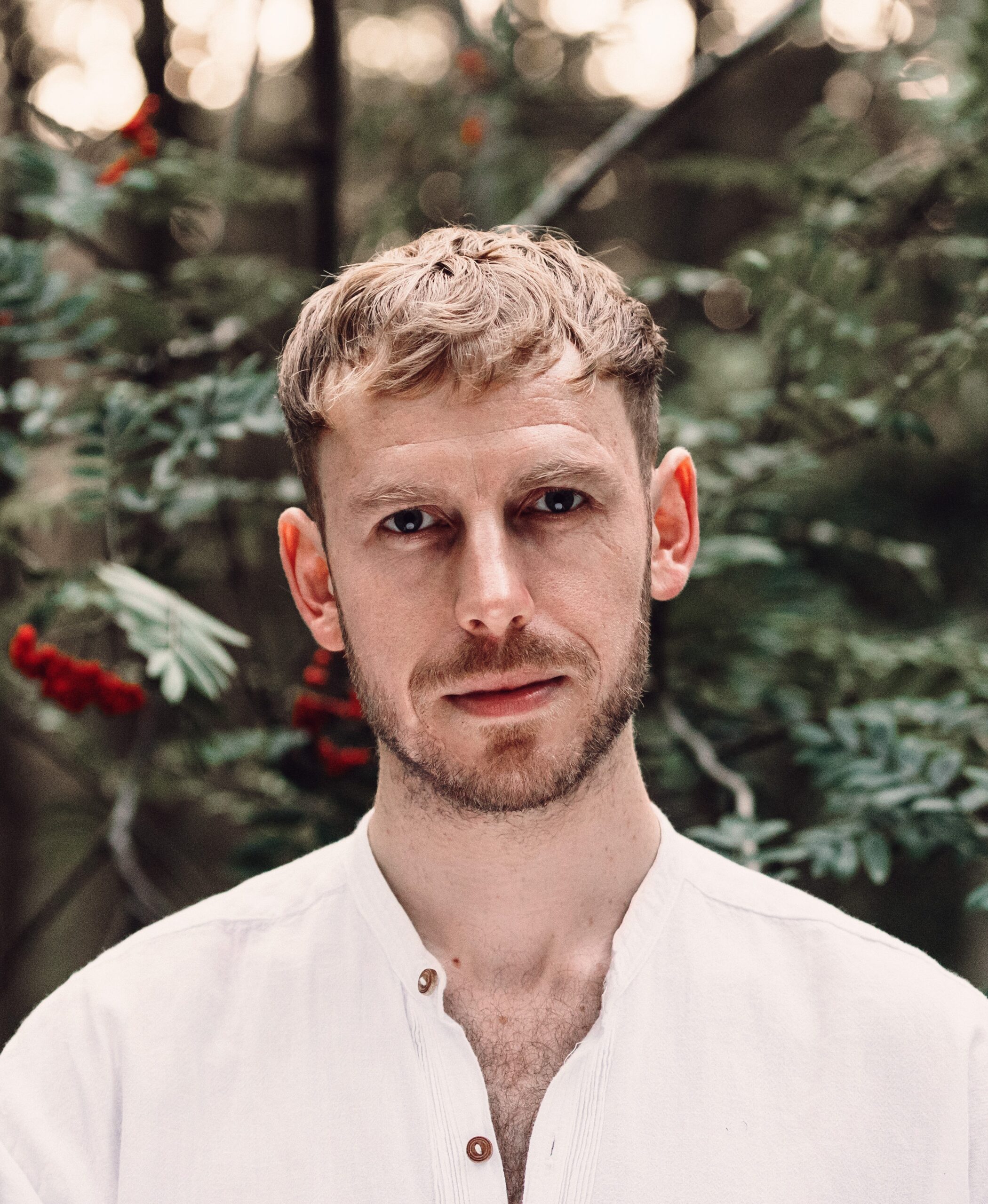
Portrait of Finn Anderson by Elly Lucas
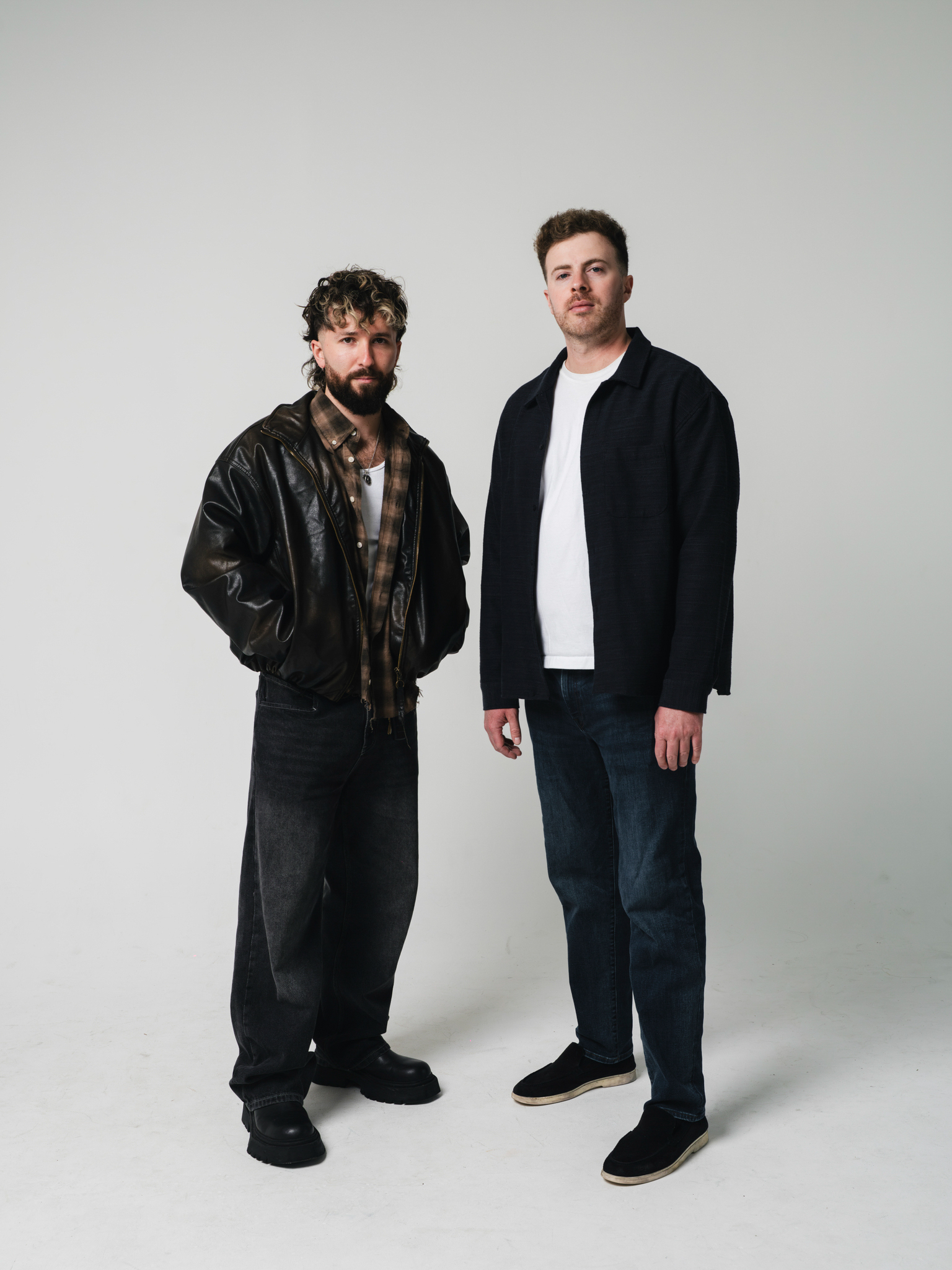
Portrait of Finn and Tania by Tommy Ga-Ken Wan
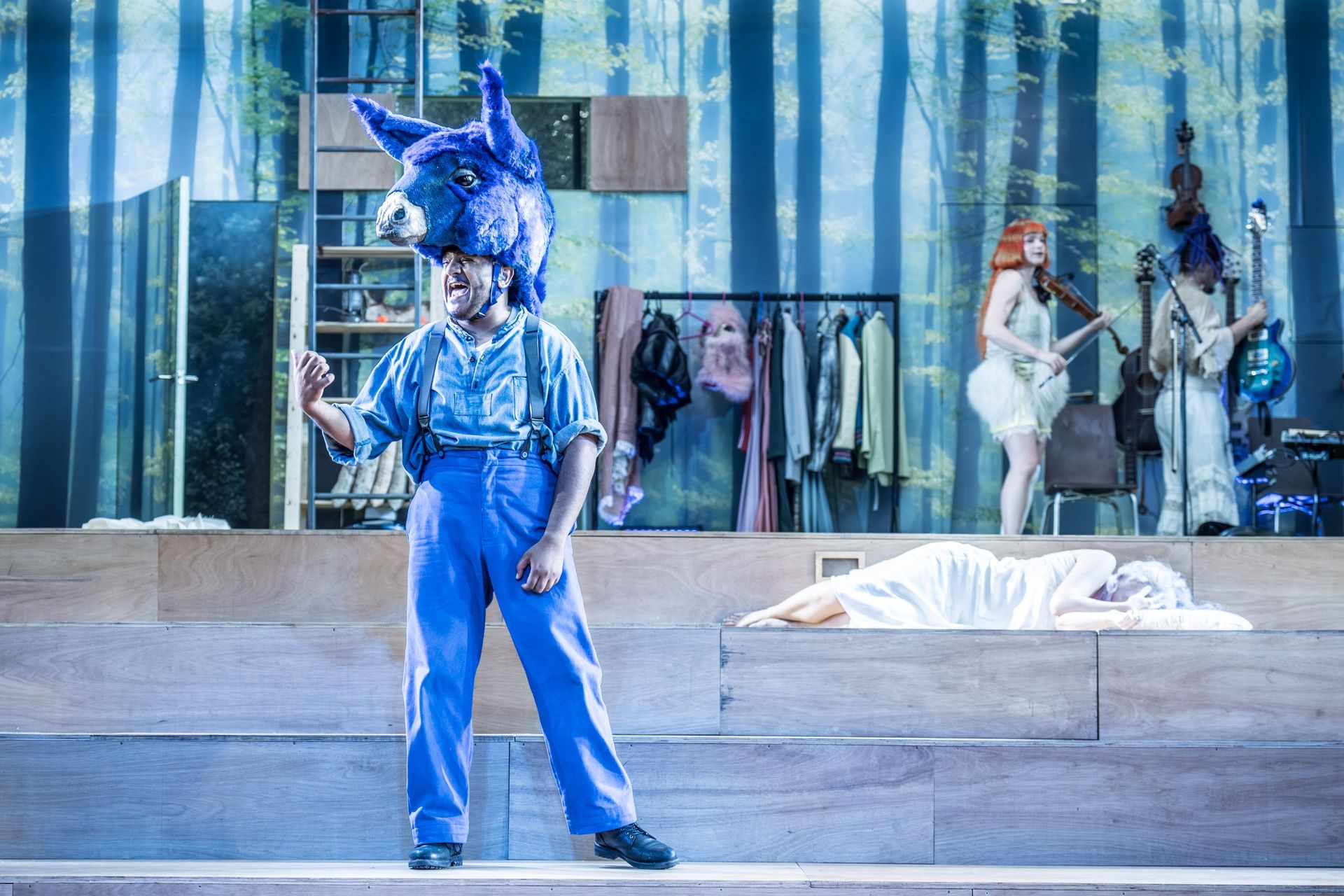
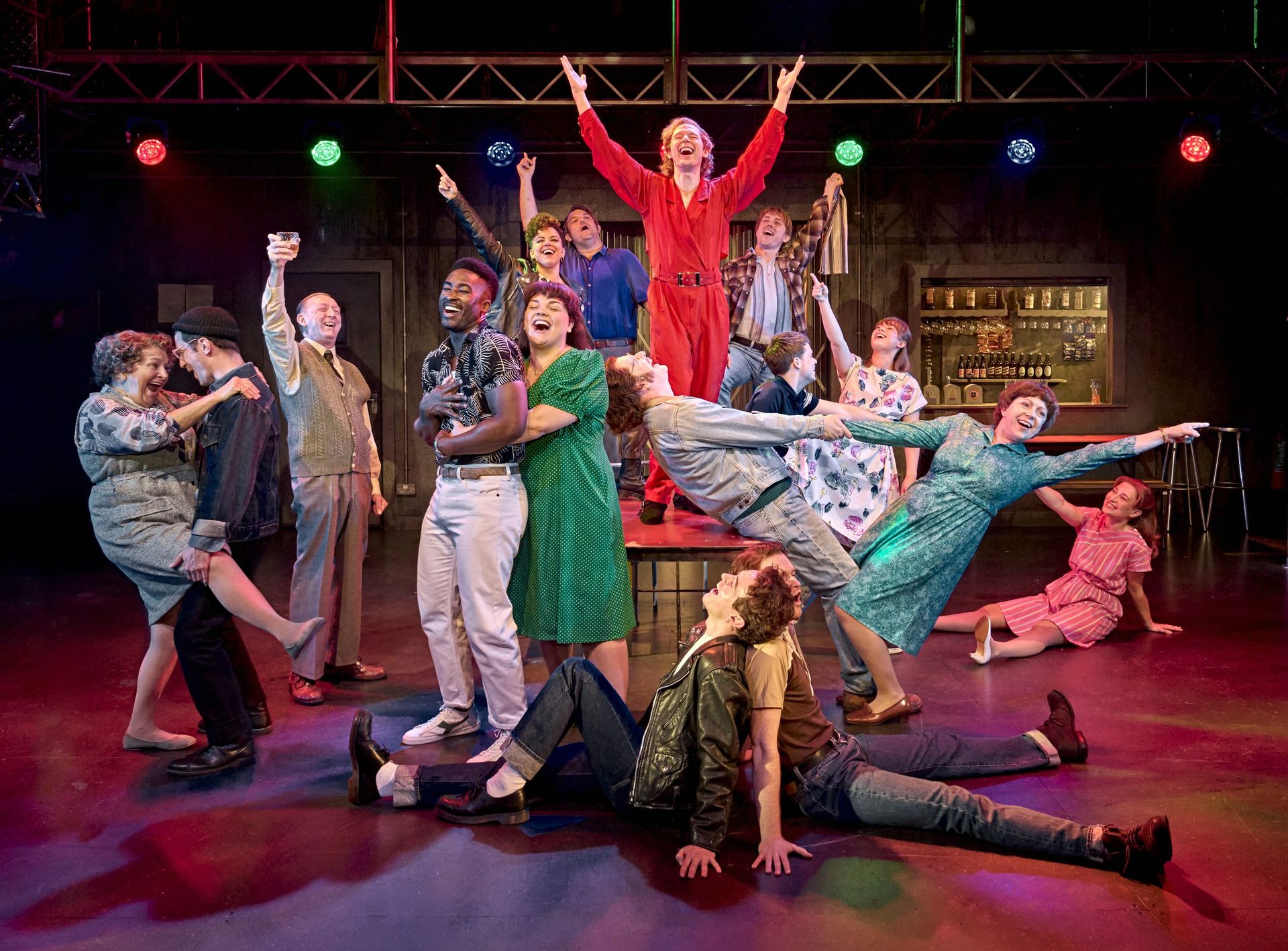
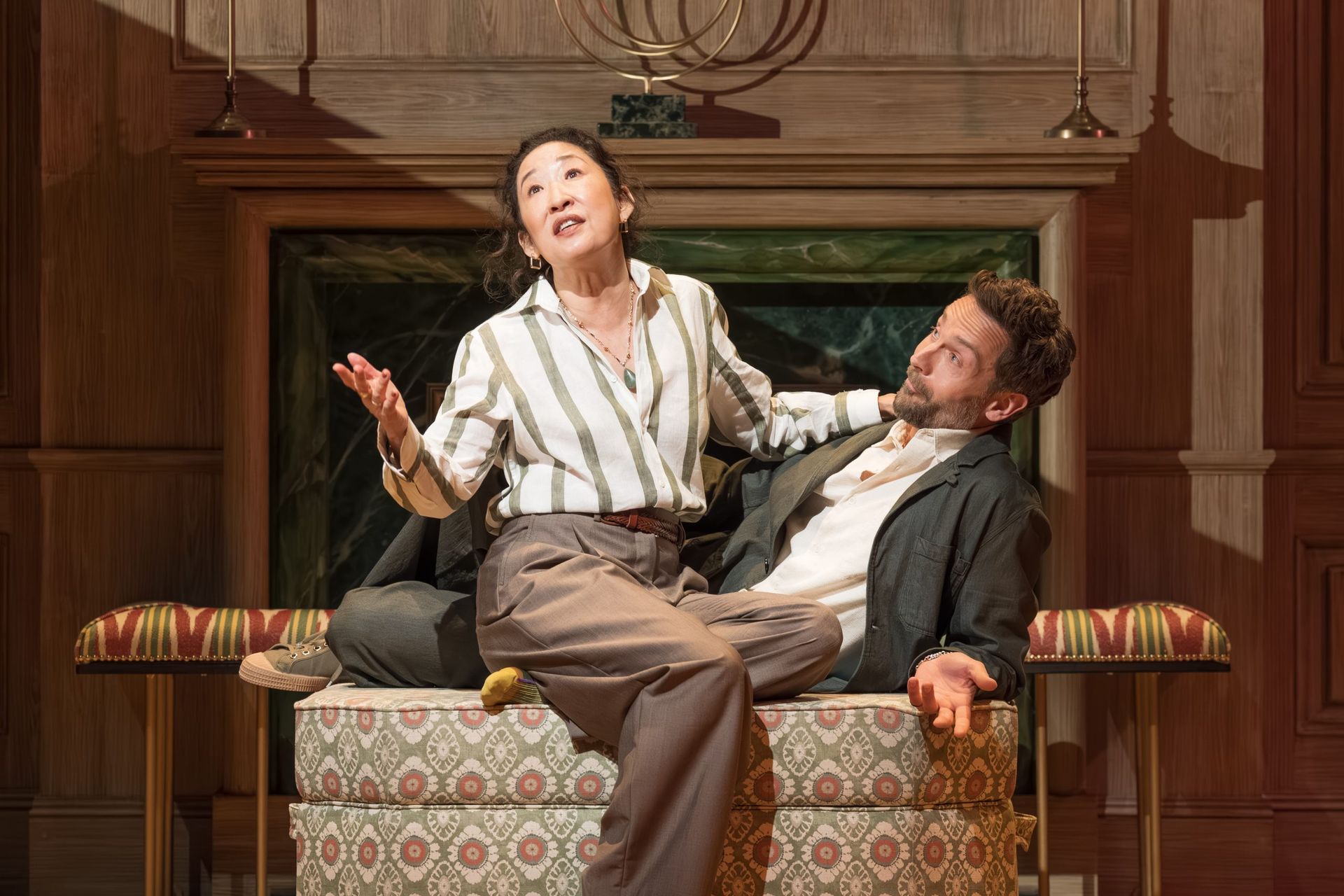
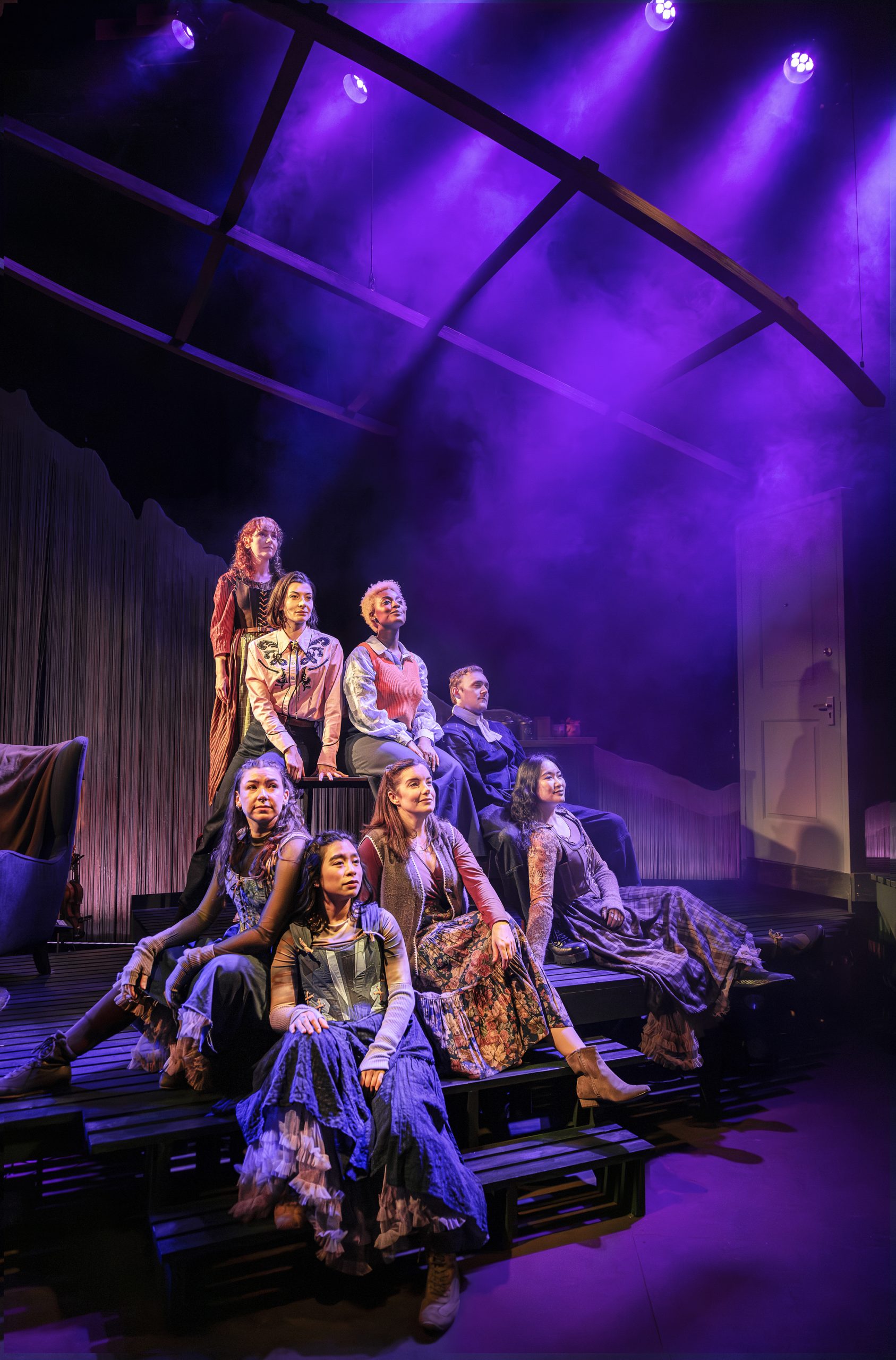
Production photography Pamela Raith