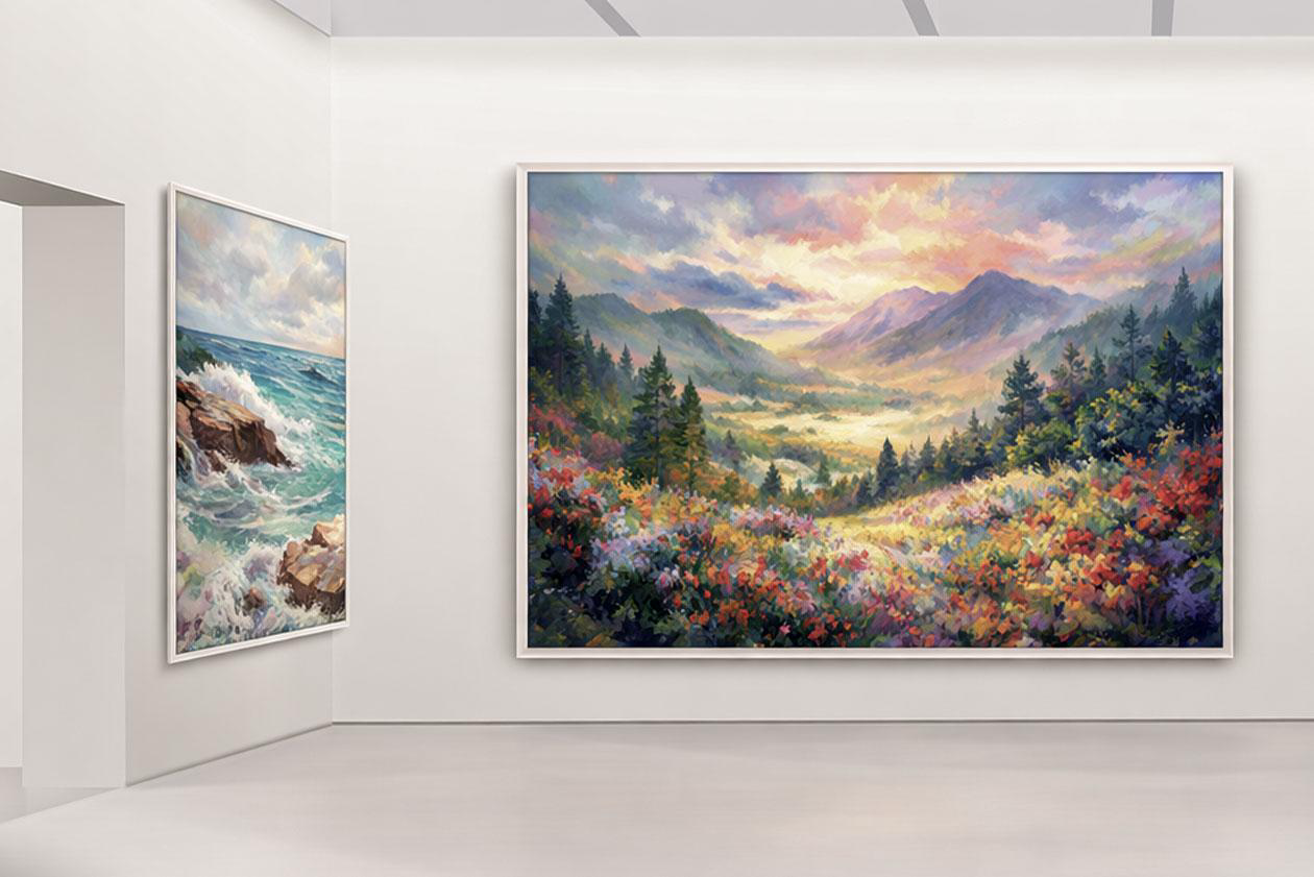
For many artists, creating work is only the first step in a much longer journey. Beyond the studio, the way your art is shared, displayed, or published can be just as important as the ideas behind it. Over the years, I’ve learned that paying attention to both the creative process and its presentation makes a tangible difference in how audiences experience your work.
When I start a new project, I focus on collecting inspiration from real-life observations. It might be the way light falls across a surface, an unusual texture, or a momentary expression that tells a story. These small details become the foundation for sketches and experiments, forming a visual diary of ideas in progress. I don’t aim for perfection at this stage—my goal is to explore possibilities and understand how each element interacts.
Experimentation is key. I often combine traditional techniques with new materials, layering digital elements with hand-drawn strokes or adding textures that challenge expectations. This approach allows the work to evolve organically, sometimes in unexpected directions. Each decision—whether adjusting a color, changing paper type, or experimenting with layout—is part of a larger dialogue between vision and discovery.
Once a piece is ready, the next step is turning it into something shareable. A well-presented print, a book, or an exhibition can dramatically change how your work is perceived. For those looking to self-publish their art, resources likeFrom Shanghai Studio to Swiss Gallery offer practical tips on producing your own art book, from selecting paper to managing print runs. Equally important is working with a skilled printing partner who understands color, texture, and materials—this ensures that your vision translates accurately into the final product. A high-quality print can make subtle details stand out and convey the depth of your work to a wider audience. Good printing is not just technical—it amplifies the artist’s voice.
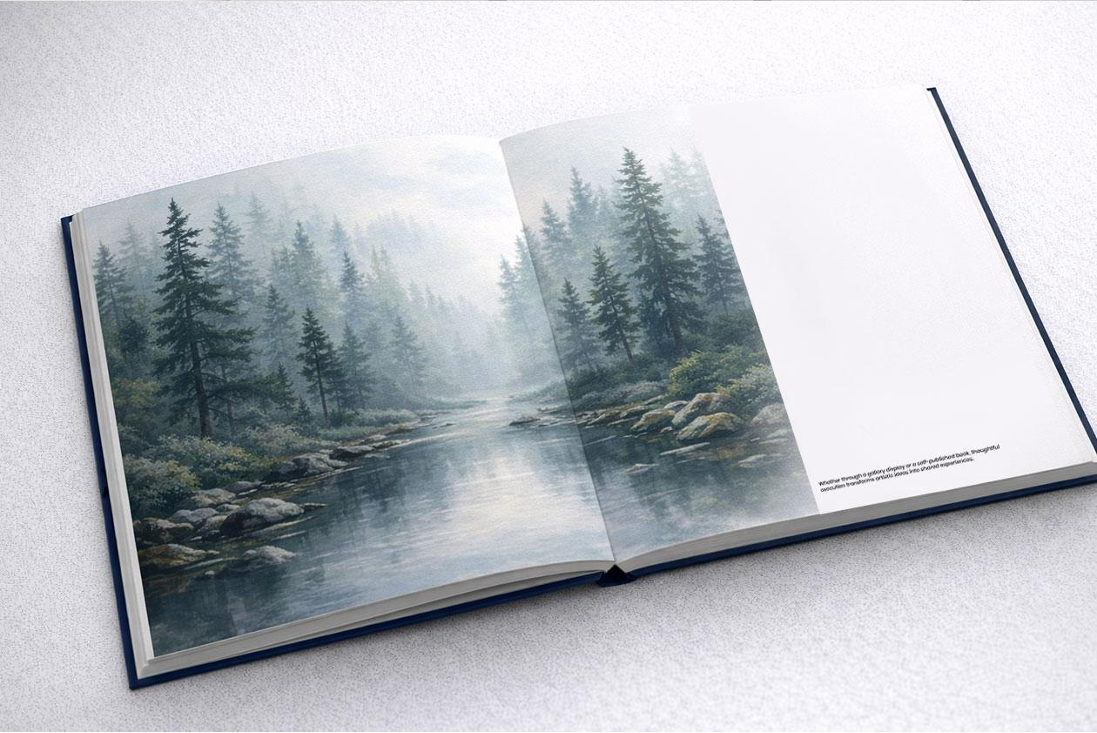
Presentation extends beyond printing. The way work is framed, lit, or displayed affects perception. In recent projects, I’ve explored pairing printed art with digital projections or interactive installations. These combinations invite viewers to engage more actively, creating an experience rather than simply observing a static piece. Even simple choices, like the type of paper, finish, or binding, can influence how your work is handled, seen, and remembered.
Collaboration also plays a significant role in the process. Working with curators, designers, and fellow artists provides new perspectives, helping refine ideas and expand creative vocabulary. Sharing feedback and experimenting with different approaches encourages growth and can push a project in unexpected, rewarding directions.
For emerging artists, the advice is straightforward: be curious, embrace experimentation, and pay attention to the details that make your work unique. Sketch, test, print samples, and see how your work interacts with different materials and settings. And remember, while your creative vision is central, a reliable printing partner is crucial in transforming your work from concept to tangible experience that resonates with audiences.
Ultimately, creating art is a conversation—between ideas, materials, collaborators, and viewers. Every sketch, print, and exhibition contributes to that dialogue. By balancing creativity with careful consideration of presentation and publication, artists can ensure their work reaches people as intended, leaving a lasting impression. Whether through a gallery display or a self-published book, thoughtful execution transforms artistic ideas into shared experiences.