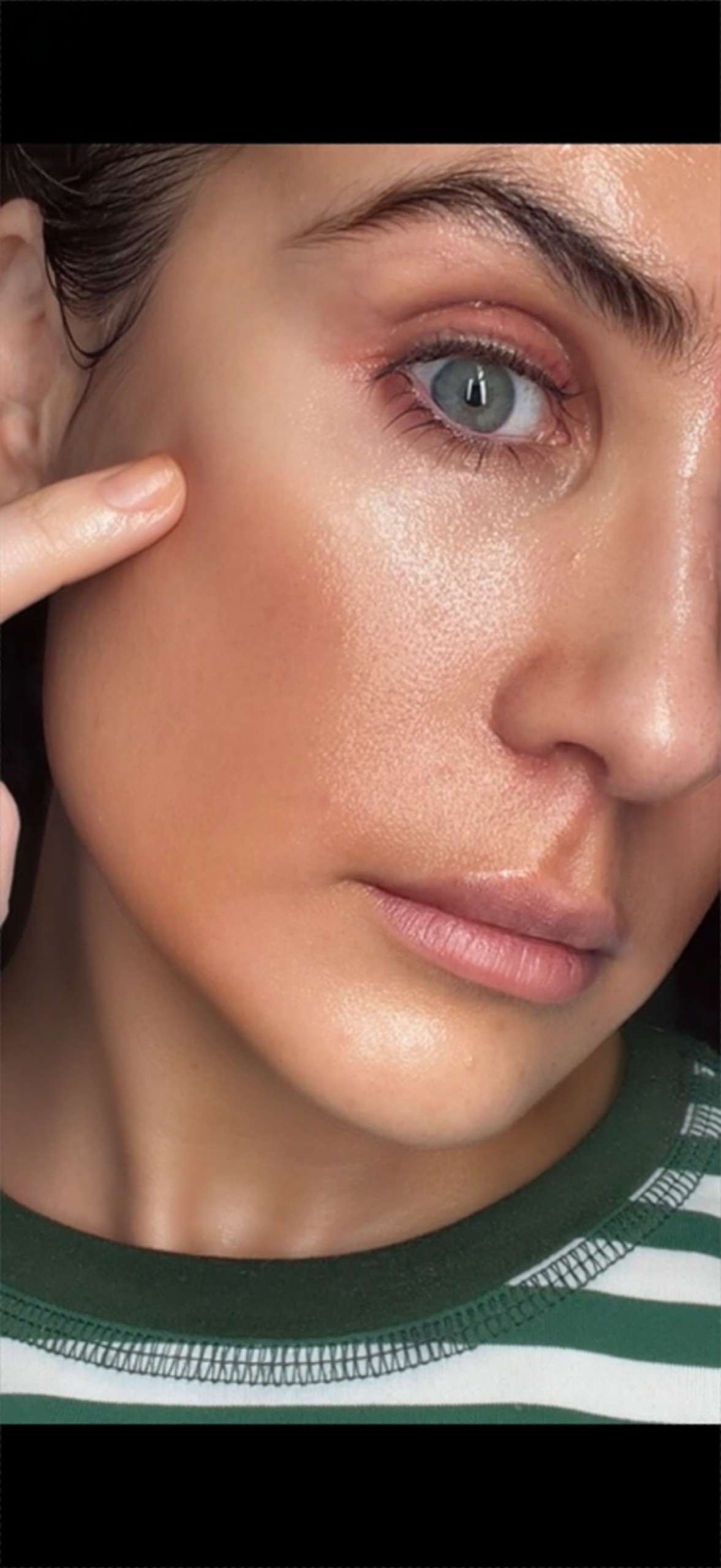
Adhesive treatments stay popular because the results show up right away. The strip comes off and the surface looks cleaner, which makes the process feel effective even if the improvement does not last long. Many people keep a pack nearby and reach for it whenever the nose starts looking rough again.
The routine often develops without much planning. Someone uses a strip once, likes the result, then repeats it a few days later. After a while it starts to feel like ordinary maintenance instead of something occasional. The skin usually tolerates this for a time before small changes begin to show.
Habits Form Around the Pulling Sensation
People remember the moment the strip lifts away almost as much as the result. The pull feels strong but controlled, and the surface feels smoother afterward. That sequence becomes familiar enough that it stops feeling aggressive.
The skin often feels slightly tight once everything dries. Most people notice it when they move their nose or upper lip. The feeling usually fades, so it rarely gets much attention.
A strip removes more than visible debris. It also takes away part of the thin outer layer that normally slows moisture loss. The surface replaces that layer, but repeated removal shortens the time available for recovery.
Products that rely on adhesive tend to work the same way each time. The difference is how often the skin gets disturbed.
Repeated Removal Leaves Subtle Signs
The nose usually shows the earliest changes. The area may look normal in the mirror but feel a little rough when touched. Oil often returns quickly, sometimes by the next morning.
Regular users of pore strips sometimes describe needing them more often than they did at the beginning. The surface never quite stays clear for long. It becomes a cycle that feels practical even if it keeps repeating.
Minor irritation becomes easier to trigger once the barrier is stressed. Rubbing with a towel or using a stronger cleanser may leave the skin pink for longer than expected. Nothing dramatic happens. The skin just reacts faster than before.
People usually notice the difference only after a few months. It happens slowly.
Oil and Moisture Stop Settling
Barrier stress often shows up as uneven balance rather than dryness alone. The nose may feel dry after washing but shiny a few hours later. The change feels confusing because the surface still looks fairly smooth.
Some respond by cleaning the area more aggressively. Others apply heavier moisturizers and hope the dryness improves. Both approaches can make the cycle harder to recognize.
The skin keeps adjusting instead of settling into a steady pattern. Results vary from week to week. That inconsistency often leads to more frequent treatments.
Most people assume buildup is the cause. The barrier rarely gets blamed.
Recovery Takes More Time Than Expected
Skin can repair small disruptions without leaving obvious marks. The outer layer rebuilds gradually through normal turnover. This process takes longer than most routines allow.
When adhesive removal happens too often, repair overlaps with the next treatment. The surface rarely gets a quiet period. Sensitivity builds in small steps.
Some people notice lingering redness after a warm shower or after applying familiar products. The reaction fades, but it comes back easily. The skin looks fine most of the time.
Spacing treatments farther apart usually allows the surface to settle again. The tight feeling fades first. Oil balance improves more slowly. With enough time between treatments, the skin often returns to a steadier pattern.