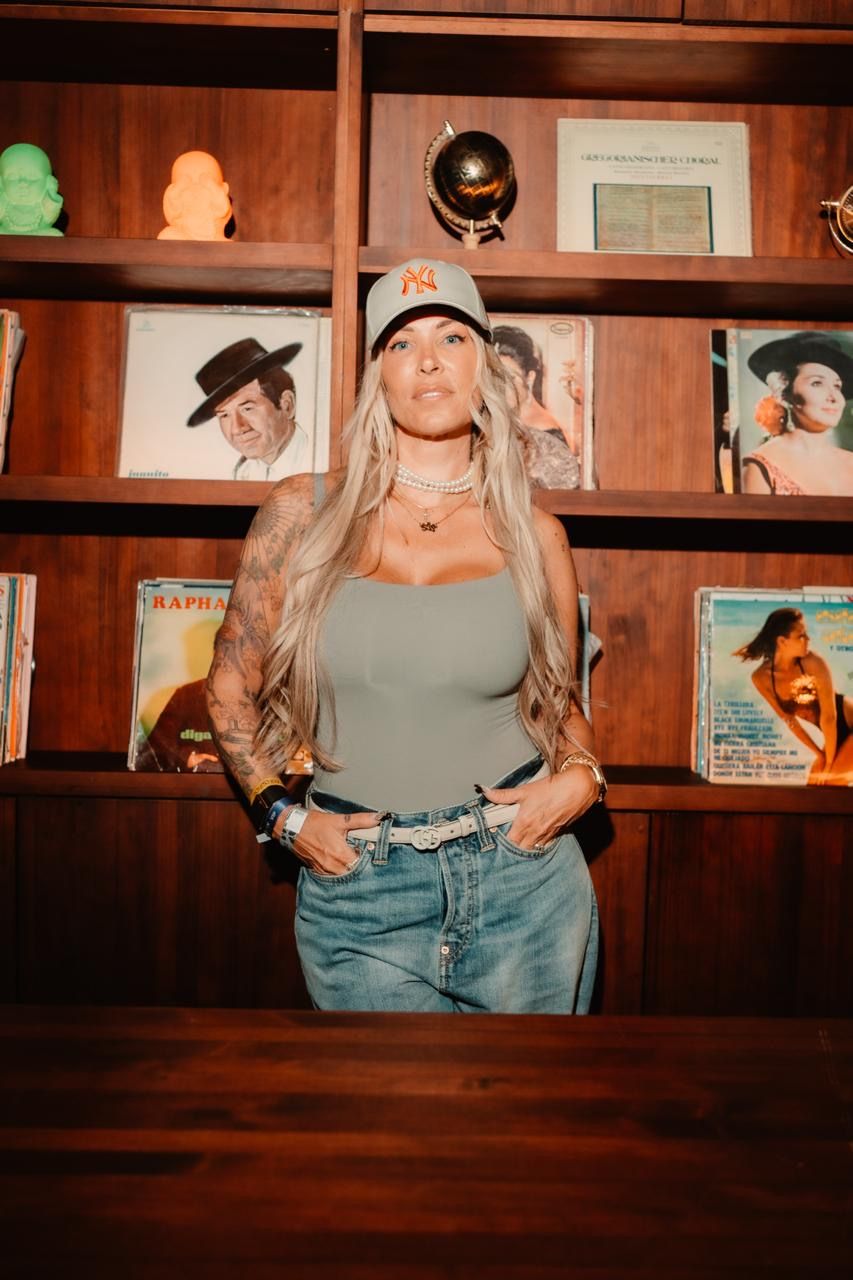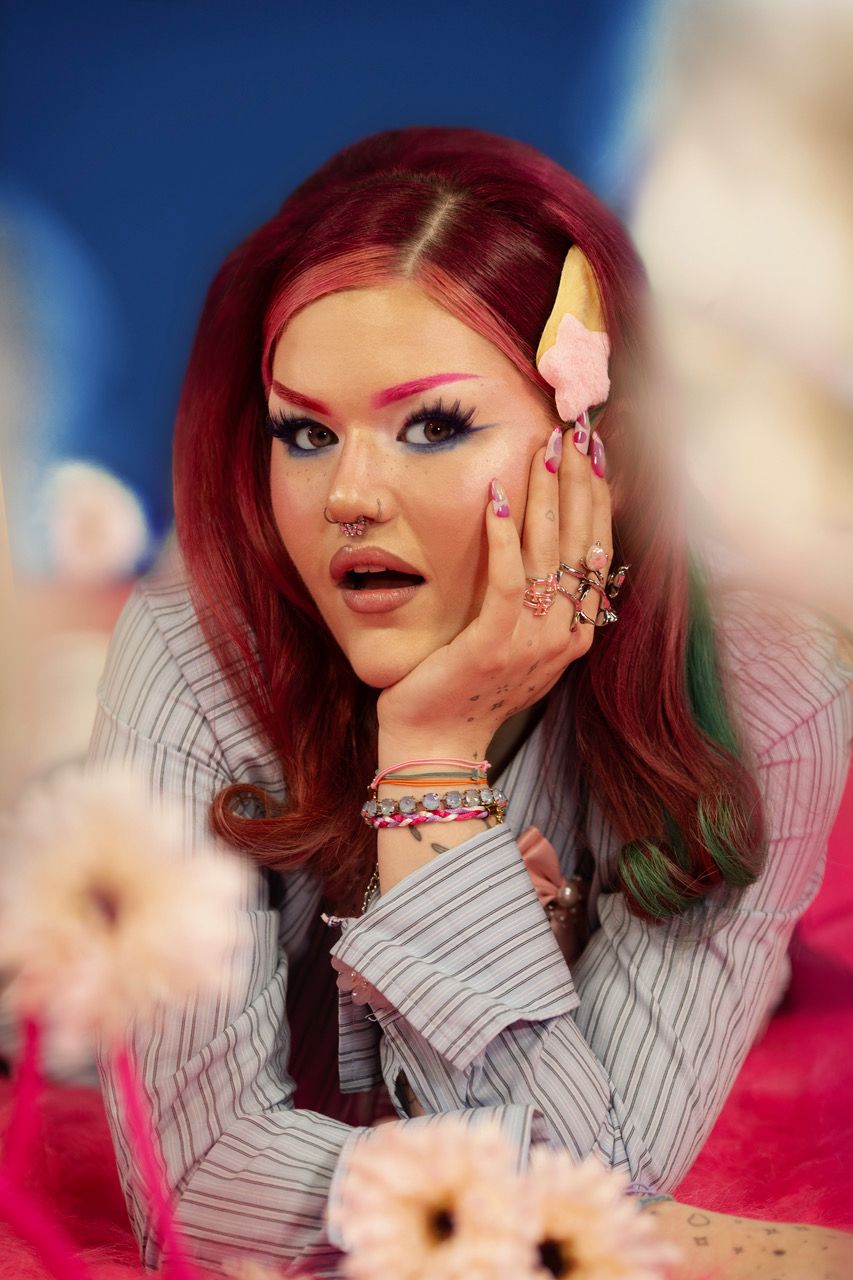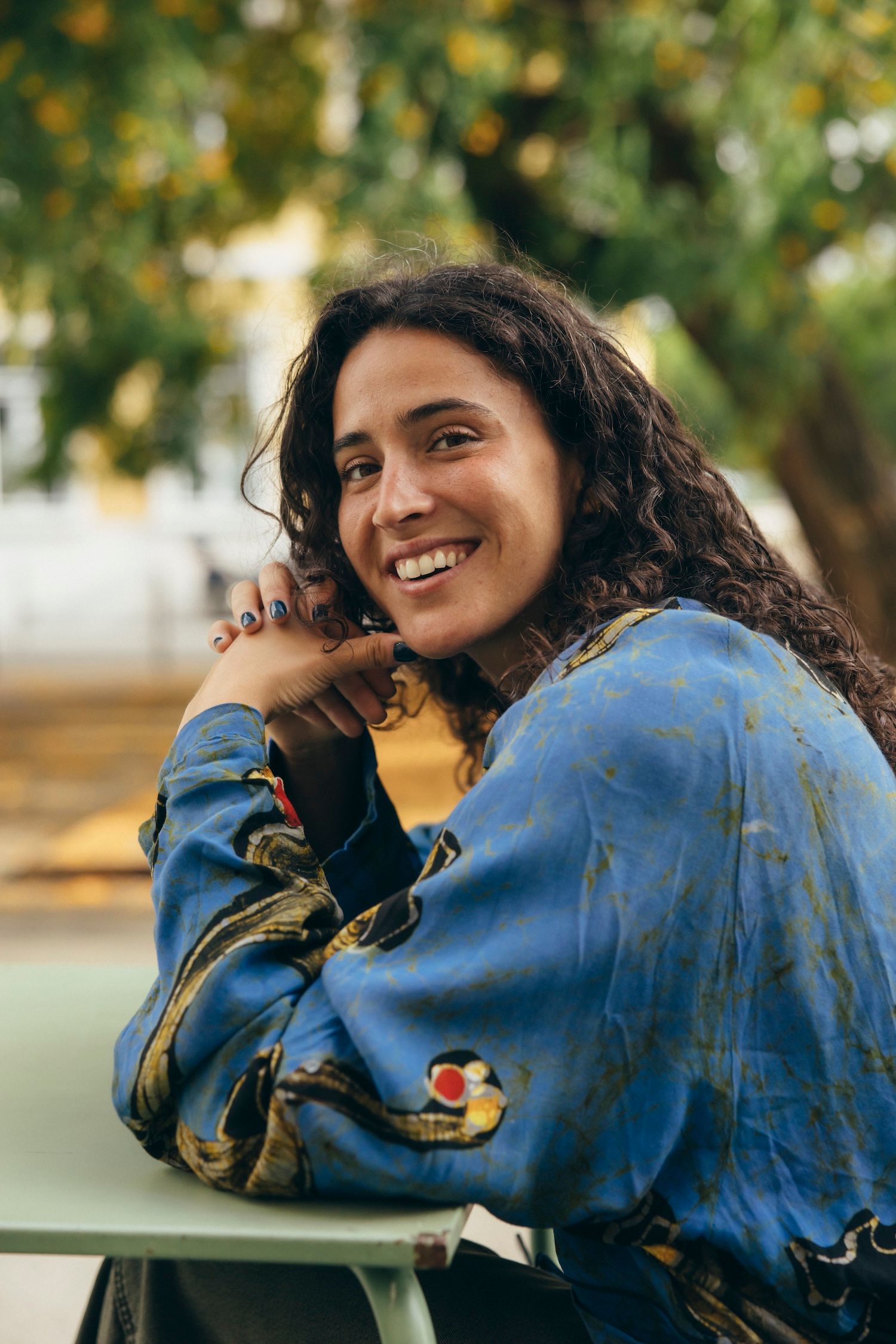
Backstage at London’s Roundhouse, just hours before her headline show, multi instrumentalist MARO is warm, present and open. She greets me with a hug before I can finish offering a handshake, immediately disarming any nerves. There’s no sense of distance or performance, just a quiet ease. In a space where you might expect ego, she feels entirely grounded.
The Lisbon born indie pop artist released her latest project, So Much Has Changed, earlier this year, an English language album that leans into stillness and reflection. Blending folk textures with subtle synth elements, the record moves through themes of nostalgia, self acceptance and emotional clarity, carried by her understated yet expressive vocal delivery. Over the years, she has collaborated widely, from Jessie J and Shawn Mendes to producer NASAYA, to name a few.
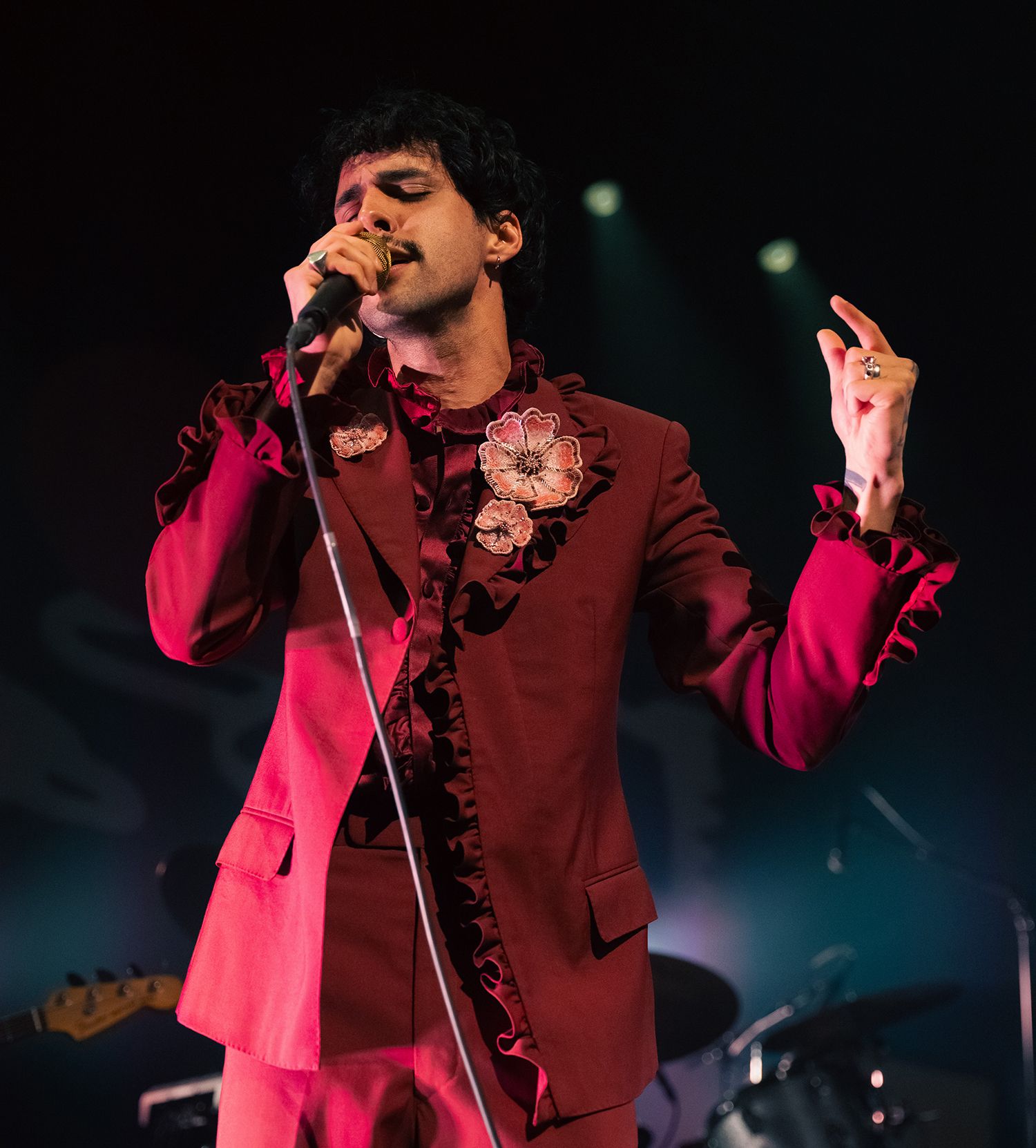
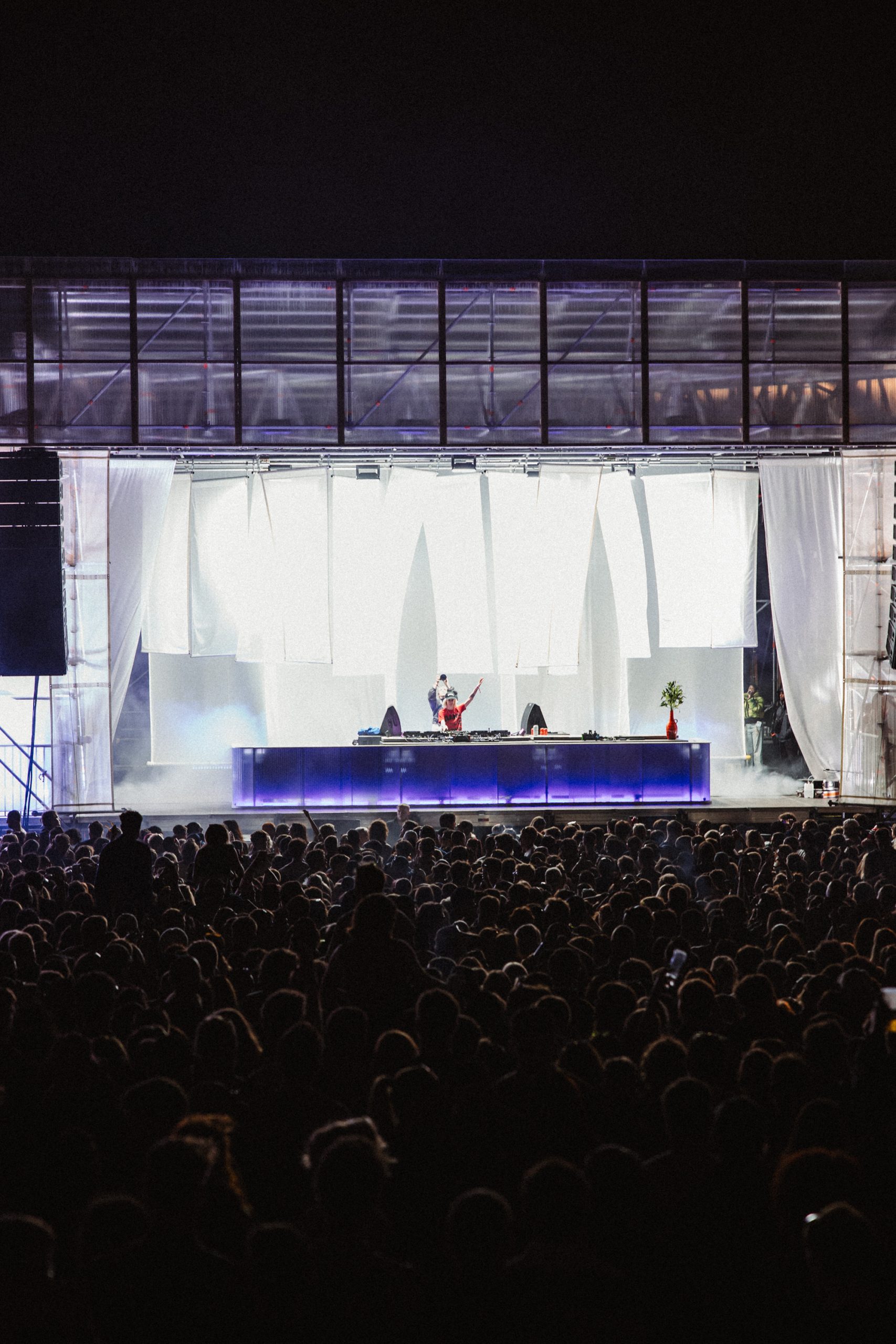
That same calm presence carries onto the stage, where the atmosphere feels intimate. There’s nothing excessive about the performance, just MARO, her band and bold lighting. Performing tracks from So Much Has Changed alongside songs like “Can You See Me?” and “When Mama Used To Sing”, she also welcomed Jacob Collier as a surprise guest, a moment that caught the crowd off guard. It was a performance built on presence rather than spectacle.
In conversation ahead of the London show, MARO discusses her album, the creative process, what this new chapter represents and what it might lead to.
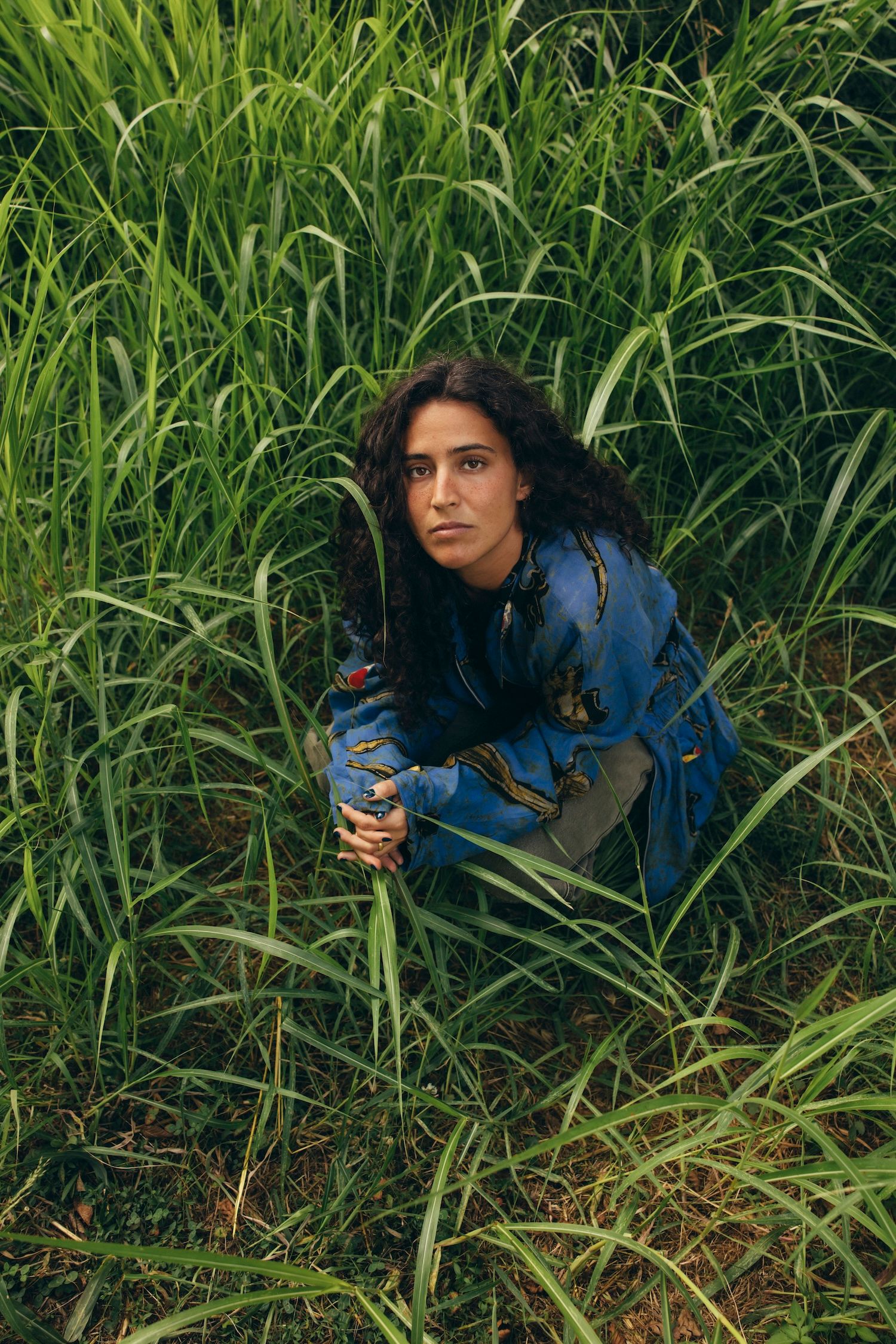
Hi, it’s a pleasure meeting you. Would you prefer me to call you MARO or Mariana?
All my friends call me that too. It’s not like a stage name. It ended up becoming an artist name later. It was what all my friends in college used to call me. So, it’s like a little nickname.
Thank you for taking the time to speak with 1883 Magazine. How are you?
I’m good! I’m very excited. It’s been a dream to be at the Roundhouse, even just to watch a show, because I’ve never been here. So suddenly being here to perform is very very cool.
I wanted to discuss your album So Much Has Changed. The title suggests a moment of looking back without rushing forward. What kind of change were you reflecting on when writing the record?
Nothing objectively. It was more the way I see and feel things and digest things. You could still have a heartbreak, it’s not the actual end of the world. When you’re growing up, you feel a lot of things that feel very hard and overwhelming. What changed was understanding it’ll be fine. Life is short, and things are way more relative than we think. We’re just lighter. So I think the change was really the perspective.
I think it’s also hard to maintain that perspective of things not feeling so heavy.
It is. I think it’s work, my own work. Life is cyclical, but there are moments when it gets easier and you feel light about everything. Other moments, it’s going to be awful and really shake your ground.
Turning 30, I realised life is short, and it goes by quickly. I might not even get to my 40s, you never know. The hard things come to teach you something, but they also go. Good things come too. Everything comes and goes, and it’s more about going with the flow and less about sitting through things. I learned how to let go more, which isn’t always easy, but it’s a good exercise.
The album was written around the milestone of turning 30. Did that moment shift your thinking around your music and your life?
Totally. The whole record, really. Two songs are slightly older, and you can tell by the lyrics, but eight out of ten songs really reflect that shift in perspective. It hits you, like, whoa, 30, and it keeps going. For me, it was all for the best.
In your 20s, you’re experimenting and have a lot of freedom, but you don’t fully know yourself yet. I started appreciating that I now understand my limits, what makes me feel good, and the kind of people I don’t want around me. There’s something cool about knowing yourself more deeply and learning to say no to things that don’t serve you.
When shaping the sound for this album, what atmosphere were you trying to create sonically?
When I wrote the songs, I already knew the worlds I wanted to create. I didn’t really have a reference, it’s just something I feel. It’s like everything lives in different drawers in my head. I know what belongs to an acoustic project, what belongs to an album, what belongs somewhere else.
This record had its own world. I think it reflected the feelings I was having at that time. Nothing was really planned, I just experimented, recorded things live, and added layers that felt exciting.
Were there any creative risks you took on this album that you may not have taken earlier in your career?
Not really. What is a creative risk, anyway? If I suddenly made heavy metal, maybe. But this album feels very aligned with who I am. If anything, it goes back to my roots. Some of it is very Coldplay or Radiohead, which is what I grew up listening to.
When you begin writing songs, do you start with the feeling, the sound or the lyrics?
If it’s just me, it all comes together. The feeling comes first. If I’m feeling something strongly, there’s an urge to pick up an instrument. Then the melody and lyrics come at the same time. It’s like the song already exists and just wants to come out.
Is it usually in the moment of feeling, or after it’s passed?
It can be both. Sometimes it happens immediately. Other times, you hold onto the feeling until you can sit with an instrument, and it’s still there waiting.
“Kiss Me” has a very warm, intimate feeling. Does it come from a specific relationship?
It’s actually funny, it’s a love song, but it’s about me. I wrote it late at night, just thinking about finally liking myself and choosing myself. It was like telling myself, what do I want? Where do I want to be?
It became a self love song. But I like leaving it open so people can interpret it however they want.
You’ve collaborated with Jacob Collier and Eric Clapton. Has that changed the way you hear yourself as an artist?
Collaboration has always shaped me. It doesn’t matter if it’s a big name or a friend, different people unlock different parts of you. That’s what I love about it.
You also play the saxophone, or at least a bit of everything?
Yeah, I wouldn’t say I properly play lots of instruments. I just know enough to express ideas. I leave the mastery to people who’ve dedicated their lives to it.
Is it something you’d want to bring into future music?
Maybe. I love rhythm, drums, bass, anything groove based. Bass especially sits between melody and rhythm, which is why I connect to it so much.
If you could join any band, who would it be?
Radiohead. Coldplay. D’Angelo.
You worked on “Aquarius / Let the Sunshine In”. How do you approach a song with such a legacy?
I just sing it the way I naturally would. I don’t overthink it. If I don’t judge it or try to control it, it ends up feeling true to me.
You recently covered “Yesterday”. Is there a Beatles song you always come back to?
“Eleanor Rigby”. That’s my number one. There’s something about how it starts, it just grabs you.
Would you ever record your own version?
Maybe, I won’t say too much.
You’re about to step on stage at the Roundhouse tonight. Is there a moment in the set you’re most excited about?
“Feeling So Nice”. The energy is amazing, especially when people sing along.
After an album so rooted in reflection, what comes next?
I always want to do too much. We’re still on this record, and I’m already thinking about the next three projects.
For me, it’s always about creating. It feels childlike in the best way, just being present and having fun.
Do you already know the direction of those next projects?
Yeah, they’re pretty aligned. Hopefully we’ll record them this year. Things can always change later, but creatively, it’s already there.
Thank you so much for your time.
Of course. Are you coming today?
Yes 100%!
So Much Has Changed is out now, for tour tickets click here
Interview Nancy Anekwe
Top image credit Simão Pernas