On objects, identity and the quiet authority of things that endure
There is a particular moment when you clasp something around your wrist and feel, immediately, more like yourself.
Not more polished. More present.
The weight shifts. The proportion changes. And without ceremony, you have articulated something that words had not quite reached.
This is the quiet authority of objects. Not the loudness of logos or the performance of trends.
But the subtle negotiation between who you are and what you choose to carry into the world.
Style as a Working Document
Fashion has always been a language before it became an industry.
What we reach for in the morning, what we layer and remove, what we gift and inherit — these choices are loaded in ways no seasonal lookbook adequately explains.
They are biographical. They are emotional. They are, in the most precise sense, personal.
The conversation around fashion and self has shifted considerably. People are thinking less about what they want and more about what endures.
Less about the season. More about the story.
The wardrobe, at its most intelligent, becomes a kind of autobiography. Not a fixed one, but a working document, revised and reconsidered as the person wearing it grows.
On Luxury and What It Actually Means
Luxury, properly understood, has nothing to do with price.
It has to do with time.
The rare materials, the particular construction, the decade it takes for something to fully arrive at meaning.
A watch worn daily becomes more than an instrument for reading time. It becomes a record of presence, a physical marker of years lived in a particular way.
When you look at old photographs, the watches in the frame carry their own quiet insistence. They are still there, outlasting almost everything else in the image.
The people who engage most seriously with fine timepieces understand something that casual buyers miss entirely.
The value is not purely monetary. Cartier watch buyers who participate in the secondary market do so because they recognise an object that has outlasted its original context and earned a second chapter.
That is the definition of a legacy piece.
The Longer Arc of Ownership
The appetite for continuity has grown considerably.
The secondary market for fine watches and jewellery now operates with the language of investment but carries the weight of something far more personal.
People are not simply acquiring things. They are curating the objects that will tell their story to the next generation.
This shift reflects a broader cultural re-evaluation of ownership. The question is no longer what is fashionable but what is worth keeping.
That distinction sounds simple. But it reshapes the entire experience of buying and wearing things.
A piece worn daily for a decade, passed to a daughter or carried across cities and relationships, demands a different quality of attention.
It requires you to know something about yourself. To have made, however quietly, a commitment to a particular version of who you intend to be.
The fashion industry, at its most interesting, has always understood this. The houses that endure built their identity around the longer arc.
Around pieces designed not for a moment but for a life.
Jewellery as Private Language
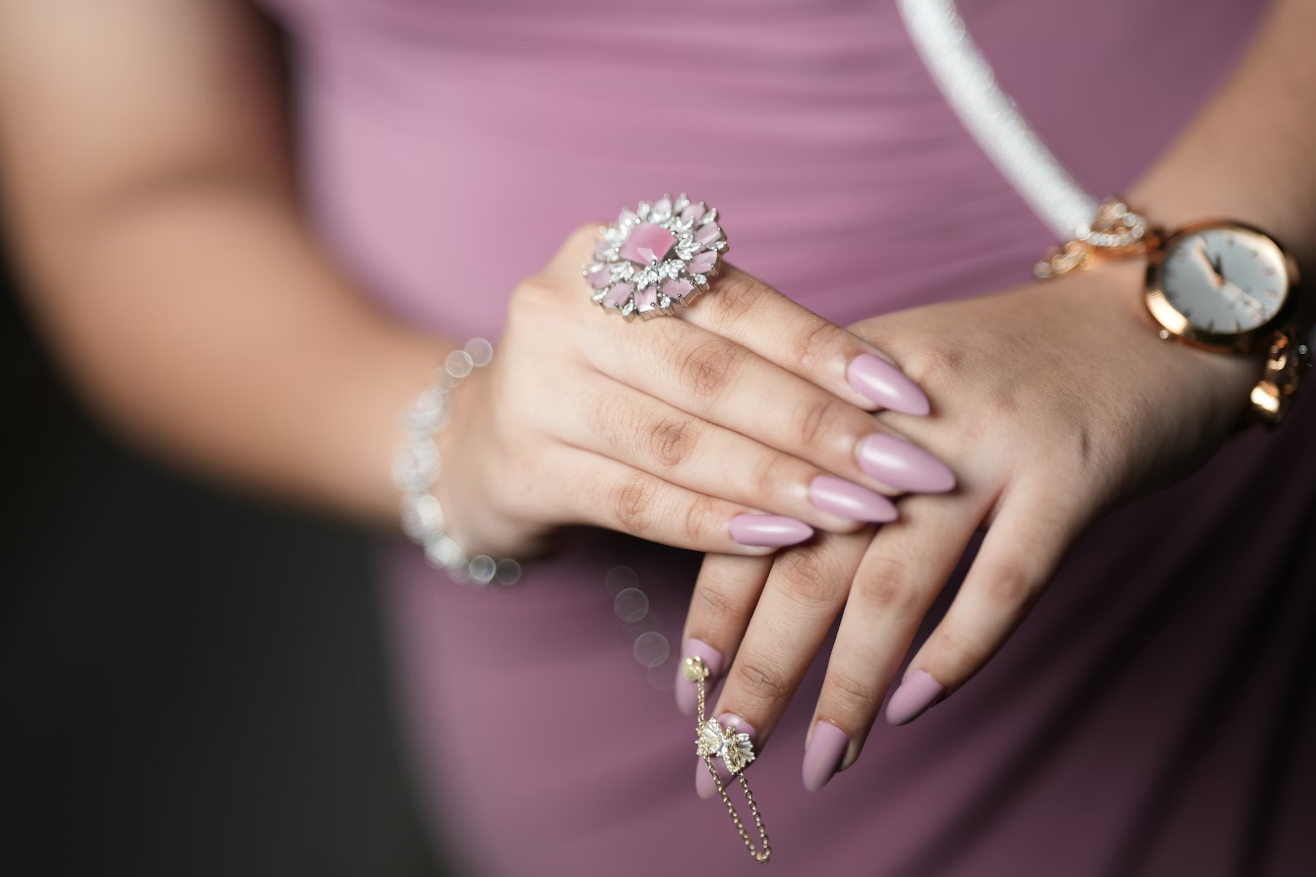
There is a distinction worth drawing between jewellery as decoration and jewellery as language.
The former sits on the surface. The latter goes somewhere deeper.
Craftsmanship sits at the centre of this relationship. When something is made with genuine precision, when the finish carries intention, you feel it each time you put it on.
The pieces that endure in a wardrobe are rarely the ones that arrived with the most noise.
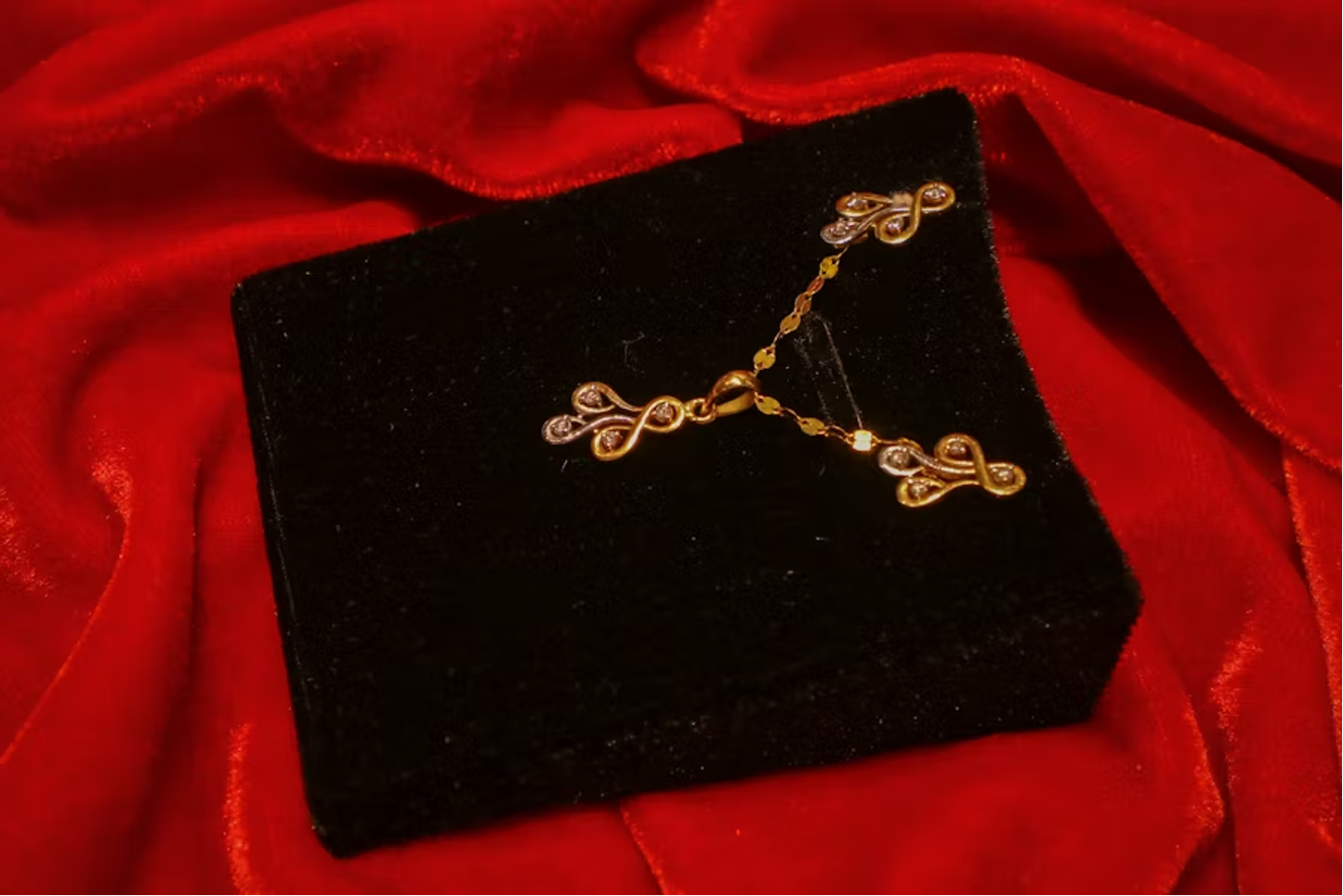
Collections like fine gold jewelry by ENEA speak directly to this sensibility. The approach is restrained, the forms clean, the materials chosen with a clear understanding of how gold moves and ages against the skin.
These are not pieces designed to demand attention. They are designed to reward it.
A single chain worn without interruption. A ring that never quite comes off.
These are not accessories in the conventional sense. They are quiet agreements with a particular version of yourself.
Against the Disposable
Fast fashion gave us proximity to trends at the cost of meaning.
The velocity of the current retail cycle has produced wardrobes full of things that carry no particular weight.
Objects purchased to satisfy an immediate feeling and set aside without ceremony.
The response is not nostalgia. It is clear.
The question shifts from what do I want right now to what do I want to still own in ten years.
That reframing changes the quality of attention brought to every purchase. And the willingness to wait for the right thing.
There is an elegance to the slower approach. Fashion, at its most considered, has always known this.
Closing
What we choose to wear is not incidental.
It is a form of editing. A process of deciding what belongs in the story you are living and what does not.
The pieces that last are always the ones chosen with precision rather than impulse.
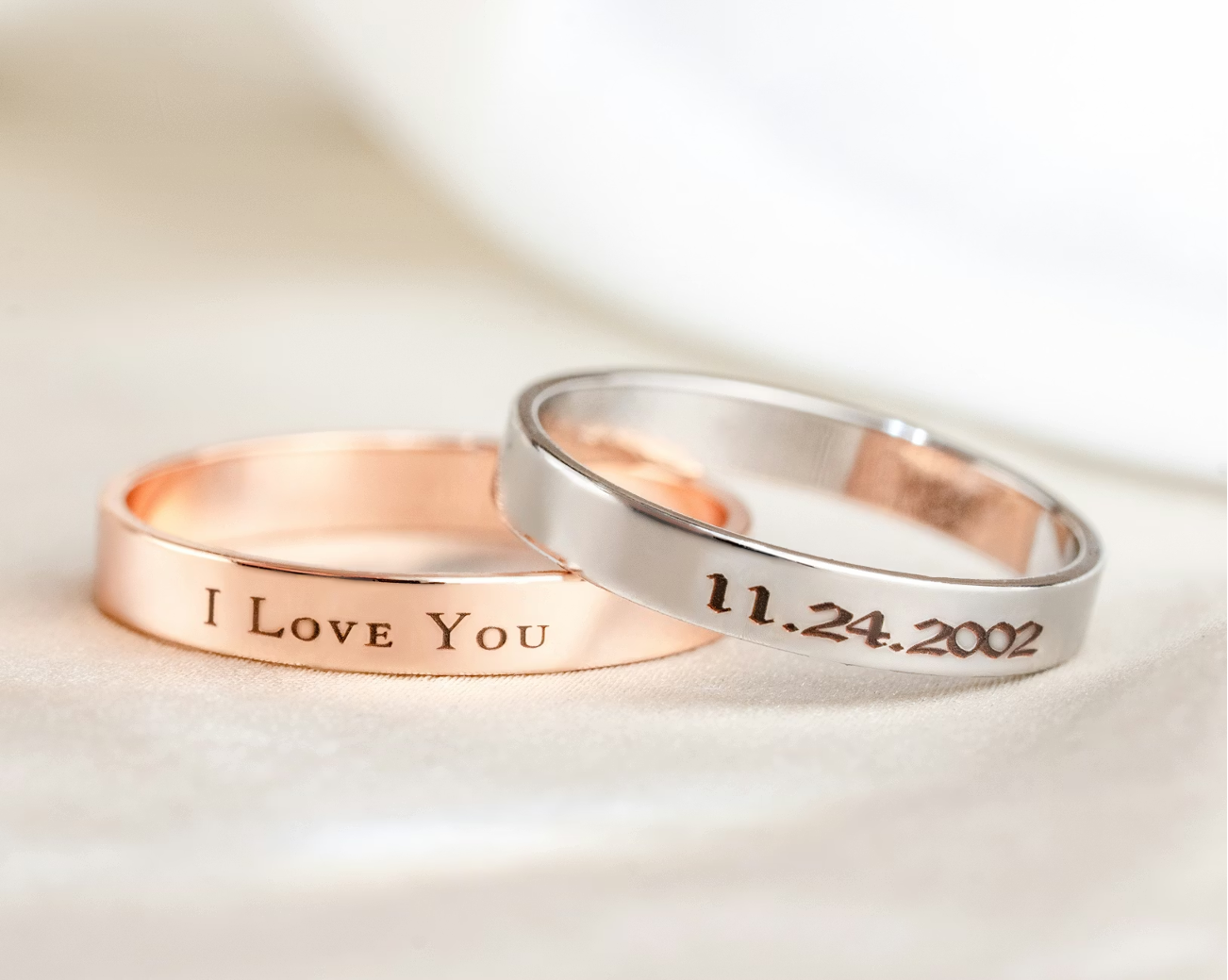
Some of that precision is deeply personal; the way custom design engagement rings carry intention from the very first sketch, built around a person rather than a trend.
They hold their meaning because they were given meaning from the start.
That is worth dressing for.