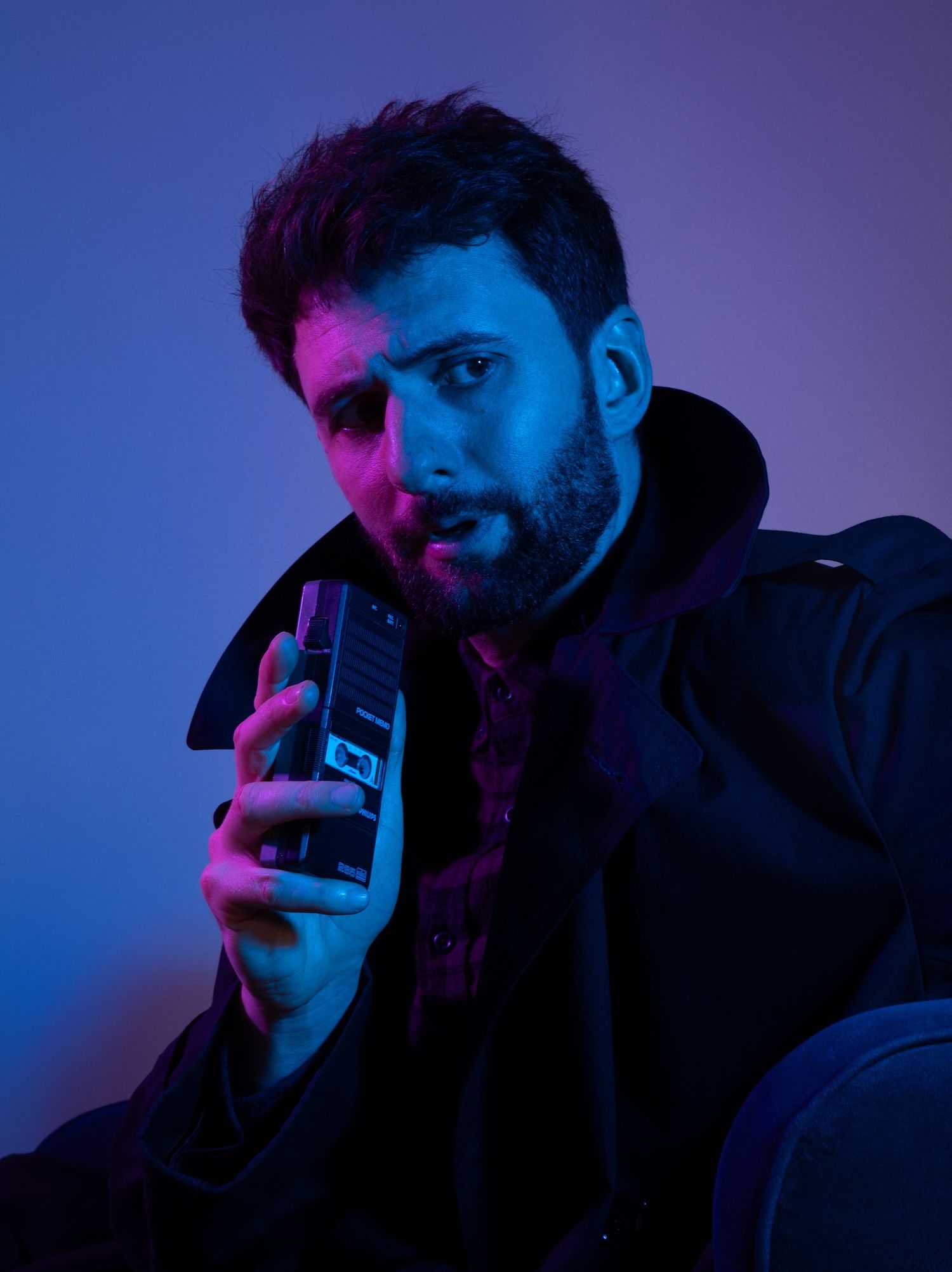
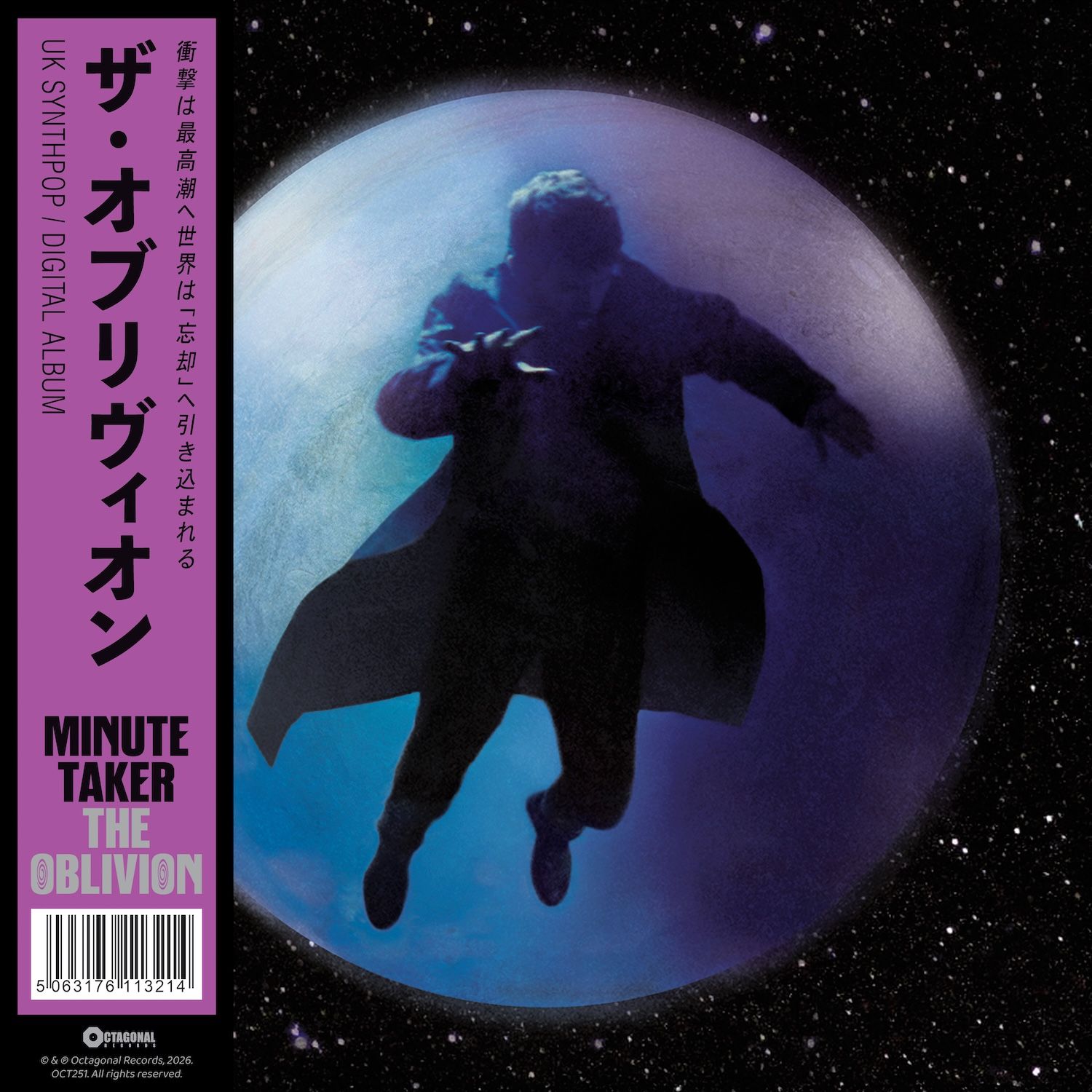
“Alone” is the final track on Minute Taker’s new record The Oblivion, out April 29, and it marks the end of his Nocturnal Monologues film trilogy. The previous two chapters chased thrill and intensity. This one is different: someone walking empty streets with nowhere to be, no longer searching.
McGarvey spent the album exploring escapism, addiction and the tension between control and chaos. Here, he lands somewhere quieter.
“Alone represents a sense of peace and fulfilment in the moment,” he explains. “Rather than seeking adventure, excitement and euphoria from the night, it’s about the simple enjoyment of wandering the streets—enjoying the solitude and a sense of connectedness with both my surroundings and my core self.”
The video matches that mood. It’s the final chapter in the Nocturnal Monologues trilogy, and the shift hits immediately. The earlier films were all urgency and tension. This one slows right down, same nocturnal world, same empty streets, but the energy’s completely different. No destination, no searching. Just movement for its own sake.
“Alone” fits into the 80s-inspired synthpop world McGarvey has built across The Oblivion, but it’s less urgent than most of the album. You can hear his late night listening habits all over it, he cites wandering his town at night with Vangelis’ Blade Runner soundtrack as a direct inspiration for the track. That cinematic quality runs through the whole record, which draws on the retro-futurism of Blade Runner, the nocturnal romanticism of The Lost Boys, and the existential weight of The Terminator.
The Oblivion runs on analogue synth lines, driving beats and hook-led songwriting, blending Depeche Mode, Kate Bush and OMD with contemporary synthwave. It’s not a concept album in the strict sense, each song stands alone as a self-contained story but McGarvey sequenced it carefully to unfold like a film.
“Most of them are written from the perspective of characters who are all extensions of myself to varying degrees and each one is searching for something from the night,” he says.
That balance between dark subject matter and euphoric synth textures isn’t something McGarvey plans. “I really just go with what feels right and try not to overthink it,” he says. “Songwriting has always been quite mysterious to me. I don’t tend to sit down and write songs, they just kind of pop into my head, often in dreams or first thing in the morning as I’m waking up.” The songs arrive in short bursts, sometimes only for a week or two, then nothing for months. He’s learned to trust the process.
The album follows 2022’s Wolf Hours, a fan funded project that introduced McGarvey’s haunting synthpop and LGBTQ+ perspectives to BBC Radio 2 and a growing audience built largely through Secret Songs, his direct-to-fan subscription model. Recent single “Losing Self-Control”, co-written and produced by Berlin artist Curses, has gained serious traction, surpassing 100K views in just 10 days. The Orwellian workplace queer love story clearly resonated beyond his existing fanbase, perhaps because its themes of surveillance and control feel particularly relevant right now.
“Alone” closes that narrative arc. The running’s over, the searching’s done. What’s left is just standing still and realising you don’t need to be anywhere else.
The Oblivion is out April 29 via Minute Taker’s own label, available digitally and on limited edition coloured vinyl, CD and cassette.
Watch the premiere of “Alone” below. Follow via @minutetaker