With his latest mixtape, Beats I Can’t Release Vol. 2, Los Angeles-based producer and two-time GRAMMY nominee Wuki continues to challenge the notion that music must fit neatly into categories. Equal parts experimental playground and creative manifesto, the project showcases an artist more interested in following inspiration than expectations, allowing ideas to take shape free from the constraints of traditional release models.
Over the years, Wuki has built a reputation as one of electronic music’s most unpredictable and inventive voices. Effortlessly blending house, bass, nostalgia, internet culture, and unexpected samples, he has cultivated a sound that feels both familiar and entirely his own. That genre-defying approach has helped him earn two GRAMMY nominations, amass billions of views across platforms, and build a devoted community of listeners drawn to his fearless creativity.
Coming on the heels of 2025’s Vol. 1, which elevated the series from an internet phenomenon into an official mixtape experience, Vol. 2 arrives with even greater ambition and a rapidly growing community behind it. More than a sequel, it marks the continued evolution of a project that has become central to Wuki’s artistic identity. Accompanied by a new live-set experience, the release expands a series that has grown from a collection of internet-favorite edits into a creative universe of its own–one where experimentation, curiosity, and spontaneity remain at the forefront.
In conversation with 1883 Magazine, Wuki discusses the evolution of the series, the role of intuition in his creative process, balancing underground credibility with mainstream recognition, and why some of the best ideas emerge when the rules are left behind..

Beats I Can’t Release began as a place for ideas that couldn’t exist within traditional release formats. Looking back, what has surprised you most about the way the series has evolved?
What surprised me most is that it stopped being about the music I couldn’t release and became about the community that formed around it. At first it was basically a hard drive cleanup. I had all these edits, remixes, weird ideas, and mashups that were never going to fit into the traditional release system. I thought a handful of diehard fans would care. Instead it became this thing people genuinely look forward to. It turned into a place where there are no rules and where fans know they’re going to hear something they can’t get anywhere else.
The title Beats I Can’t Release almost sounds like a challenge to the traditional music industry. What does that phrase mean to you now compared to when the series first began?
When it started, it was pretty literal. These were tracks I legally or practically couldn’t release. Now it means something bigger. It’s become a mindset. It’s about protecting creativity from all the filters that get put on music–algorithms, expectations, trends, marketing plans. Beats I Can’t Release is where ideas get to exist simply because they’re fun.
Vol. 1 felt like opening the vault to fans. What did Vol. 2 allow you to explore that wasn’t possible the first time around?
Vol. 1 was about proving the concept. Vol. 2 gave me permission to go deeper. I wasn’t thinking about whether people would understand it anymore. I could lean harder into nostalgia, stranger transitions, bigger genre jumps, and more storytelling. It feels less like a collection of tracks and more like a journey through my brain.
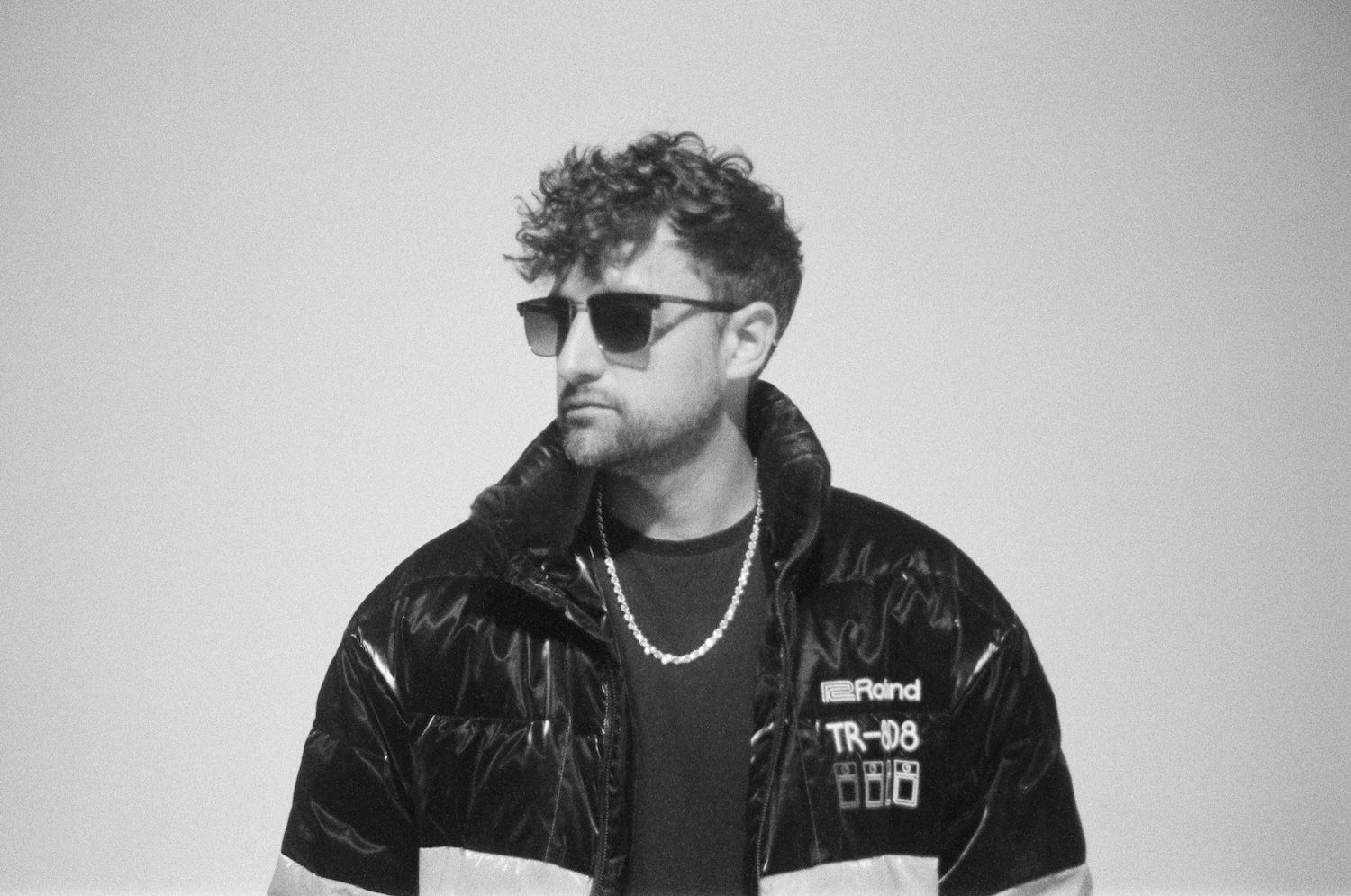
Some artists are very protective of unfinished ideas, while you’ve built an entire universe around sharing experiments, edits, and creative risks. What attracts you to that level of openness?
Some of my favorite moments in music happen before something is polished. There’s an energy in the sketch. Sometimes the rough version has more personality than the finished one. I’ve always loved letting people see the process because it reminds everyone that creativity isn’t magic—it’s experimentation, mistakes, weird ideas, and occasionally getting lucky.
The internet has played a huge role in turning Beats I Can’t Release into a phenomenon. What have those interactions with fans taught you about the music people connect with most?
People connect with emotion before they connect with genre. I’ve learned that fans don’t really care whether something is house, bass, pop, breaks, or some combination of all four. They care whether it makes them feel something. Usually the tracks that get the biggest reaction are the ones where I stop trying to be clever and just follow an idea all the way through.
Some of the most exciting moments in music happen outside the rules. Do you think artists today are becoming too focused on algorithms, streaming performance, and commercial expectations?
I think it’s understandable because those things matter. But if you optimize every creative decision around performance metrics, eventually you start making content instead of art. The songs people remember ten years later usually weren’t created by following a spreadsheet. They happened because somebody took a risk.
A lot of your music feels driven by instinct rather than calculation. How important is intuition to the way you create?
It’s everything. I’ve been making music long enough that intuition has become one of my most valuable tools. Sometimes I can’t explain why something works. I just know it does. The best ideas usually arrive before my brain has a chance to talk me out of them.
Your music often feels like it’s pulling from several worlds at once–house, bass, breaks, pop, nostalgia, and internet culture. How do you know when seemingly unrelated influences belong in the same track?
I think of music like crate digging through time. If two ideas make me smile when they collide, they’re probably supposed to be together. I don’t really care where something came from. If it creates a reaction, it belongs.
You’ve always embraced unpredictability in your work. Has there ever been a creative risk that felt completely ridiculous at first but ended up becoming one of your favorite ideas?
Honestly, most of my favorite ideas started out sounding ridiculous. A lot of my biggest remixes happened because I asked a question that sounded stupid at first. What if these two worlds collided? What if this song had a completely different personality? Those moments of curiosity are usually where the magic lives.
You’ve managed to build a career that exists between underground credibility and mainstream recognition. How do you maintain that balance without losing yourself in either world?
I’ve never really chased either side. I’ve always chased what excites me. Sometimes that ends up on a festival stage. Sometimes it ends up as a weird bootleg shared between fans online. The goal isn’t to fit into a scene. The goal is to stay curious.

The release is accompanied by a new live set experience. How do you approach translating the chaos and spontaneity of the series into a visual and live environment?
I wanted the show to feel like stepping inside the vault. The visuals are built around the same idea as the music: jumping through different eras, references, and memories. It’s organized chaos. The goal is to make people feel like they’re traveling through a collection of forgotten cultural artifacts.
What do you think people understand about Wuki after spending time with Beats I Can’t Release that they might not get from your official releases?
They probably realize I’m less interested in genres than I am in feelings. Official releases have to fit within certain structures. Beats I Can’t Release is much closer to how I actually think. It’s a direct line into the weirdest corners of my creative process.
After two GRAMMY nominations, viral records, festival stages, and billions of views, what still excites you about making music today?
The same thing that excited me when I started: the possibility of discovering something I’ve never heard before. Technology changes. Platforms change. Trends change. But that feeling when you stumble onto an idea that surprises you is still addictive.
Looking ahead, are there any creative worlds, sounds, collaborations, or ideas that you’re still chasing?
Always. I feel like I’m still chasing the perfect collision between nostalgia and the future. I’m fascinated by taking sounds people think they know and putting them into completely new contexts. More than anything, I’m chasing surprises. The day I know exactly what’s coming next is probably the day I need to reinvent myself again.
Beats I Can’t Release Vol. 2, is out now, follow via @wuki
Interview Stanley Kilonzo