We live in the most information-rich moment in human history, and somehow, most of it feels hollow.
Spend ten minutes scrolling online and you’ll see endless AI images, generic captions, and influencer posts that all blur together. The digital world feels fake—busy, repetitive, and empty.
In this environment, something quietly radical is happening.
People are beginning to re-evaluate what they actually value. And increasingly, the answer is not more content, more access, or more convenience. It’s time — specifically, time that is real, present, and freely given.
The Authenticity Collapse Is Already Here
This isn’t some abstract worry. It’s happening, right now, all around us.
In 2023, 60% of consumers said they preferred AI-generated creator content.
By 2025, that number had collapsed to 26%, according to data tracked by Digiday. The drop is staggering — and it tells us something important: audiences are not stupid. They sense the absence of a human behind the content, even when they can’t articulate exactly why.
The industry term for this wave of low-effort, machine-generated output is “AI slop.” It floods YouTube, Instagram, LinkedIn, and editorial platforms alike. More than 20% of videos shown to new YouTube users now fall into this category. And the effect on audiences isn’t just indifference — it’s a kind of existential fatigue. People feel ungratified. They feel cheated of something, even when they can’t name what.
What they’re missing is presence. The sense that another human being actually thought, felt, and chose to communicate something to them.
When Everything Can Be Faked, Effort Becomes Priceless
There’s a paradox at the heart of the AI content era: the more we automate the production of words, images, and ideas, the more valuable genuine human effort becomes.
Brands are starting to feel this acutely. Instagram has shifted its algorithm to prioritise “originality” signals and credibility markers. Major brands are inserting “no AI” clauses into creator contracts or requiring mandatory disclosure when AI tools are used. The overpolished, manicured aesthetic that once signalled professionalism is now a liability — audiences increasingly read it as a sign that no real human was involved.
What’s winning instead? Imperfection. Unmade beds in the background. Wrinkled shirts. Unscripted pauses. The messy, inefficient, gloriously human texture of someone actually showing up.
This isn’t about longing for the past. It’s just common sense. When fake stuff is everywhere, the real thing—real moments, real connections—suddenly matter so much more.
The Luxury Industry Learned This the Hard Way
Perhaps no sector has felt this shift more viscerally than the luxury sector.
The global luxury goods market lost 60 million consumers between 2022 and 2025. Executives at every major house are reckoning with a crisis that goes deeper than macroeconomics or China’s consumption slowdown. The problem is conceptual: luxury brands forgot what luxury actually means.
For decades, luxury was defined by objects — the handbag, the watch, the car. Then it migrated toward experiences. Now it’s being redefined again, and this time the definition is more radical: luxury is undivided human attention.
The Jing Daily’s analysis of what they call the “analogue rebellion” captures this precisely. As AI and synthetic content make digital experiences infinitely replicable, physical presence, time, and genuine dedication become the only unfakeable markers of value. You can fake a digital experience. You cannot fake someone being there.
Bugatti’s Tourbillon deliberately minimises digital interfaces in favour of analogue controls. Ferrari is reconsidering its over-reliance on touchscreens. Raffles London has introduced vinyl-only sessions specifically because acoustic depth requires physical presence — you cannot stream your way into the room.
This isn’t just a trend or a marketing trick. It’s brands waking up to the fact that faster and easier doesn’t always mean better—and when you swap real people for machines, you lose what makes things special.
The Analogue Rebellion Is Gen Z’s Most Coherent Protest
It would be easy to dismiss the growing preference for analogue experiences as millennial nostalgia or Gen Z contrarianism. It’s neither. It’s a structurally coherent rejection of a world that has optimised away everything worth having.
The Global Wellness Institute ranked “analogue wellness” as the number one trend for 2025. The #DumbPhone and #DigitalDetox movements are not fringe phenomena — they represent a growing cohort of people who have looked at the infinite scroll and decided it isn’t worth the cost. Gen Z’s preference for “friction” — vintage typewriters, physical journals, film cameras — isn’t inefficiency. It’s a commitment to thought. It’s choosing media you can’t edit after the fact, experiences you can’t filter, and time you can’t get back.
This is what makes the current moment so interesting. The generation raised entirely online is the one most hungry for the offline. They didn’t reject digital because they never knew it — they rejected it because they knew it too well.
Time Is the New Status Symbol
There’s a concept worth sitting with: the “paralysis of the infinite.”
Digital abundance doesn’t liberate us — it overwhelms us. When every option is available, every experience streamable, every relationship manageable through a screen, the act of choosing one thing — and being fully present for it — becomes extraordinary.
To give someone your time, in 2026, is to give them something genuinely scarce. Not your curated highlight reel. Not a scheduled touchpoint. Not a well-prompted AI response on your behalf. Your actual attention, in real time, with all the imperfection and risk that entails.
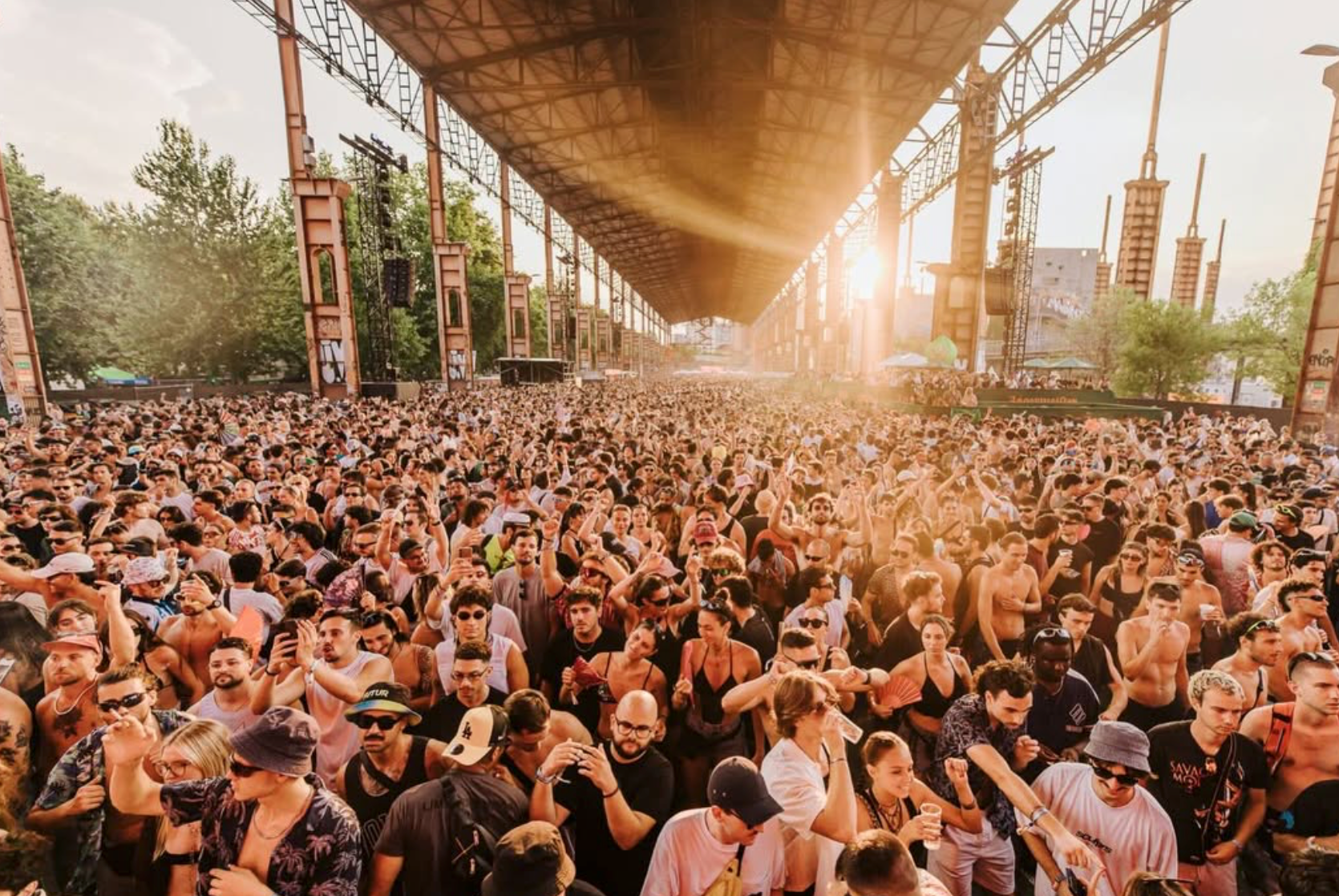
This is why the most meaningful experiences people describe are almost never digital. They’re dinners that ran too long. Conversations that went somewhere unexpected. Afternoons without an agenda. The luxury isn’t in the price tag — it’s in the decision to be somewhere fully, without one eye on the next notification.
To spend quality time with quality companions is, in this context, a genuinely countercultural act. In a world of simulated connection and optimised interaction, choosing presence — real presence, with real people — is one of the few remaining forms of genuine indulgence.
What This Means for How We Live and What We Choose
This isn’t about brands or trends. It’s about how we spend our time, what we care about, and what we refuse to let go of.
If time is the new luxury, then the most important decisions we make are not about money — they’re about where we place our presence.
Every hour of genuine human connection is an act of resistance against a culture that profits from our distraction. Every experience we choose to be fully in — not documented, not optimised, not shared — is a small reclamation of something the digital economy has been slowly eroding.
The brands, people, and experiences that understand this will define the next era of value. Not because they’re selling scarcity, but because they’re offering something the algorithm genuinely cannot produce: another human being, showing up.
The Only Thing Left That Can’t Be Automated
There’s a reason the most powerful moments in our lives resist description. They don’t compress into a caption. They don’t perform well as content. They exist only in the moment they happen, between the people who are actually there.
In a world drowning in inauthenticity, that’s not a small thing. It might be the only thing.
For years, luxury brands told us happiness was something you could buy. But the truth is, the best parts of life aren’t things—they’re moments you actually live. And no amount of money or tech can buy real time, honestly spent, with people or experiences that matter.