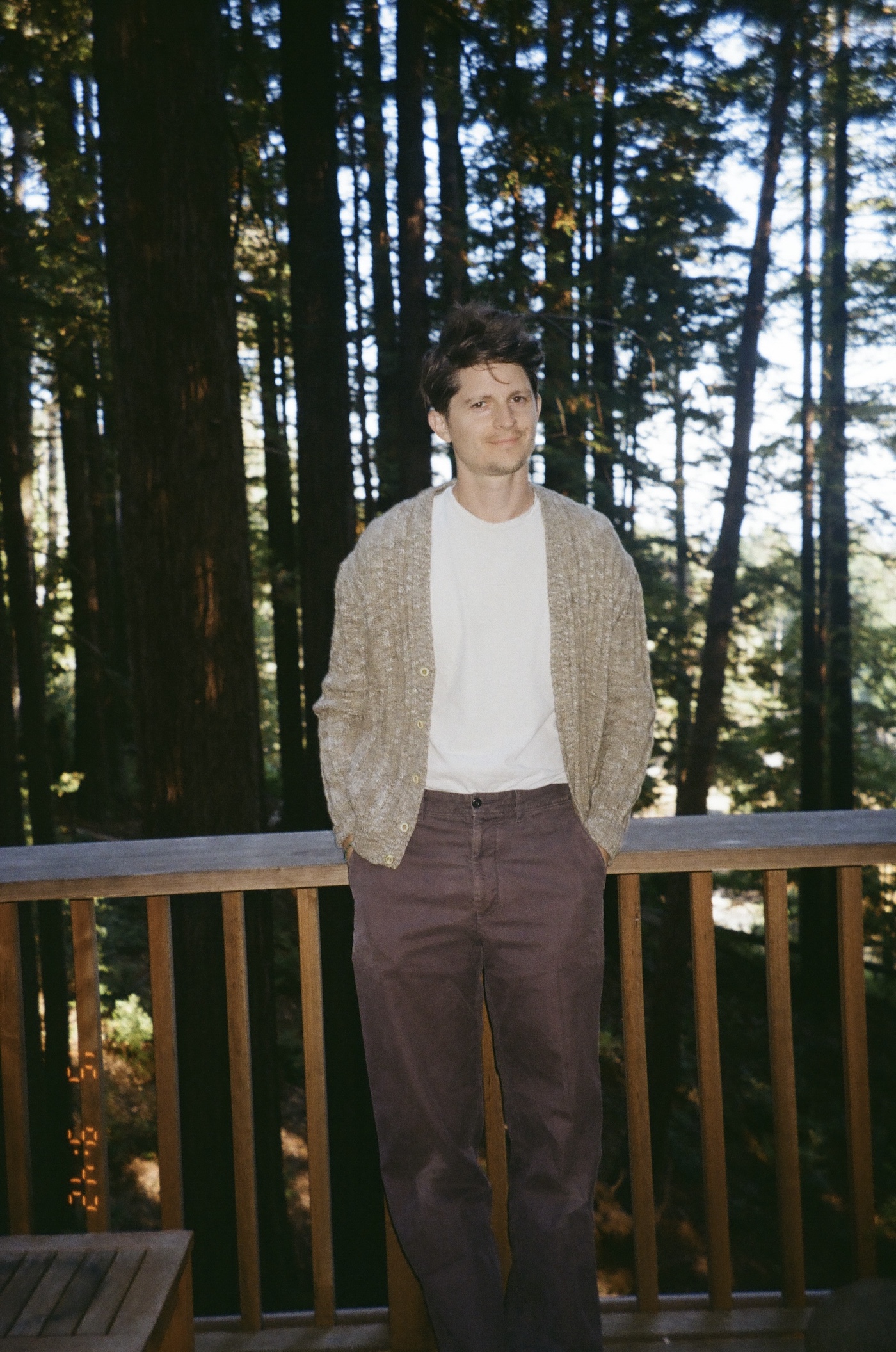
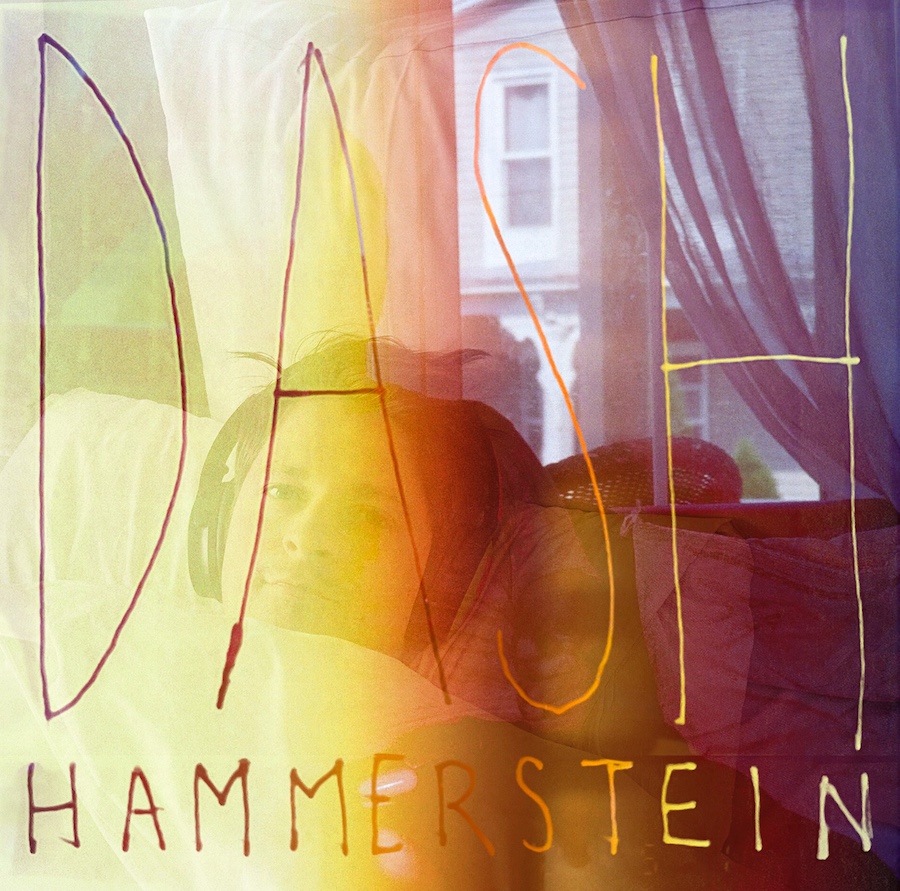
There is something quietly radical about releasing a chamber folk album in 2026, especially one born from a period of creative sobriety and renewed experimentation. The fact that Dash Hammerstein has chosen to begin the year with a self-titled statement of intent suggests an artist moving with clarity and purpose. His eponymous record arrives like a well-worn chair in a room full of flatpack furniture. You don’t realise how badly you needed somewhere to sit until you see it there, quietly asking for your attention.
This is the first album to bear his own name, and that shift feels significant. A self-titled record is often reserved for a debut; here, it reads as a declaration. After years of scoring films for Netflix and HBO, with premieres at Sundance, Tribeca, and DOC NYC, composing for theatre, releasing ten albums of Kinks-inflected folk pop and neo-classical work, and landing placements with Adidas and Toyota, he steps forward with renewed focus. The result feels like an inner spotlight trained on something deeply personal, finally ready to be shared.
Chamber folk have always understood the power of restraint. It traces its lineage to the parlour songs of the early twentieth century, shaped by composers who favoured small ensembles for clarity and intimacy. It carries echoes of Moondog on Sixth Avenue, cloaked and patient, building a one-man orchestral tradition. It also nods to Brian Eno in the 1970s, when the studio became an instrument, and silence became a compositional tool.
Clocking in at a comfortable eleven tracks, the album never feels rushed. Largely written, performed, and mixed by Hammerstein himself, it invites you to sit close, embrace its chill, light atmosphere, and gently push out anything that would even hint at cortisol. I spent several days with it, at home alone, in the car and even while working, and it seemed to ease a tension I hadn’t realised I was carrying. Its high-water marks are never bombastic; instead, Dash draws out the sublime through careful detail and understated instrumentation.
Among the standouts are “Noise Machine” with its quiet Brit-rock and pop undertones, the dramatic Orbison-like power of “Do I Have To Be The One?,” the upbeat neo-Beatlesque groove of “Mr. Resistance,” and the distinctly American folk-leaning “A Cure At Last.”
The opening track, “Anyone Can Catch,” is the perfect choice to start the album. Whether you’re watching leaves fall on a windy afternoon, feeling the sea breeze of the Caribbean, or stuck under the fluorescent lights of a cubicle, the song adapts with ease. Hammerstein’s music flows effortlessly, settling into nearly any setting you place it in. All in all, this is a resoundingly impressive release from Dash Hammerstein. “Solid” hardly begins to cover it. For devoted music lovers, it’s essential listening.
FOLLOW DASH HAMMERSTEIN ON INSTAGRAM