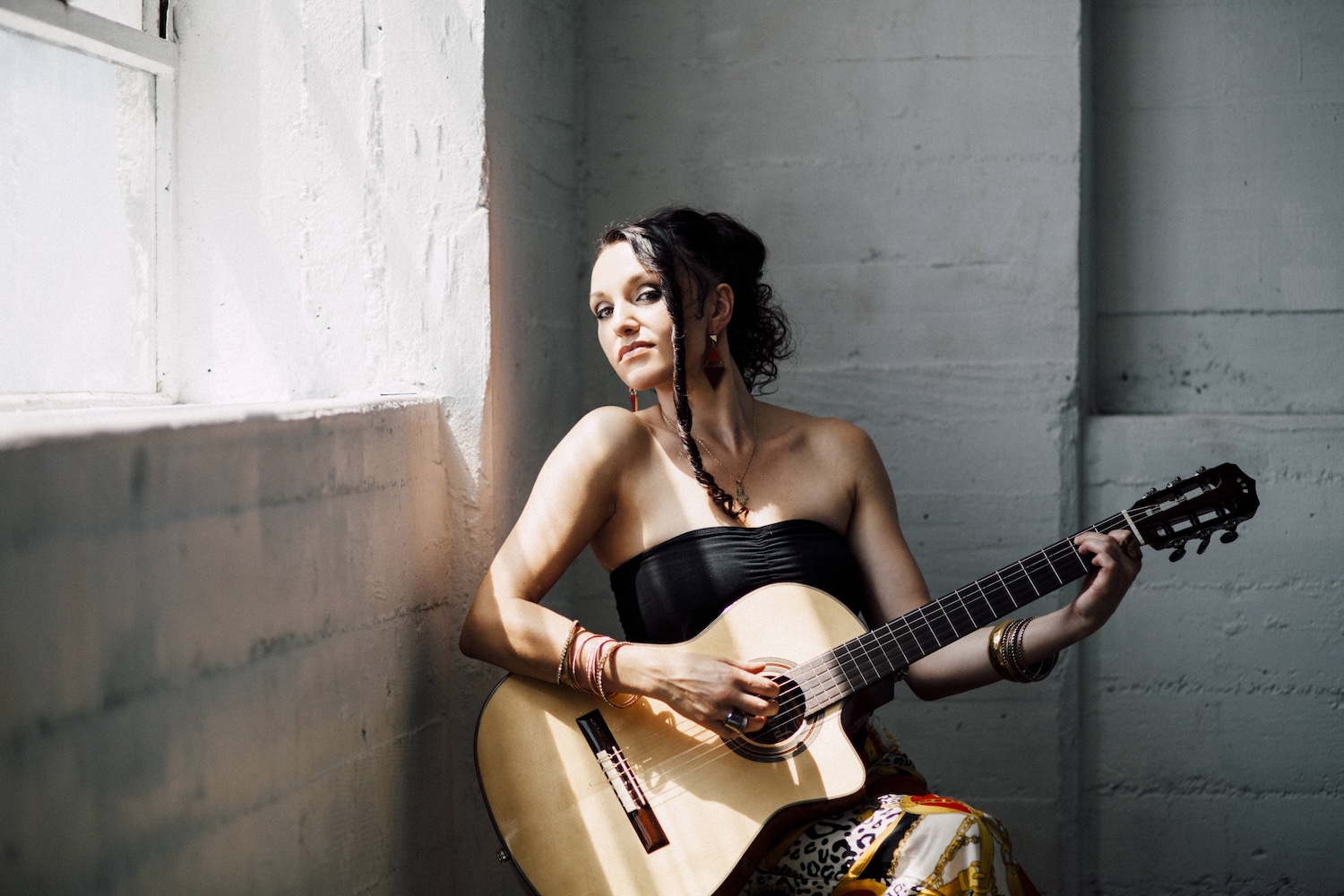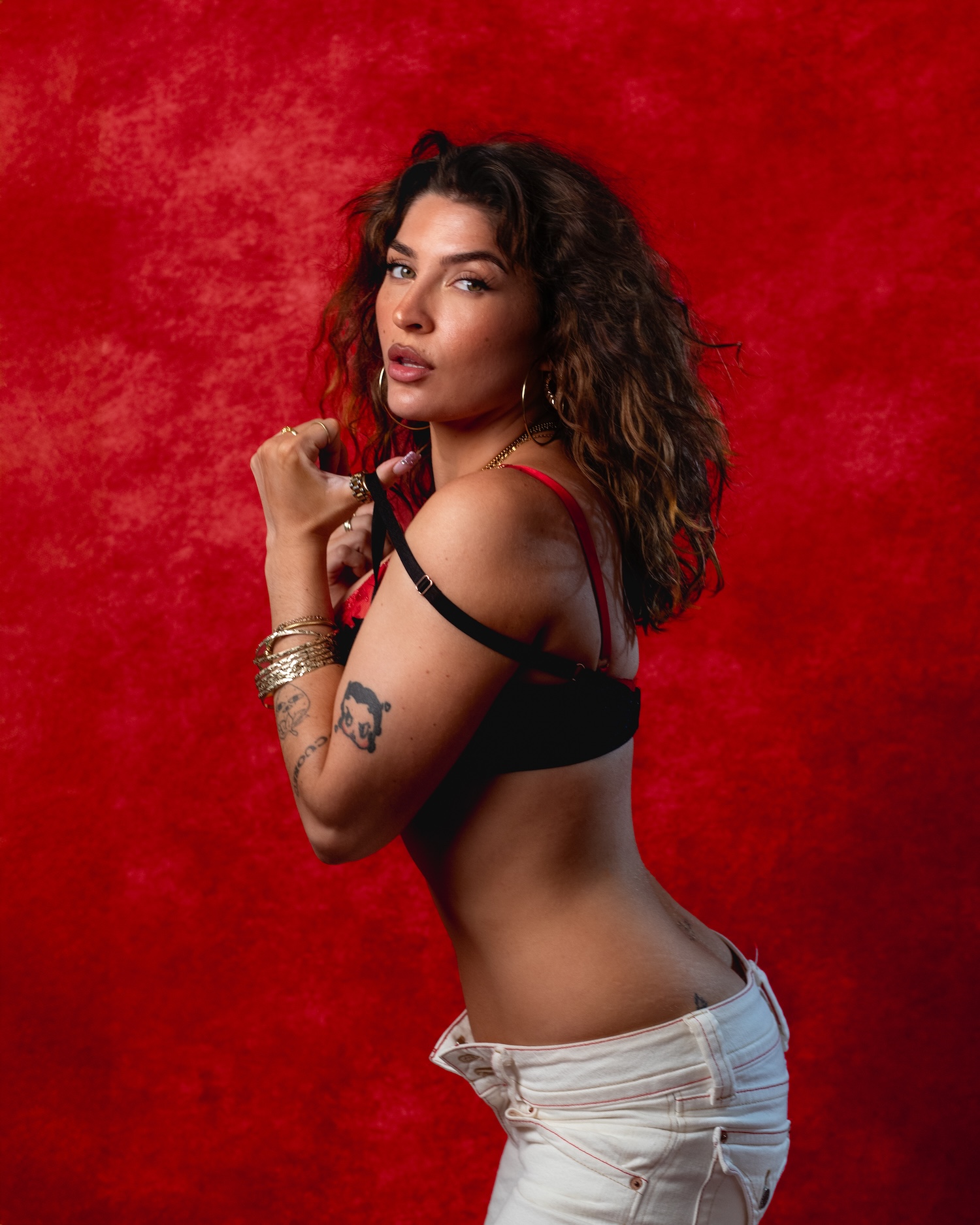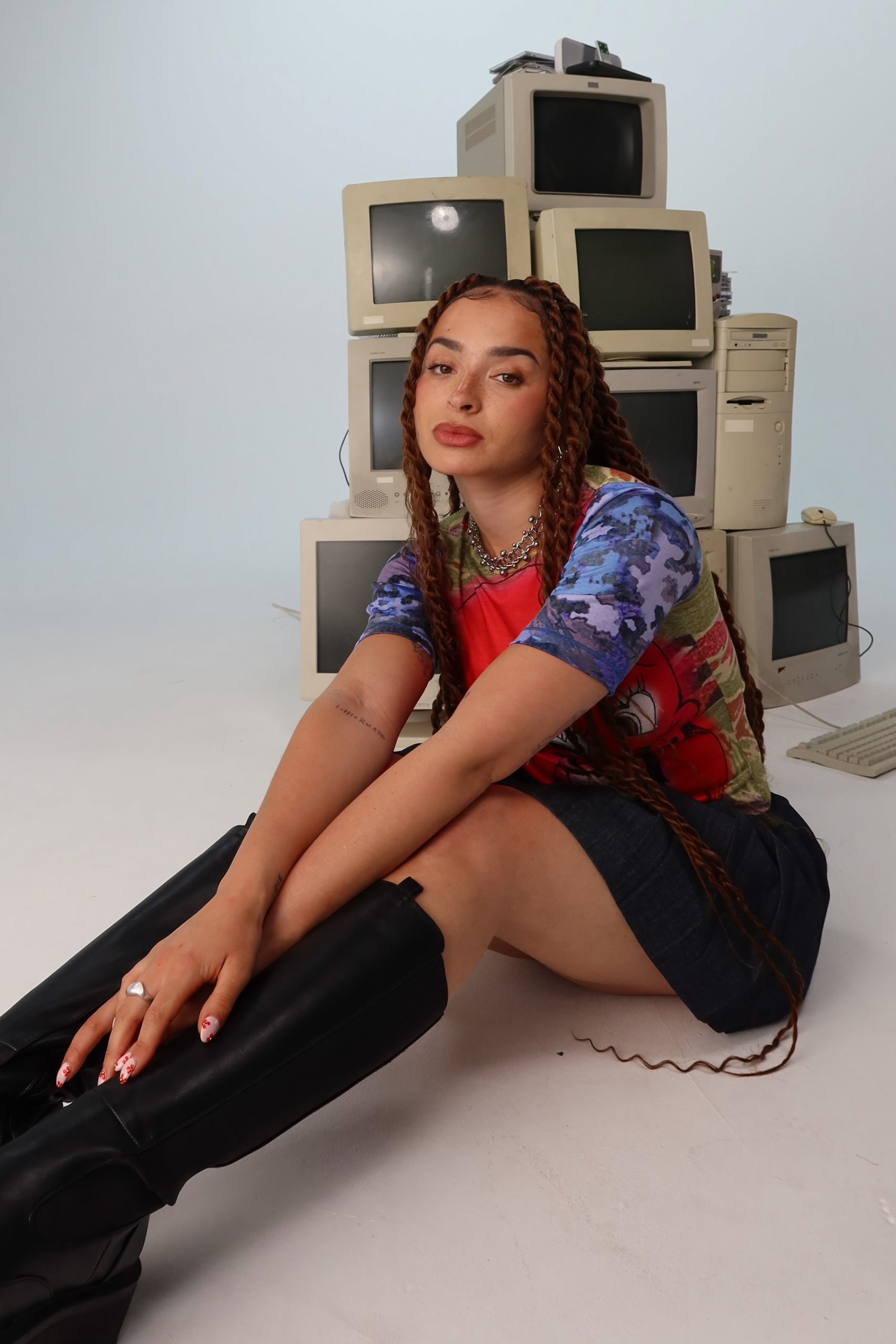
Ella Eyre stands ready at a defining moment in her career – one shaped by patience, resilience, and a powerful return to herself.
More than a decade after her explosive debut at 17, the London-born singer is sweeping into a new era with Everything, in Time, an album which bloomed slowly and deliberately over ten transformative years. Known for her powerful voice, sass and dance-driven collaborations, Ella spent much of her early career feeling inconsistent and disconnected from what truly felt like her sound.
This album, she says, comes after feeling reborn when she hit 30 and is the end destination of a journey of self-discovery – and the start of a new, vibrant road. With the freedom to get creative, reconnecting with her foundations, and surrounding herself with trusted collaborators, Ella has crafted an album which feels like coming home to herself – only a wiser, braver and more grounded version than the teenager who first burst into the industry.
Her biggest lessons in her “turbulent” career so far have been patience and trust in time’s natural pace. One of the toughest periods Ella has ever faced was when she was forced into stillness after vocal surgery in 2020, which left her unable to speak for a month and in recovery for half a year. But she pushed through, and she came back stronger and “better than ever”. The experience became both traumatic and transformative, teaching her to step back, breathe, and let life unfold naturally.
In conversation with 1883, Ella Eyre discusses the peace of inner power, discovering her voice, and finally realising her musical identity.
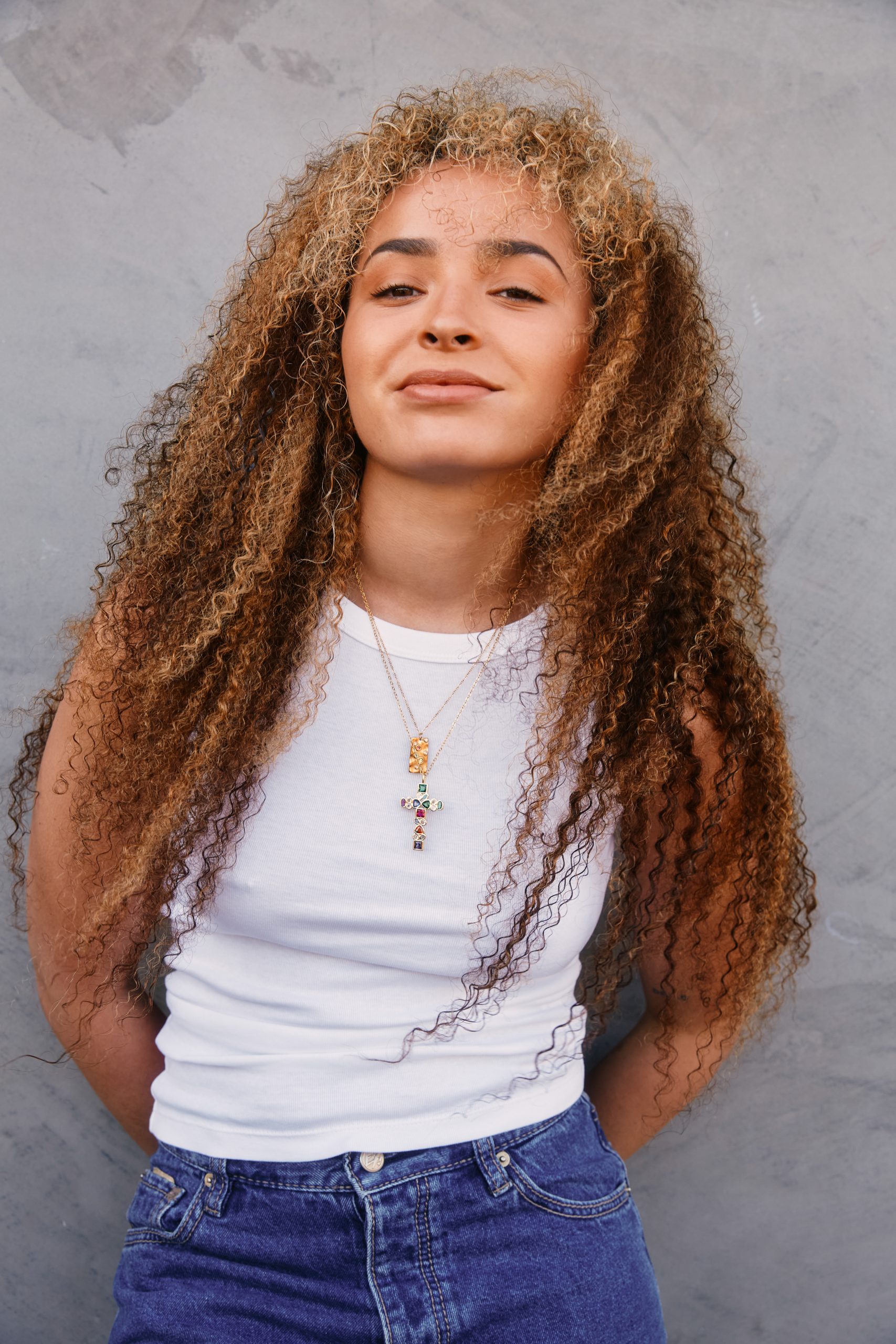
Everything, in Time is about to be in out in the world. What do you love most about the album?
I think the thing that I love the most about the album is the lessons that I’ve learned when I’ve been making it. When I decided that I wanted to make a record, I had no real idea as to what it was that I was going to be doing.
I just knew that I wanted to really find and define my sound, because I’ve done a lot of dance collaborations in the commercial world, but I didn’t really necessarily feel like that was Ella Eyre, you know? I think that has sort of defined my sound, because that’s what I’ve done a lot of in the last 10 years.
So, for me, I think my favourite part about the album is that there is a very clear, consistent sound in there, and a lot of the lessons I learned along the way.
Anything, in Time – the album’s taken 10 years. Anything that is supposed to come that’s worthwhile or anything good or bad that’s going to come in its own time is going to come in its own time.
It’s about learning the peace and finding patience in the process.
I’m an Aries. I’m incredibly impatient. I like things to be done quickly and my way. And I think that I’ve had to learn to sort of take a step back and just let time do the talking, and also trust the process a lot more.
Having vocal surgery in 2020 has really taught me a lot of patience because I wasn’t allowed to speak for a month. And then the rehab took six months, and that was a really traumatic time and it took a lot of resilience.
I’m really glad that I came out the other side of it, but it really taught me that the next stage of my career needs to be something that’s a lot more fulfilling and true to myself.
Your journey has been incredible. How did you feel when you settled on Everything, in Time as the title for your second album?
Actually, the album was called something else for two years, and I changed the title about three weeks before we delivered the album.
And the reason being is because the album was originally called ‘Exactly as I Am’. it was a song I’d written that I needed to write for myself because I think having been signed to two major labels and been through that circuit a few times, I’ve had my confidence knocked, and I really did doubt my ability a lot of times.
And for me, I thought when I started making the album that it was going to be a journey of self-discovery and self-acceptance. I got to the end of the album finally, which took a long time, and my favourite song on the album was Everything in Time, and it was the last song that I wrote for the album.
When we were deciding the order of the singles, I was just like, ‘What do we think about changing the title to everything in time?’ because I feel like I’ve been on that self-acceptance journey.
I now feel like I’m in a really strong place with myself and I’m in relationship with myself. But I think the biggest lesson that I learned is that actually I really need to learn to just enjoy life at the pace that it’s going to come at and enjoy the process, enjoy the things that come my way and not rush just because I have an end goal.
And it just felt like the perfect title in the end. By the time I really finished the album and delivered it, mixed mastered and everything, it just felt like this has taken a long time, but it really feels like it was worth the time that it took. And there have been so many takeaways from that time that I’m grateful for the time that it took.
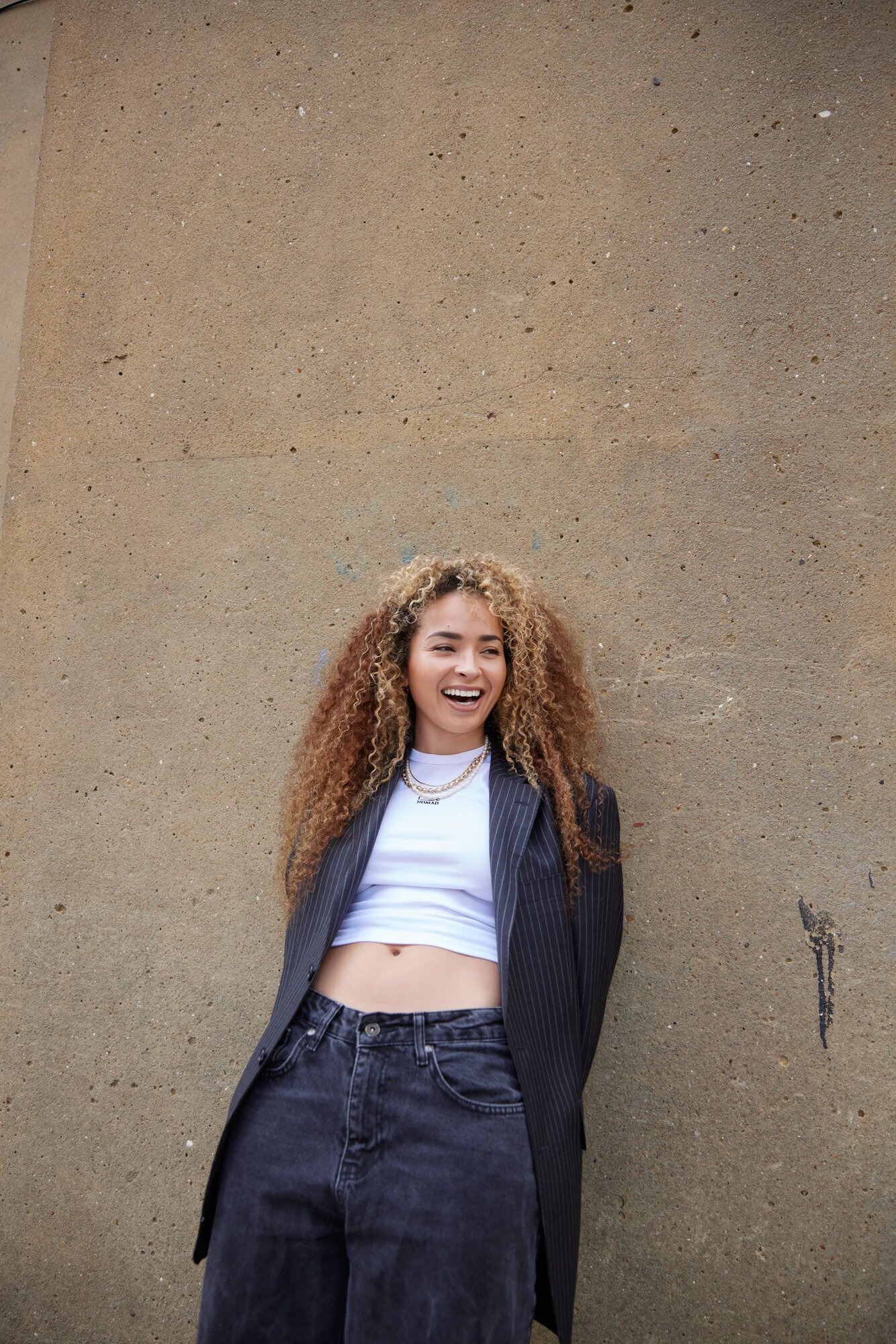
And why is that your favourite song on the album – are there any particular lyrics that really speak with you?
I think musically wise, it’s my favourite song because at the beginning when I was talking about wanting to find my sound and my direction, I feel like that song is it. That’s why it’s the first song on the album.
It’s the first thing I want people to hear because I want anybody that’s like, ‘Oh, what’s Ella up to now?’ to listen to that. And I feel like they’ll get a good sense of what they’re going to get from me on that, on the album.
It’s also got so many of my favourite lyrics. There’s one lyric in the second chorus that’s:
I’m an Aries, it ain’t seasonal
Words, we don’t put them gently
It’s a fire sign by design
I can light up like a fuse, like keeping cool is a crime.
So it’s just basically about how I’m a hothead, I like things to be quick. And then like in the chorus it’s like, ‘But everything in time, everything in time’.
You started in the industry at such a young age. How do you feel this album represents you now at 31, compared with some of your first work you did at 17?
When I compare it to my first album, I’m actually quite thankful that a lot of people say they see a lot of similarities, because I think that when I was 16, 17, I was this heartbroken, opinionated, sassy teenager. I think that I have still embodied that sort of energy, but in a more mature, therapized way.
In my first album, there’s that song, Come Back, where it’s like, ‘Let the motherf****r burn, they always come back’.
On this album, there’s a song called Space, and that song for me is like the comeback of Everything, in Time because it’s still like a big f**k you kind of song, but it’s like, when I said ‘space’, I meant like intergalactic travel, like a different universe kind of space. I’ve learned how to be a lot more selective of my words and regulate my emotions.
It is very different in the way that I approach the songs and the lyrics, but I am thankful that there’s also quite a lot of similarities and that they do feel like they’re part of the same family.
Do you feel like you’ve been able to come back to yourself and your sound, but also that you’re in a completely different universe and different world now at the same time?
Exactly that. I would say that I feel like I have come back to myself, I’ve sort of recognised where I was coming from in the first place, but it feels like an upgraded version.
I think turning 30 was actually like a massive light bulb moment for me – I really enjoyed it. I was really excited to turn 30. It made me really excited for the rest of my life, which sounds really weird. But I know that lots of people turn 30 and they’re like, ‘Oh no, I’m 30, I’m not married, I don’t have kids’. And that’s valid, that’s how somebody feels.
But I almost feel like I’ve been born again and I’m nowhere near marriage and kids, because I have so much I want to do and achieve and enjoy before I do that. It definitely felt like a ‘light bulb’, ‘born again’ moment.
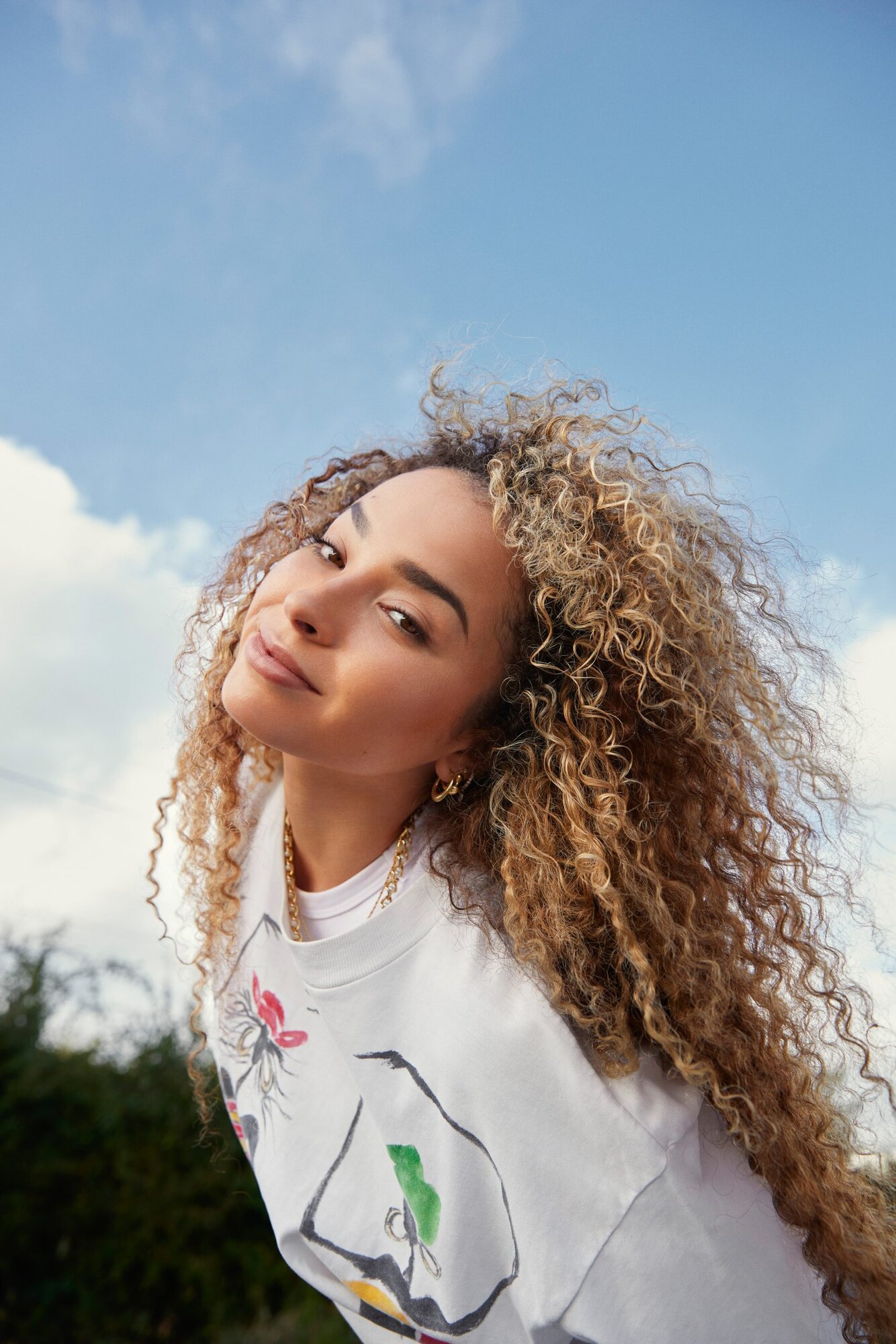
Going back to your youngest self, what was the first dream you had and the first vision you saw of yourself being a musician?
I think for me, as a mixed race kid with not many references and influences – TikTok and Instagram were not around, so there weren’t that many people to idolise that I felt represented me – the most obvious one would be Beyoncé. She was a powerful woman. Whenever you watched her documentaries, all the credits were ‘Directed by a Beyoncé, produced by Beyoncé’, and I thought that was so cool that there’s this woman with so much power, and she’s black and she’s got an amazing voice and she can dance.
I danced when I was a kid, I loved to sing, but I hadn’t really given much thought about anything else really. I just knew that I wanted to perform. I knew that I wanted to be on stage. Later on in my teens, I learned that I actually like to write songs and I do have something to say.
My vision for myself really did grow as I got older. But it’s funny, because I don’t really see myself being a Beyoncé now, I think that’s a completely different kettle of fish. I’m very content with having a fan base that are happy to come to my tours and to listen to my music, but being the big superstar with an £80million yacht is less of a dream for me, I think.
What do you think you want to represent for people and for your fans?
It’s so funny, the idea that there’s anyone who idolises me, because I find it funny that there’s anyone idolises anyone really, but I would say that… The one thing I hope I represent is the authenticity. I do love to dress up and I love to style myself and I love to have my hair done and have my makeup done, but I also love doing none of that.
I also love just leaving the house with no makeup on and not having my hair done. I’m going to be honest about it. I’m also very vocal about my relationship with the internet and about finding balance and I’m not going to be here all the time.
I would like to think that in this day and age, where social media seems to be very much at the forefront of our attention span, that I am able to remind people to find balance and to reconnect with the community and people around them because ultimately, that’s really what matters. I’d like to think that I’m not like a shiny, polished, pop style example.
You’ve said this album has been like a rebirth and a fresh start for you. How would you describe the last decade of your career, and what are the key things you’ve learnt that have influenced this album now?
‘Turbulent’ is the word I would use. But also, there were moments of stillness, which was quite uncomfortable, to be honest. There were definitely moments of comfortability in a fast-paced way and in a stagnant way.
Lockdown also was a really traumatic time for everyone, but different for different reasons for everyone. And mine was having vocal surgery. Once I came out of the other side of that, after a month of not speaking, my speech therapist said to me, ‘Okay, we’re just going to see where you’re at. Just say hey, how are you, and let’s hear how your voice is sounding’.
And I said, [silence]. Nothing came out.
That was a really scary moment because I’ve done this surgery, I’m supposed to be, better, but there’s no sound and it’s actually the only thing that I know.
And so I think that the decade has taught me to have patience, but also to just like take a step back and not rush and make assumptions, and just to just trust the process.
Also, I think it has taught me to recognise that, like, we all have our down days. We all have our down moments. And knowing exactly what you want all the time is not necessarily the best way to be. I think it’s taught me to experiment and to challenge and to push myself in other areas.
I have such an eclectic taste in music. I think that’s why I was feeling quite confused about music in general, because I was like, ‘But I like this, but I like dance music, but I like that’. I think actually they can all exist at the same time, but just in different ways.
I have other projects sort of brewing in my head for next year, and that’s been really fun to just diversify and to just like push myself creatively.
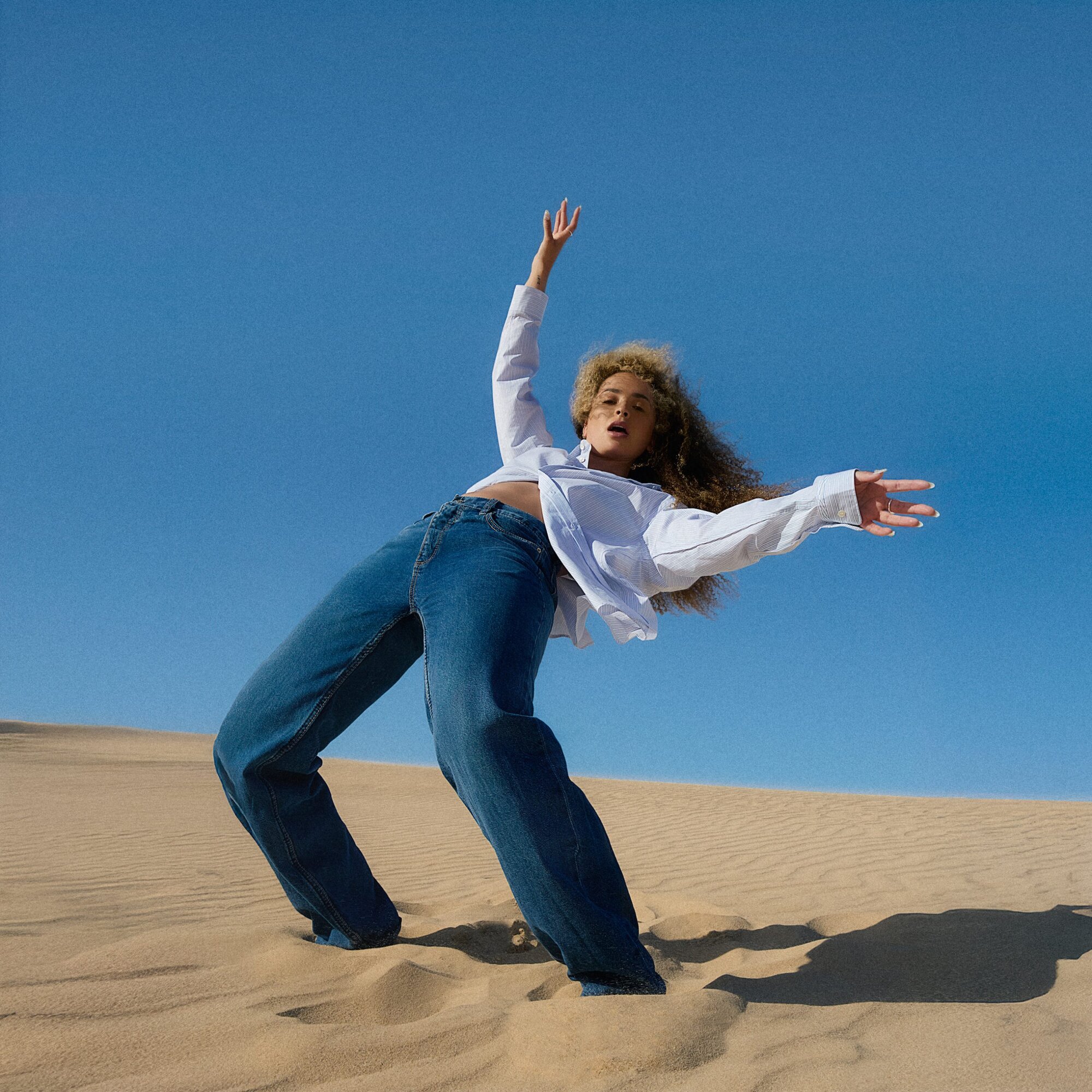
Going back to your vocal surgery, I can’t imagine how that must have felt for you. How did you feel when you came out of the other side of that?
It was a massive relief to come out the other side. It really felt like a triumph. I was really proud of myself. I was able to stick through to what I was supposed to be doing and to get to the point where my voice was back and better than ever.
There’s a song on my album called Lover Man, and the intro of the album is like a big sweeping ad-lib that I did when I was in the studio that day. But it was the first vocal that I did after my surgery. And it’s really cool that, A, it sounded amazing, but B, I never re-recorded that part of the song because it, meant something, for me, I can listen back to that, moment and be like, ‘That’s what I sounded like after all of that upheaval and, distress, that was the prize for all of that hard work’. It’s really cool to have that there as a little memory.
You’ve talked about having touches of different genres in your music, and mentioned coming back to yourself and some of your earlier sounds from when you were 17. How did you feel being able to go back to your foundations?
I felt amazing, to be honest, but I guess also it was really difficult because I had to unlearn a lot of what I’ve been doing for the last 10 years, in terms of melodies and structures to my studio sessions.
It was fun to have the freedom to do it, but it was actually one thing to have that, and another thing to actually do it properly and to not revert back to my habits. It was definitely challenging, but it did also force me to push my thinking outside the box.
There are moments on the album where I rap or I speak a bit, and that’s something that I have never done before. It was just really fun to really delve into exploring what I can do vocally and on the track as well. It was really important for me to work with producers and writers that I felt personally attached to, because they really brought out the best in me, especially if I was having a hard time or if I was going through something.
If the room is a comfortable space to share in, you really can create a lot of beautiful stuff. And so when I think back to the album process, for the most part of the writing, I’ve really just had a lot of fun and I was really happy and content with the rooms and the time that I was spending doing it.
Did you feel more in control than you have been before?
I’ve always been in control, to be honest, but I think I am a yes person – I’m a people pleaser. If my label said, ‘We think you should go and work with these people’, I’m not going to say no, because also it’s an opportunity to meet somebody new and you never know what’s going to come of that. But I think often if I was saying yes all the time, things were never consistent. It was really important for things to feel consistent on this album.
What I didn’t want is for each track to feel like we were going to different parts of the music world. I think for the most part, we managed to do that.
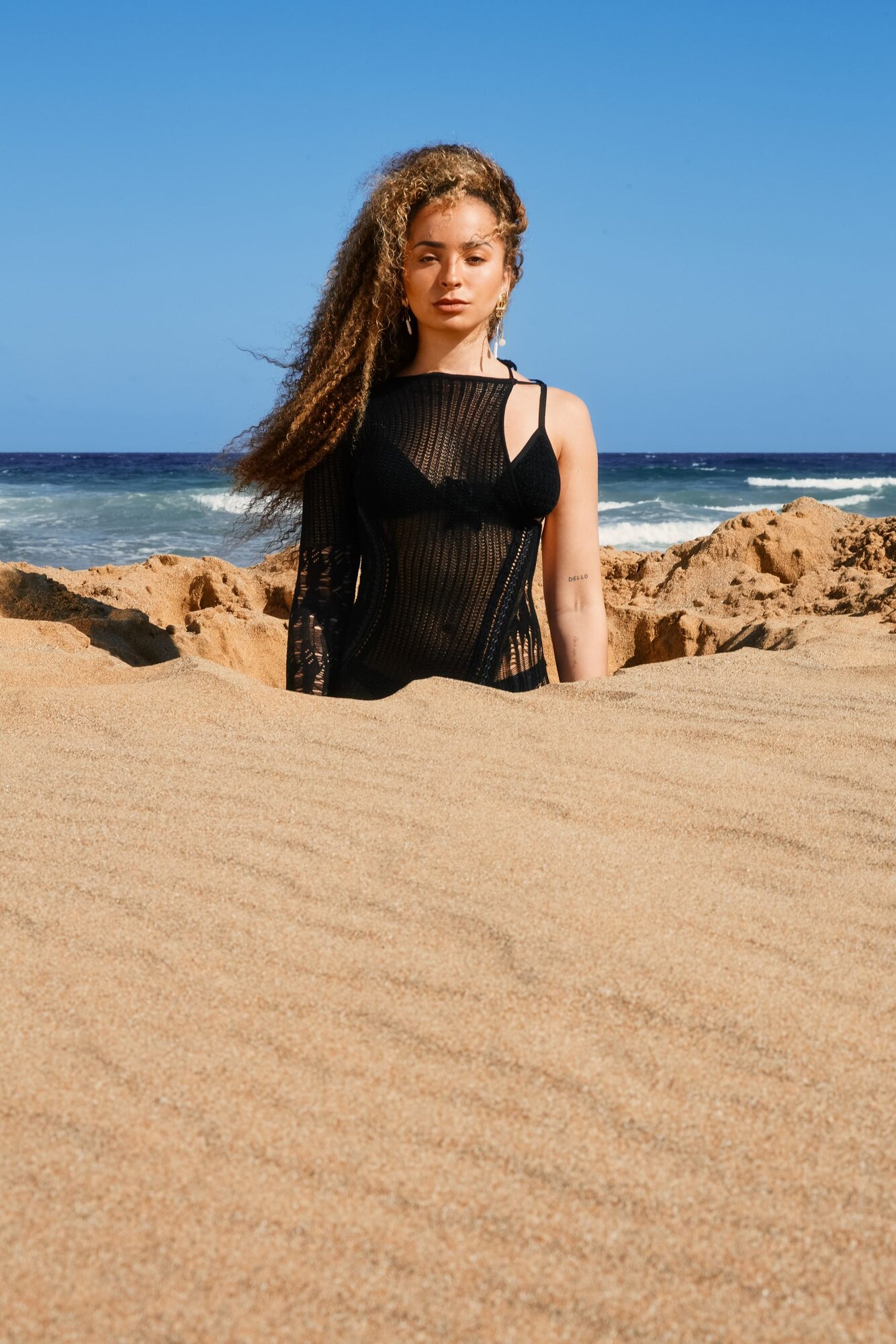
What was it like to be able to work with friends so closely on this really important project for you?
It was incredibly important, to be honest. There was a point where I was saying I didn’t want any features, mainly because features can be quite hard work, particularly if you don’t know the person. You can’t always rely on whether they’re going to turn up to a music video, or whether you’re going to like their verse once you’ve paid for it. That part of collaborating just didn’t feel right to me; it didn’t feel authentic in the way that I wanted this album to be.
It was important for me to work with people that, A, I felt respected me as an artist, but also rated me and wanted to be on the record and heard the record and were excited to be on it. It wasn’t about getting paid, it was about creating together. I was really able to do that with Tiggs [Tiggs Da Author] and Jay [Jay Prince], particularly Jay, who I wrote a couple more songs on the album with as well.
A lot of them blur into each other. A few of them that are all in one studio, but different writers came in and out. But it’s just great. It just, it felt like I found my home, I found my place in the writing world and having those collaborations come in and be a part of that was really special.
After this process, with your career so far and now this fresh start with your album, what would 31-year-old Ella say to 17-year-old Ella?
I would say ‘Don’t panic’. I would say that there is so much fear instilled in you in this industry that people are going to forget, like if you’re not releasing quick enough, you’re not going to be relevant. And don’t get me wrong, timing is very important and momentum is very important, but there is no rush when you’re still developing.
I’d say that would be my biggest advice to anyone starting out doing music, that the development process is actually the most important part because once you’ve released, first impressions are everything. I think that my first impressions were very strong, but the development hadn’t necessarily happened in order for that to be consistently continued after that. And I’ve had to do a lot of that work on my own now.
I’m grateful for it because I wouldn’t be here without recognising that. But I think it’s really important before you start releasing, before you get in your head that you need to release now because you’re young and you’ve got one song, to have a fuller, bigger picture filled out in your brain before going ahead with it.
It’s a very exciting time. It’s cool to be able to release an album I feel like almost represents what my first album should have been. I’m really, really grateful for the response so far, because like I’ve said it so many times, I don’t really care about the data and the chart position and all of those things.
All I know is that I’ve made an album that I’m really proud of that I think is really great. I think it represents me as an artist. To then hear feedback and for people to be responding to it in a way is actually really, really nice to know that it’s not just me and it’s not just in my head that it’s good.
Congratulations on everything. It’s been incredible to listen to you, and I can’t wait to hear the full album!
It’s so mad!
Everything, in Time is out now.
Interview Claudia Bradley
Photography Kaj Jeffries