The Everest Base Camp Trek is one of the world’s most sought-after adventures—a journey that combines breathtaking natural beauty, deep cultural encounters, and a sense of achievement found nowhere else on Earth. Set in Nepal’s Khumbu region, this trek takes you into the heart of the Himalayas, through vibrant Sherpa villages, ancient monasteries, and towering peaks that have inspired explorers for decades. It’s more than just a trail; it’s a pilgrimage to the foot of the highest mountain on the planet.
Whether you’re drawn by the challenge, the culture, or the scenery, this guide will help you plan every detail for a safe, rewarding, and unforgettable experience of Everest base camp trekking.
Why Trek to Everest Base Camp
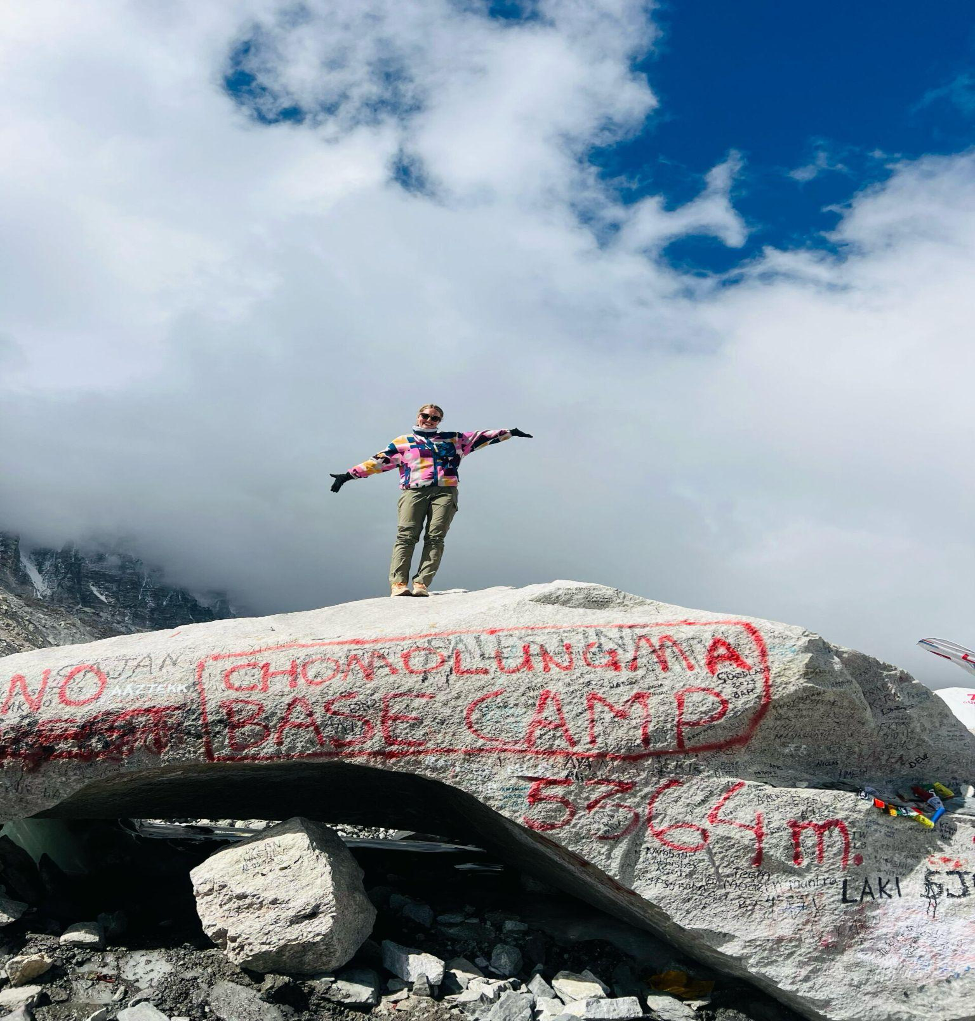
The Everest Base Camp route follows in the footsteps of legendary climbers like Sir Edmund Hillary and Tenzing Norgay, who first summited Everest in 1953. Today, it welcomes thousands of trekkers each year, all seeking to stand at the base of the world’s highest peak at 5,364 meters. The journey begins with a thrilling flight from Kathmandu to Lukla, known for its short runway perched on a mountain ridge. From there, you follow centuries-old trading routes connecting mountain communities.
Each day brings a new perspective—lush forests at lower altitudes, open valleys filled with prayer wheels and chortens, and finally the barren, glacial landscape near Base Camp. Along the way, you’ll meet local Sherpa people, whose resilience and spirituality are as inspiring as the mountains themselves. The combination of natural beauty and cultural richness makes this trek a complete Himalayan experience.
Route and Typical Itinerary
A standard Everest Base Camp Trek takes about 12 to 14 days, including acclimatization stops. Trekkers typically fly to Lukla (2,860 m) and start by hiking to Phakding (2,610 m). From there, the trail ascends to Namche Bazaar (3,440 m), the lively Sherpa capital filled with cafés, bakeries, and trekking shops. After a day of acclimatization, you continue to Tengboche (3,860 m), famous for its monastery and stunning views of Ama Dablam and Everest. The journey continues through Dingboche (4,410 m) and Lobuche (4,910 m), eventually reaching Gorak Shep (5,164 m)—the final settlement before Base Camp.
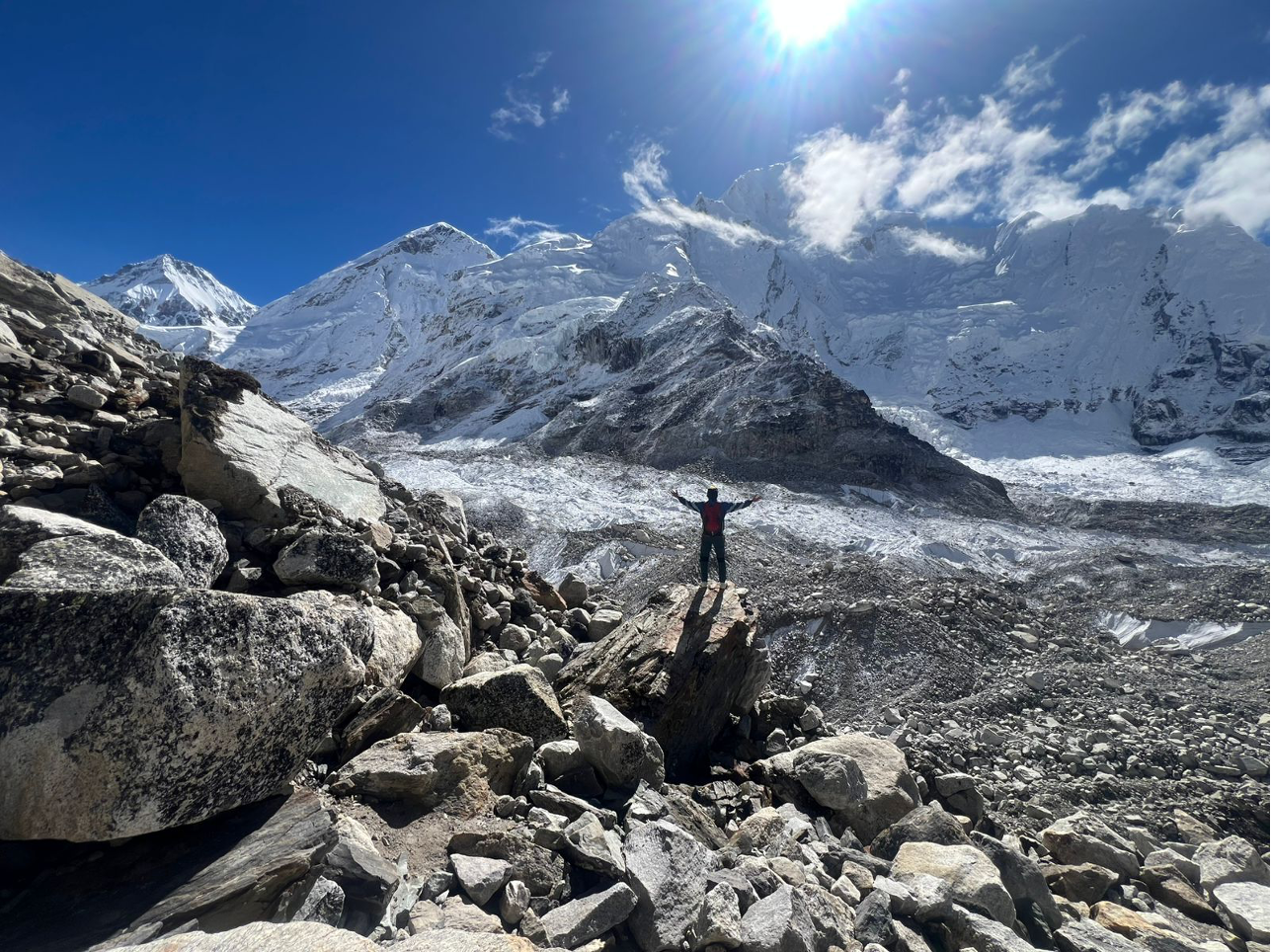
From here, you’ll make the unforgettable walk to Everest Base Camp itself, where the mighty Khumbu Icefall marks the start of climbing expeditions. Many trekkers also climb Kala Patthar (5,545 m) the next morning for panoramic sunrise views of Everest and its neighboring peaks. The return journey follows the same route, allowing you to revisit familiar teahouses and enjoy the landscape from a new perspective.
Best Time to Trek Everest
The best seasons for the Everest Base Camp Trek are spring (March to May) and autumn (September to November). In spring, rhododendrons bloom across the hillsides, and the days are pleasantly warm, while Everest expeditions fill Base Camp with a sense of excitement and purpose. Autumn offers crystal-clear skies and crisp air after the monsoon rains, making it ideal for photography and consistent trekking conditions.
During these months, daytime temperatures at lower altitudes hover around 15°C, dropping to –10°C at night in higher regions. Winter, from December to February, offers fewer crowds but much colder weather, with snow blocking high passes. The monsoon season (June to August) brings heavy rain, landslides, and cloud cover, making it the least favorable time to trek. Choosing the right season ensures both comfort and safety while maximizing your chances of clear mountain views.
Trek Difficulty and Preparation
The Everest Base Camp Trek is considered moderate to challenging. It doesn’t require technical climbing skills, but endurance, patience, and good physical fitness are essential. The trail involves steep ascents, descents, and long walking days—typically five to seven hours of trekking daily. Altitude is the biggest challenge, as you’ll be hiking above 5,000 meters, where oxygen levels are roughly half of what they are at sea level.
Training for at least eight weeks before your trek is highly recommended. Focus on cardio workouts such as hiking, running, and cycling, combined with strength training for your legs and core. Simulate trek conditions by carrying a 5–8 kg backpack on practice hikes. Most importantly, pace yourself during the trek and allow time for acclimatization. Remember: in the mountains, slow and steady always wins.
Permits and Costs for Everest Base Camp Trek
Before setting out, trekkers need two key permits: the Sagarmatha National Park Entry Permit, which costs NPR 3,000 (about USD 23), and the Khumbu Pasang Lhamu Rural Municipality Permit, which costs around NPR 2,000–2,500 (USD 18). These can be obtained in Kathmandu or at Monjo before entering the park. A TIMS card is no longer required in this region.
As for costs, the total expense of the trek varies depending on your style of travel. On average, expect to spend between USD 1,200 and 2,000 for the entire trip, including Lukla flights, meals, accommodation, guide and porter fees, and permits. Budget trekkers can keep costs lower by going independently, but hiring a guide or porter is highly recommended for both safety and cultural enrichment. Guides typically cost around USD 30–40 per day, while porters charge about USD 25–30. Supporting local staff not only enhances your experience but also sustains the mountain economy.
Accommodation and Food
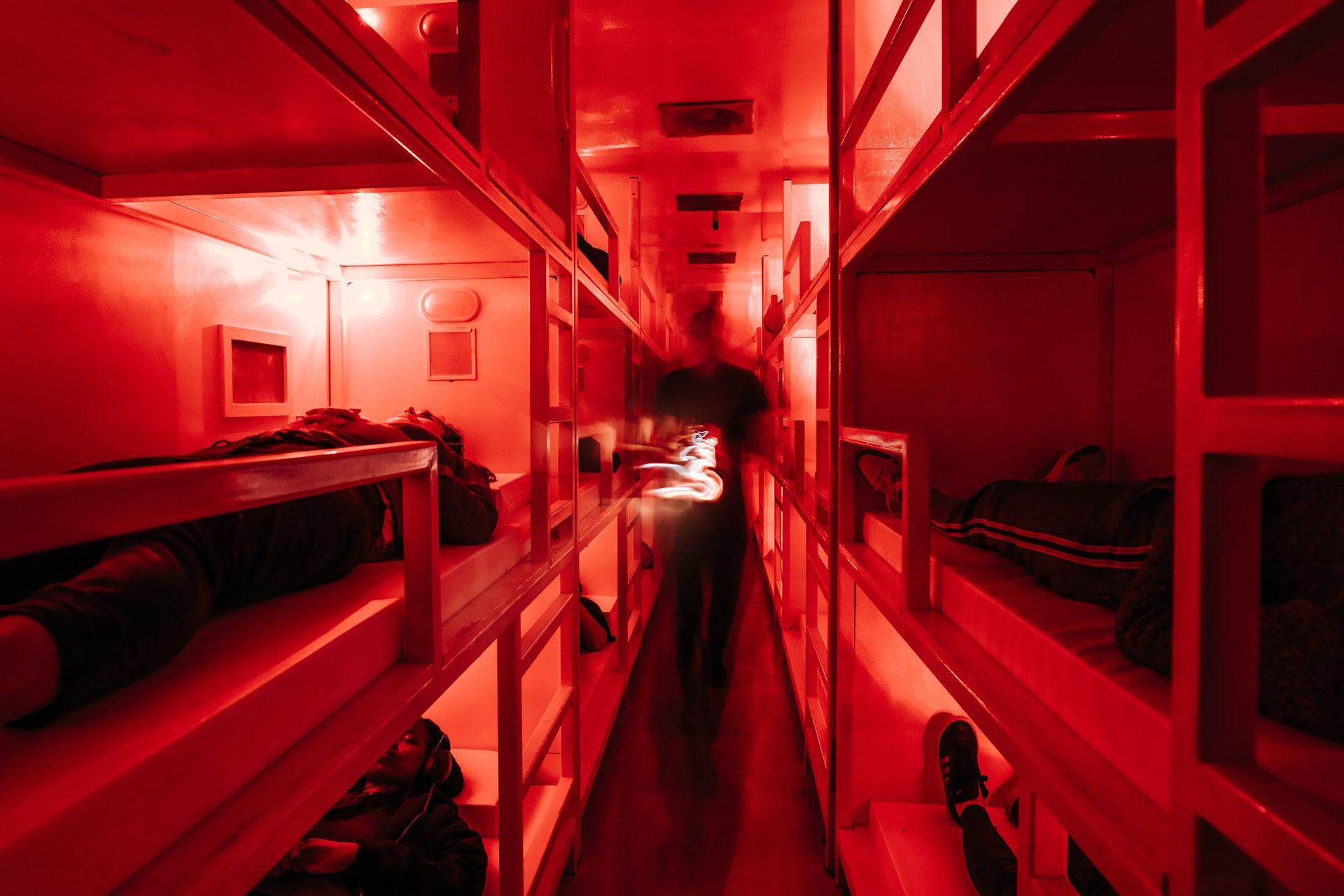
Teahouses are the lifeline of trekking in Nepal, and the Everest Base Camp Trek offers some of the best. These family-run lodges provide basic but comfortable rooms, usually with twin beds and shared bathrooms. While amenities get simpler the higher you go, most teahouses offer warm blankets, hot showers, and even Wi-Fi (for a small fee). You’ll find everything from basic accommodation to slightly more comfortable lodges with attached bathrooms in Namche and Dingboche.
Meals are wholesome and filling, designed to keep your energy levels high. Common options include dal bhat (rice, lentil soup, and vegetables), momos (dumplings), noodles, soups, and pancakes. Many teahouses offer continental options like pasta and omelets. As you go higher, prices rise slightly due to the cost of transporting supplies by porters or yaks. Avoid meat dishes above Namche Bazaar since refrigeration is limited. Stick to vegetarian meals, drink plenty of water (purified or boiled), and enjoy the hot teas that are part of the daily rhythm in the mountains.
Altitude and Safety
Altitude sickness, or Acute Mountain Sickness (AMS), is a major concern during the Everest base camp trekking. The key to avoiding it is gradual acclimatization and listening to your body. Plan at least two acclimatization days—one in Namche Bazaar and another in Dingboche—to allow your system to adjust. Symptoms of AMS include headache, dizziness, nausea, and loss of appetite. If they worsen, descend immediately. Staying hydrated, avoiding alcohol, and walking at a steady pace help reduce risks. Some trekkers use Diamox (acetazolamide) as a preventive medication, but consult your doctor before taking it.
Carry comprehensive travel insurance that covers high-altitude trekking and helicopter evacuation. In emergencies, rescue helicopters can reach most parts of the trail, though costs can be high without proper coverage. Trekking with an experienced guide also ensures that you have immediate help if altitude issues arise.
Packing Essentials
Packing smart is crucial for comfort and safety. Layers are your best friend in the Himalayas. Bring moisture-wicking base layers, warm mid-layers like fleece or down jackets, and waterproof outer shells for rain or snow. Trekking pants, thermal leggings, gloves, beanies, and wool socks are must-haves. Invest in sturdy, broken-in trekking boots and carry lightweight sandals for evenings in teahouses. A –10°C-rated sleeping bag is essential, as nights get freezing at higher altitudes.
Other essentials include trekking poles, a headlamp, water purification tablets, sunscreen, lip balm, sunglasses, a first-aid kit, and a power bank. Limit your duffel bag to 15 kg if you hire a porter. Minimalism pays off on long treks—pack light but pack right.
Culture and Monasteries
One of the most enriching aspects of the Everest Base Camp Trek is experiencing Sherpa culture. The Sherpas are renowned for their hospitality, resilience, and Buddhist faith. Along the trail, you’ll pass mani walls carved with sacred prayers, colorful prayer flags fluttering in the wind, and centuries-old monasteries that are central to Sherpa life.
The most famous is Tengboche Monastery, where monks perform morning chants surrounded by views of Ama Dablam and Everest. Visiting these monasteries offers a glimpse into Himalayan spirituality and a sense of peace that balances the trek’s physical challenges. Respect local customs: walk clockwise around stupas, remove shoes before entering monasteries, and greet locals with a warm “Namaste.”
Alternative Routes and Extensions
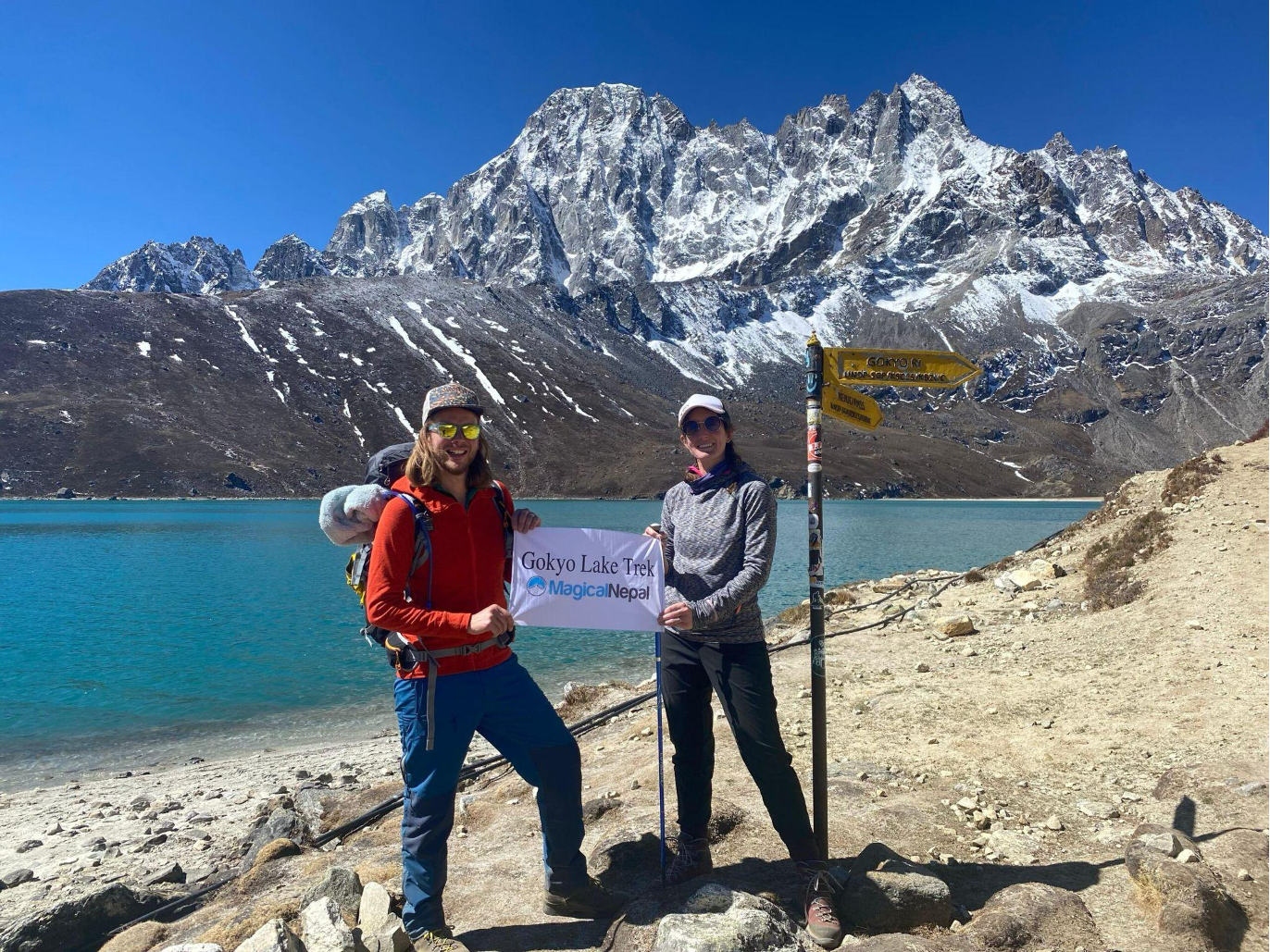
For trekkers looking to go beyond the classic trail, the Gokyo lake Trek is a remarkable alternative or extension. This route diverges from the main EBC path at Namche Bazaar and leads through the serene Gokyo Valley, known for its chain of turquoise lakes and dramatic glacial scenery. Crossing the Cho La Pass (5,420 m) connects this route back to the main Everest Base Camp trail, making for a more challenging but immensely rewarding circuit. The climb to Gokyo Ri (5,357 m) offers one of the most breathtaking views in the entire Himalaya—spanning Everest, Lhotse, Makalu, and Cho Oyu in one sweeping panorama.
Other exciting extensions include the Three Passes Trek, which adds adventure by crossing high passes like Renjo La and Kongma La, and side trips to Ama Dablam Base Camp or Island Peak for those seeking mountaineering experience. Each variation showcases a different side of the Khumbu and rewards you with solitude, scenery, and a deeper connection to the mountains.
Final Thoughts
The Everest Base Camp Trek is not just an adventure—it’s a life-changing journey. Standing at the foot of the world’s highest mountain, surrounded by peaks that touch the sky, you realize the power of human endurance and the serenity of nature’s grandeur. Every step, every breath, and every sunrise in the Khumbu teaches humility and wonder.
Whether you follow the classic route or choose the quieter paths like the Gokyo lake Trek, the experience will leave an indelible mark on your heart. So lace up your boots, embrace the challenge, and let the Himalayas guide you to new heights—both literally and spiritually.