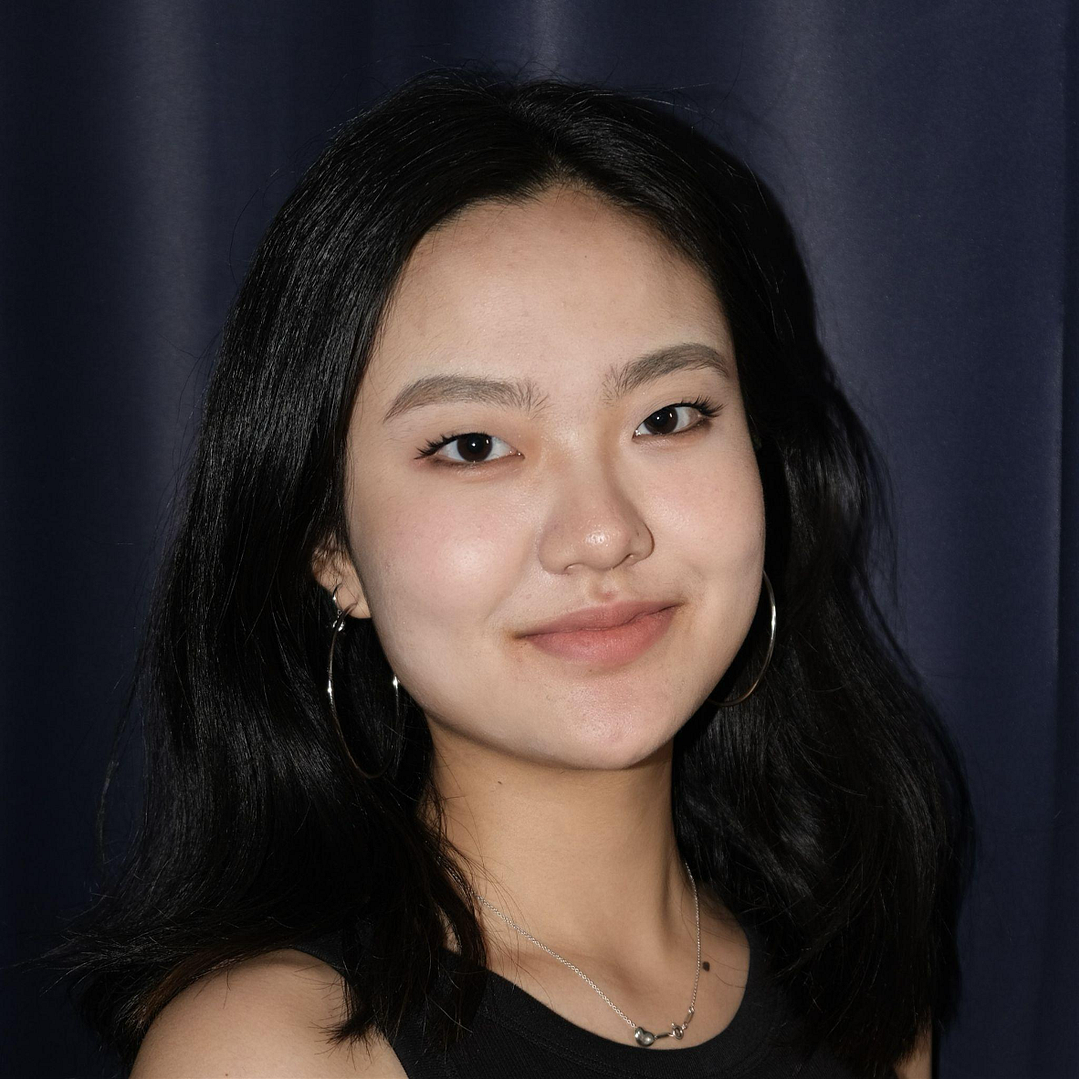
In the glowing dark of a post-production suite, a film is born for the second time. While directors command the set and actors capture the spotlight, once production wraps, it is the film editor who holds the final, quiet alchemy of storytelling. One of the voices in this crucial space is Yuntong Hazel Dai, an editor whose meticulous eye for rhythm and emotional intelligence is helping reshape independent cinema.
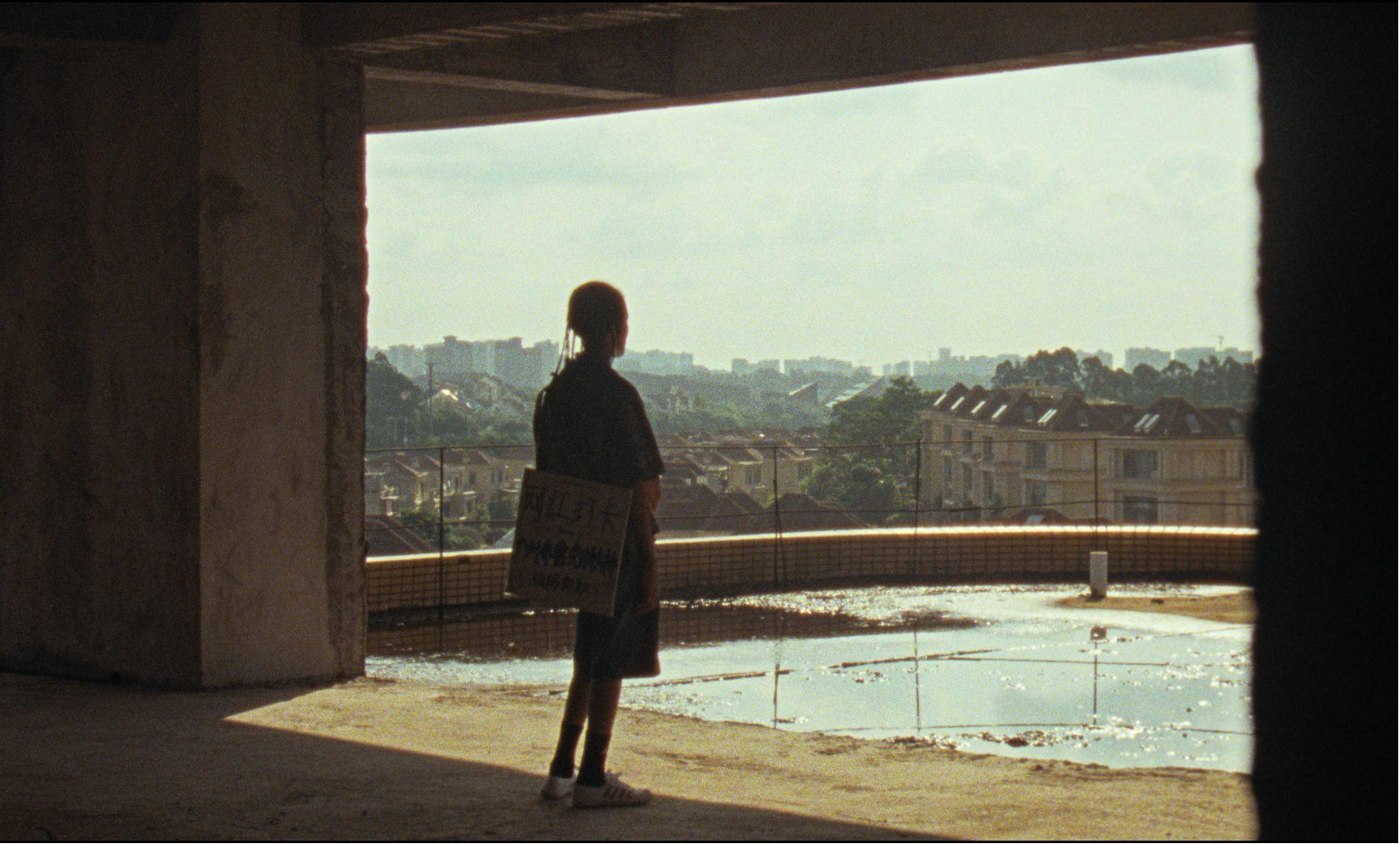
With a background that includes a Bachelor of Science in Interactive Media Arts from New York University and a Master of Fine Arts in Editing from the American Film Institute in Los Angeles, Dai operates at the intersection of technical precision and raw human feeling. Her portfolio spans celebrated projects like Drifting, South (directed by Di Zhang), which received Best International Short Film at the Riga International Film Festival, and Hi, Marilyn. Yet, in an industry where post-production remains heavily gatekept, Dai is doing more than just assembling beautiful frames; she is carving out an essential path for women in cinema.
Redefining Authorship in a Male-Dominated Space
The film editing suite has historically been a male-dominated territory, a reality Dai confronts head-on through the sheer authority of her craft. “I think visibility is the first step,” Dai reflects on the gender disparity in post-production. “Editing is often invisible by nature, and women in editing can become doubly invisible. I want people to know that this is not a secondary role. The editing room is where a film is often rewritten, emotionally clarified, and sometimes saved.”
Far from acting as a passive technician, Dai views her role as one of deep creative partnership.
“For me, carving out space means treating my own work with authorship and responsibility,” she explains. “Whether I am editing an independent film, an experimental film, or an all-women project like Song of Silence, I try to show that an editor is not just assembling footage. I always have tons of discussions with directors to make sure that the story is clear. Sometimes the whole structure has to be remade in post with me. As editors, we are shaping meaning. I hope the next generation of women editors can enter the room knowing their instincts, taste, and emotional intelligence are central to cinema.”
That dedication to mentorship isn’t just theoretical. Dai actively pays her experience forward, having served as a teaching assistant for the Editorial Storytelling Script Development Class at AFI, and sharpening her own perspective in talent training camps under the mentorship of industry veterans like renowned Chinese auteur, Lou Ye.
The Cross-Cultural Ear
Dai’s filmography is uniquely global, defined by an innate ability to translate localized, historical textures into universal human truths. Her work on Between the Moon and the Son and Non-stop Station garnered accolades at major benchmarks, like the China Golden Rooster Film Festival. This adaptability stems directly from her own cross-cultural journey.
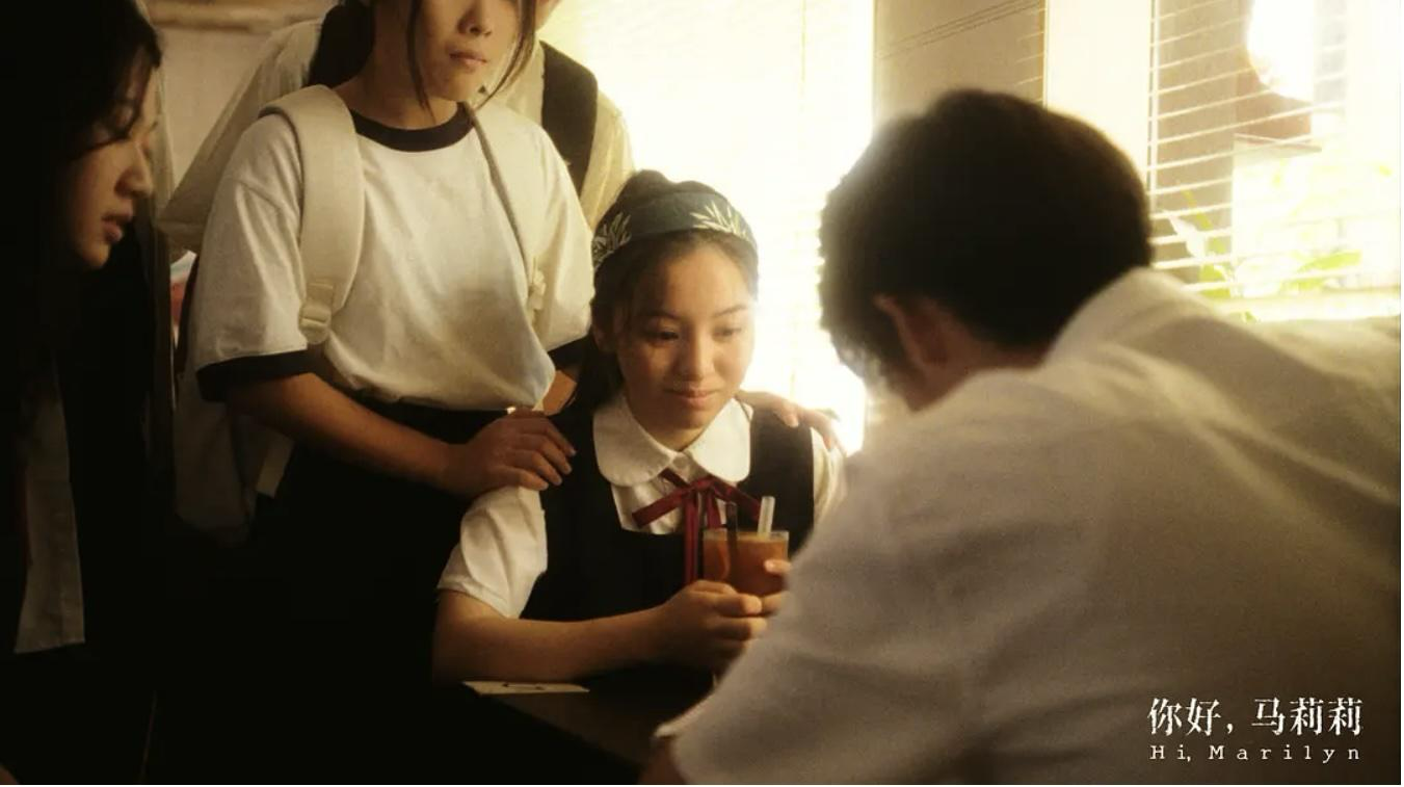
“My cross-cultural background shows most clearly in the way I listen to a story,” Dai says. “I am often drawn to films that carry very specific cultural memories, but still need to reach audiences beyond that original context. In Hi, Marilyn, the story is rooted in Macau before its return to China, but the emotional center is a boy discovering distance, longing, and imagination. This film was officially selected by the Beijing International Film Festival this year. In Drifting, South, the world is local and textured, but the feeling of displacement is universal.”
Rather than diluting the specificities of a culture to suit global tastes, Dai uses pacing as a universal vernacular. “As an editor, I am always asking: what must remain culturally specific, and what emotional doorway allows audiences from elsewhere to enter?” she said.
“I do not believe international storytelling means simplifying culture. It means protecting the details while shaping rhythm, silence, and character so that the story can be felt across borders.”
The Eloquence of Absolute Silence
Perhaps nowhere is Dai’s philosophy more evident than in Song of Silence, directed by Vasilisa Kuzmina. The film, which features an all-women crew and a deaf cast, recently earned a Drama Series nomination at the 45th College Television Awards and made waves at festivals ranging from the Fantasia International Film Festival, SLASH, and to the Brussels International Fantastic Film Festival.
Editing a film largely devoid of spoken dialogue stripped the craft down to its most raw elements. “In a film with very little spoken dialogue, editing becomes more exposed and essential,” Dai notes. “More importantly, the nature of Song of Silence gave me more opportunity to look at the film from a bigger perspective. I remember at one point in the edit, we became overly obsessed with the form and style, yet neglected the theme of the film. But I soon realized that ultimately, it is a film about a ruler’s choice between her son and her responsibility.”
This helped guide Dai towards the storytelling. “To me, there is always an emotion and a feeling in a film that can be universally related, and my job is to dig that out,” she said. “I also used early sound-design elements to help build emotional tension and rhythm and created an editing grammar.”
By restructuring the traditional visual timeline, Dai balanced narrative pacing with authentic cultural representation. “Deaf actors are expanding what cinematic performance can be,” she observes. “Working with deaf actors reminded me how powerful performance can be beyond spoken language. Our ASL advisor Douglas Ridloff told us that we need to include all of their sign language in the frame.”
This provided a challenge to Dai, as pacing is so important to a film. “But it also educated me that we need to embrace that in our film, so that the emotions are real, and this community can be represented with care and equal respect,” she said. “I think deaf actors are pushing the industry to become more attentive, visual, and honest. They challenge filmmakers to stop treating sound as the only path to emotion.”
Rewriting Power on 35mm
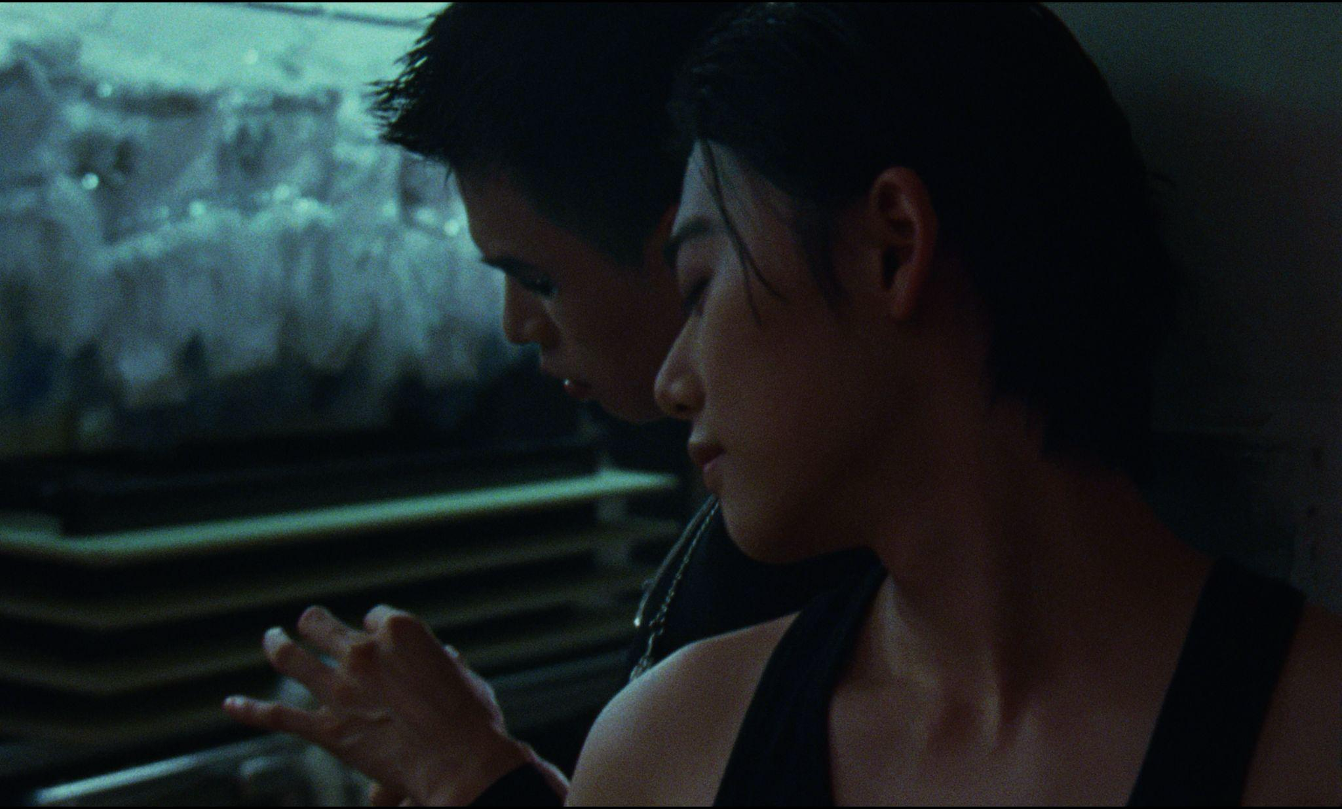
Because Song of Silence was shot on physical 35mm film, the production demanded meticulous calculation on set. Yet, Dai understands that the ultimate loyalty of an editor belongs to the story, not the difficulty of the shoot.
“I believe editing is a form of rewriting and discovering what the footage is truly asking to become,” says Dai. “Song of Silence was shot on 35mm film, so everything was calculated and rehearsed multiple times. But I still cut out many scenes in the editing room under this limited circumstance. The key is always to serve the story. If a beautiful scene disturbs the main storyline and distracts the audience, it is important to make the decision as an editor and let go of it.”
This narrative discipline directly informed the film’s thematic weight, particularly in how it framed female agency. “I removed a scene of sexual violence, so the film would not be defined by trauma, but by the mother-son relationship and the moral choice at its center,” Dai explains. “We don’t want female power announced loudly. Instead, it should be revealed through responsibility, sacrifice, and restraint. The women in the film are not only survivors. They are lawmakers, protectors, and witnesses to impossible decisions. My editing choice helped organize that emotional weight.”
Whether collaborating on experimental music videos with directors like Vasilisa Kuzmina and Alex Bush, or piecing together delicate indie dramas, Dai’s approach to film editing remains unchanged; she wants to transform moving images into living art.
“My goal is always to understand why this story deserves to be told; that question guides every editorial decision I make,” Dai says. “I try to find the emotional truth of the material and shape the film around it. This is exactly why I love my career, because I serve as a “bridge” between the filmmakers and the audience.”
Dai always needs a connection with the characters and the storyline to best deliver a film edit. “This stays true on every project I work on,” she said. “Whether I am editing a narrative film, a documentary, or a conversation with a renowned cinematographer, I am always looking for the same thing: the moment when the work begins to breathe.”
Words Nadja Sayej
Photos Yuntong Hazel Dai