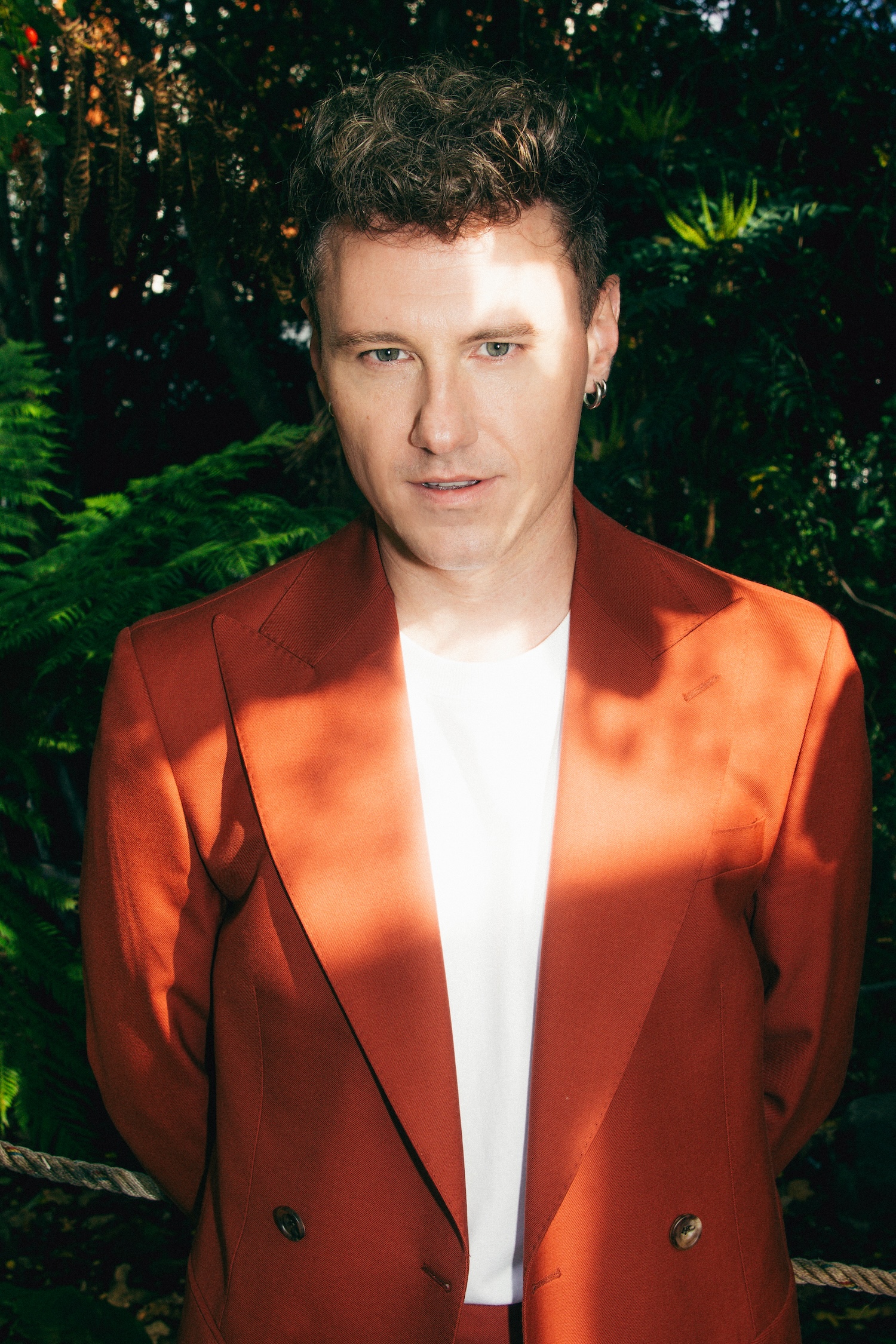
Scottish techno producer Frazi.er has just released his debut album Capitalism Kills Culture via PARALLEL VISIONS, and it’s exactly what the title suggests. Recorded partially at Devon Analogue Sessions with a room full of vintage Roland gear and countryside views through the window, the album pushes back against the fast-food approach to music that’s taken over the underground. There’s a rawness here that feels increasingly rare, steeped in 90s-era techno and the Detroit spirit of Underground Resistance and Robert Hood.
Across the double vinyl, Frazi.er builds hypnotic journeys with his signature “train track” percussion, from the UK underground anthem “Signal Breaker” featuring Theo Nasa to “Osaka 1972,” a love letter to Roland’s Japanese birthplace. The closing track “And Then It Was All Over” channels Orbital and Bicep into something reflective and honest. This is a listening album in an era that doesn’t really do those anymore. We caught up with Frazi.er to talk about the creative chaos, why hardware matters, and what resistance actually means in today’s techno landscape.
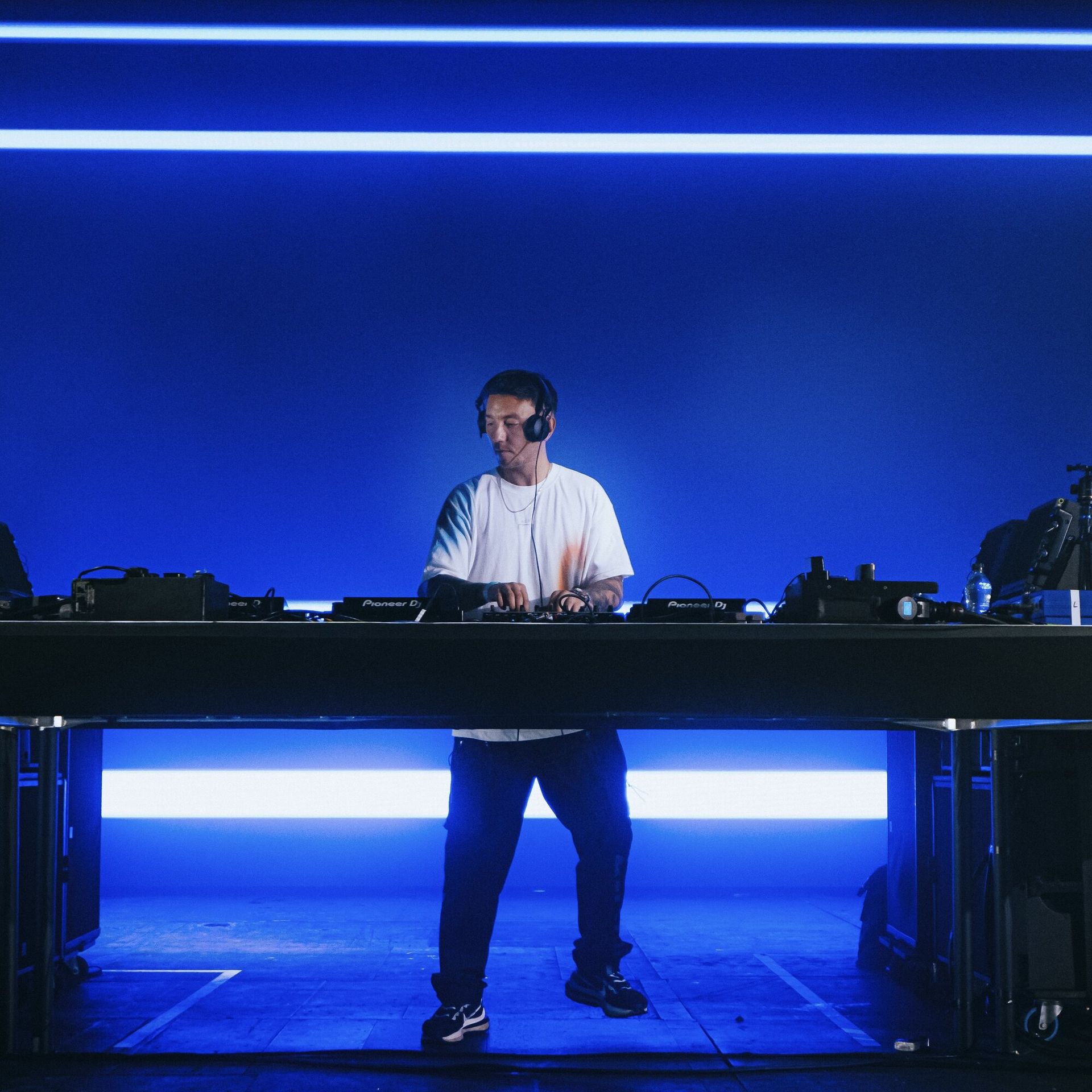
Massive congratulations on the album! It’s a deeply intentional body of work. How does it feel to finally have Capitalism Kills Culture out in the world?
It’s an amazing feeling. Holding the album in my hands for the first time was genuinely mad — it felt like I’d written a book, haha! At the start everything was exciting and I was in full creativity mode, but halfway through to near the end I started overthinking a lot, and I almost started again from scratch.
Capitalism Kills Culture is a bold title. What was the exact moment or turning point that made you realise this album needed to be a statement, not just a collection of tracks?
A big part of it was that music was being treated like fast food — quick trends, hype, and everything made for the algorithm. This stems from everything being built around the algorithm now. Music lost a lot of its values, and corporate entities capitalising on quick money has a huge knock-on effect on the overall culture.
You speak about resisting the “algorithm-driven nature of modern music.” What do you feel artists are losing most in this shift, and what do you hope to reclaim with this record?
I think a lot of newer artists chase quick trends and put all their focus on releasing edits. It’s a shame how normal that has become. When I first started out you would never get booked for shows unless you were releasing original music — which takes years of mastering your sound and a lot of dedication. I wanted to make a listening album, something that focuses on the experience and the unknown of what you’re going to hear. Everything has become so saturated and predictable.


You leaned heavily on vintage Roland machines and early hardware. What does working with physical gear give you that modern digital tools don’t?
At first it pushes you out of your comfort zone, but then it opens up a whole new dimension of creativity. The sound of analogue is incredible, and it helps achieve a more classic feel.
Osaka 1972, named after Roland’s birthplace, feels like a love letter to early techno machinery. What were you trying to capture with that track?
Yes, correct! This track was dedicated to the birthplace of Roland, and the style was inspired by early Intec sounds. From age 18–21 I spent a few summers in Ibiza and would go see Carl Cox at Space most Tuesdays. That was my first experience really understanding how big techno was, and hearing a lot of old-school music in a big club environment.
Signal Breaker with Theo Nasa is a massive UK underground moment. What made Theo the right person for the album’s first statement track? What was the collaborative process like?
After losing a couple of crucial audio files during the mixdown process, I realised I didn’t have any standout vocals on the album, which I thought would be a good addition. I had already started a percussive track and named it Signal Breaker. Theo came to mind straight away, so I dropped him a voice note. I told him I had a sketch and a name ready, and after he listened he instantly had an idea in his head. Within an hour he emailed me a 6-minute vocal take, all done in one go — pretty impressive! I chopped some bits out and only needed one more phrase with some natural stutter. By the next day it was completely finished. It was crazy how much we connected over just a couple of voice notes — it genuinely couldn’t have gone better. That’s usually when you know it’s a good one!
How do you balance making politically charged music that still feels emotional and dance-floor driven? Do you see the album as activism, or more as personal expression shaped by the world around you?
The album has a lot of Detroit influence, and one of the most famous movements in techno history is Underground Resistance — so I guess this is my own resistance to what the underground has become. I see the album more as personal expression. It covers decades of influence, and I wanted to share that with the world. I wanted it to have longevity — it’ll be nice to listen back in years to come and still feel satisfied with it! Haha.
Do you have a personal top three tracks from the album? And do they differ from the ones you expect fans or DJs to gravitate toward?
It’s hard to narrow down, but I think the full A-side — especially The Come Up and It’s How We Met — really resonated with me as they’re quite nostalgic. Also And Then It Was All Over, as it was my first electronica track I released. It was inspired by Orbital, Future Sound of London, Bicep, etc.


Which track changed the most from its original version to the final master? What happened in that evolution?
Good question! I had over three versions of every track. Sacrificed Everything was a part two of a track I made a few years ago, Sacrifices For Success, and between both parts I had over 30 versions — haha! So probably that one. Also Paths From The Origins — I made a full new version late on, stripping out loads of elements and making it much more minimal.
If someone only had time to listen to one track to understand what this album stands for, which one would it be and why?
I wanted to highlight that it’s more of a listening album than just peak-time bangers. I’d say the closing track And Then It Was All Over has a deeper tone that captures the emotions you might feel on a Sunday night after a weekend of partying.
If any artists could remix your tracks from the album, who would you want on the remix package?
There would be so many to choose from! Since it has a heavy Detroit influence, I’d say Robert Hood — or UK legend Dave Angel, who would be a great fit musically.
When people listen to Capitalism Kills Culture, what’s the feeling or message you most hope they take away?
I’d love people to listen to it start to finish, and to start creating and appreciating music again as if social media didn’t exist. As long as one track on the album is relatable to someone, I’m happy with that.
Frazi.er’s “Capitalism Kills Culture” is out now on PARALLEL VISIONS, follow via @frazi.er
Listen here – www.parallelvisions.bandcamp.com/album/capitalism-kills-culture