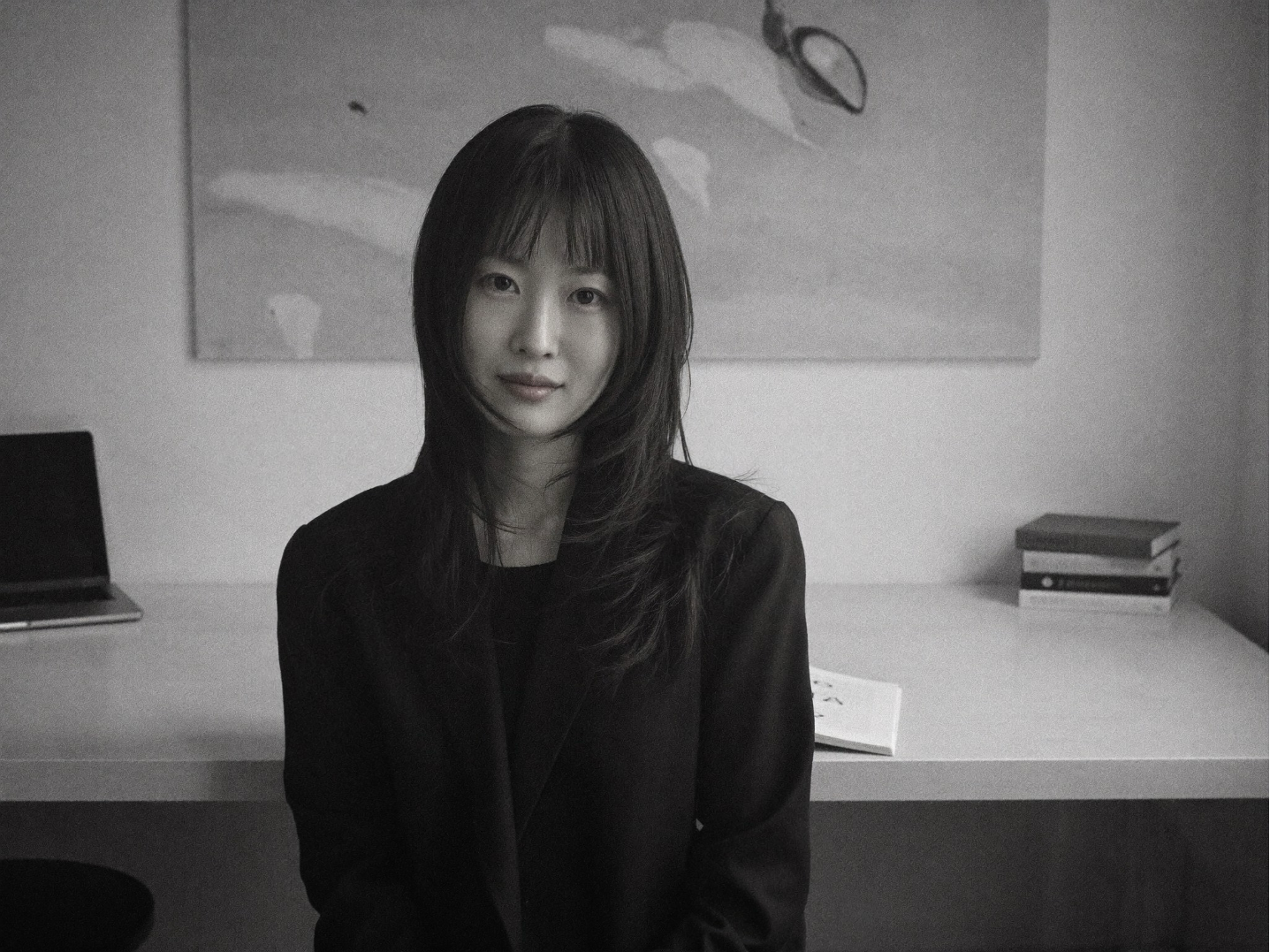
Based in New York, art director Yeajin Lim works at the intersection of brand, experience, and storytelling, developing concept-driven work across both commercial campaigns and immersive exhibitions. Currently working within the Publicis Groupe network, her practice is defined by a strategic approach to art direction that extends beyond visuals into systems, narrative, and audience engagement.
Alongside her work in advertising, Lim has led exhibition-based projects ranging from institutional presentations at the Fashion Institute of Technology to independent curatorial spaces in New York. Her work has drawn measurable audience engagement and received international recognition, including an Honorable Mention in Exhibition Design at the Creative Communication Awards.
For Lim, art direction is not just about creating images, but about shaping how ideas are experienced, understood, and remembered. We spoke with Yeajin Lim about her approach to art direction, her exhibition work, and how she builds ideas that extend beyond the screen.
You’re working as an art director in New York. How do you define your role today?
Yeajin Lim: I see art direction as building a system rather than just creating visuals. The image is only one part of the idea. What matters more is how everything connects, how a concept lives across different touchpoints, and how it can extend beyond a single execution.
Working in advertising taught me how to think clearly and strategically. You need to understand the audience, align with the brand, and communicate with intention. At the same time, I’m always thinking about how an idea can go further and become something people don’t just see, but actually experience.
You’ve worked across both advertising and exhibition-based projects. What connects those two parts of your practice?
Yeajin Lim: For me, the connection is storytelling and structure. In advertising, you’re building a narrative that needs to be clear and impactful within a specific format. In exhibitions, you’re building a narrative that people can physically move through. I’m always asking what the idea is, how it should be experienced, and how each element contributes to that experience. I don’t see them as separate. They inform each other.
You led the art direction for an exhibition that received international recognition. How did you approach shaping that experience?
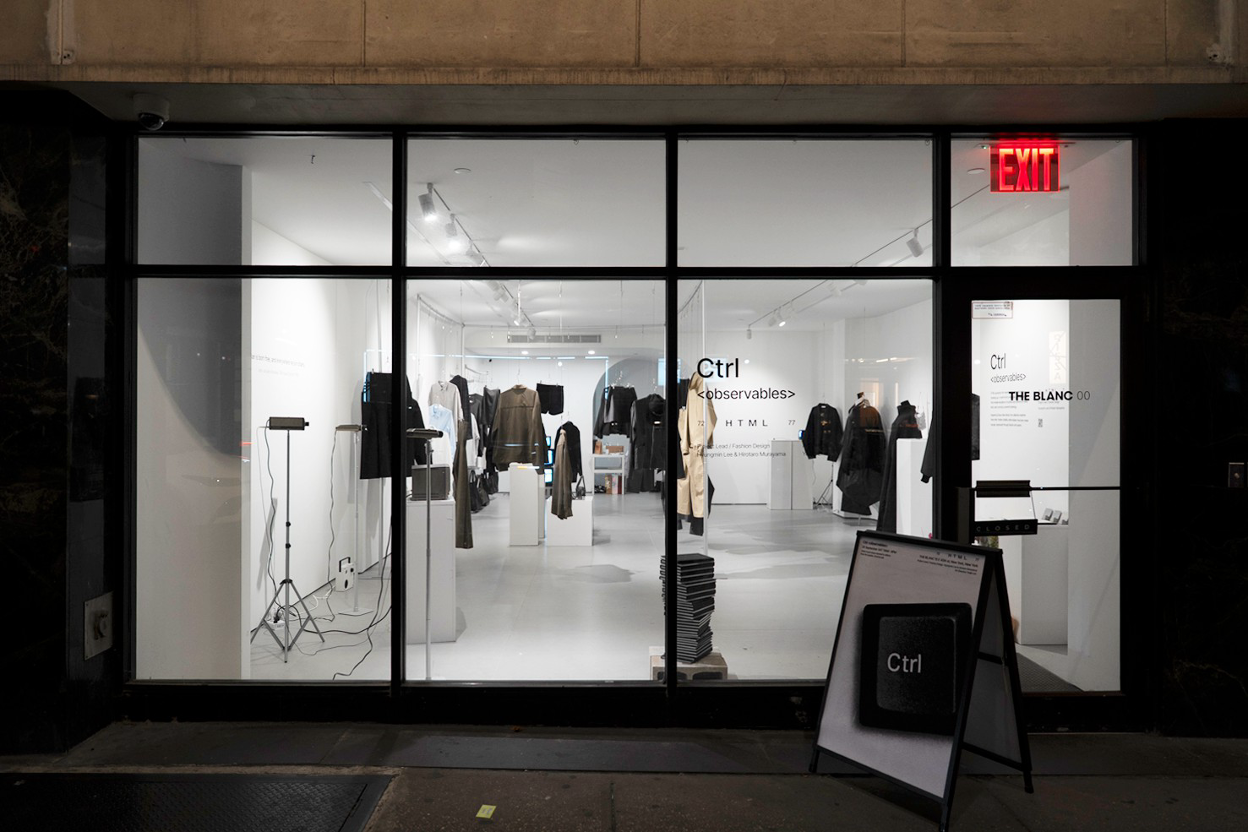
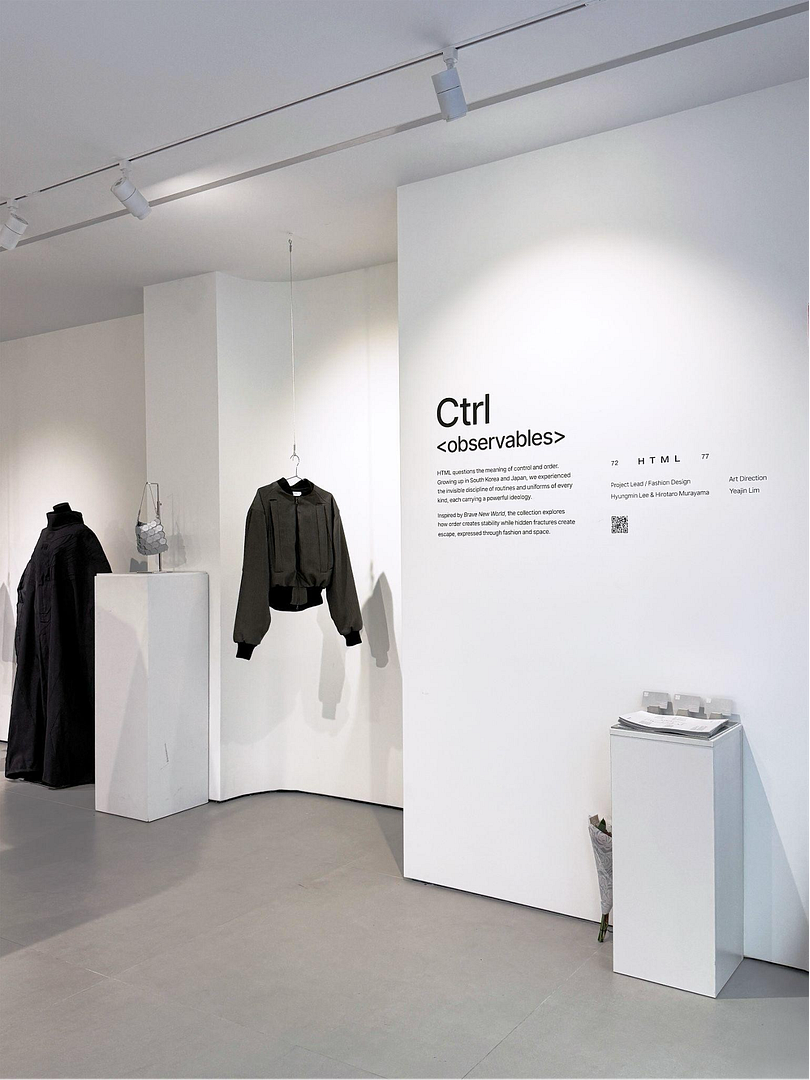
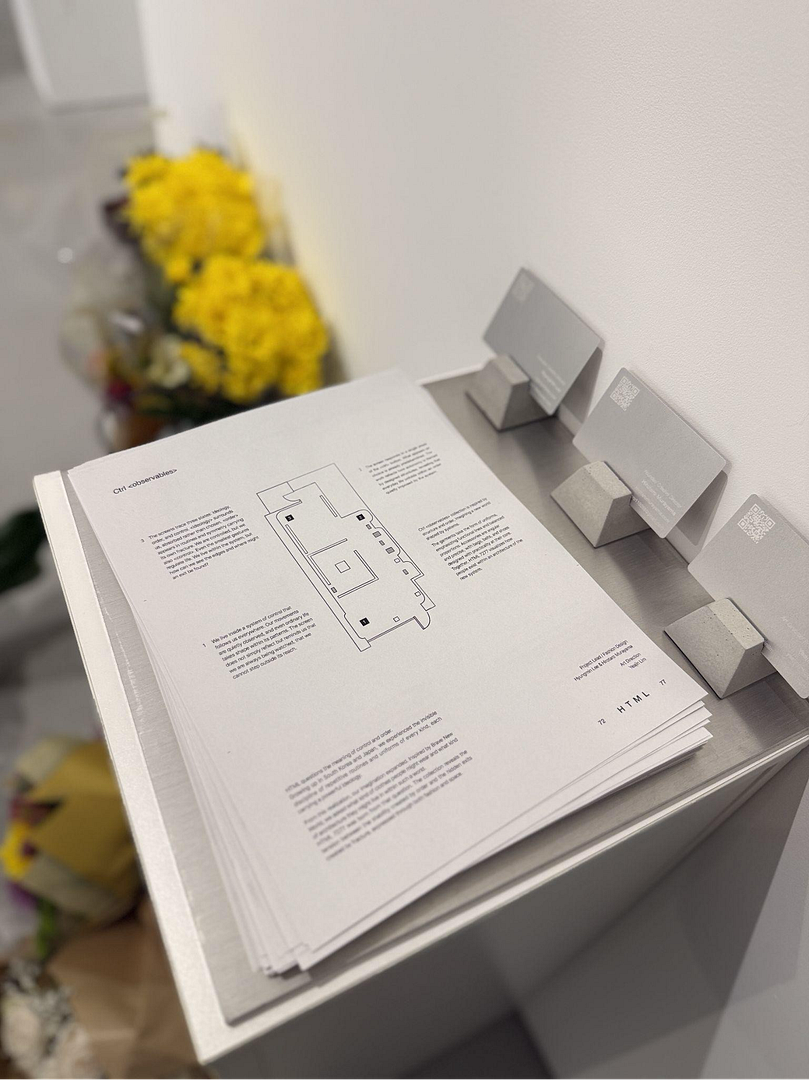
Yeajin Lim: Ctrl <observables> was a fashion exhibition for HTML7277 where I led the art direction, building an environment that made the concept of control both visible and experiential.
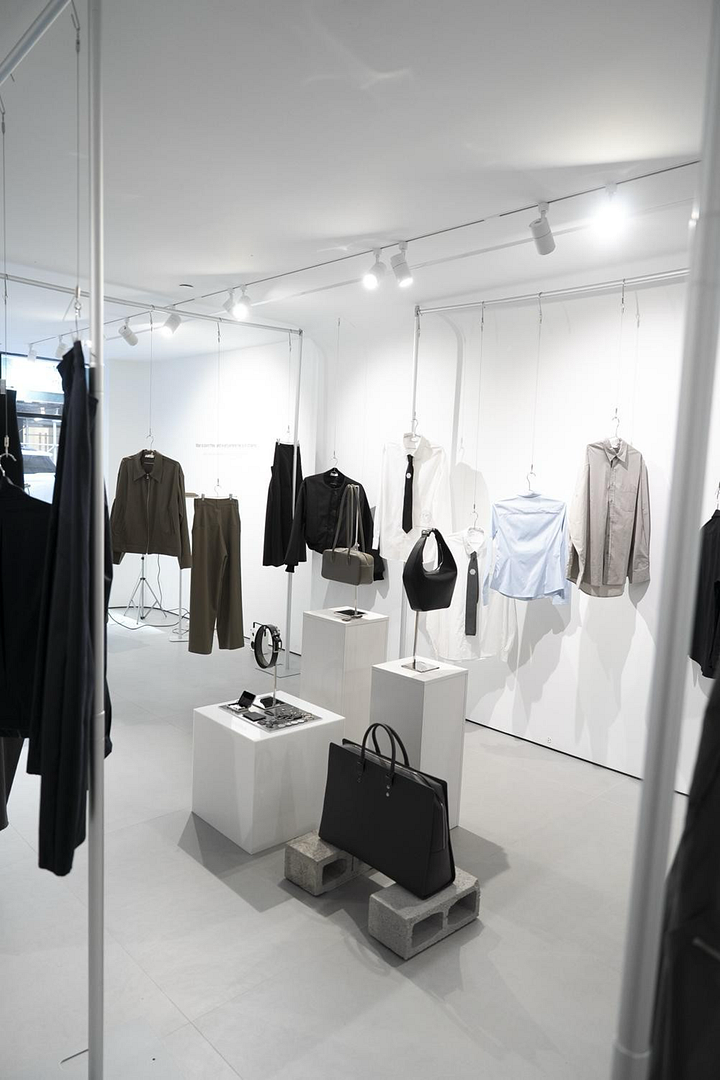
Rather than presenting the collection through a traditional format, we designed the space as an interactive system. The environment included surveillance cameras, live-feed monitors, and structured layouts that guided how visitors moved and engaged with the space.
My role was to develop that system from both a visual and experiential standpoint. I created the institutional poster campaign and designed a protocol-style RSVP platform that issued personalized ID cards, establishing the tone before the audience even entered the space. I also directed the exhibition materials and a series of video works exploring themes of order, control, and ideology, which were integrated into the installation.
From the moment visitors entered, I wanted them to feel like they were part of a controlled environment. That allowed the garments to be understood not as isolated objects, but as part of a larger system.
The project was presented at The Blanc in Midtown Manhattan and received an Honorable Mention in Exhibition Design at the Creative Communication Awards, recognizing the work on an international level.
That’s impressive, especially receiving international recognition for the project. How did audiences respond?
Yeajin Lim: The response was very strong, both physically and digitally.
The exhibition brought in over 200 visitors in a single day, with an average dwell time of more than 20 minutes. Online, the project reached over 15,000 views with more than 1,000 social interactions and also featured in multiple magazines.
What stood out to me was how people engaged with the space. They slowed down, observed more carefully, and became more aware of their own presence within the environment. That kind of engagement was exactly what we were aiming for.
What do you think made that project resonate so strongly?
Yeajin Lim: I think it resonated because everything was intentional and connected.
Every element, from the spatial layout to the printed materials and digital components, was part of the same system. The goal wasn’t to overwhelm the audience, but to create a subtle tension that made them more aware of the space and their role within it.
That clarity helped people understand not just the collection, but the structure behind it.
Your exhibition work also includes projects developed through the One Atmosphere 33 at FIT. Can you tell us about that experience?
Yeajin Lim: That experience was very important to me because it pushed me to work across disciplines and think about design in a more expansive way.
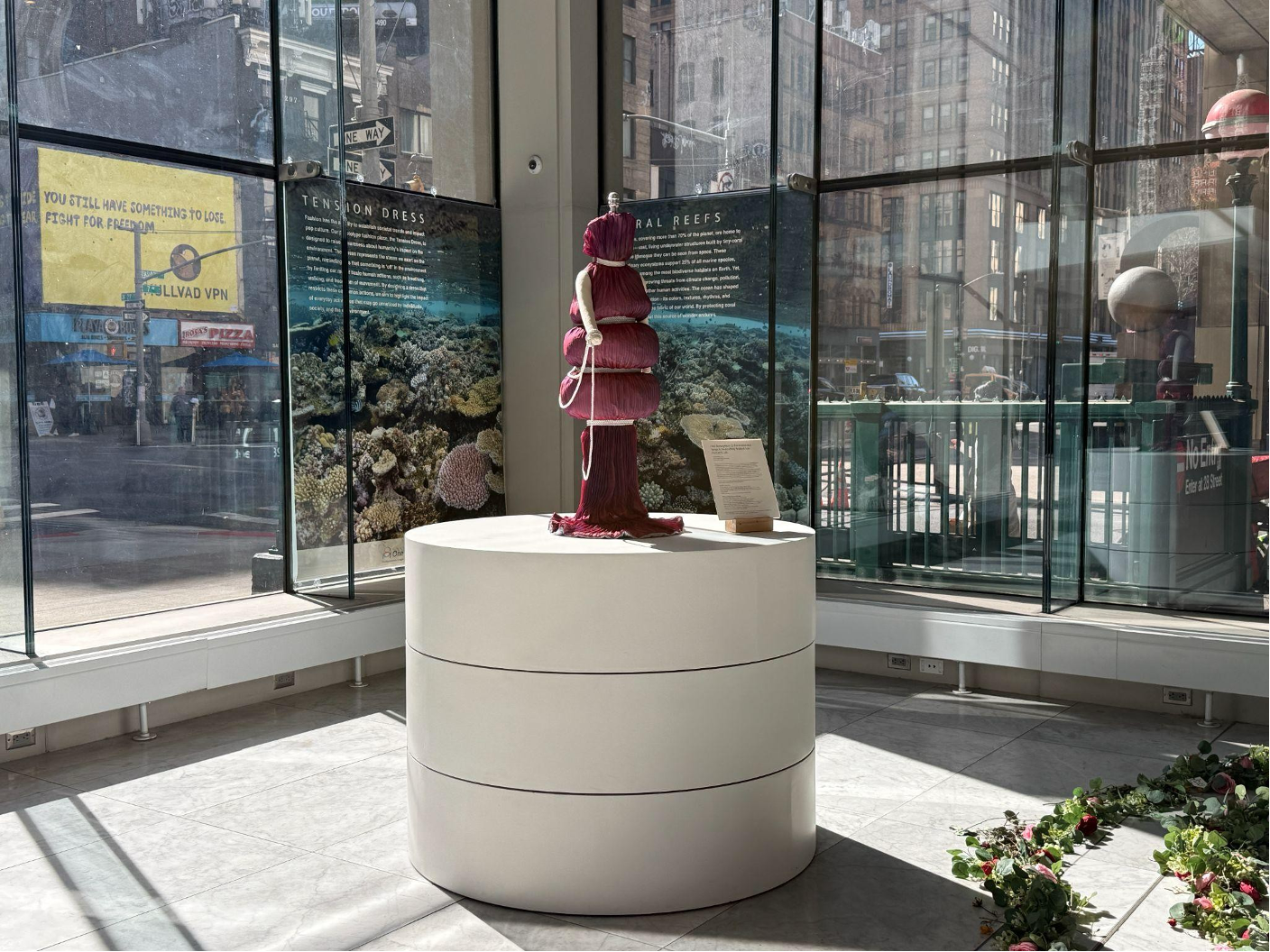
I developed projects that translated environmental research into visual and spatial experiences, leading the exhibition design and art direction to shape how the work was experienced by audiences. One of the key pieces I helped create was the Tension Dress, which explored coral reef degradation through fashion and physical form.
The work was presented in multiple exhibitions at the Fashion Institute of Technology, including City in Bloom and a performative installation during Sustainability Week. These exhibitions allowed the work to move beyond concept and become something audiences could physically engage with.
In addition to the installations, I led the visual direction for a publication titled Submerge 2022–2025, which documented the full body of work. I was responsible for the layout, visual system, and narrative structure, integrating research, branding, and design into a cohesive editorial format.
How did those experiences shape your approach to art direction?
Yeajin Lim: They taught me how to translate abstract ideas into tangible experiences. When you’re working in a physical space, you start thinking beyond visuals. You think about movement, timing, and how people interpret things in real time.
It also strengthened my ability to communicate complex ideas clearly. That balance between clarity and emotion has become a core part of how I approach all of my work.
Your work often sits between strategy and emotion. How do you balance those two?
Yeajin Lim: I think both are essential. Strategy gives direction, but emotion is what creates connection. When I’m developing an idea, I always think about whether it makes sense and whether it makes you feel something. If one is missing, the work feels incomplete.
That’s exciting. What kinds of projects are you most interested in exploring next?
Yeajin Lim: I’m interested in ideas that can exist across multiple formats. Something that can be a campaign, but also an experience or a physical space.
I want to continue exploring how advertising can expand beyond traditional formats and how immersive work can communicate ideas with clarity. That intersection is where I feel most excited.
Finally, what does meaningful work look like to you?
Yeajin Lim: For me, it’s work that stays with people. Something that feels intentional and complete, not just something that looks good in the moment. If an idea can create a lasting impression, even in a subtle way, that’s meaningful.