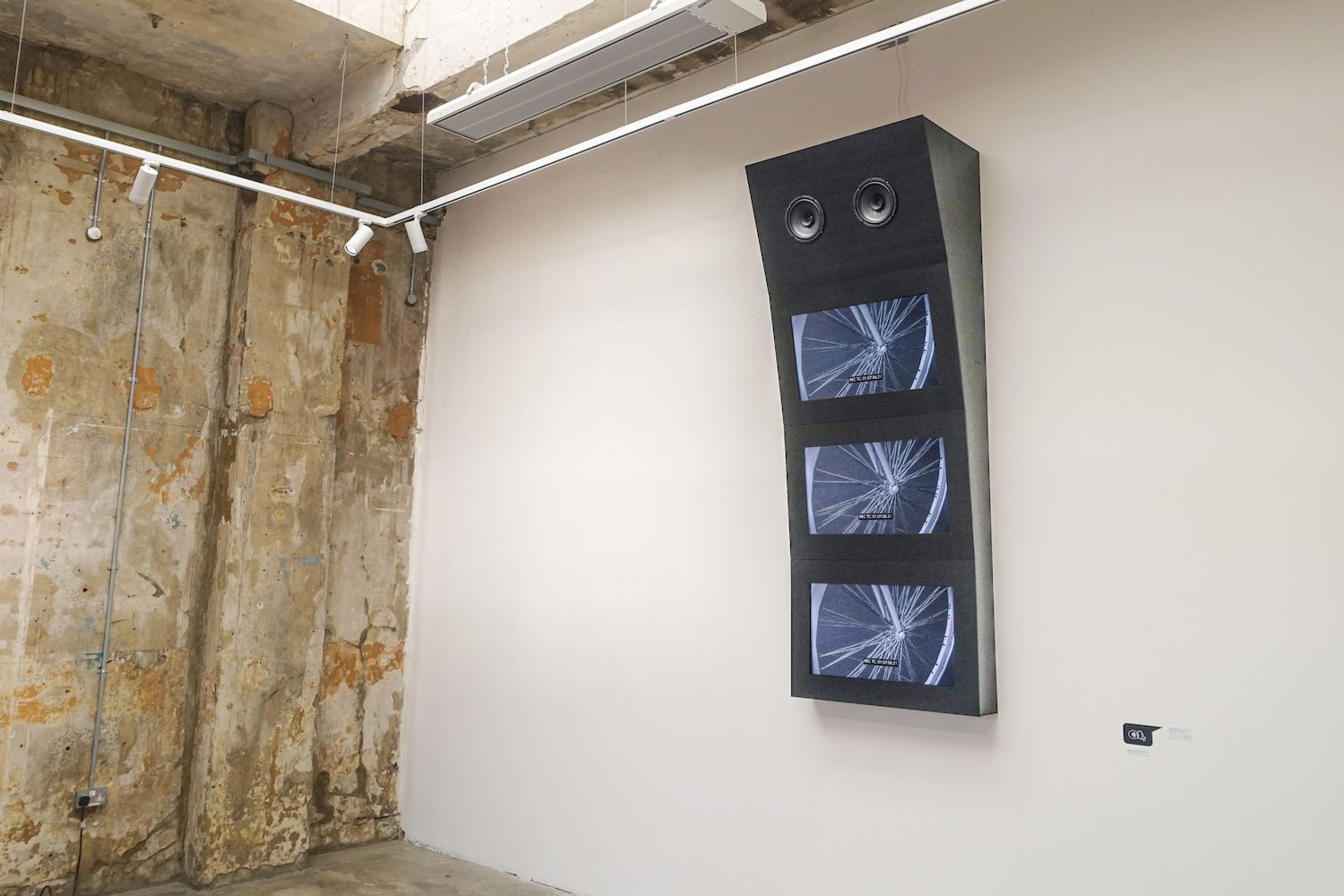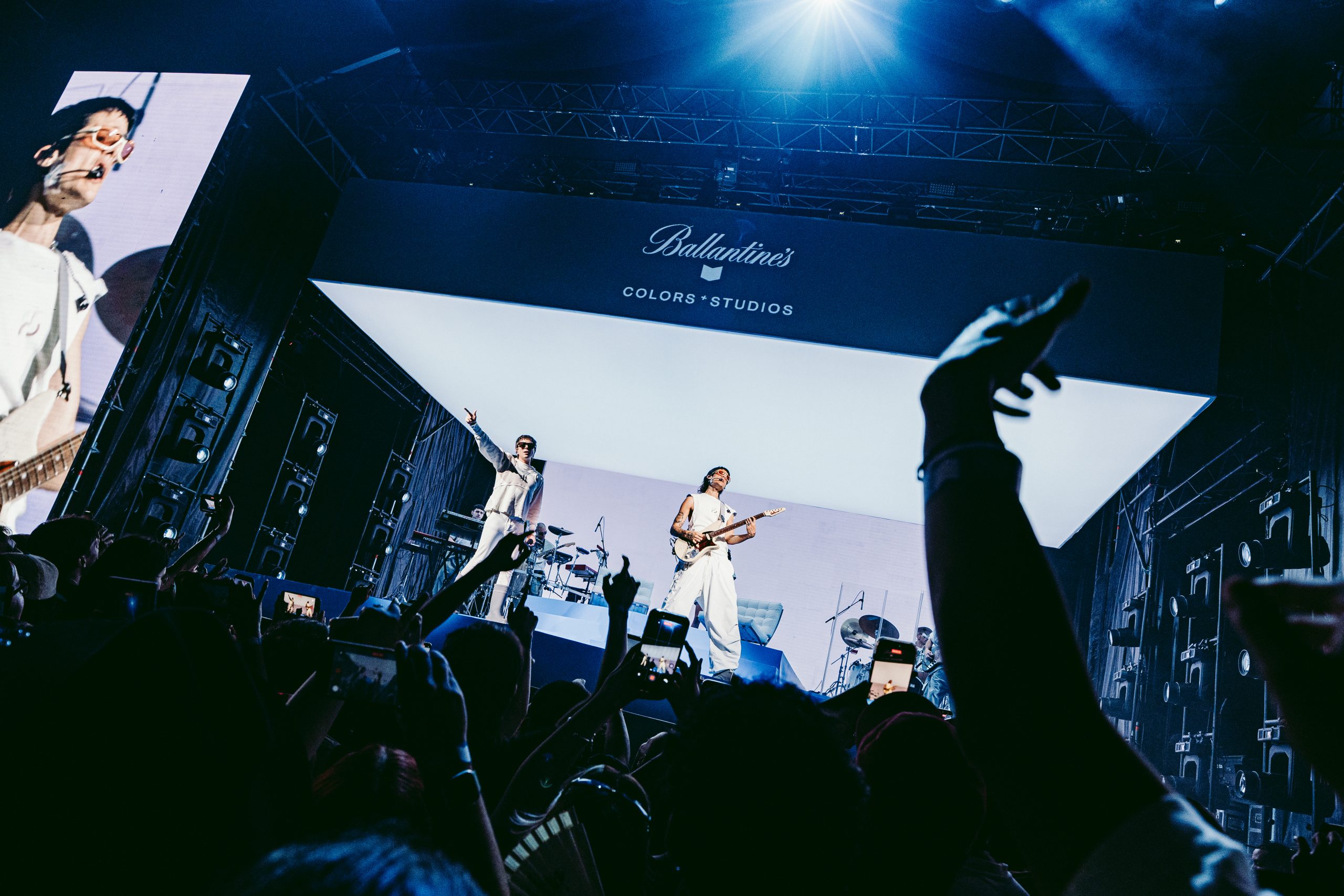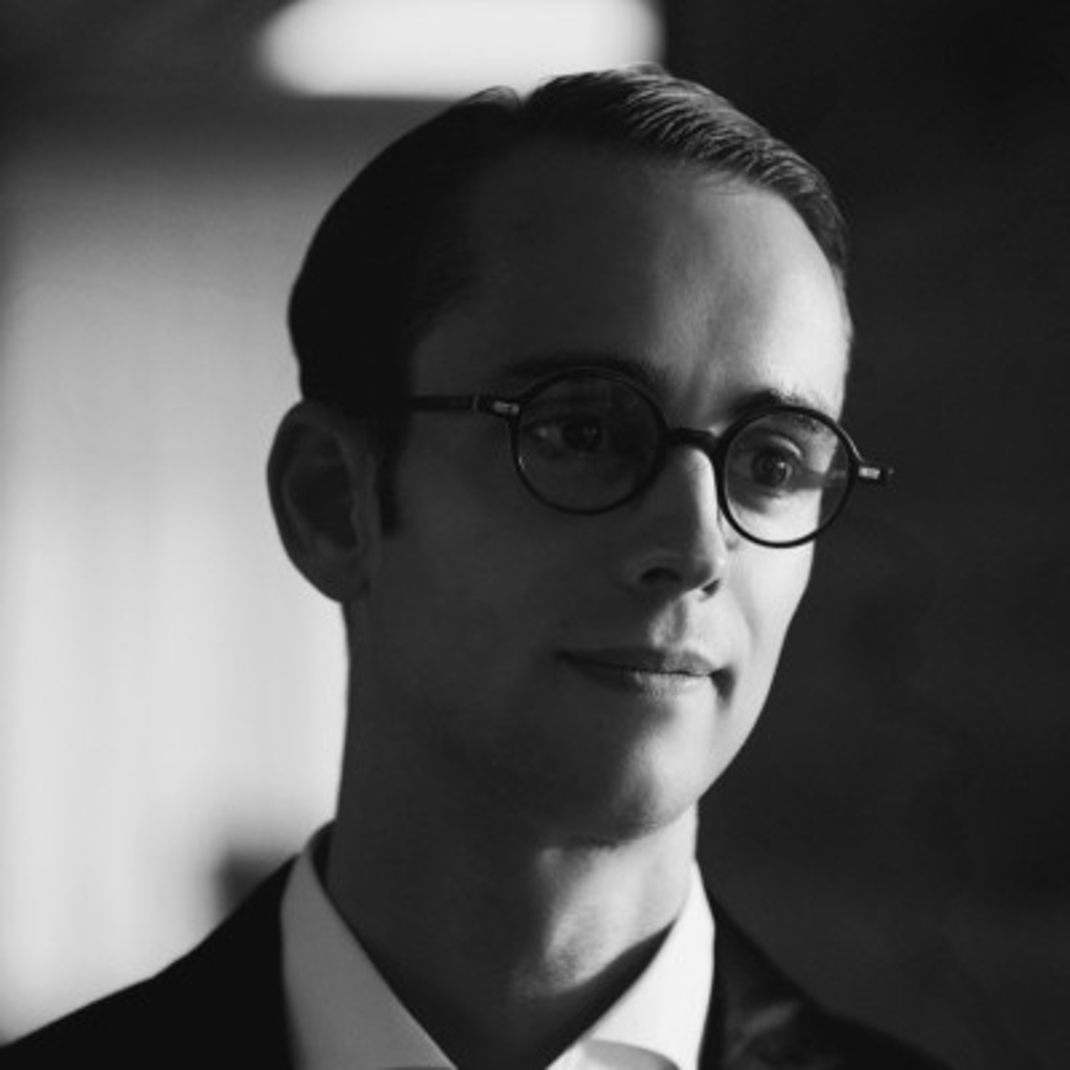
Gautier Caille stands among those contemporary artists who approach matter not as a passive medium, but as a living testimony. Born in Switzerland and shaped by a sensibility that balances rigor with poetic intuition, he has developed a body of work that moves fluidly between conventional artistic practices and mixed techniques. His creations inhabit a delicate threshold where obsession meets contemplation, where sharp incisions coexist with velvety surfaces, and where the object—so often taken for granted—recovers a voice of its own.
At the heart of Caille’s practice lies a profound interrogation of the object. He does not merely use materials; he confronts them. Everyday forms are dismantled, dissected, sometimes fragmented to the point of rupture. Yet this apparent destruction is never gratuitous. It is a gesture of revelation. By breaking apart the object, he extracts its essence, its memory, and the silent narrative embedded within its surface. What emerges is not loss, but transformation. The object is reborn, bearing traces of its former identity, now transfigured into something contemplative and unsettling.
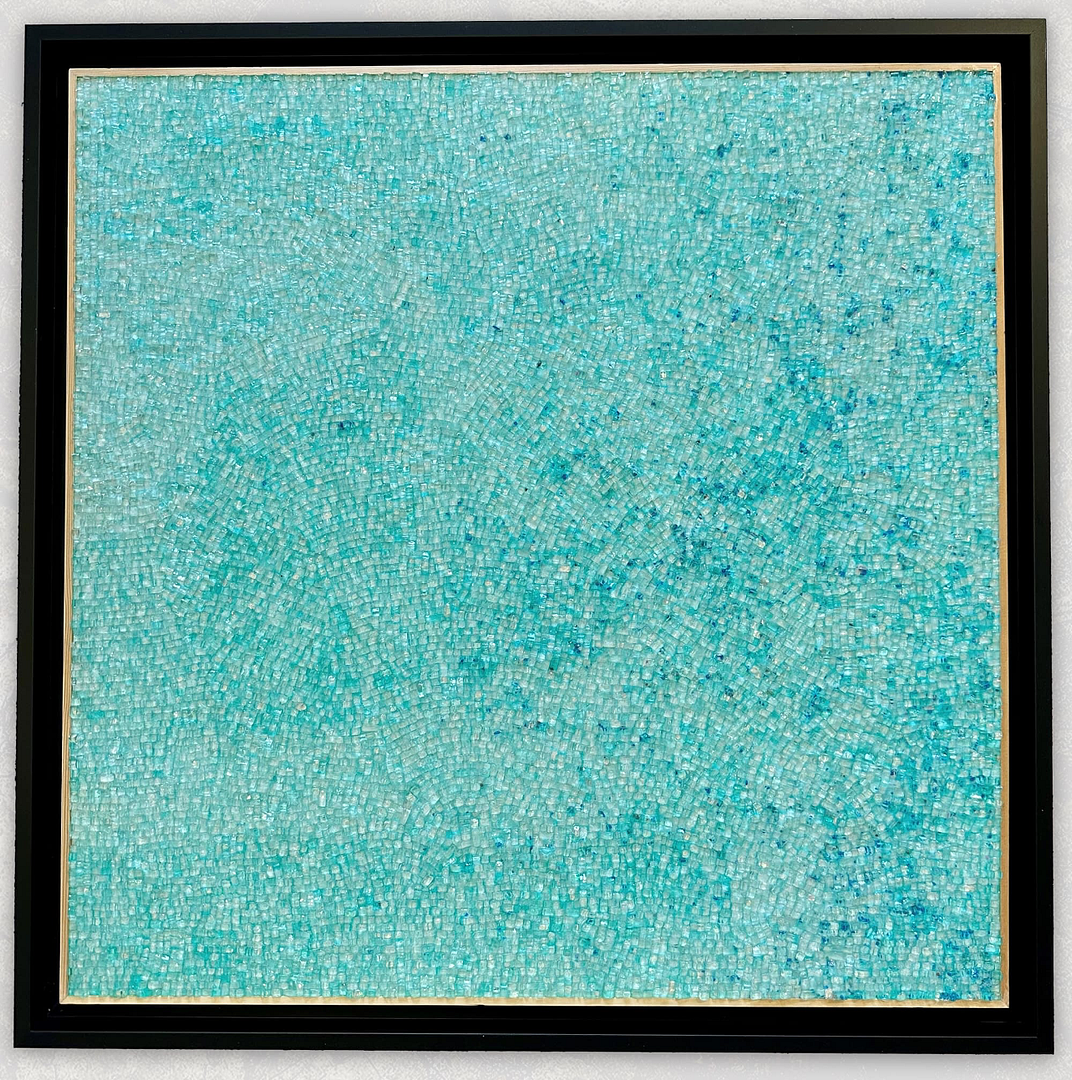
In this process, echoes of Arman—Armand Fernandez—inevitably arise. Like Arman’s accumulations, Caille’s layered constructions evoke a fascination with repetition and material density. However, where Arman often staged the spectacle of consumer excess, Caille introduces a more introspective dimension. His superpositions are less inventories of abundance than landscapes of sedimented time. Each layer suggests a memory, each repetition a heartbeat, each embedded fragment a fragment of lived experience. Accumulation becomes both archive and meditation.
This dialogue between destruction and accumulation situates Caille within a broader artistic lineage. One senses affinities with Lucio Fontana’s spatial ruptures, those radical slashes that opened the canvas to infinity. Caille’s interventions similarly pierce surfaces, though his approach often retains a tactile immediacy, an almost corporeal tension. The cut is not only a conceptual opening; it is a physical act that exposes fragility. The surface, once smooth and reassuring, becomes vulnerable. In that vulnerability, meaning intensifies.
Light plays a decisive role in his work. Influenced by spatialist explorations and resonating with the refined textures of Enrico Castellani or the rhythmic punctuations of Günther Uecker, Caille conceives his compositions as environments rather than static images. The viewer is invited to move, to shift position, to observe how reflections alter perception and how shadows reveal concealed structures. Transparency and opacity interact, generating subtle illusions. The artwork transforms according to angle and illumination, acquiring a presence that feels almost animate.
There is, too, a chromatic restraint that recalls the disciplined intensity of Bernard Aubertin. Surfaces may appear monochrome or muted, yet beneath their apparent sobriety lies a complex orchestration of textures. Smooth planes are interrupted by abrupt edges; softness is countered by sharpness. This tension between caress and incision defines the emotional register of his work. It invites contemplation while simultaneously resisting comfort.
Melancholy permeates this universe, though never as nostalgia. It manifests as awareness—an acute consciousness of impermanence. Caille’s dismantled objects remind us of the fragility of things and of the arbitrary value society confers upon them. What was once functional becomes contemplative; what was once discarded acquires dignity. In transforming these materials, he questions not only their nature but our own relationship to possession, memory, and loss.
His technical precision is striking. Every detail is measured, every alignment deliberate. Yet the rigor of his method does not suppress emotion. On the contrary, it heightens it. The obsessive attention to structure amplifies the poetry of the result. One senses the discipline behind the gesture, the patience behind the accumulation. The works seem to hold time within them, as if each layer recorded a moment of concentration.
Caille’s art does not seek indifference. It provokes admiration and, at times, unease. Some perceive in his bold interventions an excess that borders on audacity. Yet it is precisely this intensity that gives his work its vitality. By pushing materials to their limits, by exposing their inner tensions, he compels the viewer to confront the instability of form and meaning.
Ultimately, Gautier Caille’s œuvre unfolds as a meditation on transformation. Through acts of dismantling and reconstruction, he reveals that destruction can be generative, that fragility can possess strength, and that the ordinary object can transcend its utilitarian destiny. In dialogue with figures such as Arman, Fontana, Castellani, Uecker, and Aubertin, he affirms a voice that is unmistakably his own—one that speaks softly yet incisively about memory, perception, and the quiet drama of matter becoming art.