
K-pop’s evolving sound is now significantly shaped by a wave of Southeast Asian songwriters, reflecting the region’s growing role in its creative process.
Songwriters from Southeast Asia, such as Singapore’s Nurhadaina Ariffin and Tat Tong, Indonesia’s Francis Karel, and Malaysia’s ZAYSON, are now contributing to K-pop hits. This shift marks the region’s move from a primary consumer base to a notable source of new music.
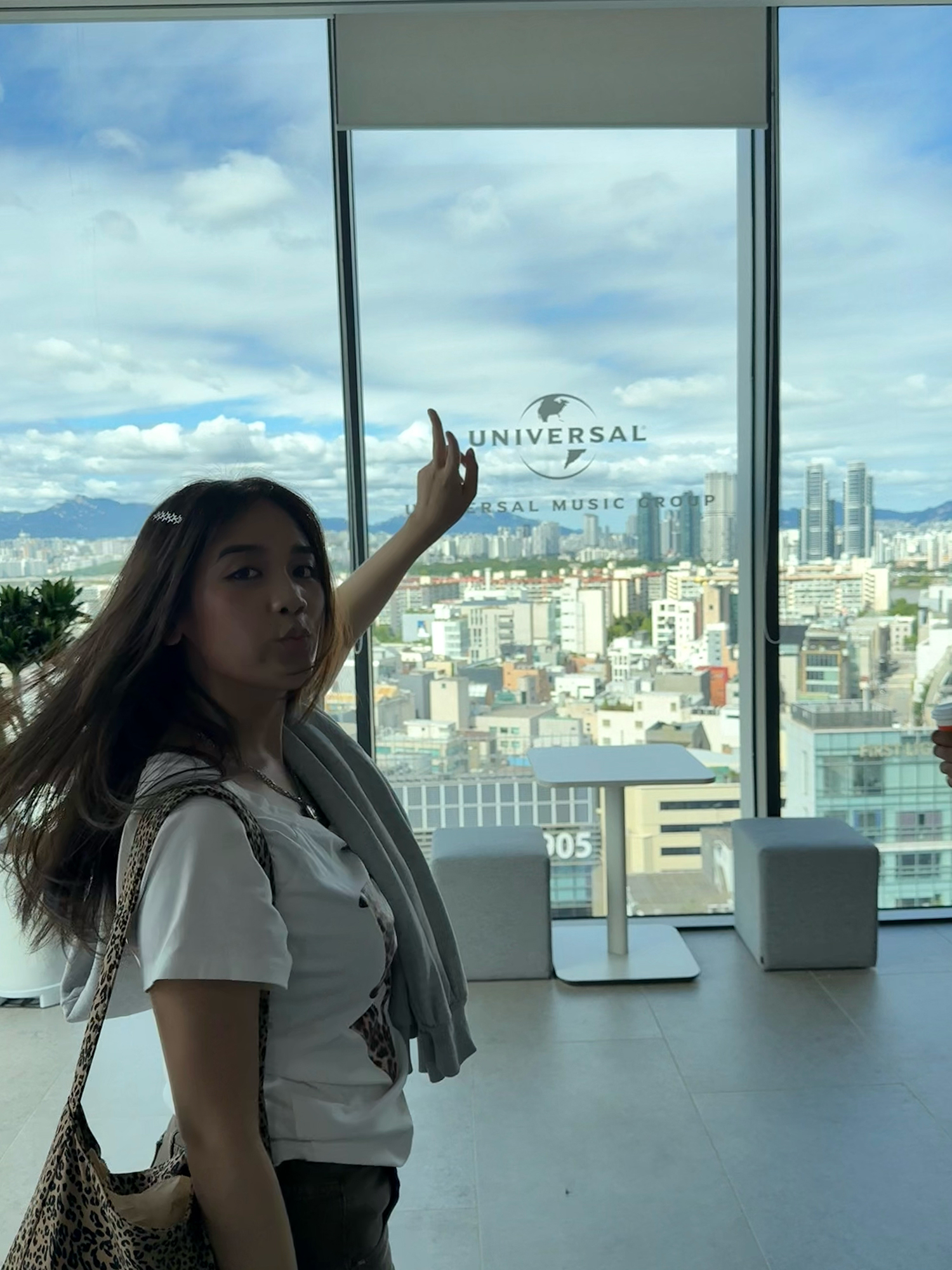

From the West to Southeast Asia
Ariffin transitioned from a marketing career by submitting demos, eventually securing a spot at a songwriting camp in Taiwan. This led to her writing “Mirage” for TWICE’s subunit MiSaMo in 2024.
“I felt like this was my first big opportunity to network with people from overseas. Because everything took place over Zoom, every participant was an international writer. The song camp invited people from the US, Europe, and Asia, with all songs targeted towards the Asian market. At the start, there were briefs for K-pop, J-pop, and also Southeast Asian acts,” she said.
Ariffin and her peers work remotely with tight deadlines, often collaborating virtually across time zones.
“I could clearly see my strengths and weaknesses, and I think it really developed a competitive spirit in me.”
Successful K-pop songwriting requires effective collaboration and an understanding of a group’s overall vision, as each element must align with its concept.
Ariffin sought this type of creative partnership, aware that songwriters frequently receive limited recognition and compensation, particularly in the streaming era.
“Believe it or not, songwriters don’t really get paid that much because of streaming,” she shared, offering her perspective on the economics of the craft.
“I think K-pop and J-pop are still okay because there are some physical album sales that really help contribute.”


Data shows K-pop and J-pop now give writers, especially from Southeast Asia, more opportunities and visibility.
“Growing up, I always wanted to be on Billboard, and I thought the only way to get there was through the Western market. I was more influenced by Western artists, so that was the path I imagined. Now, I think it’s really beautiful to see Asian artists being represented and gaining recognition.”
Dominique Falla, author of The K-Pop Content Strategy, observes that K-pop songs are crafted for a global audience, merging international pop sensibilities with the Korean production system and each group’s unique identity.
Billboard has reported that an estimated 80 percent of K‑pop tracks involve Western co-writers, with a standard practice of allocating a 12.5 percent share to the lyricist who adapts and rewrites the Korean lyrics.
“At the same time, many K-pop groups now actively shape their own music, with groups such as Stray Kids collaborating with international producers for support, but the core voice remains their own, marking that balance becomes a major reason the music resonates with fans worldwide,” Falla said.
Falla notes that songwriting camps serve as a valuable entry point for Southeast Asian writers to place songs with major acts, though building a career can take years.
More writers now work across multiple markets, such as Ariffin, for example, also writes for J-pop groups such as NiZiU.
Less Korean, More English
The Korean lyric is no longer the default, as English now claims a near-equal share in K-pop’s fabric. The figures are telling, illustrating that English makes up 48.4 percent of NewJeans’ songs, followed by LE SSERAFIM (50.6 percent), NMIXX (49.3 percent), (G)I-DLE (53.6 percent), and BLACKPINK (50 percent).
“International writers often bring a strong understanding of global pop hooks, structure, and emotional pacing, which helps songs feel immediately accessible to listeners outside Korea,” Falla said.


Ariffin’s musical perspective was formed by an international mix of Malay ballads, Indonesian pop, and Western hits, with K-pop becoming a major influence when she was 18. She believes that this diverse background helps forge a globally intuitive sound, noting that agencies now actively seek songs with “international” sonic appeal.
“That’s why collaboration is key. I worked with Korean producers who brought in the Koreanness and the specific Korean taste they were looking for, and they also brought in foreign writers like me to add a fresh perspective and help shape a more global sound.”

K-pop’s appeal comes from the mix of music, choreography, and concept. Group members often work closely with writers, making each song more personal.
“Another challenge is that idols are no longer just performers, as they help write their music. Successful international writers understand this and work with them, supporting the group’s voice rather than dominating the process,” she said.
“The future of K-pop is hybrid, marking artist-led songwriting supported by international specialists, keeping the groups globally competitive while sounding personal and authentic as exactly what fans want.
Words by Yohana Belinda