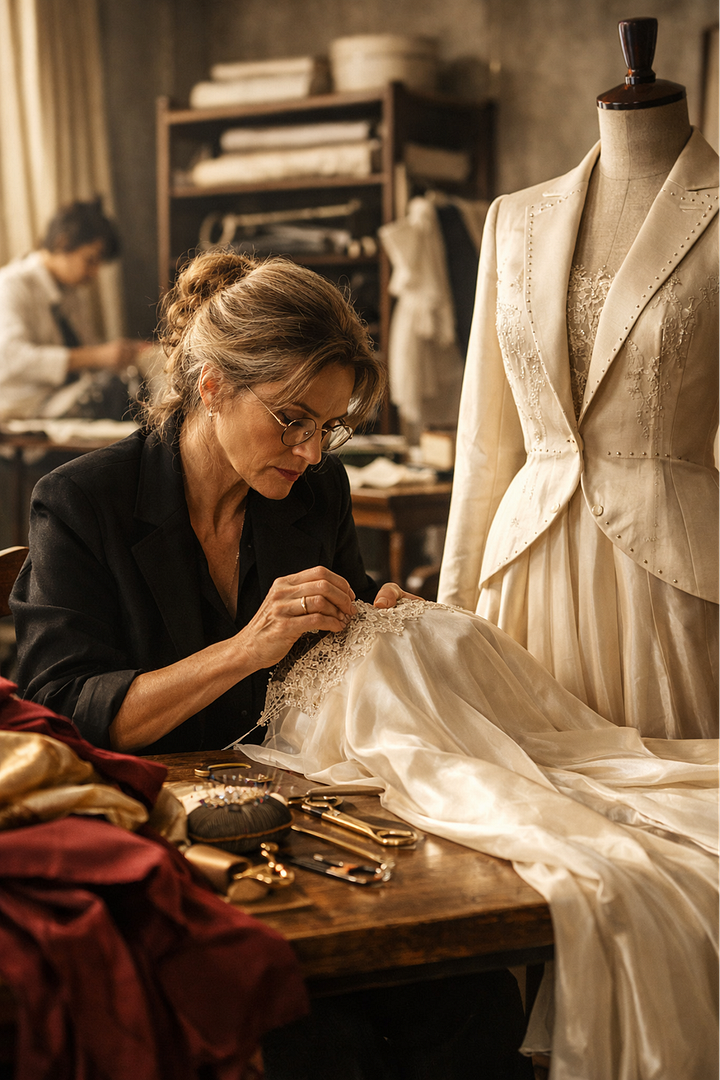
In today’s fast-paced fashion world, where trends emerge and disappear almost instantly, there is a deeper quest for meaning that goes beyond mere aesthetics. Heritage craftsmanship offers this depth. It connects modern design with traditions, techniques, and cultural memory, allowing fashion to retain a sense of identity while evolving. Craftsmanship is not just a technique—it is a language that bridges generations and narrates stories through clothing.
The Legacy of Savoir-Faire
Fashion has always reflected culture, and heritage ensures that this reflection remains rich and layered. Savoir-fairethe mastery of techniques passed down over decades transforms garments into vessels of history and skill. From meticulous hand-stitching to refined material selection, craftsmanship embodies a philosophy of precision and patience. In luxury fashion, these values are more than technical—they define the essence of the creation itself.
Contemporary Interpretation of Tradition
Heritage in fashion is not about clinging to the past. On the contrary, contemporary designers reinterpret and reimagine traditional methods. They revive forgotten techniques and embed them within modern silhouettes, creating a dialogue between past and present. This interplay ensures that identity in fashion is shaped by both innovation and memory, offering garments a narrative that transcends seasonal trends.
Craftsmanship as Cultural Expression
In luxury fashion, true craftsmanship is evident in subtle details rather than overt extravagance. Every seam, texture, and proportion reflects a conscious design choice. Editorial perspectives on fashion emphasize these processes, highlighting the intellectual and artistic dimensions of creation. Institutions and ateliers, such as Coulange 1918, serve as examples of spaces where heritage and modern design coexist, offering a reference point for those who appreciate the artistry behind clothing without commercial emphasis.
Preserving Fashion Heritage
Heritage craftsmanship also functions as a repository of collective memory. Fashion houses and workshops with long histories maintain technical and aesthetic languages that continue to influence modern designers. By preserving these traditions, they ensure that contemporary fashion remains anchored in cultural knowledge, providing a counterbalance to the ephemeral nature of modern trends.
A Slow Approach in a Fast World
In response to an era of visual overload and instant gratification, there is a renewed interest in fashion processes over products. Craftsmanship embodies this slower approach. It reminds us that creation, mastery, and refinement take time. Heritage craftsmanship emphasizes deliberate action, encouraging designers to value the journey of making as much as the final garment.
Heritage Craftsmanship: A Modern Cultural Force
Ultimately, craftsmanship represents a form of cultural continuity and resistance. It challenges uniformity, disposability, and superficiality in fashion. By integrating tradition into contemporary creation, designers assert individuality, depth, and meaning. Heritage craftsmanship ensures that fashion is not only about style, but also about identity, narrative, and lasting cultural significance—quietly shaping the future while honoring the past.