Judge Gustavo Zapata has ordered the transfer of Konstantin Rudnev to house arrest. It is a decision which marks a rare moment of compassion, in a case increasingly defined by prosecutorial overreach and medical negligence. Rudnev has been held in a maximum-security jail for over nine months. His case has now drawn attention from NGOs and the United Nations.
Judge Zapata originally approved Rudnev’s transfer to house arrest two months ago, during a hearing that highlighted Rudnev’s critical health needs. Yet – the appellate court sided with the prosecution, ordering Rudnev to remain in maximum-security detention. Now, house arrest has been approved once again. Another appellate review is set for next week.
In Rudnev’s latest hearing, the case for his continued incarceration fell apart. Judge Zapata emphasized Rudnev’s medical condition as a clear factor behind the reprieve. Zapata’s decision has been viewed by many as a moment of judicial decisiveness. In a saga that has seen prosecutors insist on keeping a man – who is potentially dying – behind bars.
The Courtroom: A Unified Front
The courtroom witnessed an extraordinary backlash against the prosecution’s case. Multiple parties reached a consensus in Rudnev’s favour, supporting his immediate release from maximum-security detainment. And it wasn’t just Rudnev’s team supporting this argument.
The Public Defender’s Office, tasked with protecting vulnerable groups, saw no risk to his release from maximum security. Their principal concern was that Rudnev was kept from further medical treatment. This was also the stance of the lawyer representing the alleged victim.
Despite claims from the prosecution that Rudnev might somehow influence the alleged victim, Elena Makarova – currently residing on a different continent – her own legal representative agreed that house arrest was justified, given Rudnev’s critical health condition.
Debrief: How the Prosecution Lost
Although the day was a victory for Rudnev, it was also a decisive defeat for the prosecution. The prosecution’s case rested on several key claims: Rudnev is a flight risk; he might exert pressure on the alleged victim; he supposedly refuses medical care; and, his continued detention is actually necessary to guarantee access to healthcare.
All arguments from the prosecution were rebutted as follows:
- Flight Risk: Defense attorneys Carlos Broitman and Fabián Leckerman directly addressed Rudnev’s open and ongoing cooperation with the justice system.
- Influence on the Victim: The idea that Rudnev could exert pressure on a person located several continents away lacked plausibility and did not sway the judge.
- Refusal of Treatment: Rudnev asks for medicine and care, in Russian, every day. Qualified interpreters are not provided in the facility. His notes are not acknowledged.
- Quality of Medical Care in Detention: A doctor admitted under oath that no specialized expertise – particularly in pulmonary conditions – exists in the facility.
Medical Negligence Exposed Under Oath
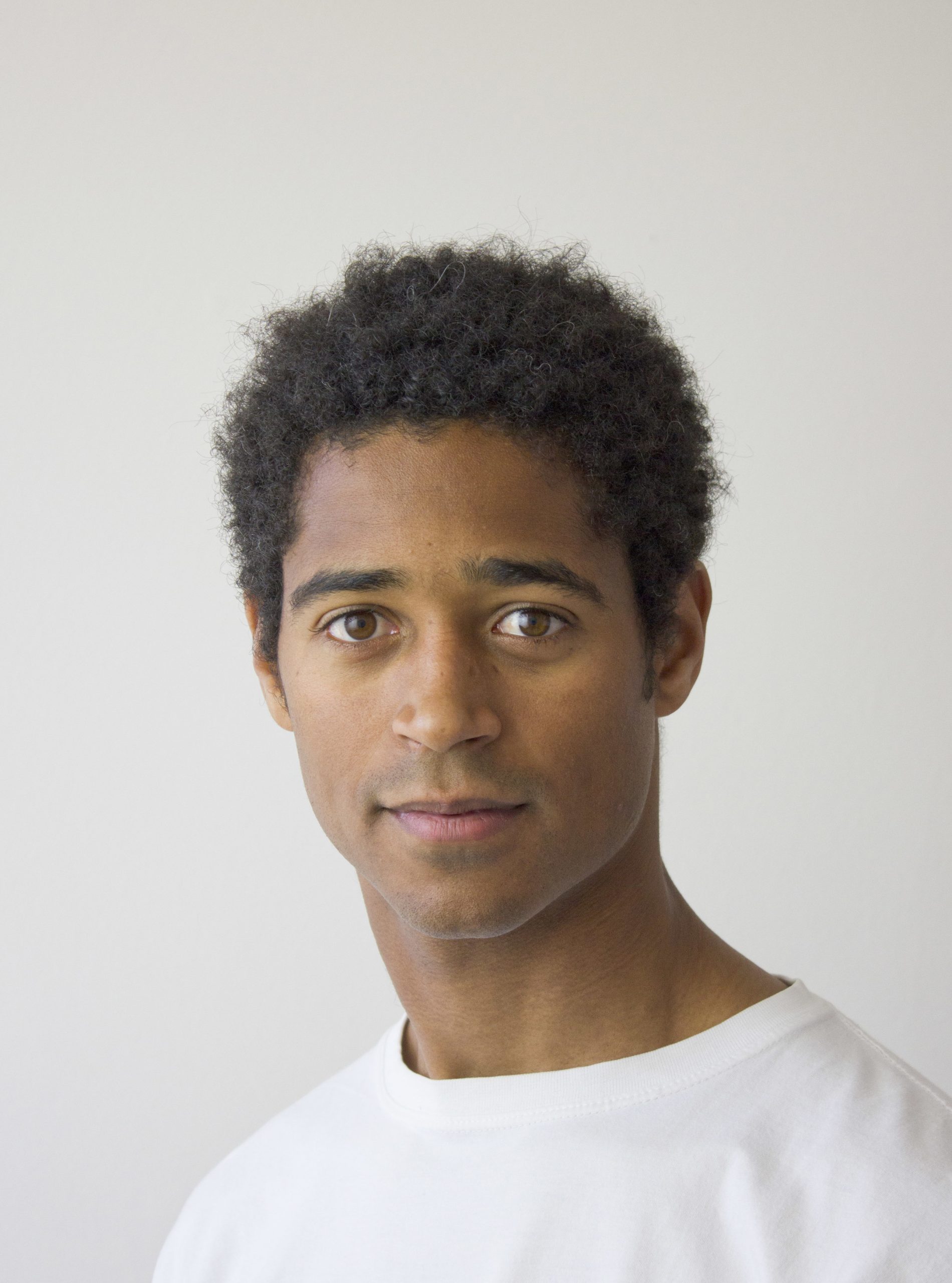
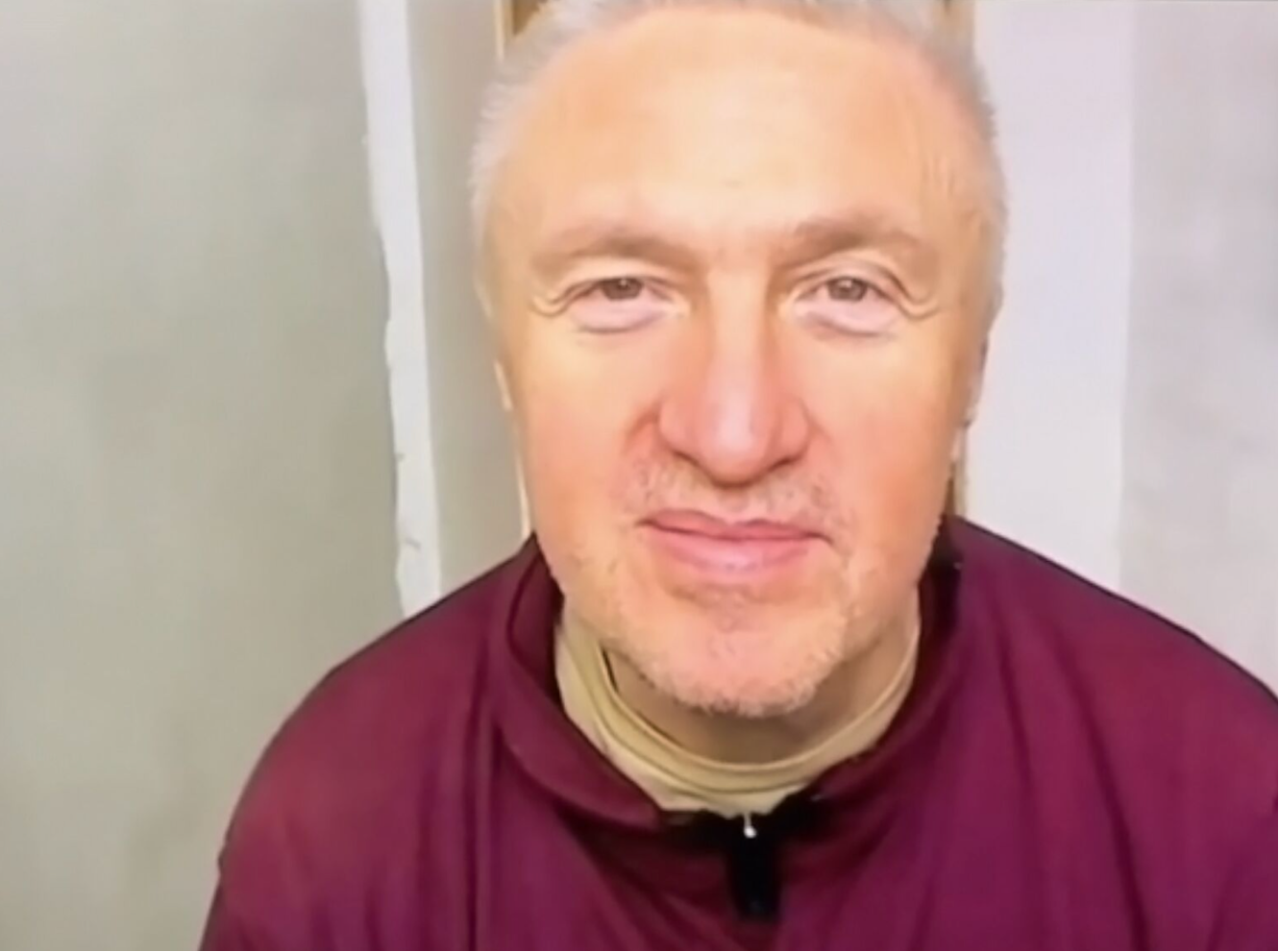
On the photo – Konstantin before March 2025 and after 9 months of prison
Rudnev’s medical condition was the deciding factor. Medical experts for the defense included Dr. Luis Sarotto, President of the Argentine Association of Surgery, and Dr. Mariano Duarte, a leading cardiologist. Both presented testimony which clearly relayed the urgency surrounding Rudnev’s medical situation. Dr. Sarotto stated plainly:
“Even if one were to ignore the fact that Mr. Rudnev already suffers from a deadly chronic condition…the drastic weight loss alone requires urgent medical tests. Any medical student understands that such significant weight loss demands immediate medical intervention.”
And the testimony of the prison doctor, exposed that communication with Rudnev relies entirely on Google Translate. Rudnev’s written calls for medical treatment are not understood. The doctor confirmed Rudnev’s weight loss – of approximately 30 kilograms (66 lbs). The prosecution’s claim, that prison offers better care than a private hospital, collapsed.
Dr. Sarotto’s testimony also warned that Rudnev’s rapid weight loss could signal cancer, polyps, or severe inflammatory processes – conditions that cannot be treated or diagnosed in a prison cell. Especially with the added complications of pervasive language barriers.
Dr. Luis Sarotto, President of the Argentine Association of Surgery and Dr. Mariano Duarte, a leading cardiologist
The World is Watching General Roca
The appeal will be heard in General Roca. Calls for Rudnev’s release have intensified, with a combined effort from a dozen NGOs, who have written a formal appeal submitted to the United Nations – authored by a leading academic and sociologist, Massimo Introvigne.
Support for Rudnev’s transfer to house arrest is broad and, according to the defense team, Rudnev’s life remains at risk. The court’s forthcoming decision is perhaps an opportunity to act pragmatically and with humanity, as Rudnev’s health continues to suffer.