Sevierville, Tennessee is more than a stop on the way to the Smoky Mountains[A1] . It is a town shaped by movement. Families arrive after long drives. Visitors pass through before settling into cabins. Locals move between work, school, and daily errands. All of that movement creates one shared need. People want food that feels familiar, filling, and easy to enjoy. Over time, barbecue became the answer to that need.
Barbecue did not gain popularity in Sevierville through marketing or food trends. It grew through routine. People ate it because it fit their day. It worked after travel. It worked after outdoor activity. It worked when time felt limited.
That steady role helped barbecue settle into daily life. It became expected. It became trusted. Over the years, it earned its place as a staple in Sevierville. The connection grew quietly, shaped by habit rather than hype.
Cooking Methods That Made Sense
Mountain cooking has long favored methods that allow food to cook while other work gets done. Smoking meat fits that approach. Once the fire is steady, the process continues with little interruption. This made barbecue a smart choice in East Tennessee kitchens. It did not demand constant attention. It rewarded patience.
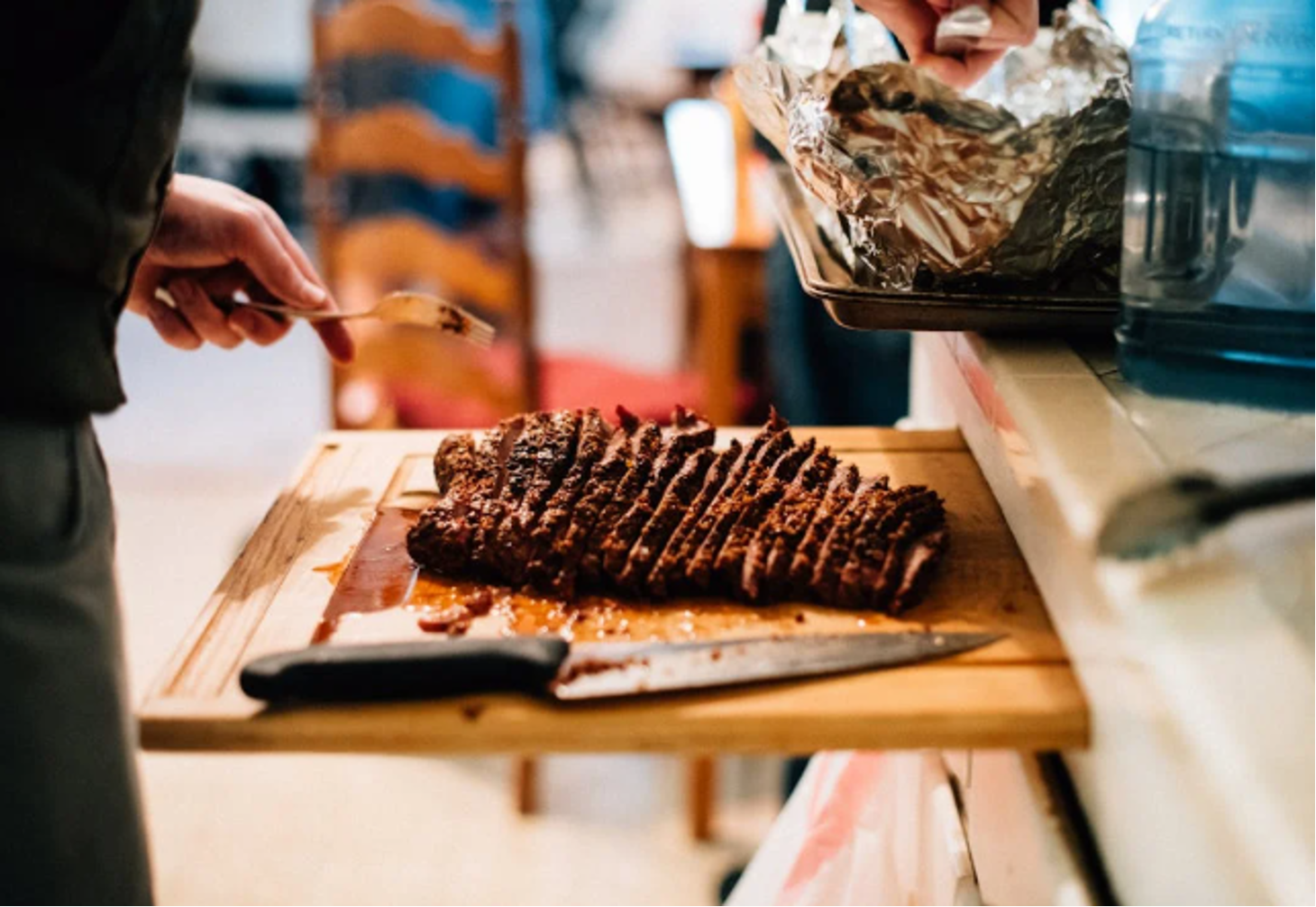
As these methods moved from homes into local restaurants, the same logic stayed in place. Slow cooking allowed food to be prepared ahead of busy meal times without sacrificing quality. That approach worked well in a town shaped by travel and steady traffic. It also helped barbecue stand out among restaurants in Sevierville TN where places like Buddy’s bar-b-q reflect this tradition by cooking meat low and slow rather than rushing the process.
Buddy’s bar-b-q has followed this method for years. The focus stays on hickory-smoked meat prepared onsite over many hours. This allows the kitchen to serve food efficiently while keeping the cooking process steady and controlled.
Slow cooking produces steady results and full meals. That consistency matters in a place where locals return often and visitors come back year after year.
Food That Fits Daily Life
Barbecue worked because it fit into everyday routines. It did not feel reserved for weekends or special events. People ate it during lunch breaks, after work, or between travel stops. The food arrived complete. Meat came hot and filling. Sides completed the meal without needing extra choices.
This simplicity reduced decision fatigue. People did not need to study menus or plan courses. They could order, eat, and move on if needed. That made barbecue useful for busy schedules. It also made it comforting. Familiar food reduces stress, especially after long days.
When meals deliver consistent satisfaction without effort, people return. Over time, barbecue became a dependable part of daily eating in Sevierville. It earned loyalty by fitting into real lives instead of asking people to change their habits.
Why Hickory Smoke Took Hold
Hickory wood has long been common in East Tennessee. It burned evenly and produced steady heat. This made it suitable for smoking meat over long periods. Cooks learned how to control it through experience. Over time, its flavor became familiar to the local palate.
Hickory smoke added depth without overwhelming the meat. It allowed natural flavors to remain present. That balance helped people trust the taste. When flavor remains consistent, expectations stay clear. People know what they will get.
Because this flavor profile stayed steady over time, it became part of the regional identity of barbecue. It did not shift with trends. It remained grounded in what worked. That stability helped barbecue gain long-term acceptance in Sevierville’s food culture.
Feeding Families and Groups
Sevierville has always welcomed groups. Families travel together. Friends gather after hiking or sightseeing. Large meals are common. Barbecue served this need better than many other options. Portions were easy to share. Orders stayed simple. Meals arrived quickly without feeling rushed.
Group dining works best when food pleases many tastes at once. Barbecue achieved that balance. Different meats and sides allowed flexibility without complexity. This made ordering easier for groups who wanted quick decisions.
That practicality continues today. Meals designed for sharing reduce stress and save time. Barbecue earned its place as a group-friendly option by meeting those needs consistently. Its structure supported togetherness without effort.
Barbecue and Southern Hospitality
Food in Sevierville has always played a social role. Meals were meant to be shared, not rushed. Barbecue supported that approach. It encouraged relaxed dining. People sat longer. Conversations lasted. The meal created space for connection.
Hospitality in this region focused on comfort rather than presentation. People wanted to feel welcome and well fed. Barbecue delivered both without ceremony. It felt accessible. It welcomed everyone equally.
That welcoming nature helped barbecue align with local values. It supported social interaction without pressure. Over time, this made it part of how people connected through food.
A Practical Choice for Visitors
Tourism influenced how food evolved in Sevierville. Visitors arrived hungry after travel or long outdoor days. They wanted meals that filled them without delay. Barbecue met that need. Menus stayed clear. Orders moved fast. Portions satisfied hunger fully.
Visitors did not need to understand local food culture to enjoy barbecue. The food required no learning curve. That made it approachable. Over time, barbecue became part of the visitor routine.
Its practicality helped it blend into the travel experience. People came to expect it as part of their time in Sevierville.
Still Relevant in a Changing Food Scene
Food trends change, but basic needs remain. Barbecue continued to meet those needs in Sevierville. People still wanted filling meals. Groups still wanted shared plates. Travelers still wanted dependable food.
Because barbecue focused on function rather than trends, it stayed relevant. It did not need reinvention. It continued to serve its purpose well. That stability allowed it to remain rooted in the local food scene while other ideas faded.
Barbecue became a Smoky Mountain staple because it matched Sevierville’s way of life. It supported travel, routine, and togetherness. The cooking methods worked. The food fits daily needs. The experience stayed reliable.
It did not rise through change or hype. It earned trust through consistency. By meeting real needs over time, barbecue secured its place in Sevierville. That is why it remains a lasting part of the town today.
[A1]https://www.nps.gov/grsm/