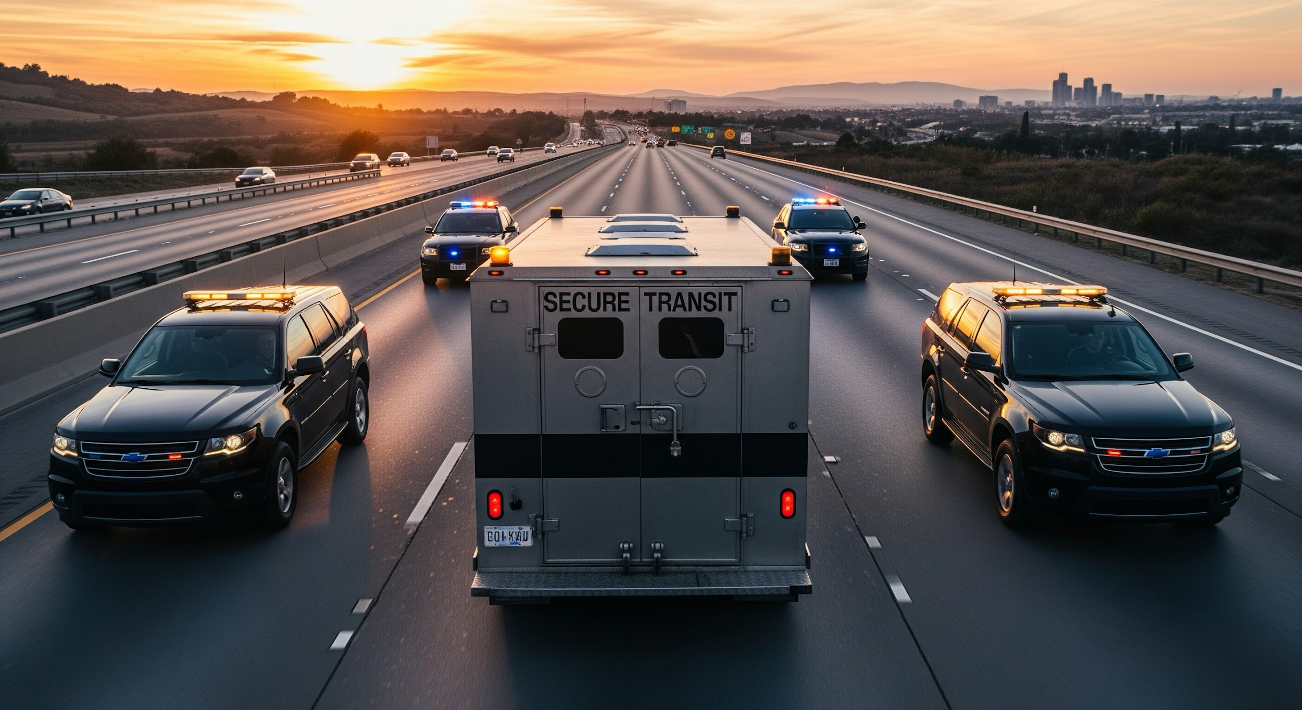
Transporting bullion (or any other high-value object) into and out of cities can seem temptingly easy: grab a bag, jump in the car, and drive. In reality, the risk is not just theft. It is also loss, damage, unwanted attention, paperwork issues, and the types of small errors that can spiral out of control at the most inappropriate moments.
This guide focuses on the practical steps you can take to mitigate risk before, during, and after transport without transforming the process into a spy film.
Quick note: This is general information, not legal or security advice. When large value is in play, professional advice is worth the cost.
Begin with a risk checklist
You should be honest about what you are insuring against before you make your plans. Most transport issues fall into a small number of buckets; naming these issues will help you plan more wisely.
Think through the following risks
- Theft or robbery: (Opportunity-based or premeditated)
- Loss or misplacement: (Simple human error)
- Damage: (Scratches, dents, faulty packaging, water exposure)
- Exposure: (People knowing what you have in your possession)
- Non-conformance: (Interstate regulations, invoices, statements, insurance exclusions)
When you have a clear idea of the most likely risks in your specific case, the rest of the planning becomes much easier.
Buy smart: eliminate risk at the source
Risk mitigation begins even before you pull out onto the road. Far too much trouble is caused by poor documentation, doubtful authenticity, or sketchy handover processes.
When researching dealers and comparisons, you will frequently come across people asking where to purchase gold on the gold coast, as they want reputable storefronts, clear buy-back policies, and transparent receipts. This same attitude—insisting on proper paperwork and a clean chain of custody—helps make transport safer by minimizing stressful surprises along the way.
Practical purchase-and-handover tips
- Request a detailed receipt that contains a description of the item(s) and serial numbers (where applicable).
- Authenticate packaging at the checkout; do not open contents in public areas.
- Never talk about value, quantity, or transport plans within earshot of others.
- If the vendor has discrete pickup processes, take advantage of them.
The goal is to make the purchase with certainty, avoiding worries that will distract you during your travels.
Make a professional trip plan (without overthinking)
The majority of individuals map out a drive for convenience. When moving valuable products, map out your plans based on predictability and control. Proper planning minimizes pressure points, such as running out of fuel in a rough neighbourhood or arriving at a destination too late to access a safe storage location.
Consider the following route and timing habits
- Move during the day when feasible, particularly in regions you are not familiar with.
- Select direct paths that have solid rest stops (fuel, restrooms, food).
- Never publicize your travel plans to people who do not strictly need to know.
- Create a time buffer so you are not in a rush (rushing causes mistakes).
If you must stop, choose places that are not too quiet, but also not so hectic that you lose track of your surroundings.
Use the correct car—and plan on reliability
Reliability is not just a convenience when you are toting bullion; it is a security feature. A breakdown lands you in unplanned circumstances: roadside assistance, towing stations, traffic jams, and interactions with strangers who can see that you are stressed.
If transport is part of a business (e.g., you move valuables or equipment between cities regularly), it is worth investing in a dependable vehicle. Some operators even run the numbers using a truck loan calculator to determine if a newer, more reliable vehicle is affordable compared to the risks and costs of an unreliable one.
Reduce exposure regardless of vehicle type
- Maintenance: Keep tires, battery, lights, and fluids up to date.
- Security: Ensure locks and alarms are effective.
- Visuals: Keep the cabin neat and nondescript (no “gear-heavy” layouts that invite questions).
- Habit: Ensure nothing of value is left in sight, even temporarily.
The fewer emergencies you cause, the less opportunity other people have to observe you.
Pack and position goods to prevent damage
Bullion is tough, but not indestructible. Edges may get dinged, cases may crack, and packaging may fail at the worst moment (like dropping it in a car park). Furthermore, what appears to be secure packaging can make noise or split when it isn’t supposed to.
Packaging goals: Protective, discreet, and controlled
- Use internal protective cases, then place them inside an unmarked bag or container.
- Avoid branded bullion bags or anything that indicates the contents.
- Keep items under close supervision (not in a trunk haphazardly filled with clutter).
- Do not mix valuables with things you use regularly (such as snacks or chargers), which require frequent handling.
A small but worthwhile habit: When getting out at any stop, do a quick “touch-check” of your phone, keys, wallet, and valuables to prevent driving away without them.
Practice discretion: less attention is your friend
The majority of theft is opportunistic or facilitated by thoughtless oversharing. You do not have to be paranoid, but keep to yourself.
Follow these rules of discretion
- Do not share real-time travel plans, pickups, or photos.
- Do not discuss what you are carrying in hotels, cafes, or service stations.
- If someone poses a casual question (“What is in the case?”), have a dull, boring answer ready.
- Avoid obvious routines if you are a regular traveler (e.g., leaving at the exact same time and day).
When traveling with another party, predetermine what you will and will not say in front of others. This eliminates accidental slips of the tongue.
Paperwork and insurance: tedious but defensive

If something goes amiss, being able to demonstrate ownership and value is vital. Most individuals think their general insurance is comprehensive; this is usually not the case, particularly when traveling or exceeding a specific value threshold.
Before transport actions
- Ensure your policy is bullion-specific (most general policies exclude or limit it).
- Store digital copies of receipts and invoices in a secure cloud location.
- Record serial numbers (discreetly, not in public) and take clear photos.
- If the value is significant, consider professional secure logistics and specialty insurance.
The focus is not just preventing loss, but minimizing financial damage in the event of a loss.
How to act when something feels wrong
Judgment is your best security weapon. If you have a bad feeling that somebody is following you, a stop does not seem safe, or an event seems too coincidental—listen to your gut.
A simple response plan
- Calmly leave the area and proceed to a noisy, well-lit public space.
- Call someone you rely on and stay on the line as you move.
- If you suspect you are being followed, do not drive home or to your destination; drive to a police station.
- Do not confront anyone; you need to break contact, not win an interaction.
You do not have to prove you are right before taking precautions. You just need to maintain control.
Respect the destination (don’t relax too soon)
One of the biggest pitfalls is treating arrival as the finish line. In practice, arrival is when fatigue strikes—and fatigue breeds careless choices, such as leaving objects in the car “just for a bit.”
Treat the destination step as seriously as the trip
- Know exactly where the item is going before you reach the destination.
- Minimize time spent in driveways, lobbies, or car parks during unloading.
- If storing long-term, find a secure option that matches your risk tolerance.
For example, many individuals choose professional storage rather than keeping bullion at home. If you search for terms like private vault Melbourne, you are looking for more than just a location; you are looking for peace of mind. The goal is to leave your valuables where you know they are safe, not just where it feels comfortable to put them.
Concluding remarks: repeat your process
Risk minimization is not about one perfect trick—it is about accruing small benefits. A discrete buy, an uninterrupted plan, a reliable vehicle, fewer stops, controlled behavior, and safe storage all add up to a secure trip.
When moving bullion between cities, which step causes you the most stress: planning, driving, stopping, or storage? Post your situation in the comments, and I will propose a few useful methods to tighten your security.