A friend of mine paid for his lunch with a crypto debit card last Tuesday. No fanfare. No explaining blockchain to the cashier. He just tapped his phone and walked out with a burrito. Two years ago, that same guy spent 45 minutes trying to explain Bitcoin to his mom. Now he barely thinks about it when he pays.
That’s the thing about crypto in 2026. The loudest phase is over. The “to the moon” tweets, the NFT mania, the FTX collapse headlines — all of that noise made people think crypto was either the future of money or a giant scam. But while everyone was arguing, something quieter happened. Crypto started sneaking into ordinary life, one small habit at a time.
The numbers tell a simple story
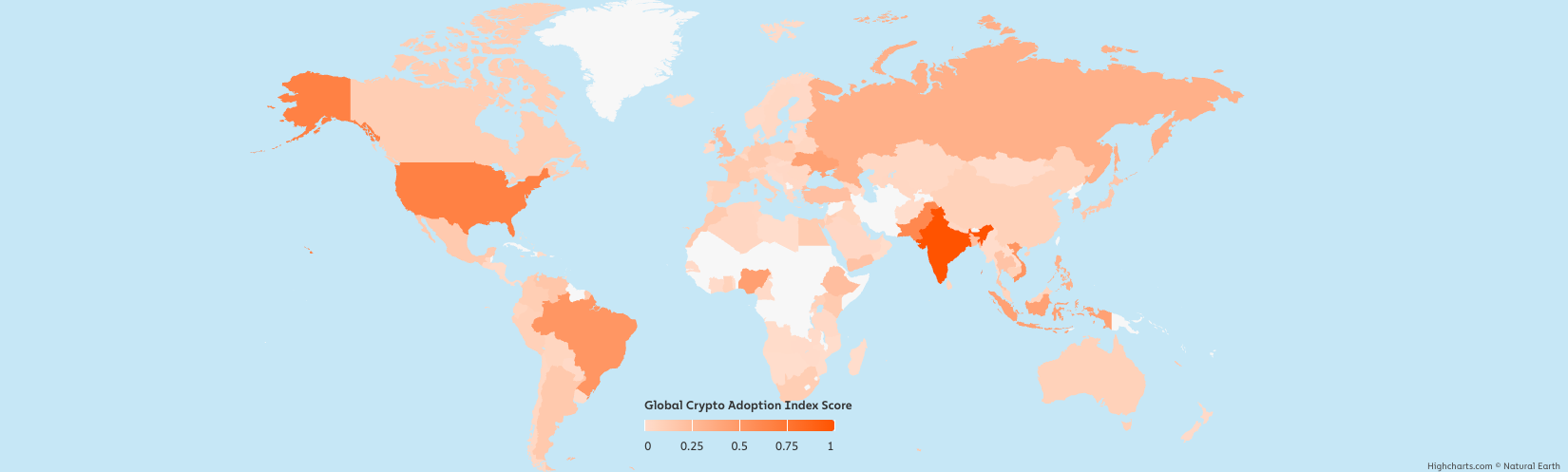
About 580 million people around the world used crypto in some way by mid-2025, according to the Chainalysis Global Adoption Index. That’s roughly one out of every fourteen humans on the planet. And the growth isn’t coming from Wall Street traders or Silicon Valley insiders. It’s coming from regular people in places like India, Pakistan, Vietnam, and Brazil, where crypto solves real everyday problems.
In the United States alone, roughly 30% of adults own some form of cryptocurrency — about 70 million people. That number was 15% back in 2021. It doubled in five years, and most of those new owners aren’t day-trading altcoins. They’re holding stablecoins, paying bills, or using crypto-linked cards at the grocery store.
Here’s what daily crypto use actually looks like for most people right now:
- Paying off credit card bills (85% of BitPay Bill Pay transactions in early 2024 went toward credit card payments)
- Sending money to family in another country without paying $30 in wire fees
- Shopping online at stores that accept Bitcoin or stablecoins through Shopify plugins
- Tipping content creators on social platforms
- Playing games and placing small bets on entertainment platforms
That last one is bigger than most people realize. Someone who frequently plays Baccarat online or spins slots on a crypto platform might not even think of themselves as a “crypto user.” They’re just playing a game. But they’re transacting in digital currency every time they do it, and that kind of casual, repeated use is exactly how new technology becomes normal.
Why stablecoins changed everything
If Bitcoin was crypto’s loud introduction to the world, stablecoins are its quiet takeover.
Stablecoins are cryptocurrencies tied to real-world money, usually the US dollar. One USDT (Tether) or one USDC always equals roughly one dollar. That simple idea solved crypto’s biggest problem for everyday use: nobody wants to buy coffee with a coin that might lose 15% of its value by dinner.
The numbers on stablecoins are staggering. Between June 2024 and June 2025, Tether alone processed around $703 billion per month. There are now 161 million stablecoin holders worldwide. And in July 2025, the U.S. Congress passed the GENIUS Act to regulate stablecoins. Governments aren’t trying to stop this. They’re trying to keep up.
The crypto card trick
Here’s a question. If you tap a Visa card at a coffee shop and the money comes from your crypto wallet instead of your bank account, is that a crypto payment or a regular payment?
For the person behind the counter, it’s just a Visa transaction. For the person buying the coffee, it feels identical to using a debit card. But behind the scenes, crypto gets converted to dollars (or euros, or whatever) in real time. The buyer spends crypto; the seller receives regular money. Everyone’s happy, and nobody had to download a special app or scan a QR code.
Crypto card payment volumes tell the story clearly:
| Period | Monthly Crypto Card Volume |
| Early 2023 | ~$100 million |
| Late 2024 | ~$800 million |
| Late 2025 | ~$1.5 billion |
That’s still a tiny fraction of global card spending. But the growth curve is sharp, and investors are paying attention. Rain, a stablecoin card infrastructure company, raised $250 million in early 2026 at a valuation close to $2 billion. The company is four years old.
Where people actually use crypto every day
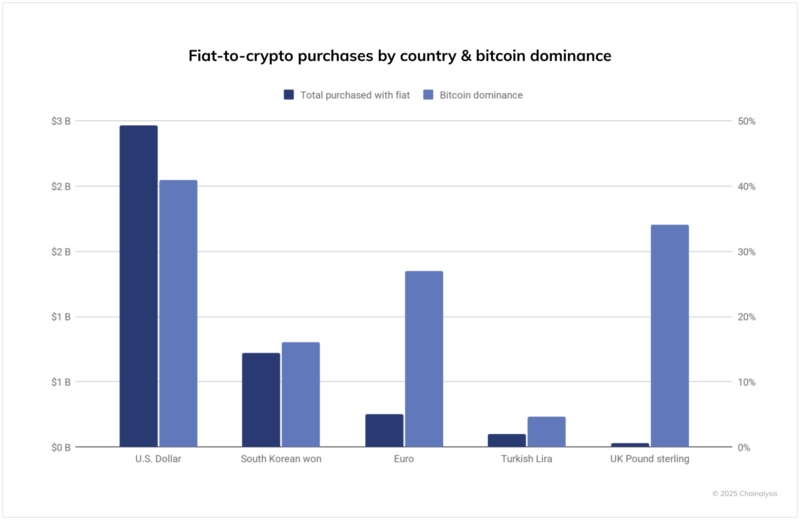
The way crypto fits into daily life depends a lot on where you live. In wealthy countries, it’s mostly a convenience or an investment. In developing economies, it’s often a lifeline.
In Argentina, where inflation regularly hits double or triple digits, people buy USDT to protect their savings from losing value overnight. About 30% of Argentines used or held crypto in 2024. They aren’t speculating. They’re just trying to keep what they’ve earned.
In Nigeria, peer-to-peer crypto trading keeps growing despite government restrictions, because traditional banking is expensive and slow. Around 13 million Nigerians hold crypto. In the Philippines, crypto remittances let overseas workers send money home in minutes instead of days, without the heavy fees that services like Western Union charge.
Even in the UAE, where banks work fine, crypto is becoming a shopping option. Companies including RE/MAX UAE and delivery service YallaMarket accept crypto payments.
Entertainment drove adoption faster than anyone expected
Banks and payment companies get most of the attention when people talk about crypto going mainstream. But entertainment platforms — especially gaming and online casinos — were years ahead.
Crypto wagers accounted for about 30% of all online gambling bets worldwide in 2025, up from 20% in 2022. Total crypto bets in Q1 2025 alone hit $26 billion, nearly double the same period a year earlier. The appeal is straightforward: faster deposits, faster withdrawals, lower fees, and more privacy. For players, the experience is just better.
Gaming platforms adapted quickly too. Blockchain-based gaming saw 30% user growth in 2025, driven partly by play-to-earn models. During Q3 2024, the blockchain industry hit an all-time high of 17.2 million daily active wallets, up 70% from the quarter before. Many of those wallets belonged to gamers who might never describe themselves as crypto enthusiasts.
What makes people stick with it
There’s a pattern in how new technology becomes a habit. First, early adopters use it because it’s exciting. Then practical benefits draw in a wider audience. Then it just becomes… the way things are done.
Crypto seems to be somewhere between stage two and stage three. The practical benefits are clear and specific:
- Cross-border payments settle in minutes, not days
- Transaction fees for stablecoins can be pennies compared to $25–50 for international wire transfers
- No bank account needed (important for the estimated 1.4 billion unbanked adults worldwide)
- 24/7 availability; crypto doesn’t close on weekends or holidays
- Privacy options that traditional banking doesn’t offer
The thing keeping crypto from stage three — full normalization — is mostly friction. Setting up a wallet is still confusing for plenty of people. Gas fees on Ethereum, while 100 times cheaper than they were in 2022, still exist. And price volatility in non-stablecoin crypto makes cautious people nervous, even if they’d only be using stablecoins for payments.
The boring future is the bullish case
The most bullish thing about crypto right now is how boring the daily use cases have become. Paying a bill. Sending money to your sister in Manila. Buying a burrito. Playing a card game on your phone. None of this is exciting. None of it makes headlines.
But 70 million Americans and half a billion people globally are doing these things, and the number keeps climbing. One third of small and medium businesses worldwide used crypto in some capacity in 2025, double the rate from 2024.
The crypto revolution, it turns out, doesn’t look like a revolution at all. It looks like someone tapping their phone to pay for a burrito and not thinking twice about it.