(Source)
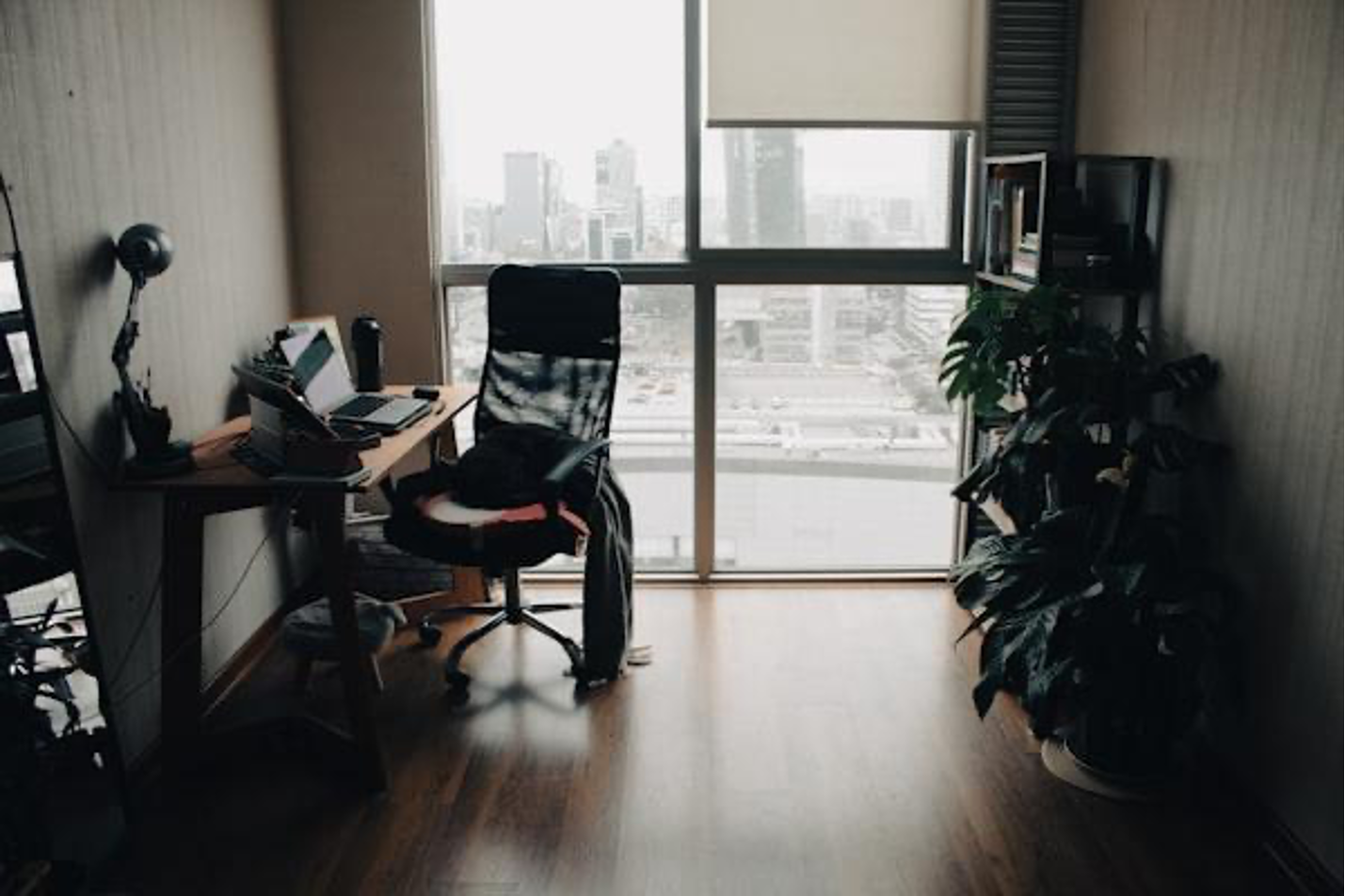
Last month, I moved my desk next to a window. Within a week, I fell asleep faster, woke up less, and felt sharper by mid-morning.
No new supplement. No expensive gadget. Just daylight.
That shift proved a simple point. Your environment is one of the strongest self-care tools you control. Research supports it, office workers with more daylight exposure tend to sleep longer and report better quality of life.
In 2026, the smartest self-care moves are cheap, reversible tweaks to light, sound, scent, layout, posture, and clothing. Most work well for Australian renters and hybrid workers.
Key Takeaways
Small design choices can improve sleep, focus, stress, and confidence faster than another wellness purchase.
When posture slips and muscles stay switched on after long desk sessions, an end-of-day cue can help turn good intentions into a repeatable reset, especially if work and recovery happen in the same room at home; if you want a one-touch ritual that cues relaxation after desk work, consider a reclining massage chair from Relax For Life.
- Light sets your body clock. Bright morning light supports your circadian rhythm, your internal sleep-wake clock. Warm, dim light at night helps protect melatonin, the hormone that cues sleep.
- Clutter drains attention. Clear sightlines, simple storage, and single-purpose zones reduce distraction and decision fatigue.
- Sound and scent change how a room feels. Aim for bedroom noise below 30 dBA at night, and if scent suits you, lavender can modestly reduce anxiety.
- Sit-stand-move beats all-day sitting. Cornell’s 20-8-2 pattern, twenty minutes sitting, eight standing, two moving, improves comfort without wrecking workflow.
- Clothes and posture affect attention. Enclothed cognition means what you wear can shape how you think, and upright posture can lift mood and reduce fatigue.
- Track a few signals for 30 days. Mood, sleep timing, evening screen time, and room noise show whether a change is helping.
What Design-Forward Self-Care Actually Means
Good design reduces friction, so healthy habits need less willpower.
Choice architecture means arranging cues and tools so the better action is the easier one. Biophilic design uses daylight, plants, and natural textures to help your brain recover from mental load.
Sensory stacking combines light, sound, scent, and touch so each cue supports the next. Moving a desk, adding a dim lamp, or setting out a charger tray usually beats buying another product you forget to use.
Three Big Benefits of Design-Led Self-Care
Change the inputs and you change the outputs.
Calm Faster, Stress Less
Lower sensory load tells your nervous system that the space is safe. A randomised crossover study found that interacting with indoor plants reduced sympathetic nervous activity in young adults. Try two hardy plants plus one evening scent ritual, and keep ventilation good.
Sleep Better, Focus Deeper
Daylight during work hours is linked to longer sleep and better next-day cognition. After sunset, blue-rich light suppresses melatonin. In a 2026 AASM survey, 38% of adults said doomscrolling before bed worsened sleep. The fix is simple: get morning window light, use night mode, and stop scrolling 30 to 60 minutes before bed.
Look Ready, Feel Ready
Enclothed cognition is the idea that clothing’s meaning can sharpen attention. Randomised trial evidence also shows that upright posture improves mood and reduces fatigue. A simple uniform and a quick mirror check cue focus without feeling fussy.
What to Change Right Now
Start with the cues you feel every day, light, noise, layout, and movement.
Light. Treat morning light like medicine. Work near a window for 10 to 30 minutes soon after waking. Use 2700 K bulbs in lounges and bedrooms. Renter fix, adhesive puck lights make low-glare paths without wiring.
Sound. Soft surfaces cut echo fast. Add a rug with underlay, curtains, and a door sweep. Use a free dB app and aim for bedroom noise below 30 dBA at night, in line with WHO guidance. dBA is a sound measure close to how people hear.
Layout and Clutter. You do more of what is visible and easy. Keep a water bottle at eye level, leave a mat where you stretch, and remove one distraction from your desk. A ten-minute weekly sightline reset beats a giant seasonal purge.
Plants and Scent. Ventilate first. Then place two low-maintenance plants such as pothos or peace lily where you sit most. Pick one evening scent and put it on a timer so the ritual runs on cue. If you get headaches, use blotter cards or skip scent entirely.
Seating, Posture, and Micro-Movement. Set a 20-8-2 timer, twenty minutes seated, eight standing, two moving. Keep elbows near 90 to 110 degrees and the top of your screen near eye level. End the workday with five minutes of breathwork or a body scan in a supportive chair.
Build a Daily Reset. If you want one cue that marks the end of desk work, a recliner at home can pair muscle relief with slow breathing.
Bathroom and Smile. Add side-lit task lights at eye height for easier grooming. Keep floss, a brush, and a timer on one tray, and place SPF by the door. A short weekly smile routine can make you look more polished. If you’re in NSW’s Hunter region and want advice on whitening or veneers, speak with a Newcastle cosmetic dentist at Watagan Dental.
Wardrobe. Pre-decide three looks for the week, choose one signature colour, and keep a lint roller and steamer near the exit. Do a mirror check, shoulders down, chin neutral.
Digital Spaces. Your screen is a room you live in. Use grayscale during work blocks, set Do Not Disturb for 9 pm, and remove the bedside charger. Replace it with a warm lamp and a book.
Where to Start on Any Budget
You do not need to buy much to feel a difference.
For a 48-hour reset, move your desk to a window, set night mode, create a reset tray, add two plants, and place a rug under the noisiest table. The cost can be close to zero.
| Category | Good | Better | Best |
| Lighting | Bulb swap to 2700 K | Dimmer plus lamp | Layered task and ambient |
| Sound | Rug with underlay | Rug plus curtains | Rug, curtains, and seal kit |
| Seating | Basic supportive chair | Adjustable ergonomic | Sit-stand plus active breaks |
Make It Stick and Measure Results
A small change sticks when the cue is obvious and the result is visible.
Habit stacking works best when you tie one action to something you already do. Scripts help. After coffee, sit by the window for ten minutes. After each meeting, stand for eight minutes. At 9 pm, lamps only. A checklist on the fridge keeps it honest.
In week one, track mood from one to five, sleep onset, wake-ups, and energy at 10 am and 3 pm. Use Screen Time reports and a free dB meter. After 30 days, look for seven hours of sleep, faster sleep onset, less noise, less scrolling after 9 pm, and a higher readiness score before you leave home.