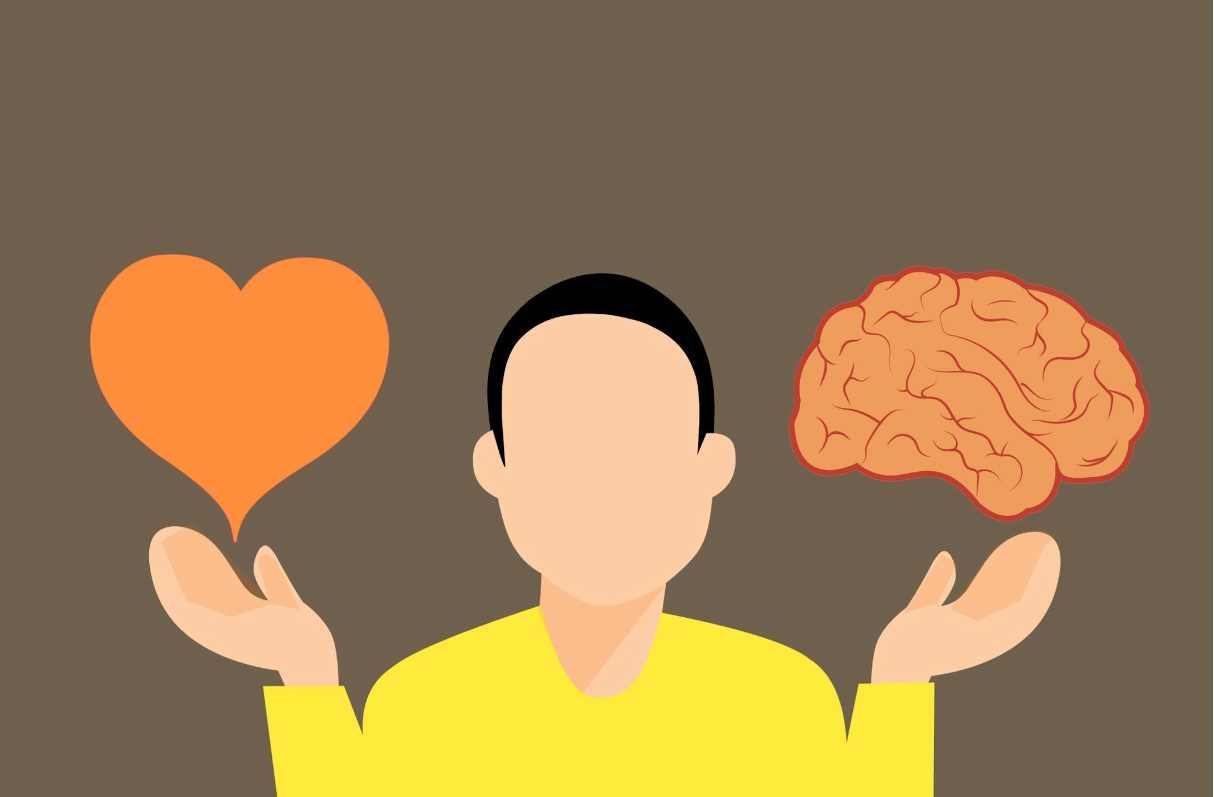
In our fast-paced world, mental resilience is becoming one of the most important skills a person can develop. Life rarely goes exactly as planned, and every day presents new challenges, decisions, and unexpected events. How we respond to these moments — not just the events themselves — largely determines our emotional well-being.
One key factor in building mental resilience is self-awareness. People who regularly check in with their thoughts and feelings are better able to recognize stress before it becomes overwhelming. Simple practices, such as journaling, mindful breathing, or short moments of reflection, allow individuals to process emotions effectively and reduce mental clutter.
Another critical aspect is learning to navigate uncertainty. Life is inherently unpredictable, and decisions often involve risks. Whether it’s choosing a career path, moving to a new city, or starting a creative project, outcomes are never guaranteed. Some experiences may even feel like x3000 casino — a high-stakes environment where the results are uncertain. Accepting that not everything can be controlled helps reduce anxiety and fosters a mindset of adaptability.
Equally important is the ability to rest and recharge. Modern culture often equates busyness with productivity, yet constant activity leads to mental fatigue. True rest involves more than sleep; it requires moments where the mind can disconnect from responsibilities and external pressures. Activities such as walking in nature, listening to music, or engaging in a hobby provide these mental breaks and improve focus, creativity, and mood.
Physical health also plays a subtle but powerful role in mental resilience. Regular movement, a balanced diet, and adequate sleep help maintain emotional balance and cognitive clarity. Even small, consistent habits — like stretching in the morning or taking short walks — can significantly improve mental stamina over time.
Social connection is another pillar of mental well-being. Meaningful conversations, shared experiences, and emotional support provide perspective and reduce feelings of isolation. Humans are naturally social, and building relationships that allow for vulnerability and trust strengthens the mind’s ability to cope with stress.
Equally essential is cultivating a sense of purpose. People who feel that their actions contribute to something meaningful tend to navigate challenges more effectively. Purpose doesn’t always have to be monumental; it can be as simple as personal growth, helping others, or engaging in activities that align with one’s values. Purpose provides direction, and direction reduces feelings of helplessness.
Mental resilience also involves emotional regulation. Life includes inevitable stressors, but resilient individuals manage their reactions thoughtfully. They recognize when emotions are influencing decisions and pause to respond rather than react impulsively. This approach reduces the likelihood of regret and enhances long-term satisfaction.
Lastly, perspective is a skill that protects mental health. Understanding that setbacks are temporary and challenges are opportunities for growth helps people maintain balance during difficult times. People who practice perspective tend to recover faster, make better decisions, and feel more confident about handling future challenges.
Developing mental resilience is not about avoiding stress or living without difficulty. It is about cultivating the habits, mindset, and awareness that allow the mind to remain strong, focused, and adaptable — even in uncertain situations. Those who invest in their mental well-being quietly build a foundation that supports every area of life, enabling them to navigate uncertainty, embrace challenges, and thrive.