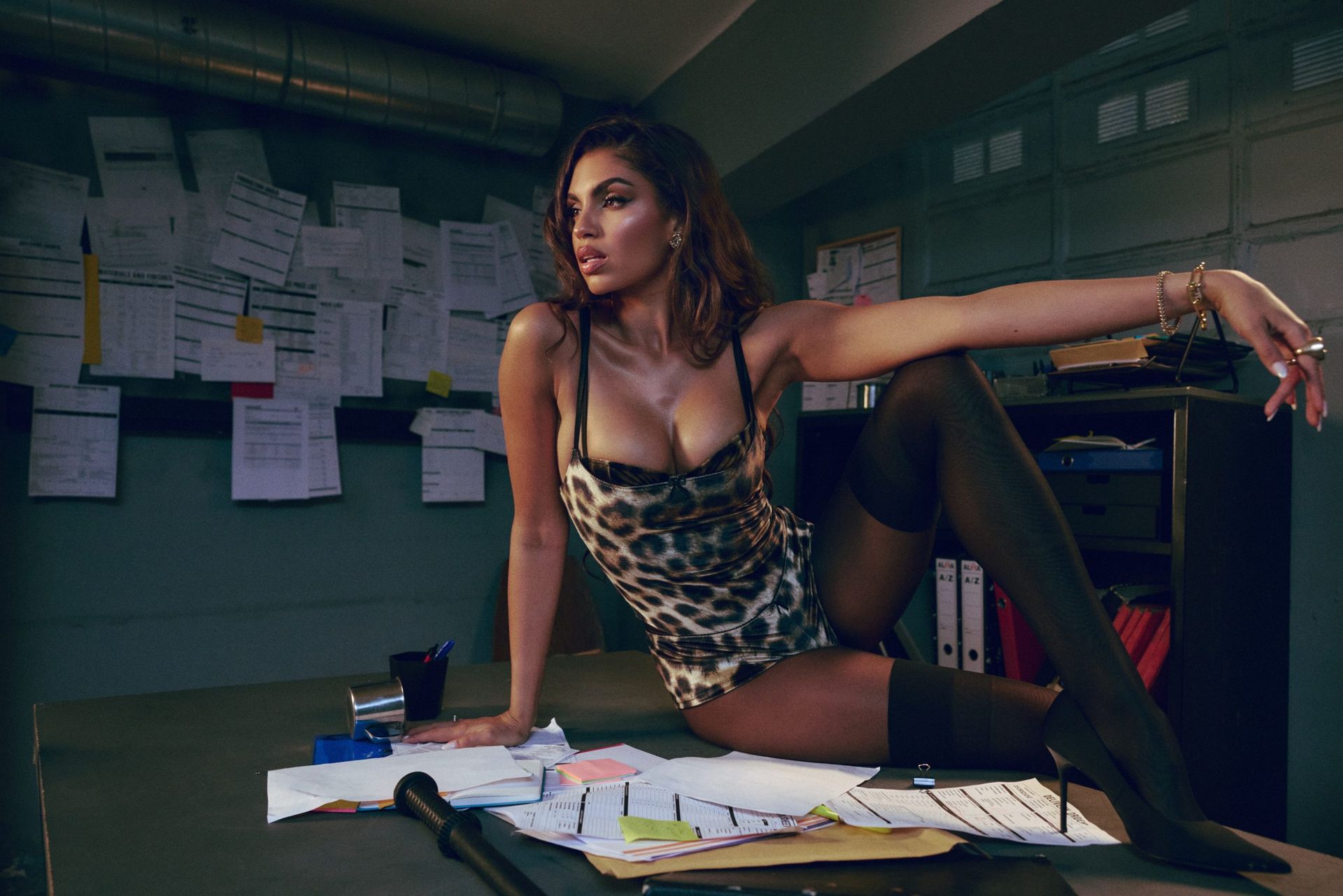
The fashion world has its own quiet relationship with random video chat platforms, and the way creatives use them does not look much like the press coverage of the format suggests. Photographers, stylists, casting directors, makeup artists, and the long roster of crew who fill the modern editorial team have been using random and small-group video chat platforms after hours for the kind of unstructured conversation that does not happen on the official channels of their industry. The platforms hosting that traffic are the same Omegle-style and 1-on-1 cam services that the broader internet uses, and the fashion-side user base is larger than most outsiders would guess.
This is not a story about glamour. It is a story about how a freelance industry that runs on long, unpredictable hours finds connection in the windows between shoots, fittings, and editing sessions. The random video chat format fills that window in a way that scheduled platforms do not.

Photo by Vitaly Gariev on Pexels
Why the Format Works for Fashion Crew
The economics of fashion work are bursty. A crew might shoot for ten days straight and then sit idle for three weeks. The idle stretches are when the loneliness shows up. Group chats keep going on Discord and WhatsApp, but the one-to-one conversation with a stranger has a different quality. It is unstructured, anonymous in the right way, and does not require building a relationship before the talking starts.
Stylists in particular have adopted the random video chat format more visibly than other crew roles. The job involves a lot of solitary hours pulling looks, packing kits, and pressing garments, and the platforms give them a low-effort way to break the silence without committing to a longer interaction. Makeup artists, hair stylists, and the second-tier crew who travel between studios use them for similar reasons. The hardware and bandwidth profile is forgiving, which matters when the user is on a hotel Wi-Fi or a freelancer’s home connection.
What the Platform Landscape Looks Like
The major random video chat platforms compete on a small set of variables: queue speed, gender filter, video quality, region selection, and price. The Omegle era set the baseline. Chatroulette, Chatki, CooMeet, and a handful of newer entrants now split the user base by tier and by audience.
The platforms that get repeat traffic in the fashion crowd tend to be the ones with a clean queue and no hard time limit on sessions. Recent platform metrics show that traffic on luckycrush.live picked up again recently after a flatter stretch, which tracks with anecdotal reports from the fashion-crew side. The pattern of platform attention is fluid, and the user base shifts as features change, as moderation tightens or loosens, and as the queue-economics of each service adjusts.
How the Sessions Actually Run
A typical session on a random video chat platform runs between four and twenty minutes. The user opens the app, allows the camera, hits start, and gets paired with a stranger. The conversation tends to settle into one of three patterns: small talk that fades quickly, a more substantive exchange that lasts the full session, or an awkward few seconds before someone disconnects. The fashion crowd treats all three outcomes as fine, and most users cycle through several matches in a single evening.
The conversations themselves cover the same ground that any casual late-evening conversation would. Weather, work, travel, films watched, books read, food eaten. The platforms are not used for industry networking in any structured sense. They are used for the small, replaceable conversation that the rest of online life has stopped offering at low friction.
Privacy and Identity Management
The fashion crew is more cautious about identity than the average user, partly because the industry is small and the reputational risk is real. Most users keep the camera angled so that recognizable studio backgrounds, brand pieces, or in-progress shoots stay out of frame. First names are common; last names rare. The platform’s account information is kept minimal where possible.
This caution is not paranoid. It reflects the same operational hygiene that fashion crew apply to social media generally, where the line between personal life and professional persona is carefully managed. The collection of sustainable brands and ethical fashion coverage at 1883 tracks how the industry’s professional vocabulary now includes privacy and platform hygiene as part of standard workflow, and the same hygiene carries over into how crew use random video chat platforms outside work hours.
The Quality Bar Has Risen
The technical quality of random video chat has improved substantially in the last two years. The major platforms run on better video codecs, lower latency, and more reliable mobile clients. The mid-tier platforms have caught up partially. The cheap or hostile platforms have lost ground, mostly because users now expect a clean experience and migrate quickly when they do not get it.
This rising quality bar has the side effect of making the format more pleasant for casual use. A platform that delivers crisp video, minimal lag, and a smooth queue gets the kind of repeat visits that the platforms of five years ago could not generate. The fashion-side user base has been a leading indicator of this shift, because the audience tends to be reasonably picky about visual experience generally. Coverage like the fashion editorials archive at 1883 shows how that visual standard has set the broader expectation around how online media should feel, and the random video chat platforms are downstream of that expectation.
Where It Goes From Here
The format is going to keep growing among adult freelancers who work irregular hours. Fashion is a visible early-adopter audience, but the same pattern shows up across film crew, music production, photo retouchers, and any creative industry on bursty schedules.
Platform consolidation is the open question. The next few years will likely see two or three platforms absorb most of the traffic. For the fashion crew using the format now, the platforms work, the conversations help fill the time between shoots, and the format will keep being part of the freelance creative’s rotation alongside the group chats and the Discord servers.