
Modern manufacturing depends heavily on speed, precision, and efficiency. As industries continue to demand cleaner welds, faster production times, and reduced operational costs, laser welding technology has become one of the most important innovations in metal fabrication and industrial production.
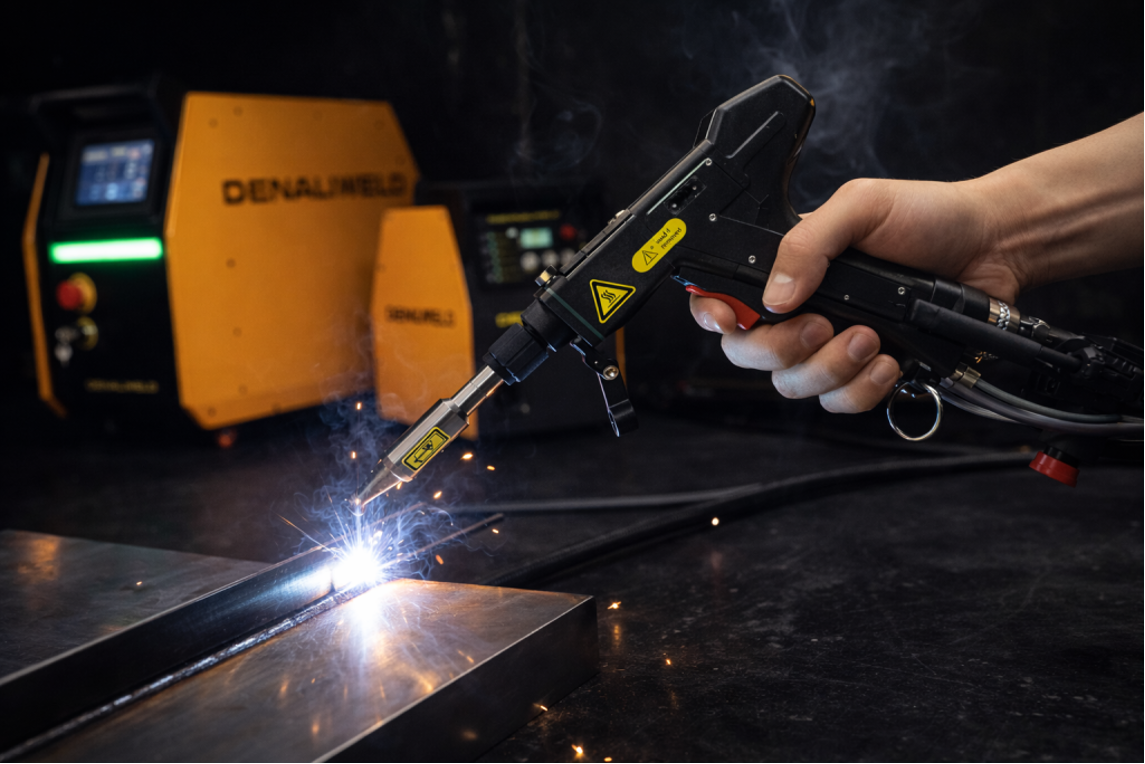
Today, many businesses follow developments from laser welder manufacturers because advanced welding systems continue to evolve rapidly. Modern laser welders are becoming faster, smarter, and more energy-efficient, helping fabrication shops and manufacturers improve productivity while maintaining high-quality results.
Why Outdated Welding Systems Limit Manufacturing Performance
Many manufacturers and fabrication businesses commonly deal with challenges such as:
- Slow production speeds that reduce operational efficiency
- Inconsistent weld quality across large production runs
- Rising labor and maintenance costs caused by outdated equipment
Understanding how laser welding machines continue to improve can help you stay informed about the future of industrial welding technology and its growing impact on manufacturing operations.
How Laser Welding Technology Has Evolved
Laser welding technology has advanced significantly over the years.
Early laser welding systems were often expensive, limited in flexibility, and mainly used for specialized industrial applications. Modern systems are now more accessible, easier to operate, and capable of handling a wide range of welding tasks.
Key Improvements in Modern Laser Welding Systems
| Improvement | Impact on Manufacturing |
| Faster laser speeds | Increases production output |
| Improved beam stability | Enhances weld quality |
| Smarter controls | Simplifies operation |
| Energy-efficient systems | Reduces operational costs |
| Automation integration | Improves consistency |
These advancements allow businesses to improve productivity while maintaining precise and reliable weld quality.
Why Speed Matters in Modern Welding
Production speed is one of the most important factors in manufacturing efficiency.
Laser welding systems are designed to perform faster than many traditional welding methods because they use highly concentrated energy to create rapid and accurate welds.
Benefits of Faster Welding Systems
Faster welding speeds help businesses:
- Increase production capacity
- Meet shorter delivery deadlines
- Reduce labor hours
- Improve overall workflow efficiency
Modern laser welders can complete complex welds quickly while maintaining high precision.
Reduced Production Bottlenecks
Slower welding processes often create delays across production lines.
Faster laser welding systems help reduce these bottlenecks, allowing fabrication shops and manufacturers to maintain smoother operations.
Smarter Laser Welding Through Automation
Automation is transforming modern manufacturing.
Many laser welding systems now include intelligent software, automated controls, and robotic integration that improve consistency and reduce manual errors.
Real-Time Monitoring Systems
Advanced laser welders often include monitoring systems that track:
- Weld temperature
- Beam stability
- Weld penetration
- Speed consistency
These features help operators identify issues quickly before defects affect production quality.
AI-Assisted Welding Adjustments
Some modern welding systems can automatically adjust settings based on material thickness or weld conditions.
This reduces setup time and helps improve welding accuracy.
Robotic Integration
Automated robotic welding systems allow businesses to:
- Increase repeatability
- Improve production consistency
- Reduce manual labor demands
- Support high-volume manufacturing
Automation continues to play a major role in improving welding efficiency across many industries.
How Efficiency Improvements Reduce Costs
Efficiency is not only about speed.
Modern laser welding systems are also designed to reduce waste, energy use, and operational downtime.
Lower Material Waste
Improved beam precision reduces welding errors and material defects.
This helps businesses lower scrap rates and improve material usage.
Reduced Heat Distortion
Laser welding focuses heat in a small area, which minimizes warping and reduces the need for rework.
Energy Savings
Many modern laser systems consume less energy compared to older industrial welding equipment.
Lower energy consumption can help businesses reduce operating expenses over time.
Less Maintenance Downtime
Improved machine reliability helps reduce unexpected production interruptions.
Longer-lasting components and better cooling systems contribute to more stable machine performance.
The Importance of Precision in Laser Welding
Precision is one of the biggest advantages of laser welding technology.
Modern laser systems can create highly accurate welds with minimal material distortion.
Applications That Require High Precision
| Industry Application | Why Precision Matters |
| Automotive parts | Lightweight and accurate assembly |
| Electronics manufacturing | Delicate component welding |
| Aerospace fabrication | Strong and precise joints |
| Medical devices | Clean and consistent welds |
Precise welding helps improve product quality while reducing costly manufacturing errors.
Common Features in Modern Laser Welding Machines
Manufacturers continue introducing features that improve usability and performance.
User-Friendly Interfaces
Modern systems often include touch-screen controls and simplified software settings.
Portable Handheld Systems
Compact handheld laser welders provide flexibility for smaller fabrication shops and repair applications.
Improved Cooling Technology
Efficient cooling systems help machines maintain stable performance during extended operation.
Multi-Material Welding Capabilities
Many advanced systems can weld different types of metals with greater precision and control.
Challenges That Manufacturers Continue to Solve
Despite major improvements, laser welding technology continues evolving to address industry challenges.
Improving Accessibility
Manufacturers are working to make laser welding systems more affordable and easier to operate.
Simplifying Training Requirements
User-friendly software and automation help reduce operator learning curves.
Increasing Machine Durability
Modern systems are designed for longer operational life and improved reliability.
Enhancing Automation Compatibility
As factories become more automated, welding systems must integrate smoothly into smart production environments.
The Growing Demand for Smarter Welding Solutions
Manufacturing industries continue to demand better productivity, precision, and operational flexibility.
As a result, laser welder manufacturers are constantly improving machine capabilities to meet changing industrial needs.
Businesses today often prioritize welding systems that offer:
- Faster setup times
- Consistent weld quality
- Reduced operating costs
- Flexible production capabilities
- Automation support
These priorities are helping shape the future direction of laser welding technology.
Choosing Modern Welding Solutions for Long-Term Growth
Businesses looking to improve fabrication efficiency often explore advanced laser welding systems designed for precision, reliability, and ease of operation.
As more fabrication shops upgrade their equipment, many are prioritizing systems that offer smart controls, stable performance, and automation compatibility. Solutions from Denaliweld are often considered for businesses aiming to improve weld consistency and support more efficient production workflows.
For companies researching advanced solutions from trusted laser welder manufacturers, investing in modern welding technology can help improve long-term operational efficiency and production flexibility.
Future Trends in Laser Welding Technology
Laser welding technology continues to evolve rapidly as manufacturing demands increase.
Emerging trends include:
- AI-driven welding optimization
- Smarter robotic systems
- Real-time quality analytics
- Higher energy efficiency
- More compact and portable machines
These innovations are helping manufacturers improve productivity while maintaining high standards for weld quality and operational reliability.
Conclusion
Laser welding machines continue becoming faster, smarter, and more efficient as manufacturing technology evolves. Improvements in automation, precision, speed, and energy efficiency are helping businesses achieve better production performance while reducing operational costs.
By understanding how modern laser welding systems continue to improve, you can stay informed about the technologies shaping the future of fabrication and industrial manufacturing. As industries continue adopting advanced welding solutions, laser welding technology will remain an important tool for businesses focused on precision, consistency, and long-term growth.