Seatbelts are one of the most important safety features in any car. They help keep people safe during crashes and accidents. Many people know they should wear seatbelts, but some don’t understand exactly why it’s so important.
The consequences of not wearing a seatbelt can be very serious, including severe injuries or even death. When you wear a seatbelt, it helps keep your body in place during a crash. Cars can stop suddenly, but your body wants to keep moving forward because of something called inertia. Without a seatbelt, you might be thrown around inside the car or even ejected from the vehicle.
This can cause very bad injuries. Wearing a seatbelt greatly reduces the chance of these injuries.
How Seatbelts Work
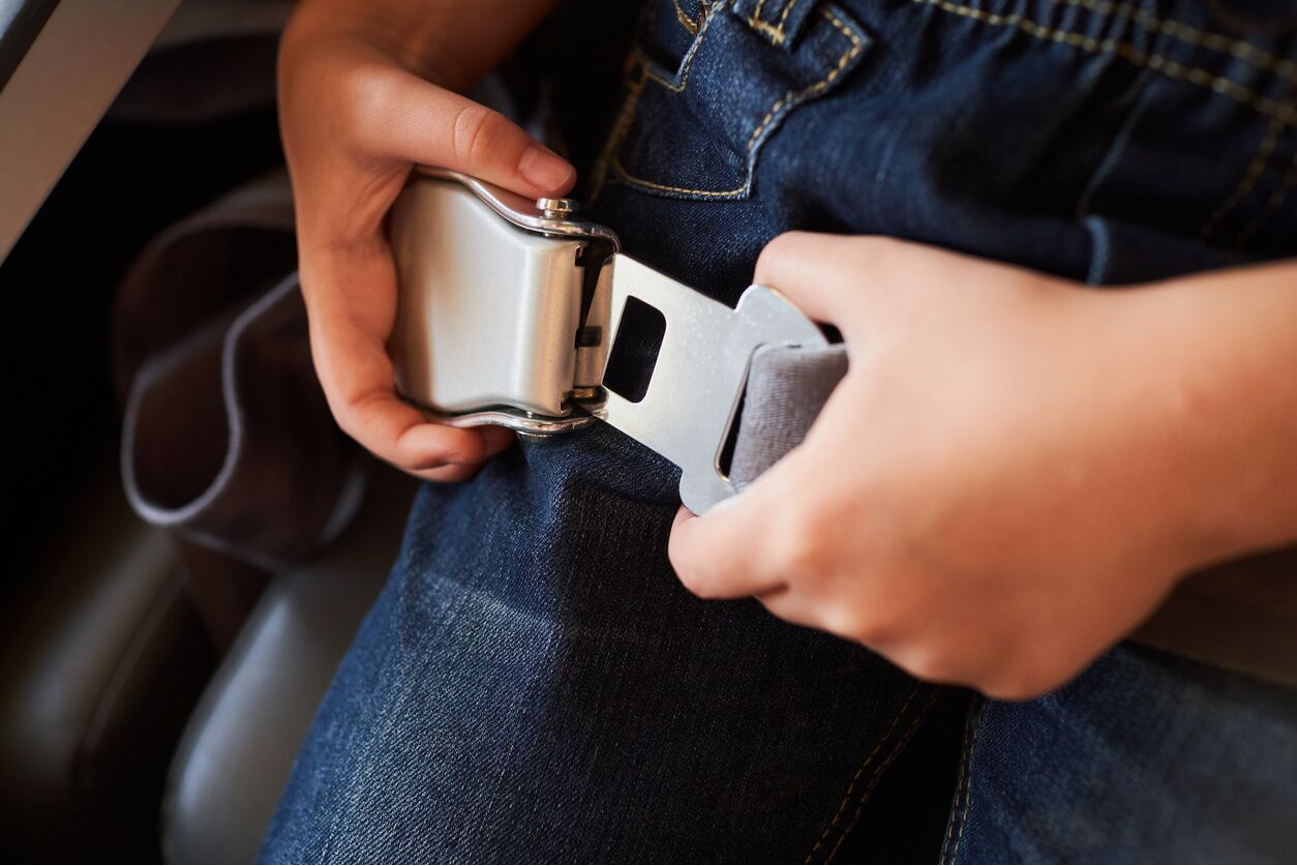
Seatbelts are made to hold you securely in your seat. Most cars have a three-point seatbelt that goes over your shoulder and across your lap. This design helps spread out the force of a crash over stronger parts of your body, like your chest and hips. Instead of one small part of your body taking all the impact, the seatbelt shares the force across your body. This helps prevent serious injuries.
When a car suddenly stops or crashes, the seatbelt tightens to hold you in place. This stops your body from flying forward or hitting hard objects inside the car, like the steering wheel, dashboard, or windshield.
What Happens Without a Seatbelt?
If you don’t wear a seatbelt, your body can keep moving at the speed the car was going before the crash. For example, if the car hits something and stops fast, your body can slam into parts of the car or even be thrown out through the window or door. This is dangerous and can cause broken bones, head injuries, or worse.
People who don’t wear seatbelts are more likely to be seriously hurt or killed in car crashes. The consequences of not wearing a seatbelt are why laws in most places require everyone to buckle up.
Seatbelts Help Save Lives
Many studies have shown that seatbelts save lives every year. According to safety experts, seatbelts reduce the risk of death by about half for people riding in cars. They also lower the risk of serious injury. This means that people who wear seatbelts are much more likely to walk away from accidents without big problems.
Even in smaller crashes, wearing a seatbelt can keep you from hitting parts of the car or other passengers. It helps protect your head, neck, and chest, which are some of the most vulnerable parts of your body.
Seatbelts Protect Everyone in the Car
Wearing a seatbelt doesn’t just protect you—it helps protect others too. If a person is not wearing a seatbelt, they can become a projectile in a crash. This means they could crash into other passengers, causing injury to themselves and others.
When everyone in the car buckles up, the whole group is safer. Parents should always make sure children are in the right car seats or booster seats and that they are buckled in properly.
Key Takeaways
- Seatbelts keep you in your seat and stop you from flying forward in a crash.
- They spread the force of impact over stronger parts of your body to reduce injuries.
- The consequences of not wearing a seatbelt can include serious injuries or death.
- Seatbelts reduce the risk of dying in a crash by about half.
- Wearing a seatbelt protects you and other passengers in the car.
- Always buckle up, even for short trips or when sitting in the back seat.