With housing affordability continuing to be a major concern, many buyers find themselves asking a fundamental question: is it cheaper to build a house, or is buying an existing home the more cost-effective option? The answer is rarely straightforward. In 2025, the cost equation depends on land prices, scope of construction, market conditions, and how thoroughly you account for all the associated expenses.
Rather than looking for a universal yes or no, homeowners are better served by understanding how building and buying compare when all costs are considered, not just the headline price.
The Short Answer: Is It Cheaper to Build or Buy?
In some situations, building a house can be comparable in cost to buying. In others, buying an existing home is clearly cheaper. The deciding factor is not construction cost alone, but the total cost to move in and live comfortably.
Land availability, permitting timelines, financing structure, and customization needs all influence which option makes more financial sense. Without accounting for these variables, comparisons tend to be misleading.
What Does It Really Cost to Build a House?
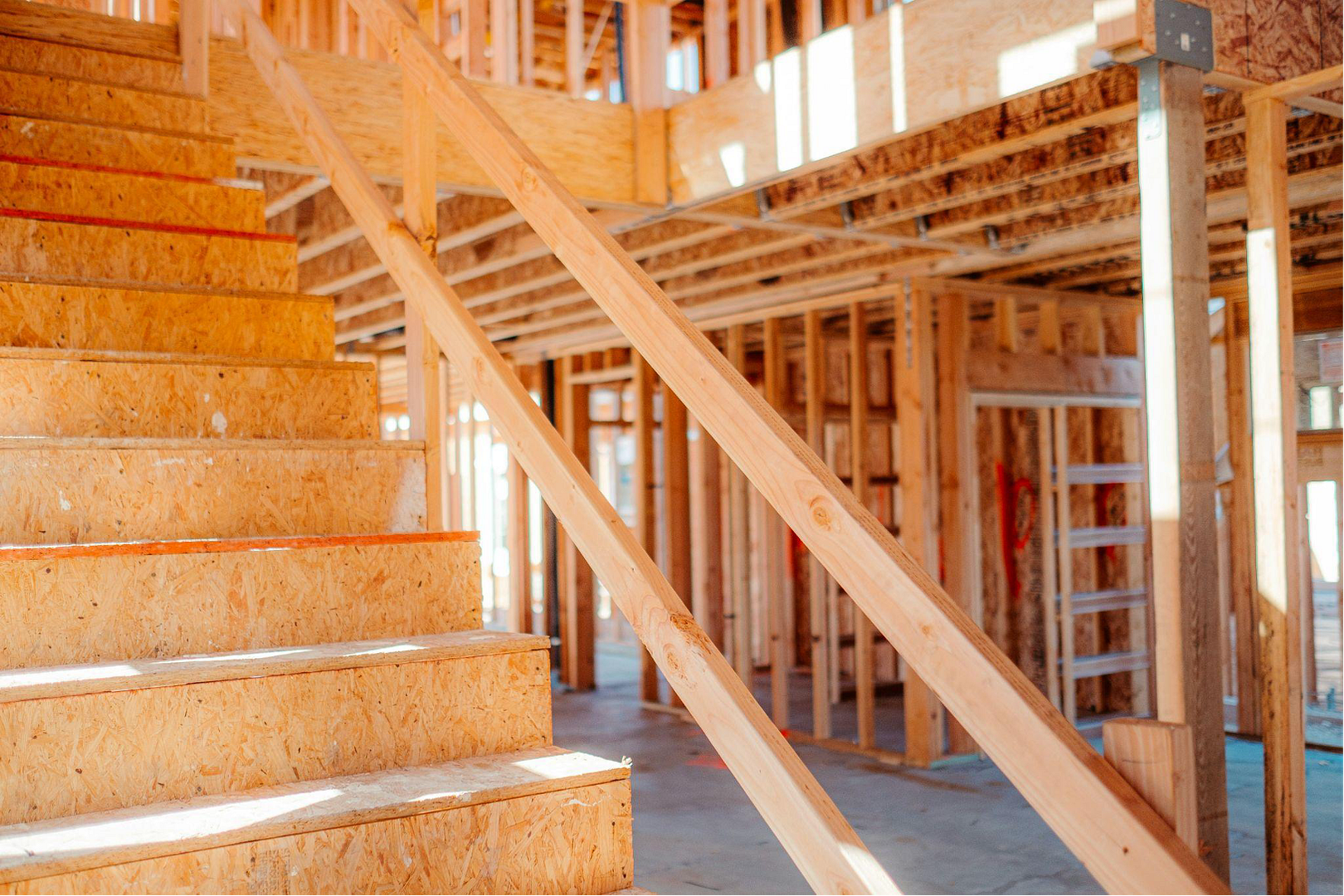
Building a home involves multiple cost layers beyond the structure itself.
Construction and Labor Costs
Construction costs include materials, labor, subcontractors, and builder overhead. These costs rise quickly with complex designs, custom layouts, and high-end finishes. Even modest upgrades can increase labor time and coordination requirements.
Land and Site Preparation
Land is often the biggest wildcard. If land is already owned, building becomes far more financially viable. If not, buyers must factor in land purchase price, grading, utility connections, access roads, and soil conditions, all of which can add substantial costs before construction begins.
Permits, Fees, and Regulations
Permits, inspections, and impact fees vary widely by location. In some jurisdictions, regulatory costs account for a significant portion of the total build budget. Delays in approvals also extend timelines, increasing financing expenses.
Financing and Carry Costs
Construction loans typically require interest payments during the build. The longer the project takes, the higher these carry costs become. This is a key difference from buying, where financing generally begins after purchase.

What Does It Really Cost to Buy an Existing Home?
Buying a home may seem simpler, but it comes with its own financial considerations.
Purchase Price and Market Competition
In competitive markets, buyers may pay a premium for move-in-ready homes. Bidding wars and limited inventory often push prices higher than expected.
Renovation and Upgrade Costs
Lower-priced homes frequently require updates. Kitchens, bathrooms, flooring, and major systems can all add to the total investment. These post-purchase costs often narrow the gap between buying and building.
Ongoing Maintenance and Efficiency
Older homes may have higher long-term maintenance and energy costs. While these expenses are spread over time, they still affect overall affordability.

When Building a House Can Be Cheaper
There are specific scenarios where building can be financially competitive or even less expensive.
Already Owning the Land
When land is already owned, one of the largest cost barriers is removed. This alone can make building more economical than buying a comparable home.
Smaller or Simplified Builds
If you are comparing building versus buying with a smaller footprint in mind, it helps to look at builders who specialize in that category. Golden State ADUs is a Sacramento-based, full-service design-build ADU construction company that handles design, permitting, and construction across California, and their breakdown of tiny-home economics shows how land, utilities, approvals, and finish levels can change the “cheaper” answer fast.
When Buying an Existing Home Is Often Cheaper
In many cases, buying remains the more affordable option.
High Land or Development Costs
In urban or high-demand areas, land prices alone can outweigh any cost advantage of building.
Long Approval and Build Timelines
Extended permitting and construction timelines increase financing and carry costs, making buying more attractive for those who need to move quickly.
Minimal Customization Needs
If an existing home already meets functional and aesthetic needs, purchasing it is often cheaper than building from scratch.
The Role of Design and Planning in Cost Outcomes
How a project is planned can significantly influence whether building stays within budget.
Scope Definition and Early Decisions
Clear scope definition prevents costly changes later. Unresolved design decisions are a common cause of budget overruns.
Design-Build Efficiency
When building is under consideration, effective cost control often starts with clear scope definition and disciplined coordination between design and construction. Skyline Design Build operates as a professional design-build firm, offering custom home construction, ADUs, drafting services, and full-home remodeling, which allows planning and execution to remain tightly aligned throughout the project.
Build vs Buy: A Simplified Cost Comparison Example
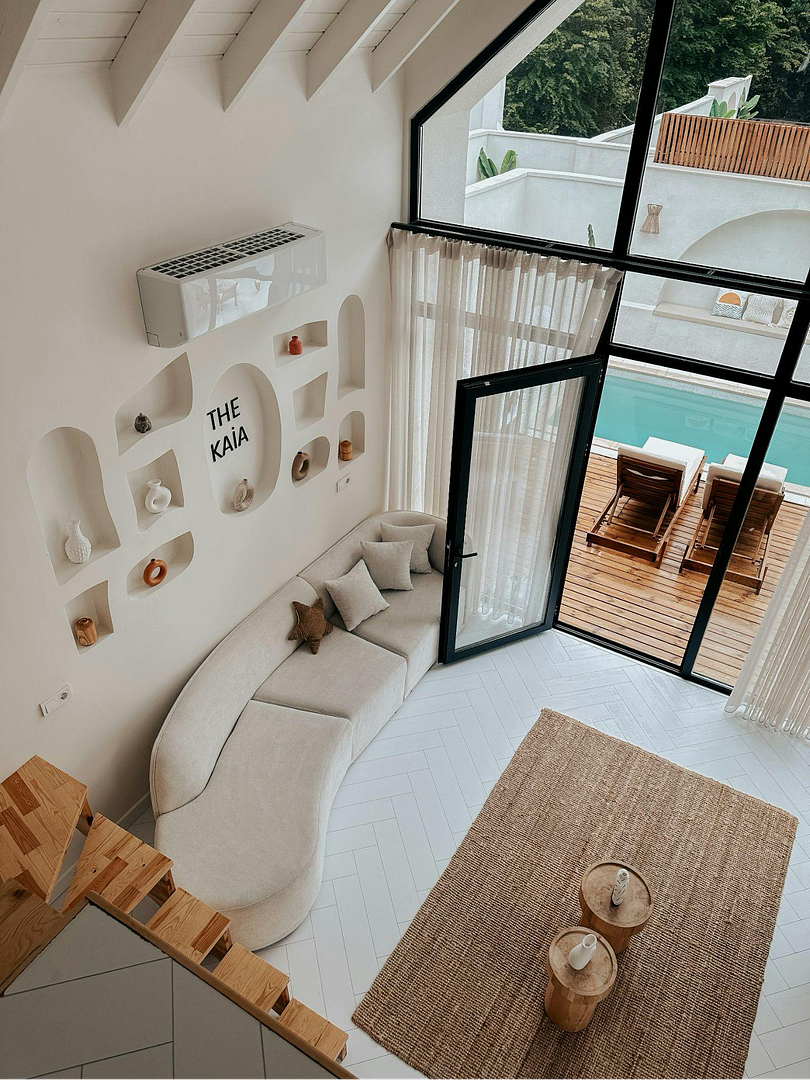
Consider two buyers. One builds a modest home on owned land with a simple design and controlled finishes. The other buys a lower-priced home but invests heavily in renovations. In many cases, the final costs end up closer than expected, even though the paths differ.
The difference lies in when and where the money is spent.
Beyond Cost: Other Factors That Matter
Time to Move In
Buying allows for faster occupancy, while building requires patience and planning.
Customization and Lifestyle Fit
Building offers personalization that buying rarely provides without renovations.
Resale and Long-Term Value
Newer homes may offer better efficiency and appeal, depending on market conditions.
Frequently Asked Questions
Is it cheaper to build in suburban or rural areas?
Often yes, due to lower land costs, though utility access can offset savings.
Are smaller homes always cheaper to build?
Generally, but site conditions and finishes still matter.
Can building be cheaper in competitive markets?
In limited cases, especially when land is owned or inventory is scarce.
Final Thoughts
So, is it cheaper to build a house? Sometimes. The real answer depends on land, scope, timing, and how thoroughly total costs are evaluated.
Rather than focusing on assumptions, homeowners benefit most from comparing the full financial picture of both options. With informed planning and realistic expectations, either building or buying can be the right choice depending on individual priorities and circumstances.