When Jeon Somi launched GLYF in April 2024, the response was immediate; Her fanbase mobilised across social media, dissecting every product detail before the official release. But within weeks, the conversation shifted. The pricing drew comparisons to established luxury brands, and suddenly, fans enthusiasm alone wasn’t enough to silence the criticism.
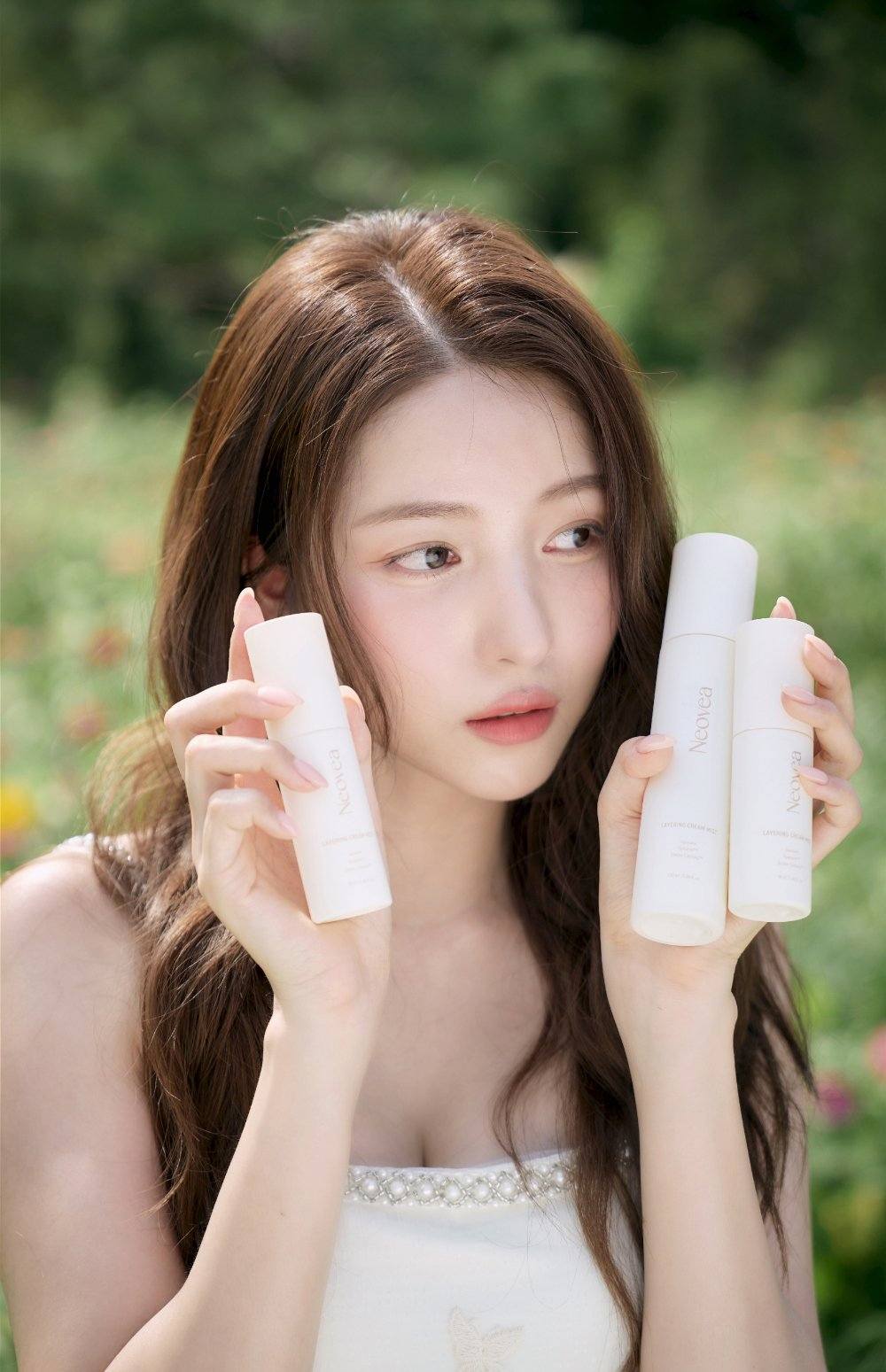
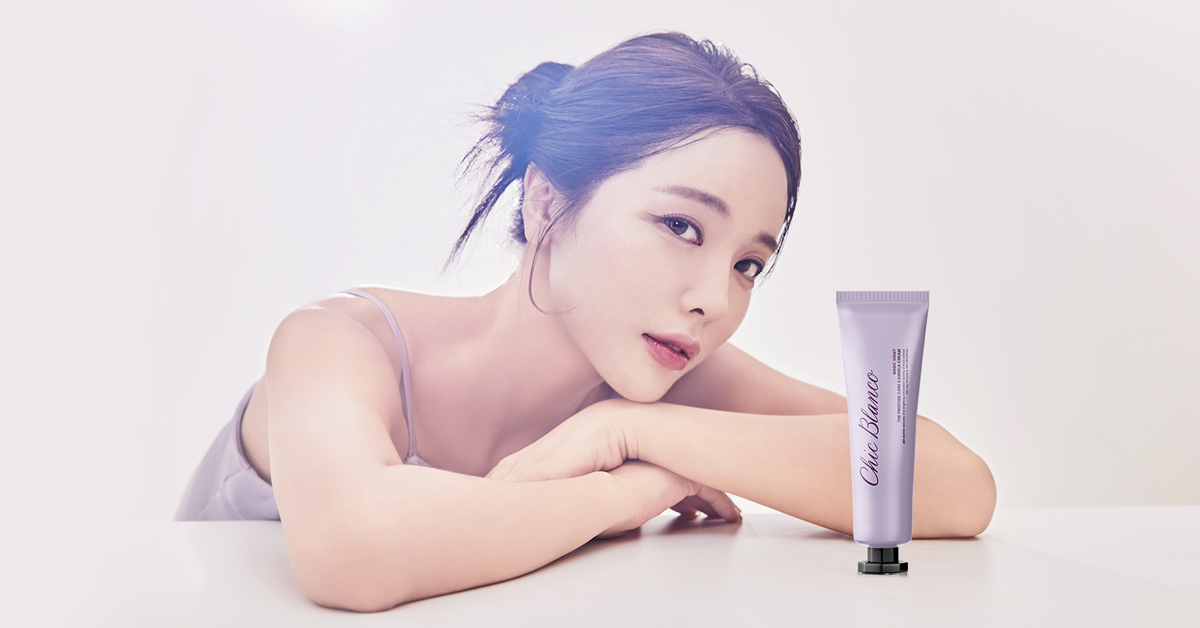
It’s a pattern playing out across K-beauty as more K-pop idols pivot from stage to skincare. With Korea’s beauty market projected to more than double to USD 31.8 billion by 2033, the opportunity is undeniable. Former GFriend member Kim So-jeong launched Neovea in 2025, focusing on minimalist skincare. Comedian and singer Hong Jin-young has expanded from her 2018 line Hongshot to the more refined Chic Blanco, emphasising natural ingredients and subtle enhancement.
The momentum shows no signs of slowing. BLACKPINK’s Jennie Kim, synonymous with luxury brand HERA, regularly trends for her distinctive makeup looks, while her bandmate Lisa drives similar fervor for MAC Cosmetics, launches reportedly selling out in over 120 countries. Industry whispers suggest Jennie is developing her own makeup line, a natural evolution after founding her agency Odd Atelier and securing the “Jennie Ruby Jane” trademark for cosmetics, fashion, and jewelry.
Beyond the fandom bubble
But Professor Ingyu Oh of Japan’s Kansai Gaidai University argues that the explosive growth of Hallyu is only part of the story. While K-pop idols have become beauty’s most influential ambassadors, the industry’s global credibility was built by Korean-American clinicians and founders whose scientific authority provides something idol brands often lack.
“The ascent of K-beauty on the world stage is increasingly propelled by transnational scientific networks—Korean dermatologists, Korean-American founders, and specialised manufacturers, not by fan communities alone,” he explains. “Fandom provides a powerful launchpad for idol brands, but it fails to explain why K-beauty as a category commands such trust in mainstream, non-fan markets in the US, France, or Southeast Asia.”
Over the past decade, South Korea has cultivated a sophisticated ecosystem of contract manufacturers, dermatology clinics, and R&D laboratories capable of rapidly bringing new products to market. While K-pop idols benefit from this infrastructure, they’re not its core innovators. Their personal brands function as curated endpoints of a much larger production architecture fundamentally built by clinicians, cosmetic chemists, and diaspora entrepreneurs.
Long-term viability, Oh notes, comes not from celebrity but from access to clinical supply chains, bioactive innovation from peptides to exosomes, dermatologically validated efficacy, and K-beauty’s global reputation as the skin health benchmark.
Yoyo Zheng, co-founder of Good Totes and K-pop marketing content creator, agrees that idol influence has clear limits. “Fandoms provide instant awareness through social sharing and guaranteed initial sales from loyal fans, but the general public is far more discerning,” she says. Korean consumers, in particular, are extremely price-sensitive and quality-driven, quick to criticize packaging, ingredients, and perceived value.
Authenticity as currency
Dominique Falla, Associate Professor at Griffith University’s Queensland College of Art and Design and author of The K-Pop Content Strategy, argues that successful idol brands feel like a direct extension of an artist’s authentic personality, not an invented commercial identity. Today’s fans increasingly demand this perceived genuineness, even within the inherently constructed nature of parasocial relationships.
This demand for authenticity aligns with a booming market. A TikTok and Kantar report forecasts global spending on Korean cultural products will nearly double to US$143 billion by 2030, driven significantly by Gen Z values. Nearly 60% of young Americans prefer brands that align with their principles—diversity, sustainability, inclusivity and this values-first mindset is actively reshaping the industry. Brands like TIRTIR are responding tangibly, expanding cushion foundation ranges to 40 shades to serve a global spectrum of skin tones.
“Authenticity is everything for K-pop fans, who are accustomed to seeing idols up close in all contexts, not just polished advertisements,” Falla explains. “When an idol genuinely incorporates a product into their routine or discusses it informally, it registers as credible. Fans can discern the difference, and they’re far more likely to invest when the connection feels authentic.“
Rather than spending heavily on advertising like traditional beauty brands, idols can launch products directly on their own channels, speaking to audiences already intently watching. They demonstrate genuine product use and foster a sense of co-creation, making fans feel involved in the brand’s development.
When GLYF faced criticism for its premium pricing, the brand responded by reducing the price of its Illuète Highlighter Palette by 20%. The move appears constructive—the product now garners positive reviews on TikTok, where users particularly praise the gloss for its non-sticky formula.
Quality over hype
Yet as more idols enter the beauty arena, enduring success will depend less on fleeting fandom hype and more on substantive qualities: product quality, credible pricing, and ingredient integrity. This mirrors lessons from the Western celebrity beauty market, where brands lacking these foundations have struggled to maintain positive reception.
“The product must genuinely perform, be readily accessible, and fairly priced,” Falla says. “The strategy of the launch, the consistency of its quality, and whether it represents something more than mere celebrity, these are the factors that ultimately determine if a brand can achieve lasting success beyond the initial fanfare.“
As the next wave of idol-founded brands prepares to enter an increasingly crowded market, the lessons are clear: fandom can open doors, but only substance keeps them open. The idols who succeed won’t just be those with the biggest followings, but those willing to engage seriously with formulation, pricing strategy, and the clinical infrastructure that gives K-beauty its global authority.
By Yohana Belinda