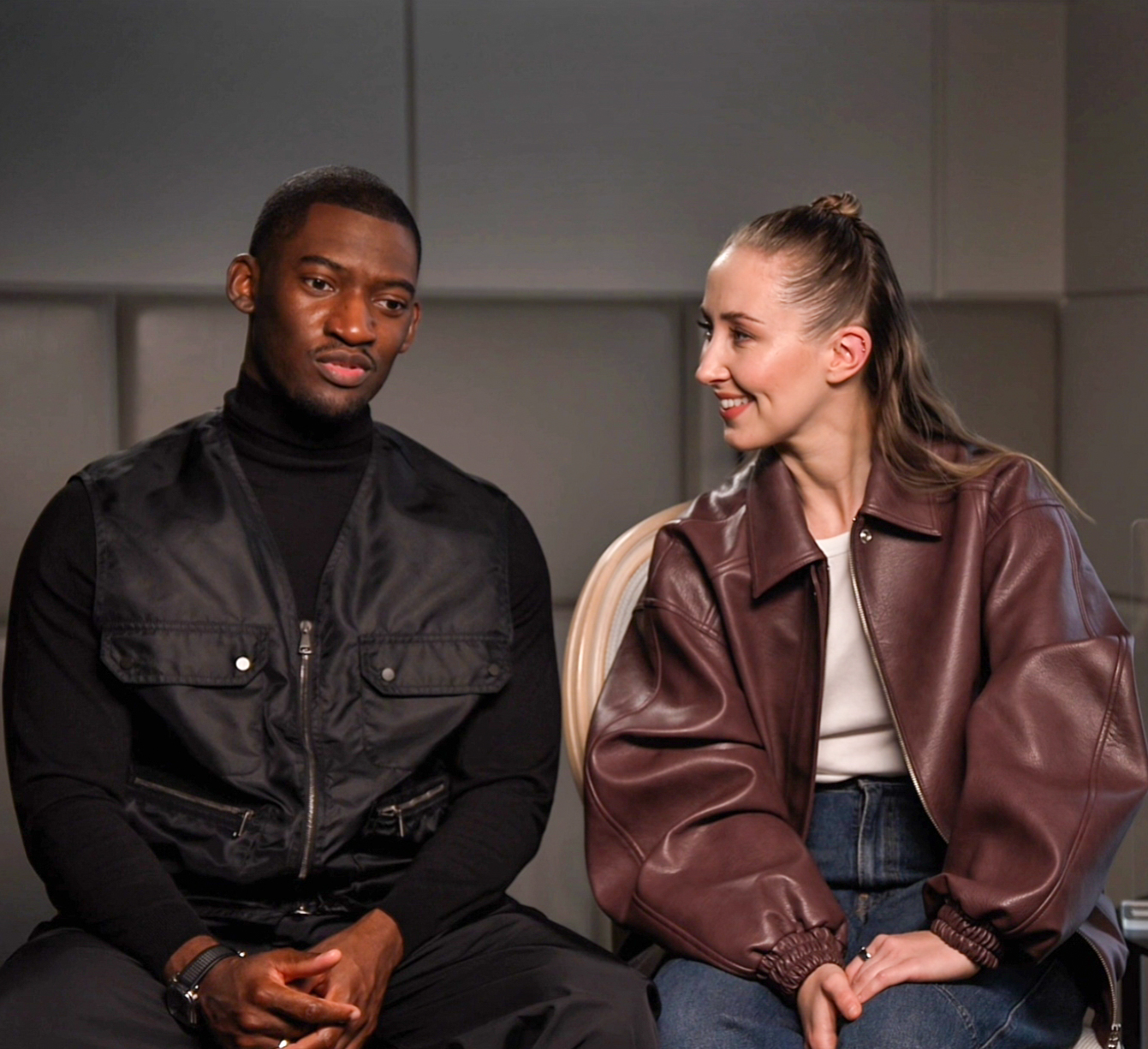
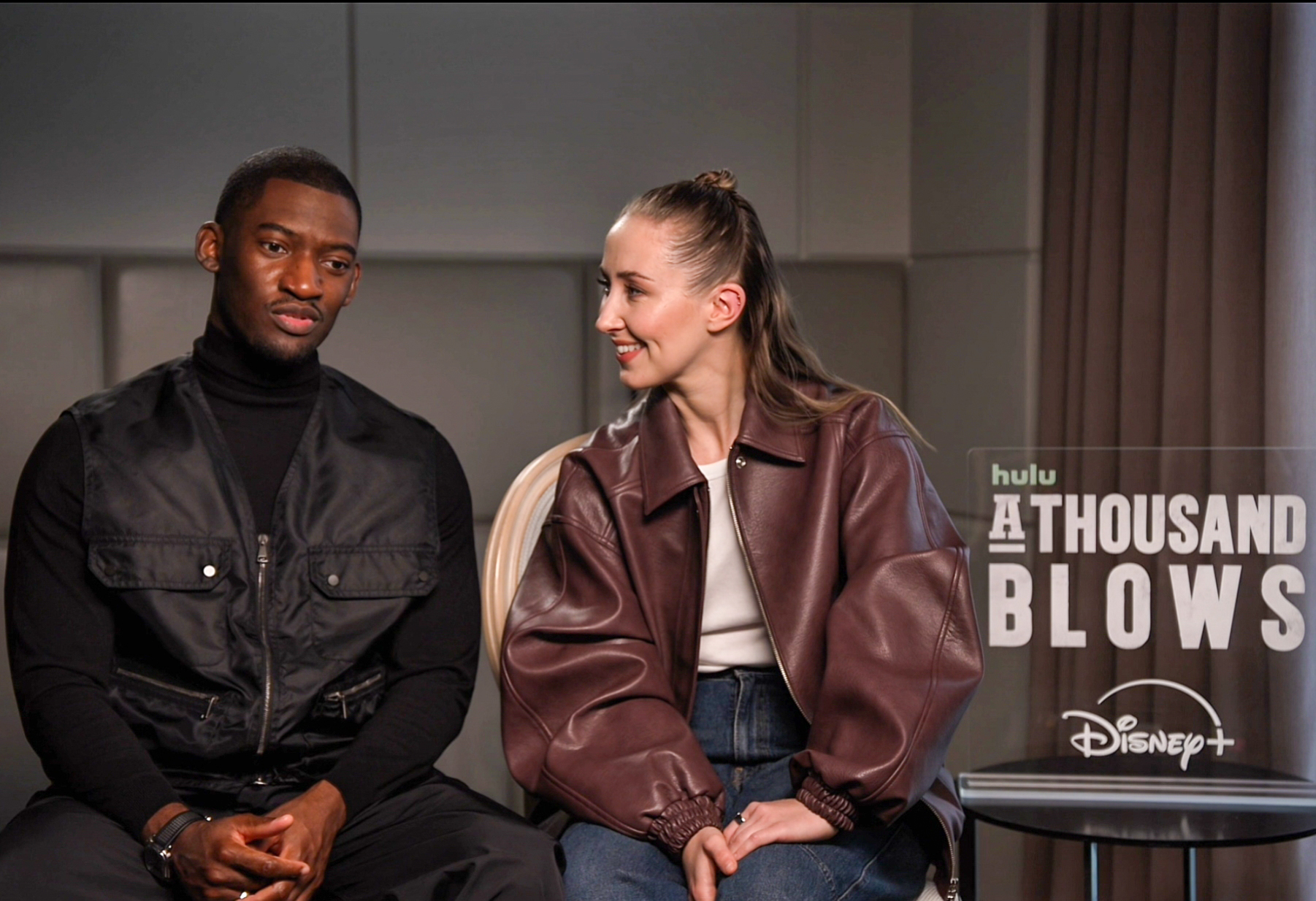
Set in the 1880s, historical drama A Thousand Blows is inspired by characters battling for survival in the brutal East End of London. Streaming on Disney+ from tomorrow, the series is produced by Matriarch Productions, founded by actor Stephen Graham and his wife Hannah Walter. The pair also produced the critically acclaimed show Adolescence, with their company’s mission being to champion diversity and the voices often left unheard.
Series two returns to find the characters one year later, facing the consequences of last season’s dramatic finale. While it has been almost a year since series one first aired, both seasons were actually filmed back-to-back, leaving the actors and audiences alike waiting in anticipation. Viewers finally learn the fate of gang leader Mary and aspiring lion tamer Hezekiah, a newly arrived Jamaican immigrant, played by Erin Doherty and Malachi Kirby.
Despite the events in the show taking place 140 years ago, the explored themes of belonging, power and class divide still feel particularly poignant today. Writer Steven Knight describes the real historical events as “stepping stones to the plot,” with the lack of documented detail around many of the characters involved allowing for exciting and flexible creative interpretation.
For Doherty and Kirby, portraying characters wrestling with such intense internal conflicts means delving deeper into their characters’ thought processes, from their motivations and instincts to their moral limits.
Speaking to 1883 Magazine, the pair reflect on the intensity of the roles in A Thousand Blows, the research behind them and the toll of inhabiting lives lived constantly on a knife’s edge.
A Thousand Blows is obviously set over a century ago, yet the themes still really resonate with the audience, especially in London. Why do you think that is?
Erin Doherty: I suppose the element of survival is still quite appropriate, obviously the intensity may vary.
Malachi Kirby: Honestly, in terms of themes, the themes of a thousand years ago will probably still be relevant today because we’re still humans- do you know what I mean?
There’s something about humanity that will always carry across time in terms of how we navigate space and each other. When you’re telling the truth, I think the themes are always going to be relevant.
The series itself is grounded in real histories and real communities. What did your research and immersion into that world look like? And was there anything unexpected you found that really shaped your performance?
ED:I remember when I found out that Mary had kidnapped a kid, I was like, “ Okay… There are levels of criminality, and then there’s kidnapping a kid”.
It informed what she was willing to do, so that really then informed the level that I had to just commit in order to really understand who this woman was and what she was willing to do. So yeah, that was quite an informative moment for me.
MK: Honestly, it’s probably the most obvious, but the fact that Hezekiah left Jamaica to go to the UK to become a lion tamer. Of all of the things he could have done, that’s not the most practical and safe option.
It told me a lot about the kind of person that he is. The kind of person who would be bold enough to make that choice, think outside of the box and actually go after it. I think it’s part of who he is and his core.


You mentioned that tension between the survival of the character and maintaining their identity. Why do you think that concept is so central to the show and to your character?
ED: It is the reality of being alive at that moment in time. You literally had to fight for survival, or you were dead. The intensity of that simple fact then elevates every interaction that you have, which elevates every relationship, essentially. So, I think that’s why it’s such a dangerous and electric piece of work, because just a passing of minds might be the definitive moment of someone’s life.
Everything is on that knife-edge. “We had that chat, and then I went to jail. Then we had that chat, and I ended up fighting for my life on the street.” It obviously is so dramatic, but that is just what it meant to be alive at that time. It naturally then feeds into who these people were and the way that we chose to embody them and play them.
Finally, how do you find that acting in that stressful environment, pursuing their journey of stress? Does that affect you?
MK: Definitely, we wouldn’t be doing our job if it didn’t affect us; part of our job is to be affected. Personally, I enjoyed that process.
ED: It brought something different to the table because it’s not every day that you play someone who is fighting for their life in every way. It was actually really fun; it completely upped the amount that you had to commit.
I’ve never been so intent on learning my lines so well. because if you fall off the rope, then you’re dead. It was “I have to know these lines so well that I can just go. If I need to just rapidly say these things, I want to be able to have that ability.” It was really fun having that level of commitment.
MK: I think for you especially [nods to Erin]. Mary has such an armour that is formed by how she’s perceived. As you say, if there’s a little thing like forgetting your line or delaying, that’s a change in that armour. You can’t afford that.
A Thousand Blows season two is out tomorrow on Disney+.
Interview Bex Whitley