Today an artist does not have the luxury of appearing “out of nowhere” along with the first album. Even before the release, the listener gets to know it through photographs, clips, stories and single covers, and it is the visual image that often decides whether they want to press the “play” button. That’s why young musicians are increasingly treating wardrobe and style as an extension of their sound: it’s part of the story they’re telling the world.
Search for an idea: from the first demos to the mood board
Almost every aspiring musician has that moment when they hear their demos for the first time and wonder, “What does this music look like?”, and at this stage, the formation of the image is increasingly influenced not only by personal associations, but also by partnerships and support from online entertainment platforms, including initiatives like nine win, which help artists find their audience. Some people see cold neon and leather jackets, others see warm sweaters and worn-out sneakers, others see bright makeup and asymmetrical silhouettes. From these associations the first moodboard is born: a set of pictures, colors and textures, which gradually turns into the visual code of the project.
Lera, a singer-songwriter from Liverpool, recalls: “I had ten songs and zero idea of what I should look like on stage. I simply collected stills from films and covers of other people’s albums that matched the mood of my tracks into a folder. At some point, I saw that the dark green color and voluminous coats were repeated almost everywhere — This is how my story with the “urban forest” began. in the wardrobe.”
Wardrobe as a continuation of sound
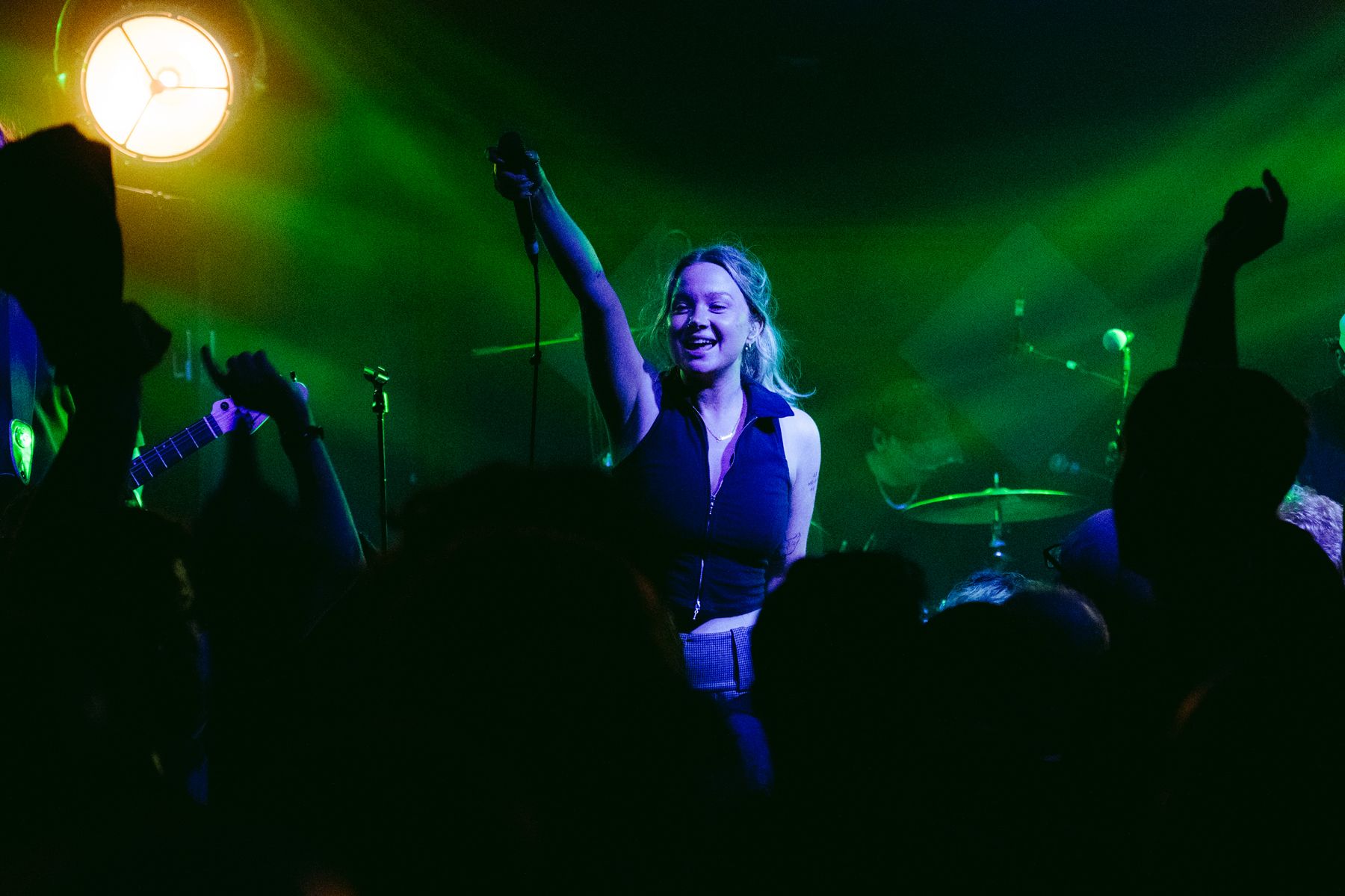
When the basic visual world is defined, work with clothing begins. Musicians think not only about beauty, but also about how comfortable it will be to move on stage, how the fabric looks in the spotlight, and what can become a recognizable detail. It is important that the outfits do not clash with the music: melancholic indie is unlikely to suit aggressive neon, and hard rave sound — romantic dresses without irony.
Many aspiring artists experiment with second-hand goods and customization because it is cheap and gives freedom. A customized jacket, stripes on jeans or hand-painted sneakers instantly turn into details that fans recognize even in distant photos. It’s these hand-crafted touches that often create a sense of authenticity that’s hard to come by in a fashion boutique.
Team or individual: who comes up with the image
Some musicians have a stylist from the first videos, others — only friends with good taste and a desire to experiment. What is important is not the number of people in the team, but the ability to agree on the rules of the game: what things are “always possible”, what — only for filming, and which ones are prohibited because they break the overall line of the image. Clear boundaries help avoid visual chaos, when each artist’s output looks like it’s from a different project.
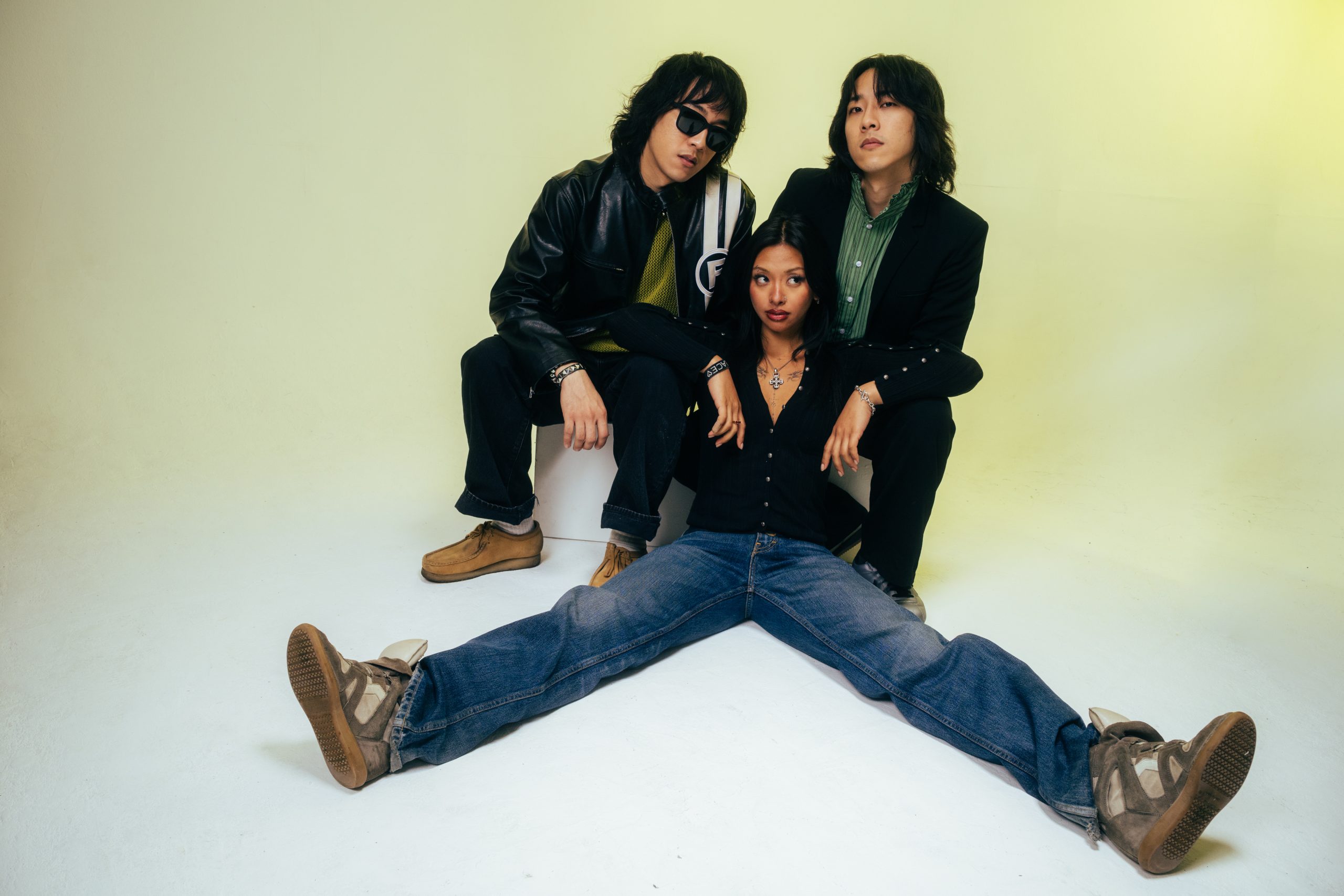
Robbie, a member of a young rock band, shares: “At first we wanted everyone to dress as they wanted, but in the photo it turned out to be completely disorganized. Then my stylist friend and I came up with a rule: dark bottoms, one bright accent and no sportswear on stage. Freedom remains, but in the photographs we finally look like a single group, and not random people in the same room.”
Three questions before buying something
To prevent their wardrobe from spreading in different directions, many artists use a simple filter. Before buying something for a scene or filming, they ask themselves three questions:
• Does this thing reflect the mood of my music and the future album?
• Will fans be able to recognize me by it from a distance or in the dark of the hall?
• Will I feel confident in it if I have to move for an hour without a break?
If at least two answers are “yes”, the thing becomes part of the visual handwriting, if no — remains a common purchase for every day. Such a simple filter helps avoid turning the image into a random collection of trends and keeps the focus on the main goal: to enhance the music, not argue with it.
Social networks as a fitting room
Before the release of their debut album, artists often use social networks as a safe field for experimentation. They post photo shoots in different looks, test hair colors, makeup and story styles, observing the reaction of the audience. Sometimes it is an unexpected post with a “temporary” message. thus becomes the starting point of the future corporate identity.
Diana, an aspiring pop singer, says: “I posted a series of black and white photos in a formal suit, just for the sake of experimenting. Under them, people began to write that my songs began to sound more mature, although the tracks were the same. I realized how much a picture changes perception, and I decided to build the entire visual style of the EP around this serious, almost business-like aesthetic.”
Visual signature before the first release
When the time for a debut album finally comes, the artist already has not only songs, but also a whole world in which they live. The cover, videos, stage costumes and photo shoots form a single story that the listener sees even before he hears the first track. When visual language is honest and consistent, it helps the music come through louder and more accurately.
This is the magic of the “musical wardrobe”: these are not just beautiful things, but a tool with which a young artist talks to a future audience even before the release of his debut album. Every frame, every element of the image becomes a small note in the overall score — and the more carefully they are selected, the easier it is for the listener to recognize “the one” musician in a crowd of new names. This way, the visual signature turns into a bridge between the first demos in the home studio and the day when the album finally appears on playlists.