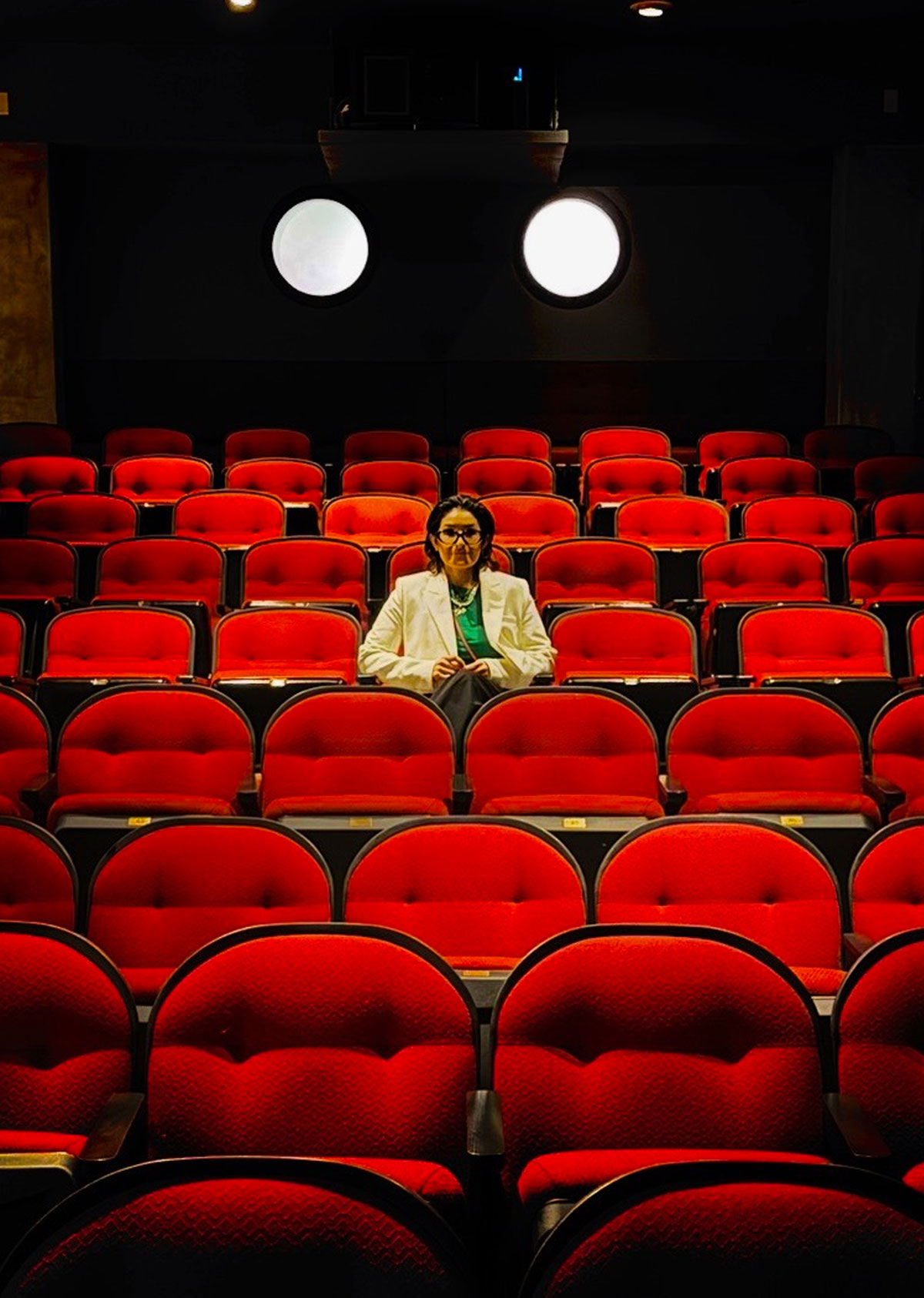
Nathaly Charria (Nathaly Nathaly Nathaly) is an artist and raconteur shaped by movement, inner landscapes, and a lifelong search for meaning. With a multidisciplinary background spanning creative direction, writing, and screenwork, Charria has developed a distinctive perspective rooted in her own journey and strengthened by formative mentorships. Most significant is her long-standing creative relationship with one of cinema’s most singular and influential voices: the late, great American surrealist David Lynch.
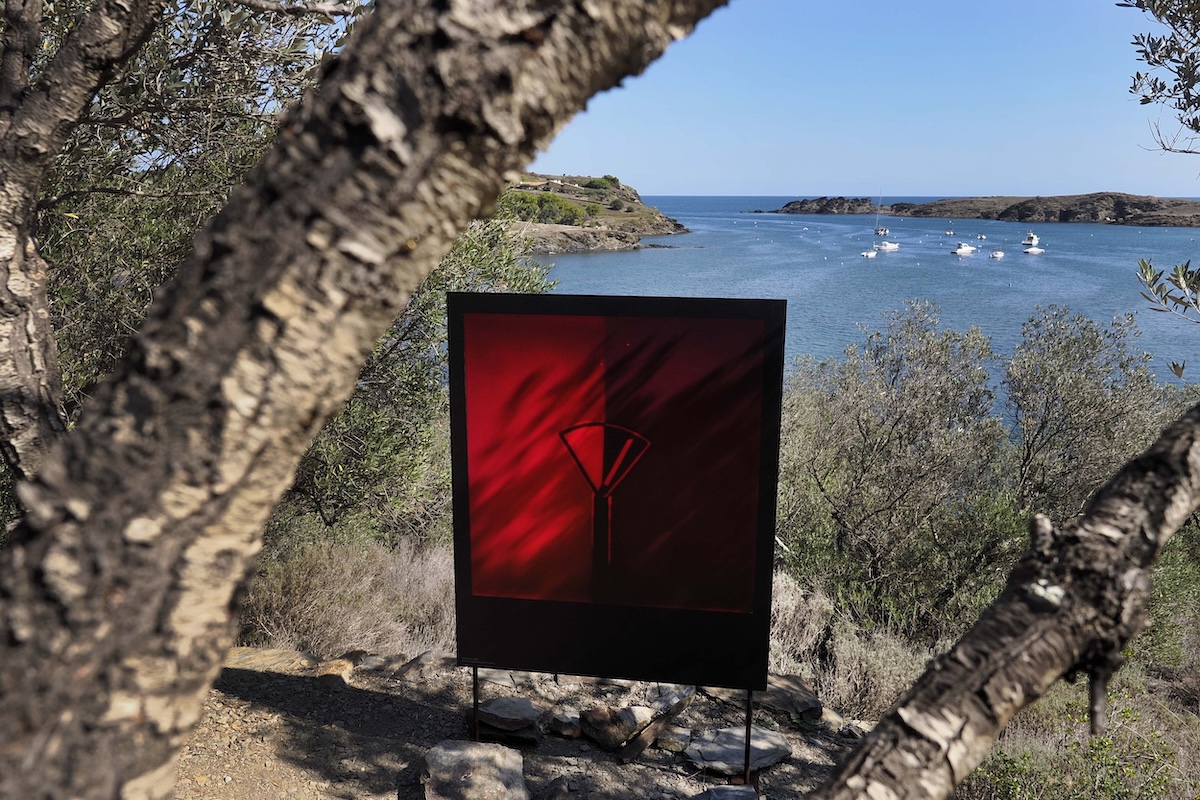
While her path has included developing her filmmaking voice and curating exhibitions – including LIGHT: Essence of Photography by David Lynch at Salvador Dalí House Museum in Portlligat, Spain, and FORM/Reimagined by David Lynch at Casino Societat L’Amistat for InCadaques Photo Festival – a central thread running through Charria’s work is a deep, steady commitment to probing how art can function as an interconnected practice, revealing deeper layers of meaning without losing sight of everyday reality.
Her approach to storytelling is defined by a deliberate balance of intuition and structure, one that marries an interest in consciousness and what moves beneath it with a grounded understanding of how stories grow and take form. Her oeuvre reflects a restless, wide-ranging curiosity that traces how narrative and identity shape the space where lived experience and experimentation intersect and mingle. A space of fluid possibility that opens into new pathways for imaginative expression.
With new work emerging and her artistic identity continuing to evolve, 1883 Arts Editor caught up with Nathaly Charria to discuss her creative development, the impact of mentorship on her process, and how her collaboration with Lynch continues to shape the next chapter of her career.
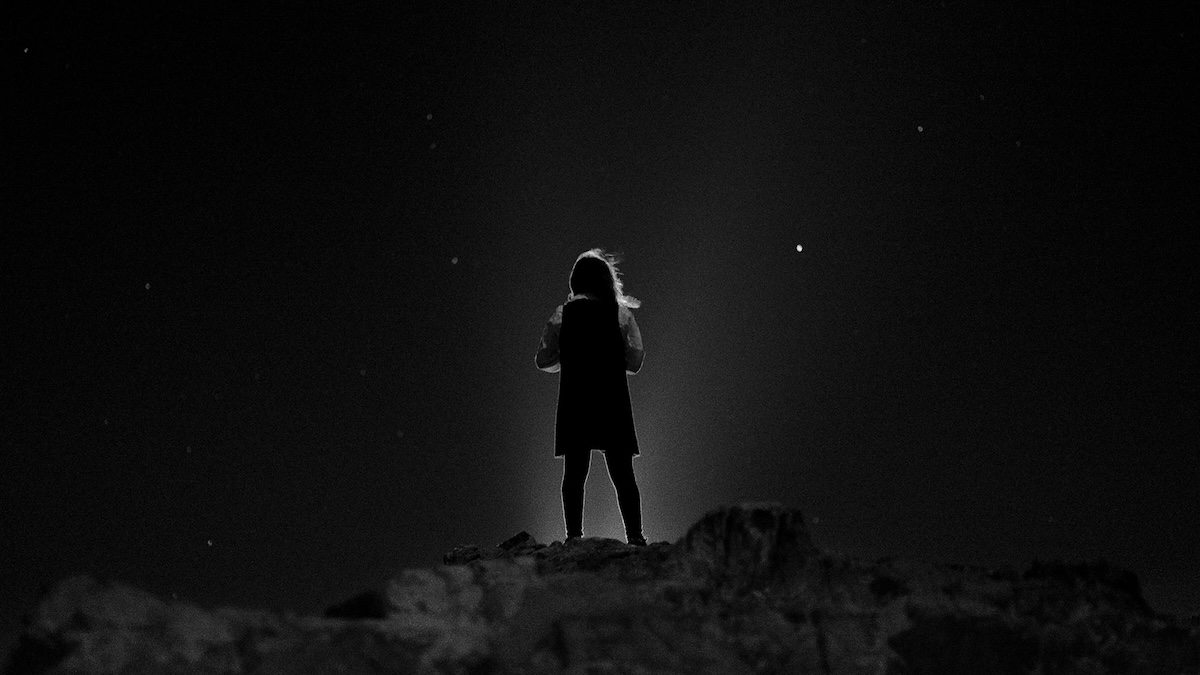
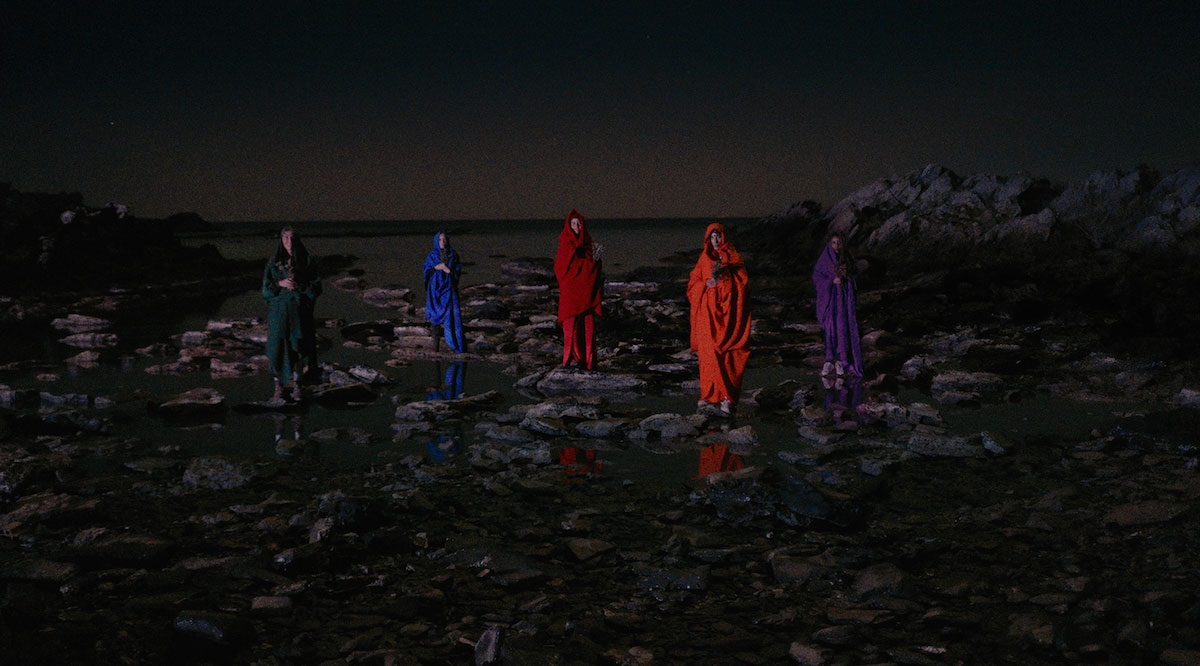
In this feature, we also present an exclusive preview of Nathaly’s new film LIGHT, which grew directly out of her work on LIGHT: Essence of Photography by David Lynch. The film traces its origins to a pivotal moment at the close of the exhibition, when Lynch instructed her to destroy the artwork, a directive that set the foundation for the project. Drawing on themes explored in the exhibition, LIGHT continues Nathaly’s interest in perception, inner experience, and the role of light in shaping how we understand the world around us.
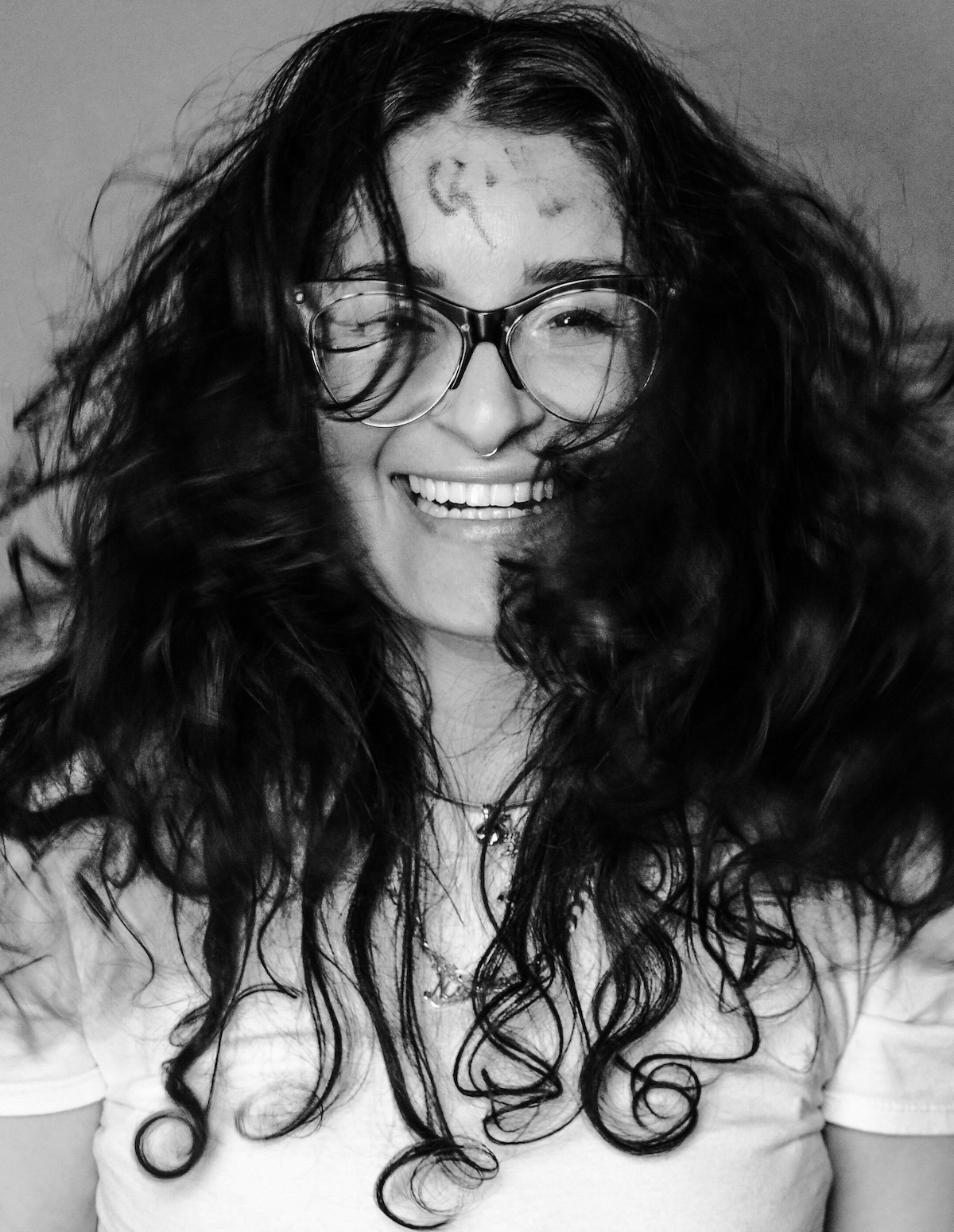
Hello Nathaly, thank you for finding time for 1883. To start us off, can you introduce yourself to our readers?
Thank you for having me, Jacopo and 1883. The best way to introduce myself is through story. It is a multidimensional adventure, part sci-fi, part coming-of-age, that began in Colombia on the tail end of the 1900s. During that time, I lived the first five years of my life in a rich land of fertile soil, mystic energy, war, destruction, corruption, and greed—a reflection of life on Earth. My first memory is of my father, a veterinarian, delivering baby pigs. Birth. Bloody. Painful. Divine.
The next thing I know, a spaceship arrives that takes us to a new land. Exile wrapped in Emeralds and Gold. My life took on the vision of my parents’ American Dream, white picket fence and all. So, I grew up in the land of the free home of the brave. I never fit in. I was never meant to. Some of us are meant to shift the whole thing altogether. It took a while to learn this, but I can thank a set of loving parents who gave their all and taught life without limits. I’ve seen and experienced injustice firsthand, the discrimination, the fear of differences, the separation of inner and outer worlds.
My first mentor ascended in 2017. My dad. It was a turning point. I set sail from the Florida Keys on a clear day in April. Up until this point, I mentored, represented, and curated artists. Los Angeles was home. Miami was family. New York was love. My world crumbled; my business fell. And my heart was broken. My life was floating in the great unknown. Physically on a boat in the Caribbean Sea, near the Bermuda Triangle. This inspired my short story Gerty the Sailboat.
Seven months later, I met my second mentor, David Lynch, after receiving a call asking me to create and curate the Red Room from Twin Peaks for the Festival of Disruption in Los Angles. To say it’s surreal is an understatement; it was more like a training ground in perfection. Details upon details, light upon light. This began a new era for me. It was a great time of professional development, transformation, and lessons. Studying under one of the greatest creative minds of all time is no small feat. It is a profound honor and something I’ve taken much care and presence in absorbing every second of it.
We’d love to hear more about your connection with David Lynch.
The pandemic arrived and time stood still. I was living in New York City. Right in the center of it all. I began hearing. Began healing. Expressing. I made 60-second videos on my phone daily, moments in Quarantine. One night, the Empire State was lit in red, with a light that circled like a siren. It was so silent that night, I could hear the crackling of my radiator in the middle of Manhattan at 9pm. I made a short film that would later be studied alongside Lynch’s early shorts. The pandemic took me many places, including, Mexico and Saudi Arabia. It was a time of great reordering, a time of darkness, a time of surrender, a time of awe at the magnitude of Covid-19 on the world, and this adventurer’s tuning to a divine frequency that began to guide me.
I was at a crossroads. This is when the David Lynch MFA program arrived. They say that our true purpose is the dream that always comes back, the one that lives in the back of your mind, and is so big or strange that we do not share it with anyone. Up until this point, I did not call myself an artist. I was a curator, a producer and creative director. I took art and film courses in undergrad, but was more focused on deconstructing the world around me and received my BA in International Relations. You see, I loved theory and discursive analysis, I wrote my undergrad thesis on Palestine. The way the story was told in the media. It’s great to see this finally getting attention. It’s hard to see it unfold.
Gerty the Sailboat became my first screenplay, a mini-feature that I submitted in my application to grad school. The David Lynch MFA in Screenwriting began in Fall 2022, marking the start of an incubation period. During that time, all things contemporary were set aside, and attention turned inward. David Lynch Graduate School of Cinematic Arts is consciousness-based storytelling for a new world, rooted in Maharishi’s 16 principles of Creative Intelligence. During this time, I had a vision in a dream and answered the Lobster Telephone. It was Salvador Dalí.
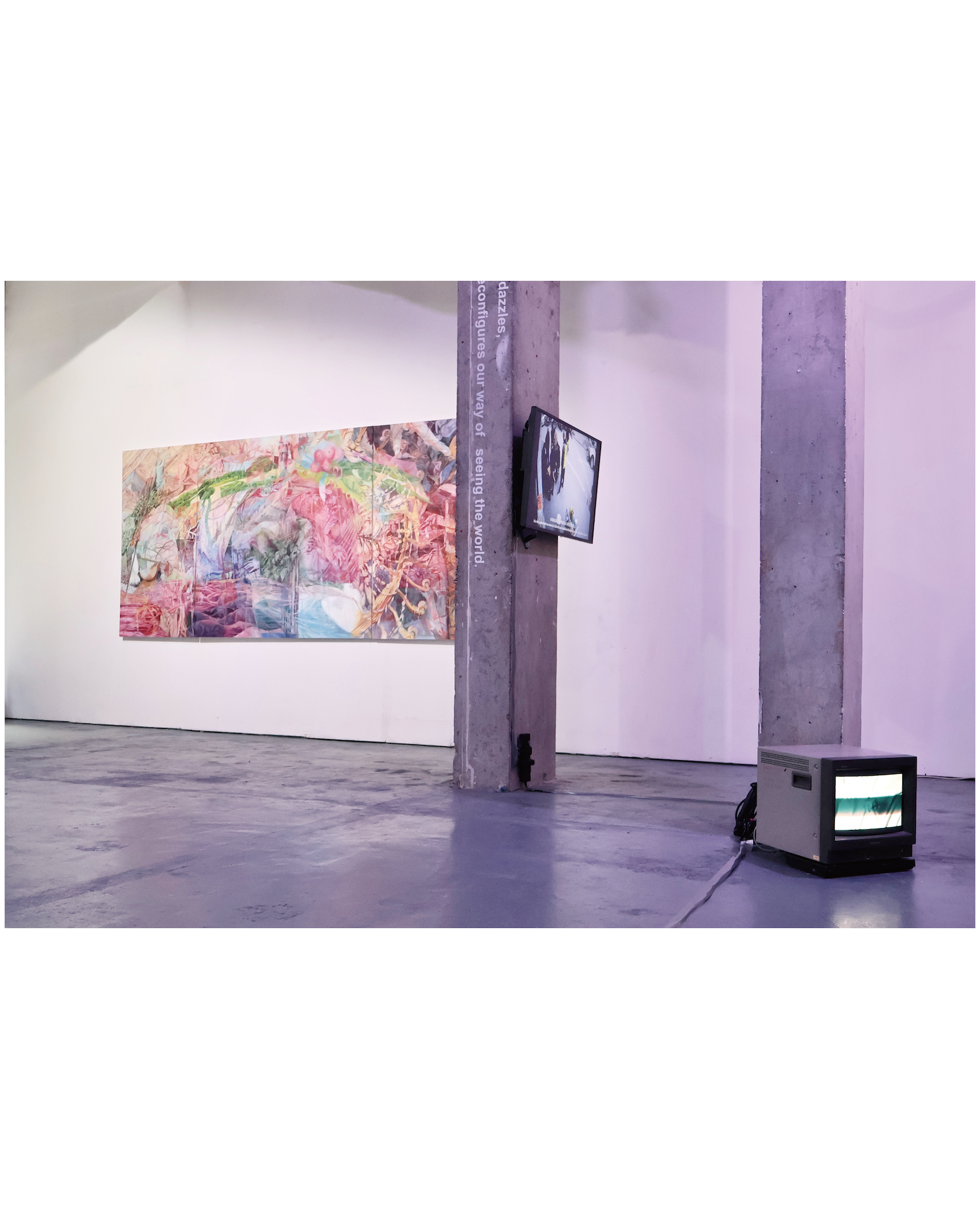
I arrived at the Teatro Museo Dalí Figueres to research my MFA thesis. I was invited to Dalí’s House in Cadaqués where I curated Lynch’s last solo museum exhibition atxc. Fall of 2023, I curated LIGHT: Essence of Photography by David Lynch at Casa Museo Salvador Dalí and FORM/Reimagined by David Lynch at Casino Societat L’Amistat for InCadaques Photo Festival. We had great programming, including Meditation, Creativity, Peace, a documentary by the David Lynch Foundation. Screenwriting scholar, Matthew Kalil, presented a Masterclass on Experimental Filmmaking where he screened my early shorts, including, Going Through It: New York City (2020) featuring the Empire State on that night with the crackling radiator and Gente Non Comune (2022). They were studied alongside David Lynch’s early shorts including Sailing with Bushnell Keeler (1967).
It was a wild and transformative time. During this period, the Gala-Salvador Dalí Foundation and David Lynch recognized and signed off on my work—no notes. This recognition marked a profound moment that activated the lineage in my work. When it came time to close the exhibition, Lynch instructed me to destroy the artwork. In response, I asked, “Can I make a short film?” He agreed and said he liked the idea of a Viking funeral. And just like that, my short film LIGHT was born.
When did you first become interested in filmmaking? And when did you decide to pursue art and film as a career?
II grew up on cinema in the home of a cinephile who taught life lessons through story. From an early age, film became a part of me. In fact, I consider it the highest form of expression, for it incorporates all aspects of art itself. Ultimately, the decision was always present; it was more about being ready to tell my stories and gathering enough life experience to have something to say. I always live life like a movie, and despite my non-traditional approach, it’s purposeful and driven by an imperative knowing and exploration of inner and outer worlds.
What was it like to have Lynch as a mentor?
Surreal. I learned a lot from David over the last ten years. For our first project, I was warned not to take it personally if he didn’t sit in my Red Room installation. He came, sat, created, and basked in a glow of transcendence as he reminisced with Laura Palmer. Meanwhile, surrounded by the greatest people, he knew his grounds and commanded respect in the most gentle form. Then, there, among the photographers and cameras flashing, he turned around, looked me straight in the eye, and said, “Best one yet.” I’ll never forget that moment.
The following year, David invited me to bring to life Eraserhead for the Festival of Disruption at Brooklyn Steel in New York. Boy could he curate a crowd! His spaces radiate consciousness, creating an experience that felt both out-of-body and deeply grounded. It was not until I learned to meditate that I began to understand what sets him a part. In recent years, I learned that David Lynch’s greatest contribution to the world is consciousness. From there, he created a body of work that stands as a pillar of Surrealism. That’s the thing about consciousness.
What is it, in your view that setsLynch apart from other contemporary filmmakers?
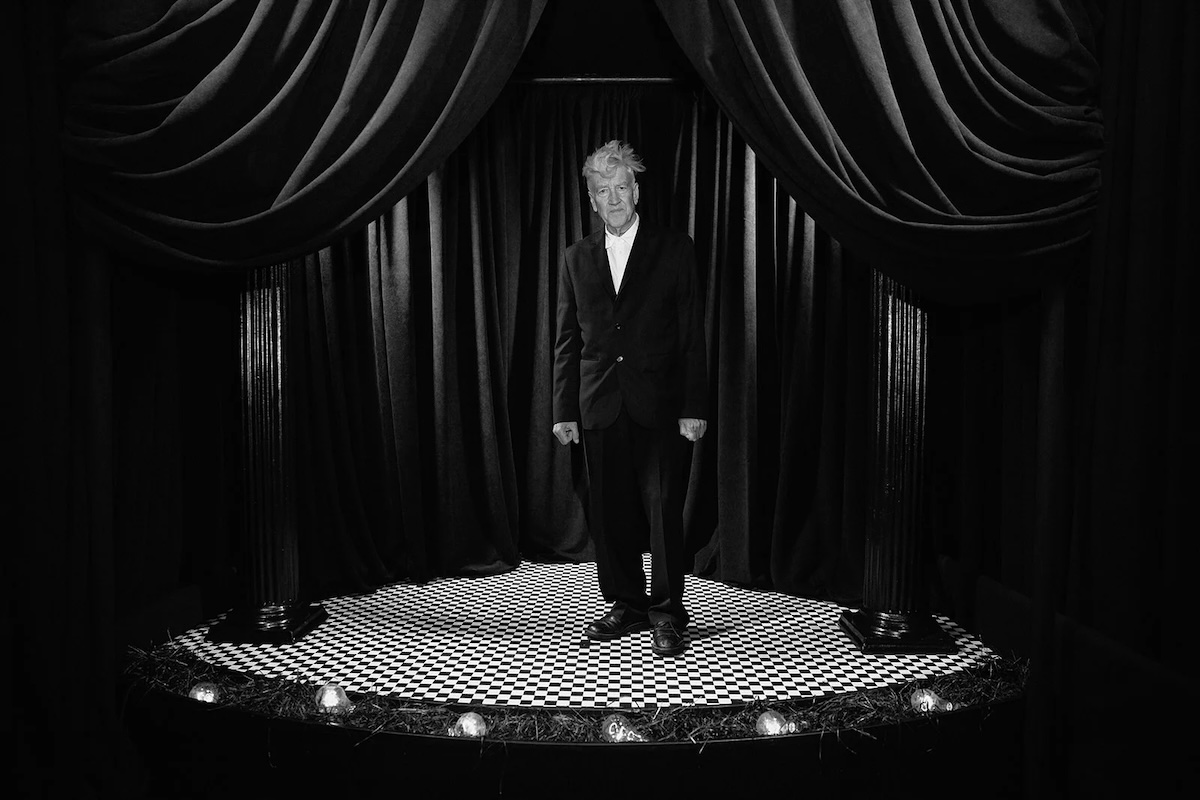
David is tuned in. Indeed, he is a man that lives in higher realms of consciousness and his work expresses what is distinctly, uniquely, and only him. It’s layered; it’s honest. In other words, it’s real life in its surreality. There’s darkness and within that there is always light.
Circling back to LIGHT, you describe the movie as “a horror story if you’ve never sat with yourself, a love story if you have, choose your adventure”. Can you elaborate?
Art is subjective. Each person’s experience guides their relationship with work.
Besides David Lynch, what artists and filmmakers do you look to for inspiration?
I look within.
What are you working on right now?
This interview.
As a final question, what does the future hold in store for you? Can you tease any upcoming projects?
The future is bright and full of light. Looking ahead, I will continue to develop my work as an auteur through films that reimagine genre and share new narratives. In addition, I’m launching Art of Me (AOM) in early 2026. It is a creative self-mastery course that integrates everything I’ve learned working with David Lynch and my own journey. Above all, the goal is to help others tune into their voice, vision, and consciousness, create without limits, deprogram limiting beliefs, and complete a first draft. In all of this, the world needs art more than ever. Let’s rise.
For more info about Nathaly Charria visit nathalycharria.com and @nathalynathalynathaly
For more info about LIGHT visit www.lightshortfilm.com
Interview Jacopo Nuvolari
Top image credit
Nathaly Charria Photo by Nicolas Torrens