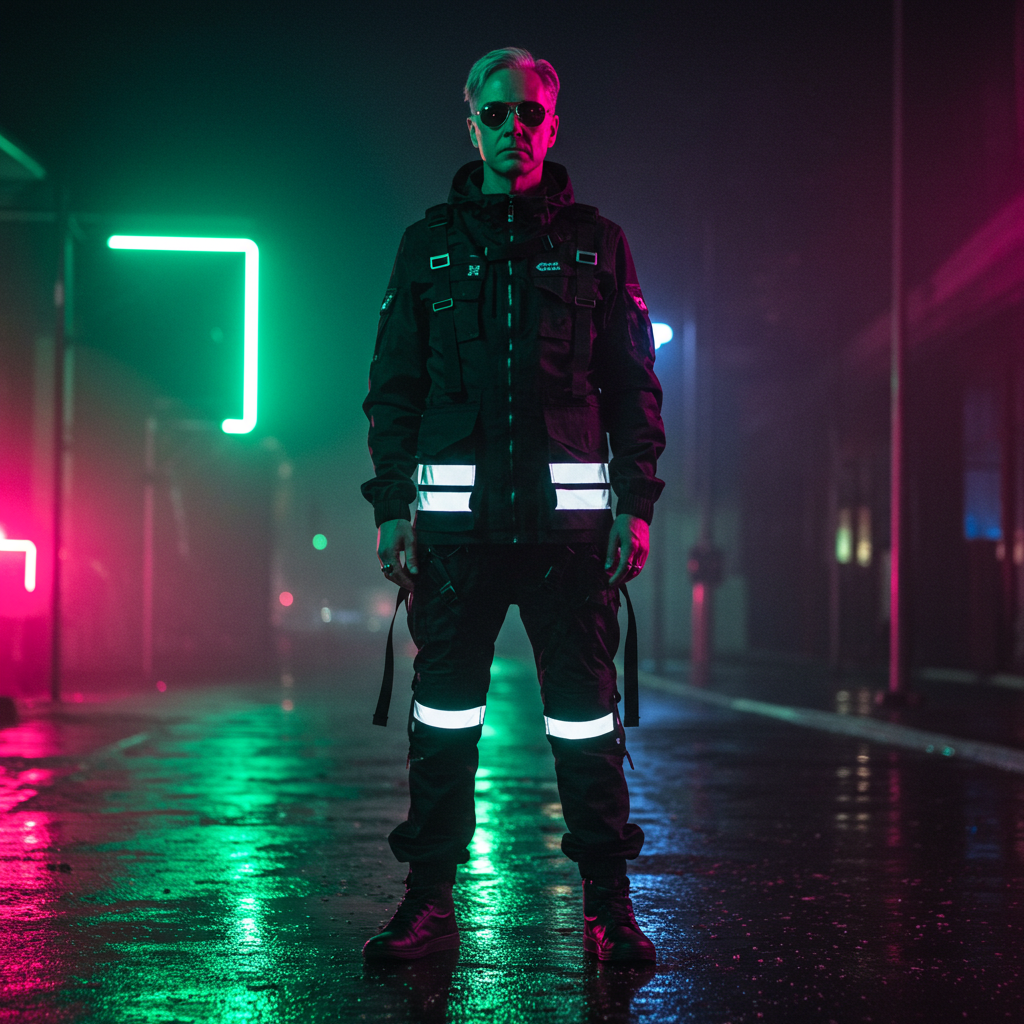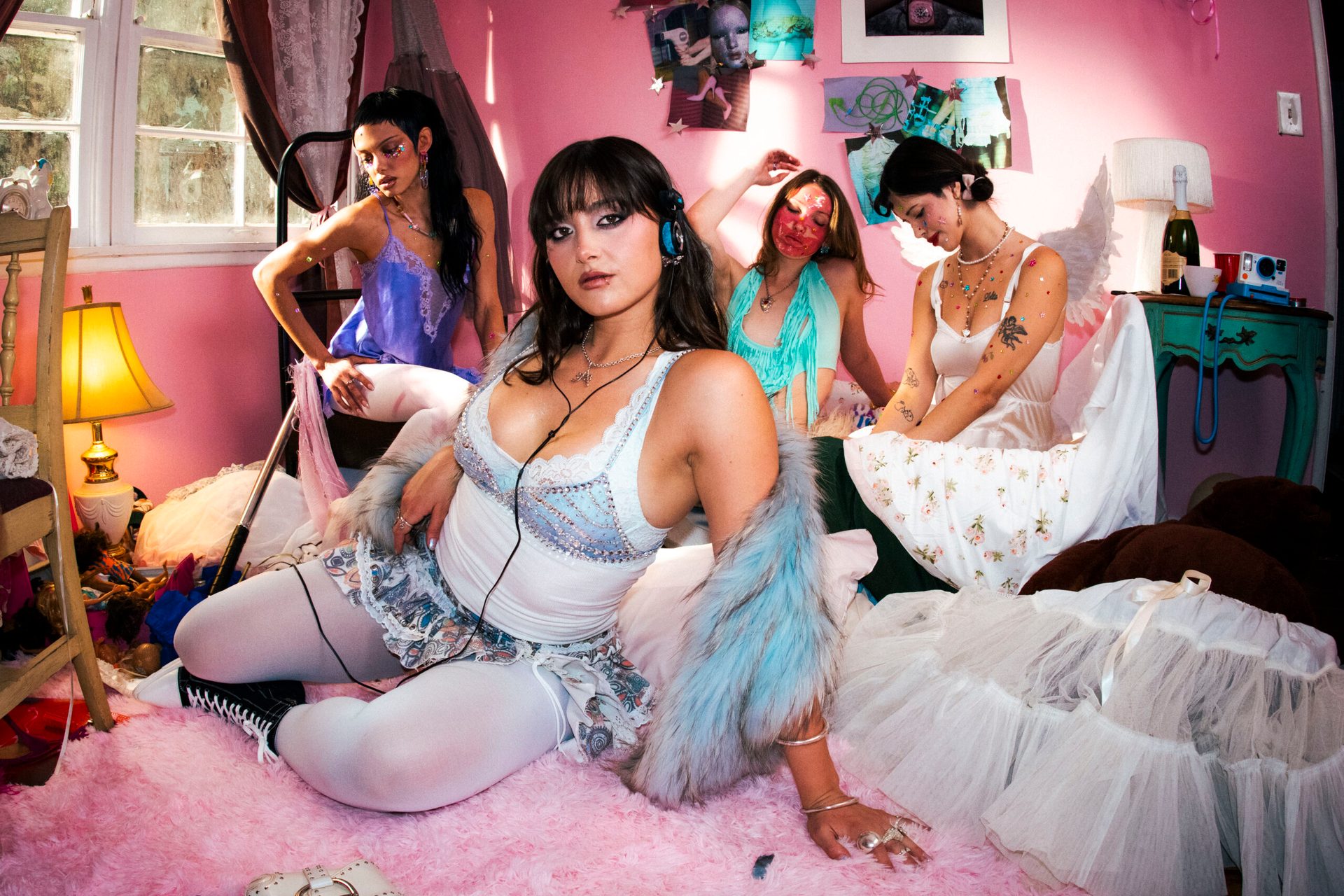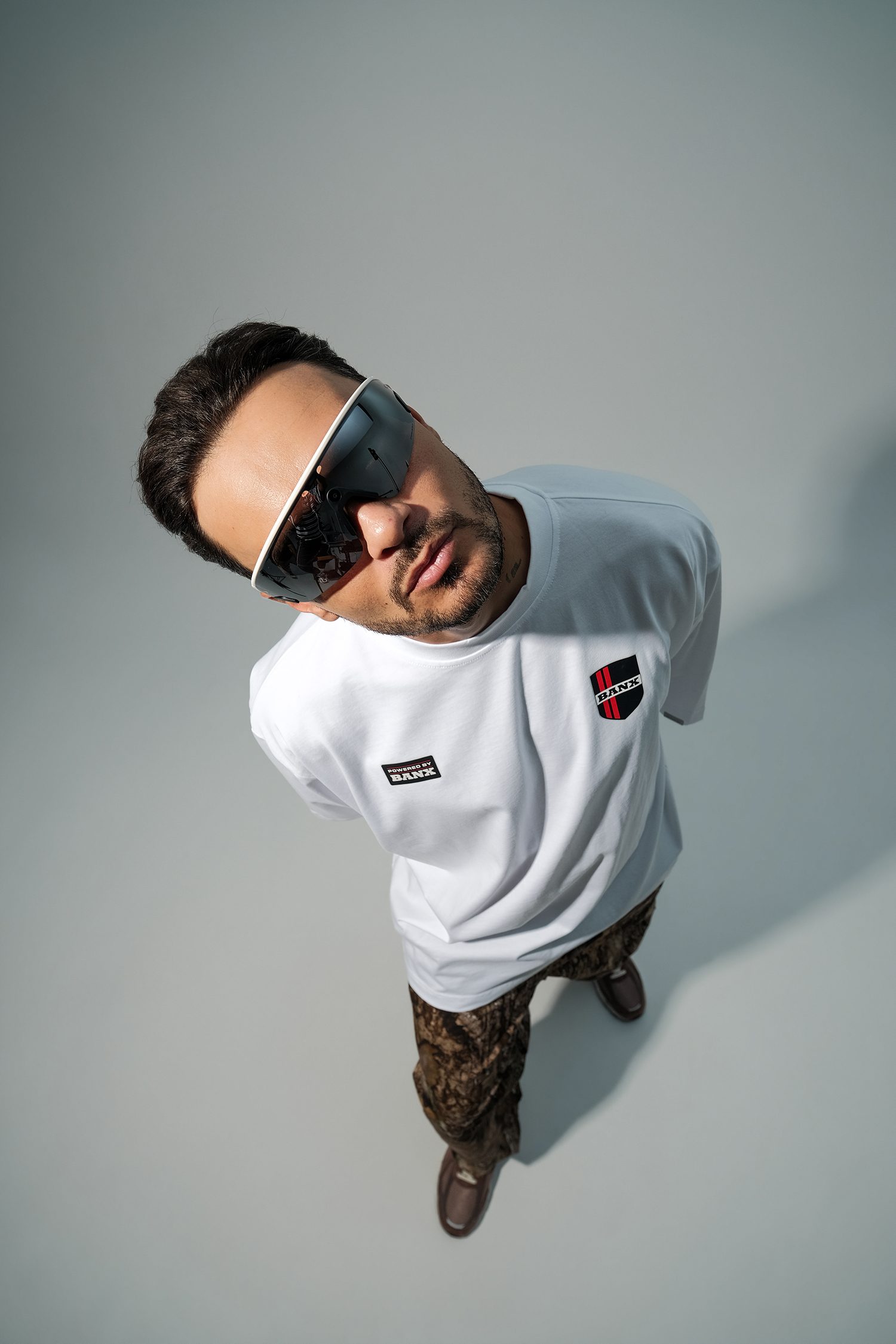
To understand how we arrived at this point, we have to look at the changing face of our cities. For decades, neon was the sole reserve of late-night commercial districts, illuminating the theatres of Soho or the bustling alleyways of East Asian metropolises. It was a utilitarian tool used to catch the eye of passersby in the dark. However, contemporary fashion has taken this urban signifier and completely turned it on its head. Streetwear is no longer just about casual comfort; it has evolved into a highly conceptual medium that draws heavily from the moody, rain-slicked aesthetic of the late-night city.
The Neon Renaissance: Darkness Meets Luminescence
This shift has brought about a genuine neon renaissance. Designers are moving away from the safe, neutral tones that dominated the previous decade, opting instead for high-contrast palettes that demand attention. Think of deep, matte blacks paired with searing shades of electric lime, radioactive pink, and ultra-saturated cobalt. Many of us have noticed this visual shift while walking down the high street or browsing editorial lookbooks online. It is a visual language that mimics the way artificial light behaves in the physical world, cutting through the gloom and reflecting off wet pavements.
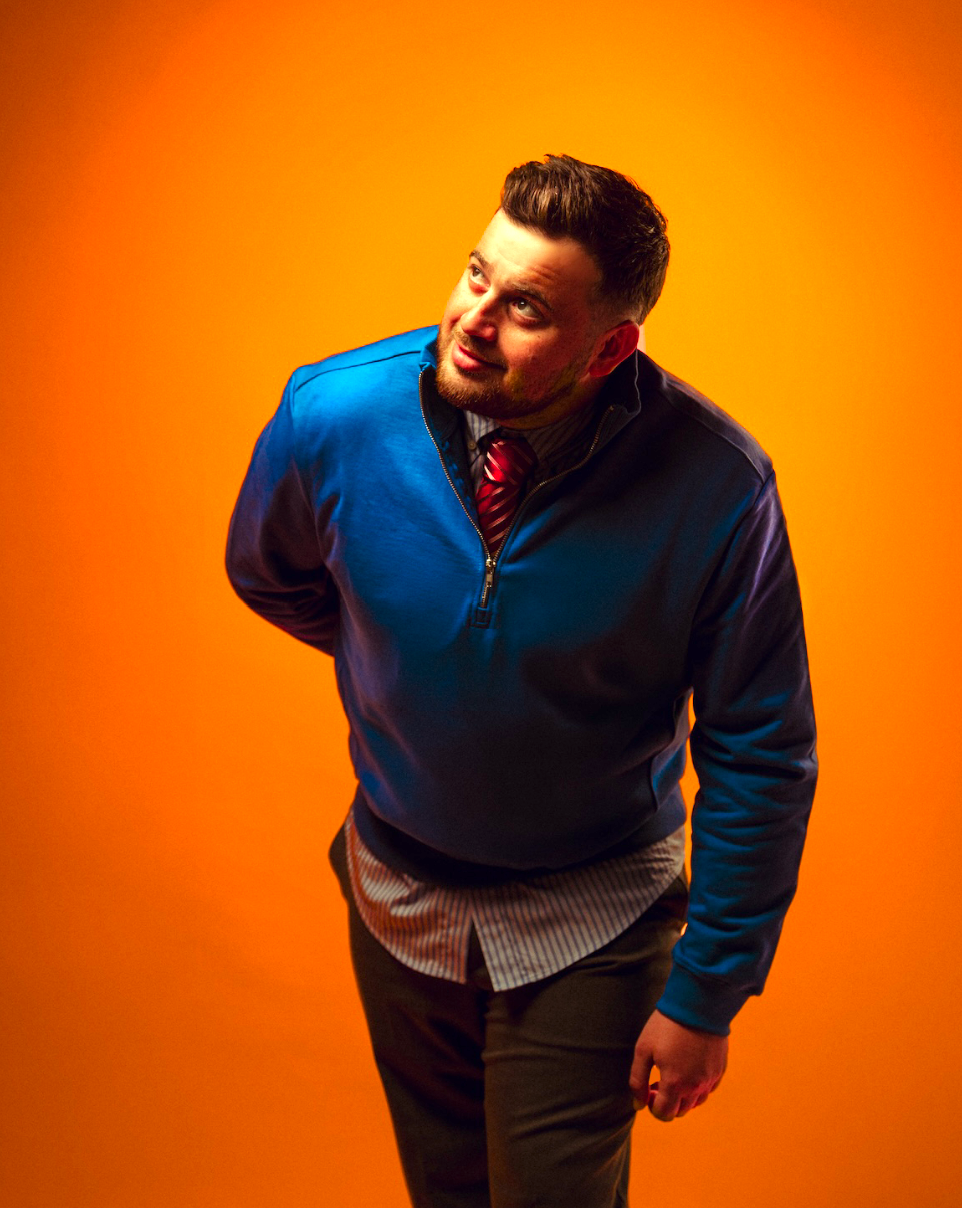
In editorial layouts and fashion campaigns, this look is achieved through the clever use of coloured lighting gels and high-contrast styling. Photographers are eschewing the soft, diffused look of natural golden hour light, choosing instead to flood their subjects with sharp, directional neon beams. This technique creates dramatic, deep shadows that emphasise the structure of technical garments, highlighting features like water-resistant zippers, utilitarian straps, and reflective stitching.
Moreover, the materials themselves are adapting. Many modern streetwear brands are incorporating UV-reactive dyes and retroreflective fabrics into their collections. A jacket that appears as a muted grey in the daylight suddenly shines with an intense, silver glow when caught by a camera flash or a passing car’s headlights. This dual-state design mirrors our own existence, where we move seamlessly between quiet, offline moments and highly visible digital environments. It is a style that is both protective and performative, offering a sense of urban armour while ensuring the wearer never fades into the background.
Real-Time Performance: The Shift to Active, Live-Hosted Media
This visual evolution is happening alongside a massive shift in how we engage with media. The days of quietly consuming heavily edited, pre-recorded content are fading. Creative audiences, particularly those with an eye for design and style, are increasingly drawn to active, live-hosted experiences. We crave the unscripted, the immediate, and the authentic. There is a unique appeal to knowing that what you are watching is happening in this exact second, completely live and unedited.
This transition from passive viewing to active participation has created a brand-new design philosophy. In the past, media was designed to be archival, polished to perfection before anyone ever saw it. Today, the most exciting creative outputs are designed for the moment. Live-streamed broadcasts, interactive creative sessions, and real-time community chats have built a visual culture that values spontaneity above all else.
This live energy has made a huge impact on physical fashion. Streetwear has become incredibly performative. Clothes are no longer just static items to be admired on a hanger; they are designed to move, react, and perform in real-time. We are seeing a massive rise in modular clothing, where sleeves can be zipped off, straps can be adjusted on the fly, and pockets can be repositioned depending on the needs of the moment. It is fashion built for a generation of creators who are constantly on the move, broadcasting their lives, and interacting with their communities in real-time.
This shift has also revolutionised the traditional fashion show. Many forward-thinking brands are abandoning the classic, stiff runway format. Instead, they are presenting their collections through interactive, multi-camera live streams. Viewers are invited backstage to see the chaotic preparation, watch the models interact with the camera, and sometimes even vote on which looks are presented next. By breaking down the barrier between the creator and the audience, fashion becomes a collaborative, living event. It is no longer just about selling clothes; it is about inviting the viewer to be part of a real-time cultural moment.
The High-Voltage Aesthetic: When Studio Design Meets the Catwalk
This intersection of live performance and high-concept design is particularly clear when we look at the evolution of digital art and set design. The aesthetic boundaries of live studio environments have expanded dramatically. Stage designers and digital artists are no longer content with simple, static backdrops. They are constructing immersive, high-voltage spaces that combine physical craftsmanship with dynamic digital technology.
In the visual analysis of digital-first set designs, it is fascinating to see how modern live-casino setups influence current runway aesthetics. Designers are moving away from cold, minimalist spaces and embracing rich, theatrical environments that merge heritage luxury with futuristic energy. A prime example of this high-voltage styling is the striking black-and-gold art deco studio of lightning roulette. This set masterfully blends the structured elegance of art deco geometry with sharp, electric visual effects, contrasting warm gold accents against deep, dark backdrops.
This specific combination of classic luxury and high-voltage energy is highly influential on the modern catwalk. Fashion brands are adopting this very palette, pairing tailored black garments with heavy gold chains and metallic hardware, then presenting them against backdrops of flashing strobe lights and glowing digital displays. It is a style that feels incredibly premium yet crackles with contemporary, electric energy.
The Aesthetic Micro-Break: Finding Design Inspiration in Unexpected Places
For many of us, navigating a busy creative lifestyle means finding small ways to recharge our batteries throughout the day. These brief pauses, or aesthetic micro-breaks, are a great way to step away from our work and appreciate high-quality design in unexpected formats. Experiencing the dramatic visual energy of playing lightning roulette on Rainbow Riches Casino is a perfect example of this kind of visual reset. The combination of the sleek art deco studio, the real-time interaction with the host, and the sudden, high-contrast visual shifts of the digital lighting provides an engaging, sensory change of pace.
Of course, when we seek out these moments of digital recreation, keeping things balanced is key. Enjoying the visual craftsmanship of modern live games is always best when approached mindfully. It is highly recommended to set clear time limits, keep your play strictly light-hearted, and ensure that your gaming remains a fun, occasional break from your main creative projects. Always play responsibly and keep the experience enjoyable.
A Bold Visual Future
The visual synergy between live-stream aesthetics and modern streetwear shows no signs of slowing down. By blending high-contrast neon lighting, real-time interactivity, and high-voltage studio designs, creators are carving out a bold, contemporary design language. Whether we are styling an outfit for the street or engaging with immersive digital media, this vibrant aesthetic continues to shape how we experience the world around us.