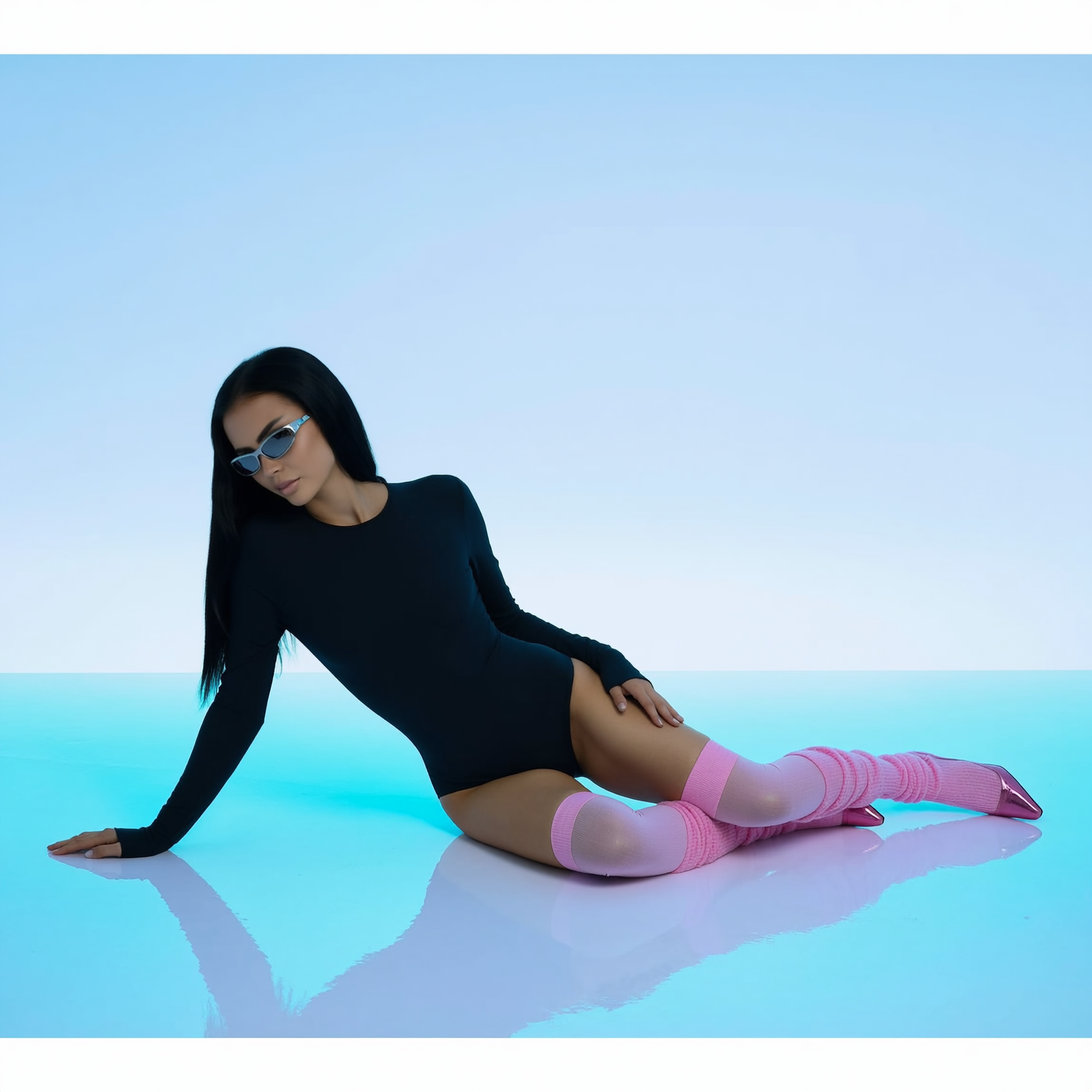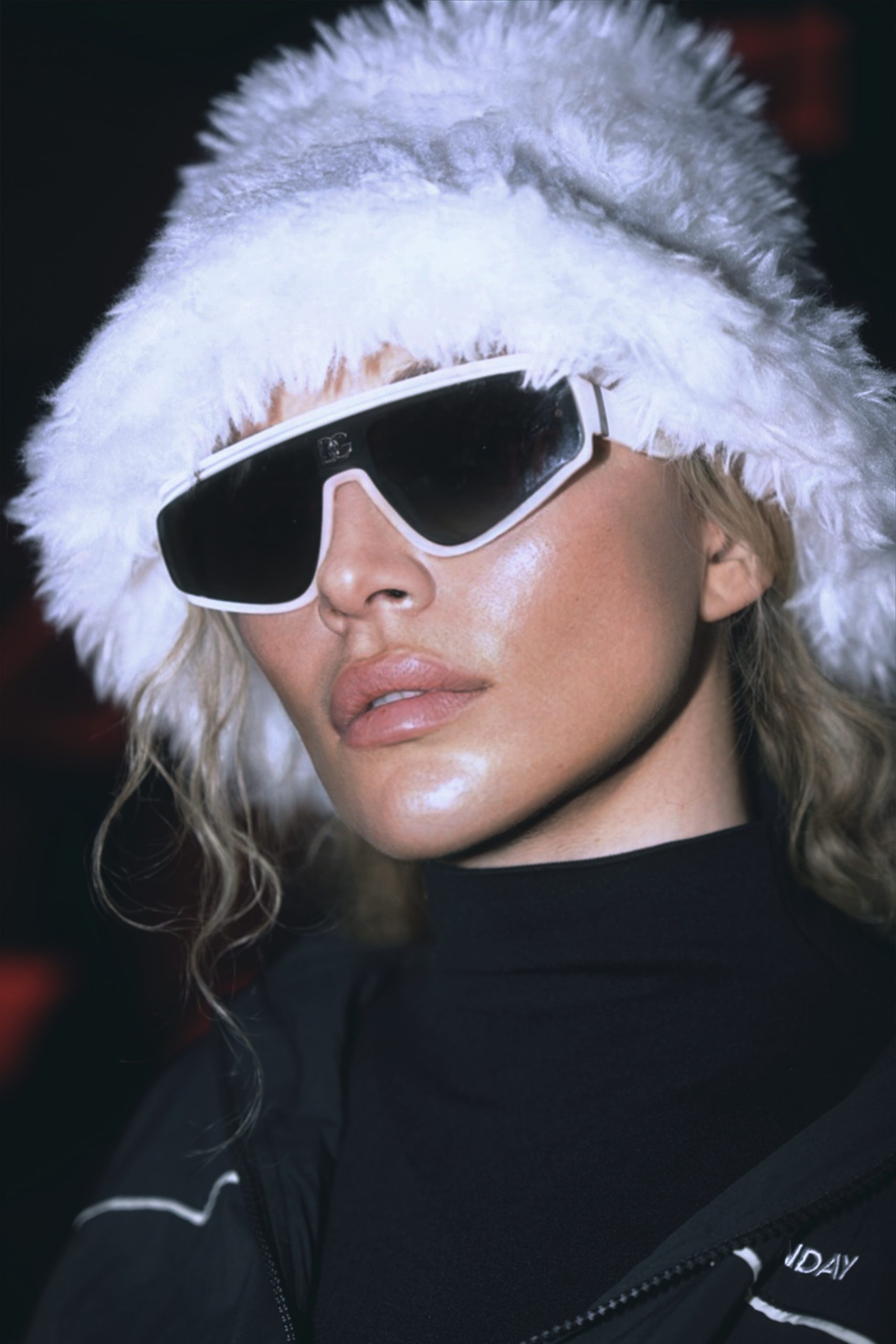
Nikka Lorak spent years directing films and shooting fashion before switching to electronic music. The skills transferred, how to pace a narrative, when tension needs to build, where to cut. She approaches DJ sets the way she used to approach scenes: with structure, emotional timing, and a clear sense of what needs to happen before the audience realizes it themselves.
That thinking was on display last month at IMS Dubai, where she spoke about how visual work shapes electronic music, then played the festival’s opening party and O Beach.
Her new single “Desire” drops this January, built around tension rather than release. It pulls from a messy personal experience she lost control over, that uncomfortable space where you know something isn’t good for you but you’re drawn to it anyway. We sat down to talk about moving from supporting the story to being the story, how constantly shifting between London, Dubai, and Mykonos feeds her sound, and what happens when you turn raw emotion into structure instead of trying to resolve it.
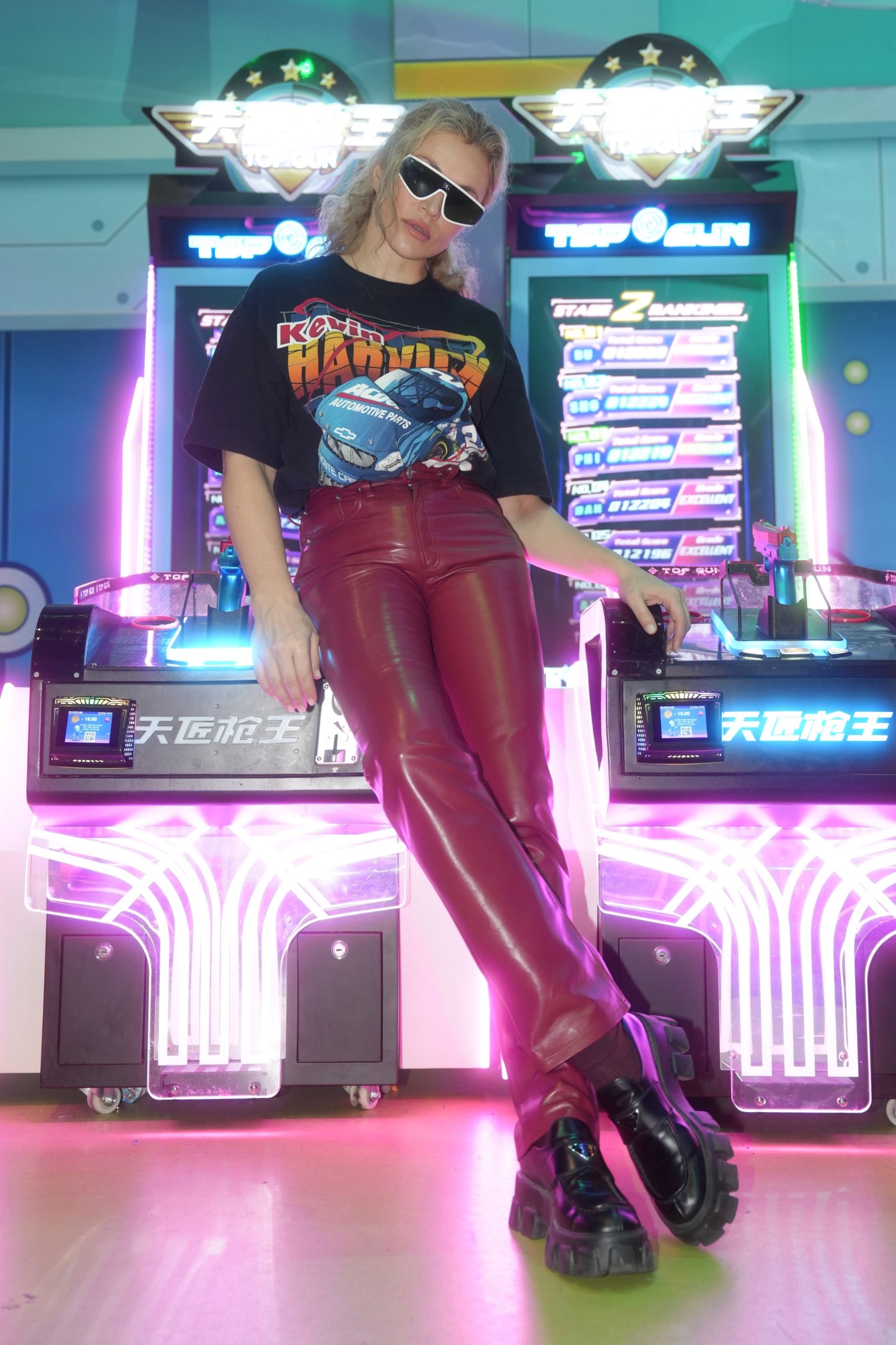
Hey Nikka, great to meet you 🙂 You have an incredibly multifaceted creative background, from film directing and producing to fashion and photography. How have these disciplines shaped your identity as a DJ and producer?
Hey pleasure is all mine. That’s correct I’m coming from a backround of film directing and later fashion photography.These disciplines trained me to think in structure, emotion, and intention. Film taught me narrative and pacing, how to build tension and when to release it. Fashion and photography taught me framing, texture, and restraint, how a single detail can change the perception of an entire image. When I DJ or produce, I’m not thinking in tracks. I’m thinking in scenes and transitions. That background gives me a very precise relationship with sound, when to build, when to hold back, and when to let silence speak. It also taught me discipline, which is essential for longevity.
What was the moment you decided to transition from visual storytelling into music? Was there a defining moment or project that sparked that leap?
It wasn’t a sudden leap. It was a gradual realisation over time. Music was always present in my visual work, often driving the emotional core of what I was creating. I had consistently worked with composers for the film soundtrack. Eventually I noticed that sound was what stayed with me the longest after a project ended. There came a point where I realised I didn’t want to support the story anymore. I wanted to be the story. That’s when music stopped being a tool and became the focus, and I allowed myself to fully commit to it. Another reason for me to become a DJ is energy I love to generate and project during my performance. Looking up to rockstars of 90’s I aspire to be called a true entertainer.
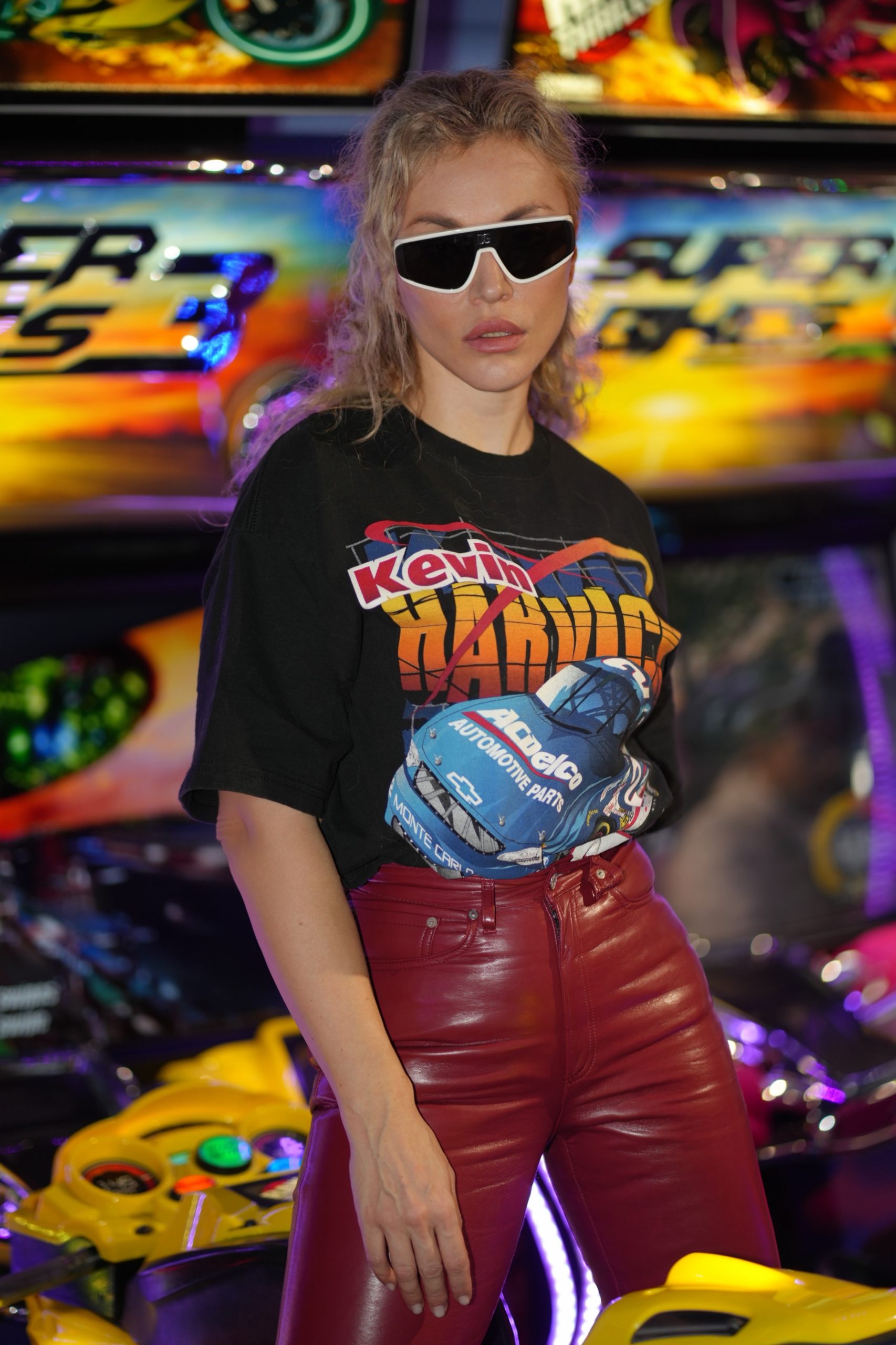
Your work crosses continents, from London to Dubai and Mykonos. How does travel and cultural exchange influence your creative process?
Travel inspires me, keeps my perspective sharp and prevents creative stagnation. London gives me discipline and critical thinking. Dubai gives me scale, ambition, and a future-facing mindset. Mykonos gives me instinct, rhythm, and freedom. Moving between these places constantly resets my creative compass. I absorb energy, atmospheres, and human behaviour rather than trends. That constant shift feeds directly into how I build sound, pacing, and identity, and it keeps my work emotionally flexible.
How do your experiences behind the camera inform your approach to composition and performance in DJ sets?
I approach every set like a director approaches a scene. I think about timing, light, emotional temperature, and how long a moment should last. I’m very conscious of how energy moves through a room and how the audience responds physically and emotionally. Performance, for me, is about control, not dominance, but guidance. I want the audience to feel led, not pushed, and that mindset comes directly from working behind the camera.
Your sets have been described as cinematic and emotional, blending melodic, techno, and thick bass. How do you balance these elements?
Melody gives meaning and emotional memory, often it is a nostalgy for something one knows from the past. Rhythm gives movement and grounding. Bass gives power and physicality. I don’t blend genres for variety or effect. I blend them to create emotional depth and dynamic tension. Everything exists to serve the narrative of the set where my highest expectation is an emotional release
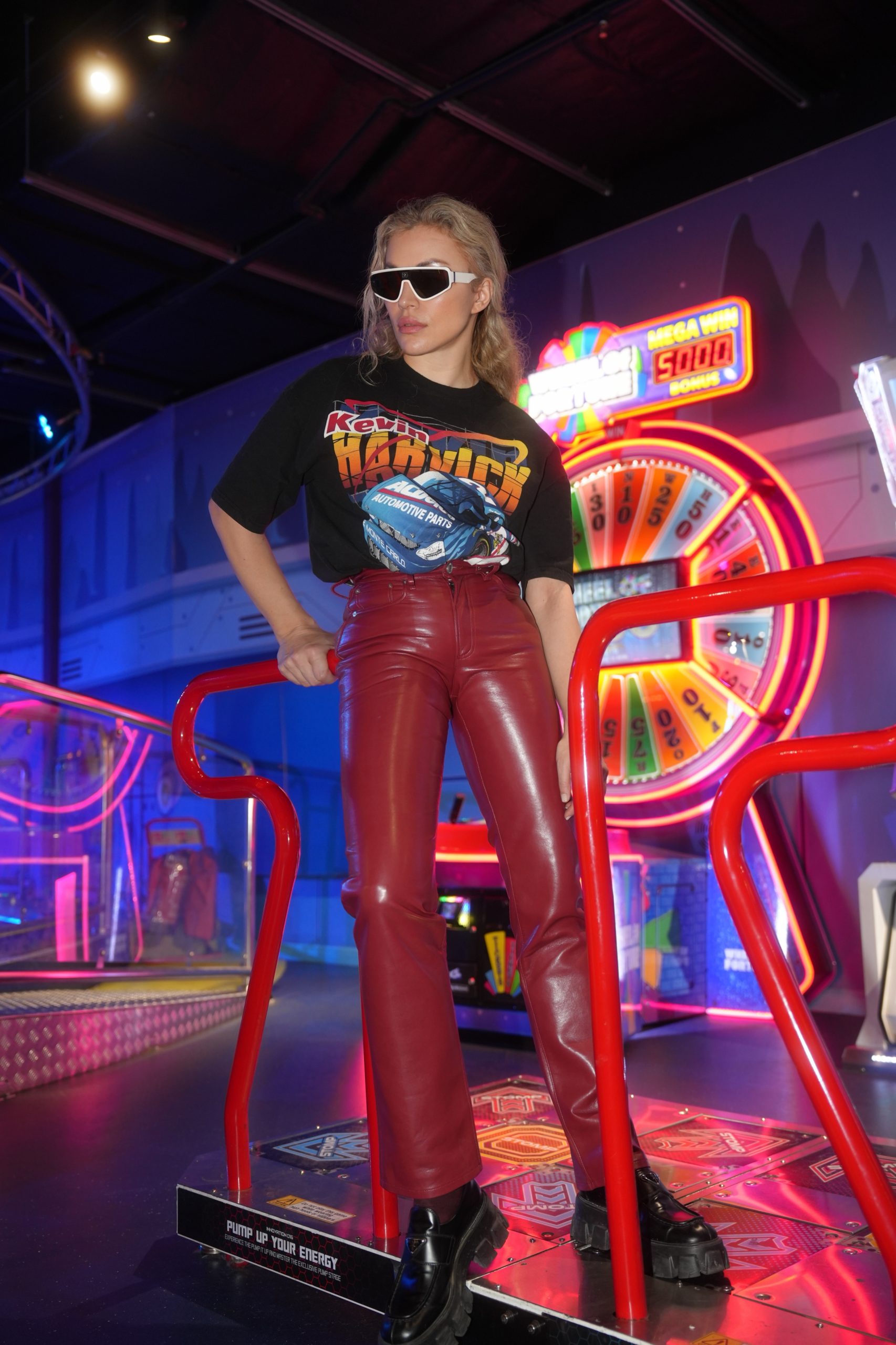
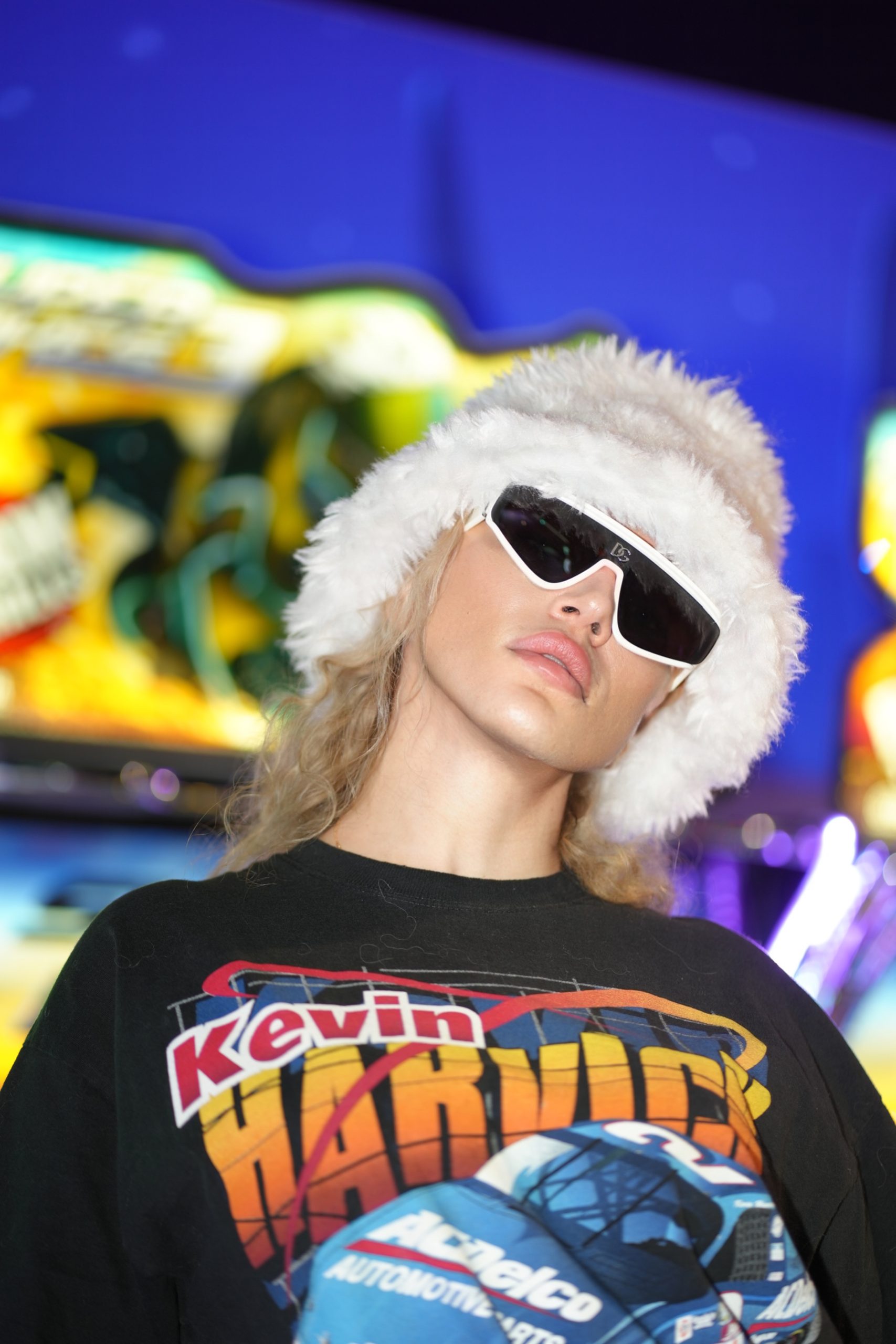
What’s the story behind the title of your SoundCloud show “Between Flights”?
It reflects how I live and create, in transit. Between places. Between identities. Between chapters of life and career. Literally between flights. The show exists in that in-between space where things are not fixed yet. It’s a space for experimentation, reflection, and emotional honesty. I see it as an extension of my inner world rather than a performance. It’s where I translate experiences, movement, and states of mind into sound.
When you’re preparing a set, what comes first for you, the narrative or the sound?
The narrative always comes first. I need to know what I want to express emotionally before I choose the sounds to express it. Sound is the language I use to communicate that intention. Once the narrative is clear, track selection and structure become intuitive. Without a narrative, even technically perfect sets feel empty to me.
Your new single “Desire” is coming out in January 2026. Can you share the personal inspiration behind the track?
“Desire” came from a very charged personal experience, one that forced clarity and honesty. It’s about wanting something that isn’t healthy, and being aware of it while still feeling pulled toward it. I didn’t want to romanticise that feeling or resolve it neatly. The track sits in tension. It reflects that dark and doomed space where emotion and logic don’t align, and you have to face yourself. An addiction can be emotional but it does not make it any easier. It still brings along lots of pain and temptation, delusional hopes and disappointment once one trapped in its vicious circle.
The description mentions it being inspired by a toxic personal experience. How did channeling that emotional content into music help you as an artist?
It turned emotion into structure. Instead of processing it inwardly or emotionally, I translated it into form, rhythm, and sound design. That process gave me distance and control. It allowed me to observe the experience rather than relive it. As an artist, that shift is powerful because it transforms vulnerability into clarity and direction.
Did writing “Desire” push you to explore new production techniques or sounds?
Yes. I focused much more on restraint and tension than on obvious melodic payoff. I explored darker textures, subtle modulation, and slower emotional development. I was less interested in immediate release and more interested in atmosphere and psychological weight. Compared to my earlier work, this track is more precise, more minimal, and more intentional.
Did writing “Desire” push you to explore new production techniques or sounds?
Yes. The track pushed me toward a more restrained, tension-driven approach. It was also shaped by a close collaboration with vocalist Victoria Newman, who brought her own emotional perspective to the song. Her experience with themes of codependency added depth and vulnerability, so I built the production around her voice rather than placing it on top. That shift led me to explore darker textures, more space, and emotional structure in a collaboration with the vocalist.
What do you hope listeners feel or take away when they hear “Desire” for the first time?
Dark and demonic attraction. Desperation. The opposite of comfort. Recognition of their own pain and hopes they lived through. I want listeners to feel seen rather than soothed. If the track creates a moment of self-awareness or emotional honesty, then it has done its job.
Your photography and DJ persona are both strong parts of your brand. How do you balance visual art with musical identity?
Music always leads. Visuals exist to support and extend the emotional language of the sound, never to replace it. I’m careful not to let aesthetics overpower meaning. The visual world should deepen the listening experience, not distract from it. When sound and image align, the identity becomes cohesive and believable.
When you shoot your own promotional imagery or visuals for music projects, do you conceptualize them differently than your personal or fashion photography?
Not really. Each of the projects is about storytelling. Think atmosphere, psychology, and internal states. When I shoot for music, I think about mood, movement, and emotional resonance. The goal is to translate sound into image. Although these are two different disciplines, both sound and image can tell the story and for both the goal is emotional response.
Who are the mentors, artists, or creatives that have most impacted your artistic development, in both music and visual arts?
As a film director and the storyteller, I was looking up to Darren Aronofsky and his “Requiem for a dream” movie, admiring how raw and honest are the emotions and how amazingly music works as a part of a narrative. As a fashion photographer, I admire Steven Meisel for perfect precision and ultimate elegance as well as Mario Testino who has started as a priority photographer for his model Friends and ended up shooting high fashion campaigns in the same, spontaneous and dynamic style. I knew, I will become a DJ after attending a concert of Black Coffee. It was a three hours performance during which I was crying nonstop. I felt I had been taking on the journey to the outer space. Such a powerful and unforgettable feeling. Later, I discovered MRAK, Stephen Bodzin, Adam Beyer and Chemical Brothers. And I had been stunned time and time again.
With such a multidisciplinary practice, how do you define success for yourself as an artist?
Success for me is consistency of identity over time as well as a challenge of self-reinvention. Being able to evolve without dilution, and to grow without losing clarity. In the same time, space for experiments is essential for constant growth. Additionally I’m a materialistic person who believes that everything that does not pay the bills is a hobby not a career.
What’s next after “Desire”, both musically and creatively, in 2026 and beyond?
3 more releases are already scheduled and it should deepen this sonic direction and refine my language as a producer. Expansion of Between Flights as a conceptual platform. I’m also developing projects that merge sound, space, and visual narrative, including immersive formats. My focus is on building something lasting and coherent, I thrive in collaborations and I’m looking forward to work with many talented artists in 2026.
Follow via @nikkalorak