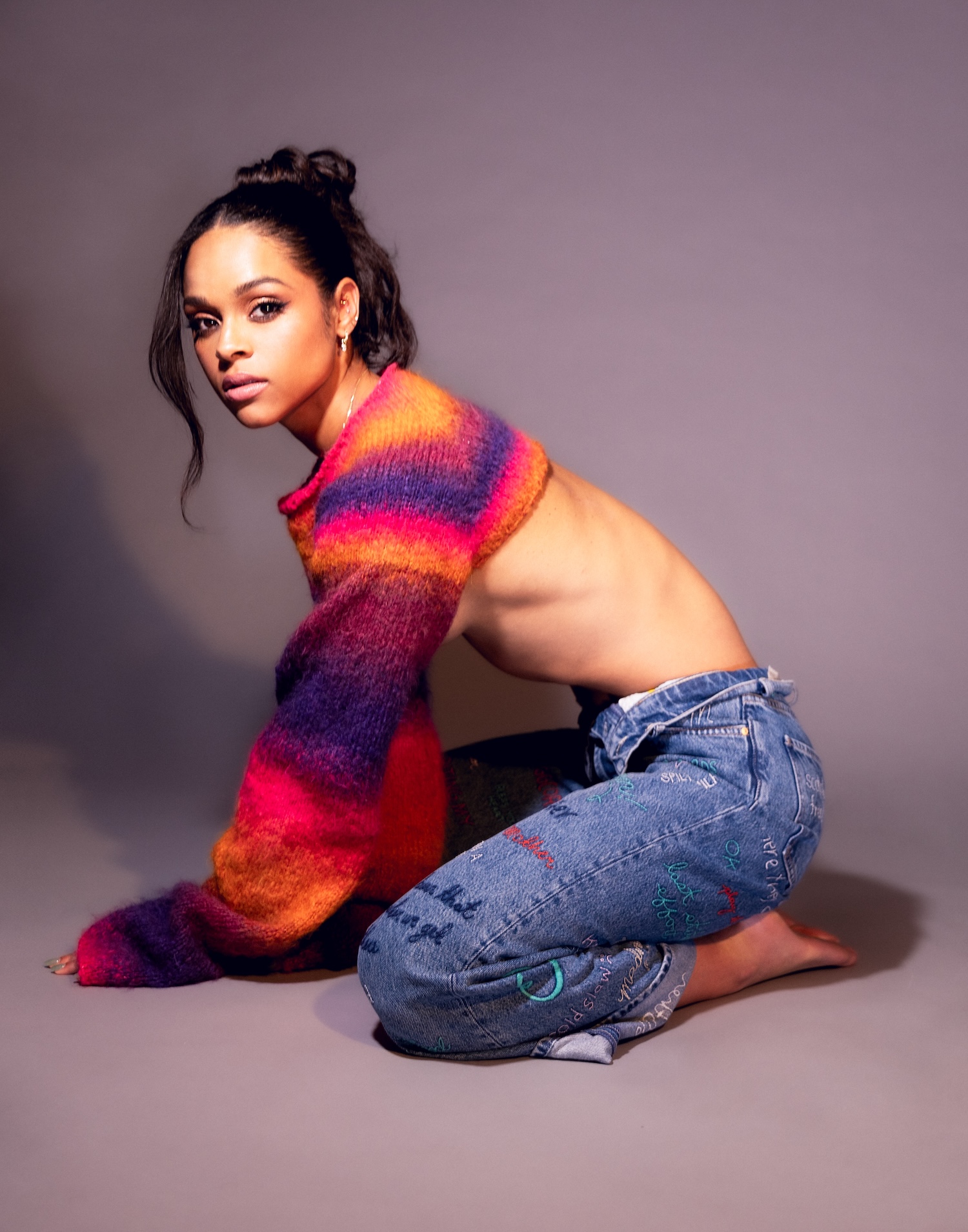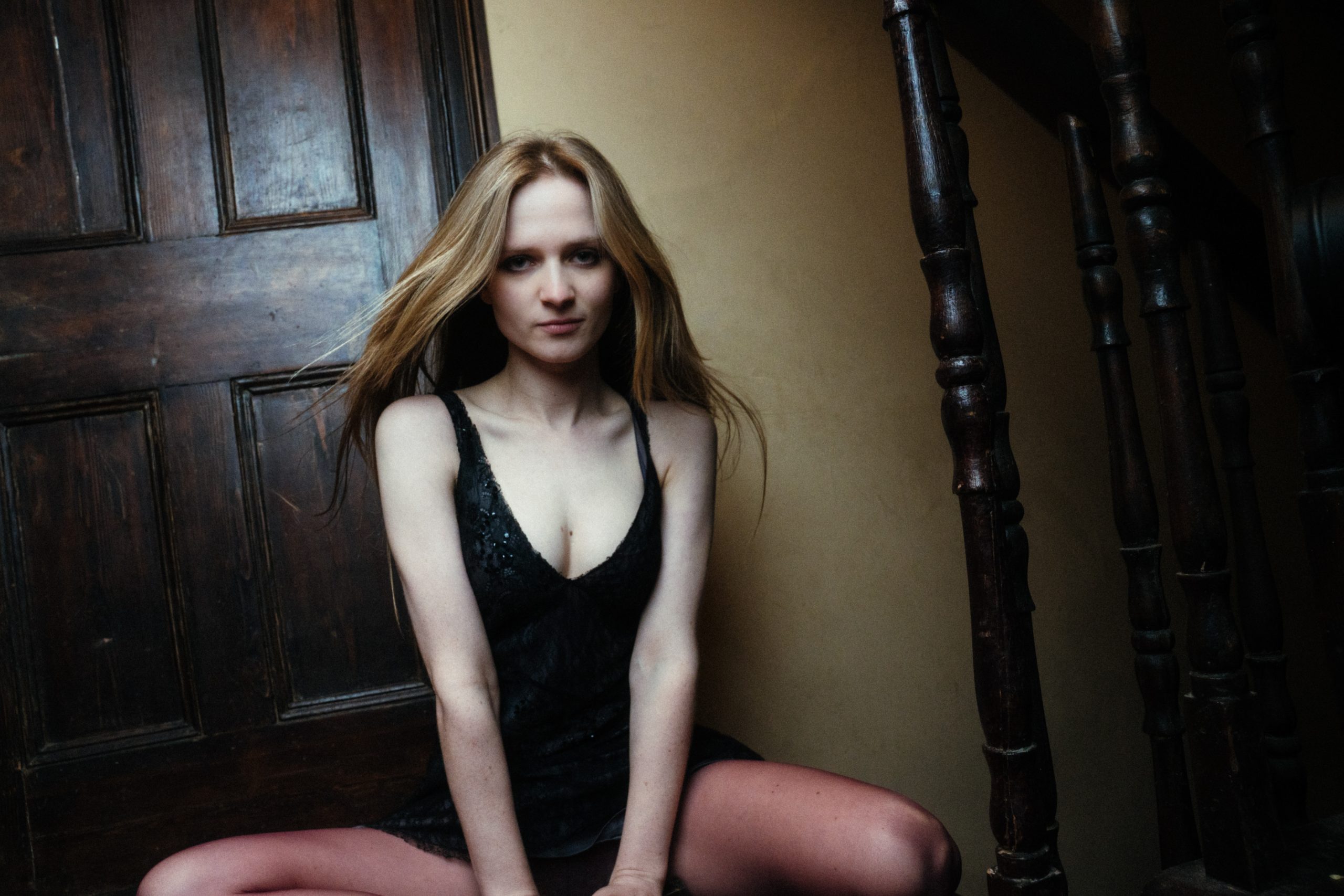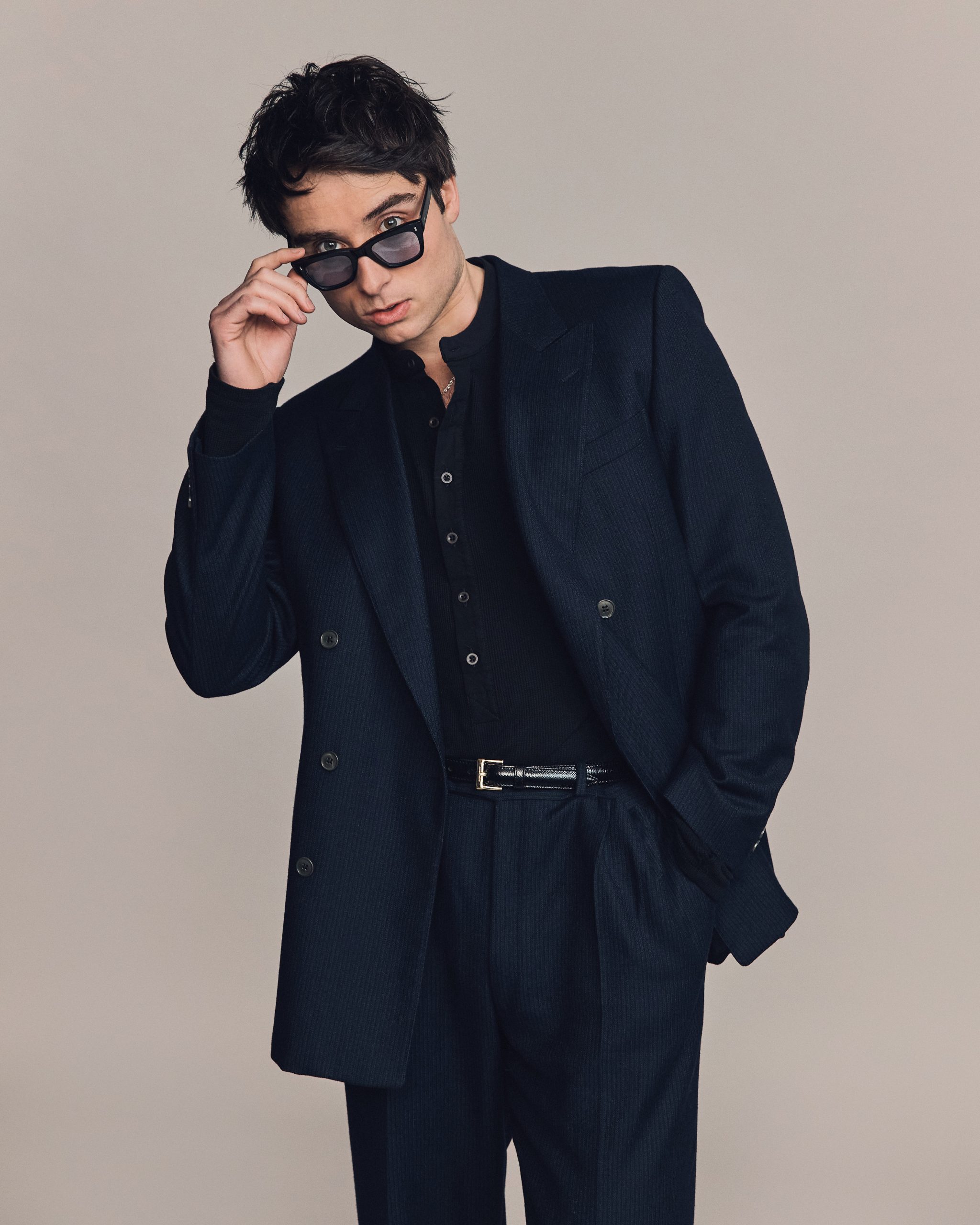
“Footman John exists in both worlds,” Oli Higginson says, “Upstairs and downstairs. He sees everything.” It’s a fitting description—not just of the character he plays in Bridgerton, but of Higginson himself. Since first appearing in the series’ early seasons, Footman John has grown from a background presence into a quiet constant; someone who moves between the paces, absorbs details, and understands far more than he reveals. In season four, audiences get see him more clearly, catching glimpses of the man beneath the livery and the inner life that has long existed just out of frame.
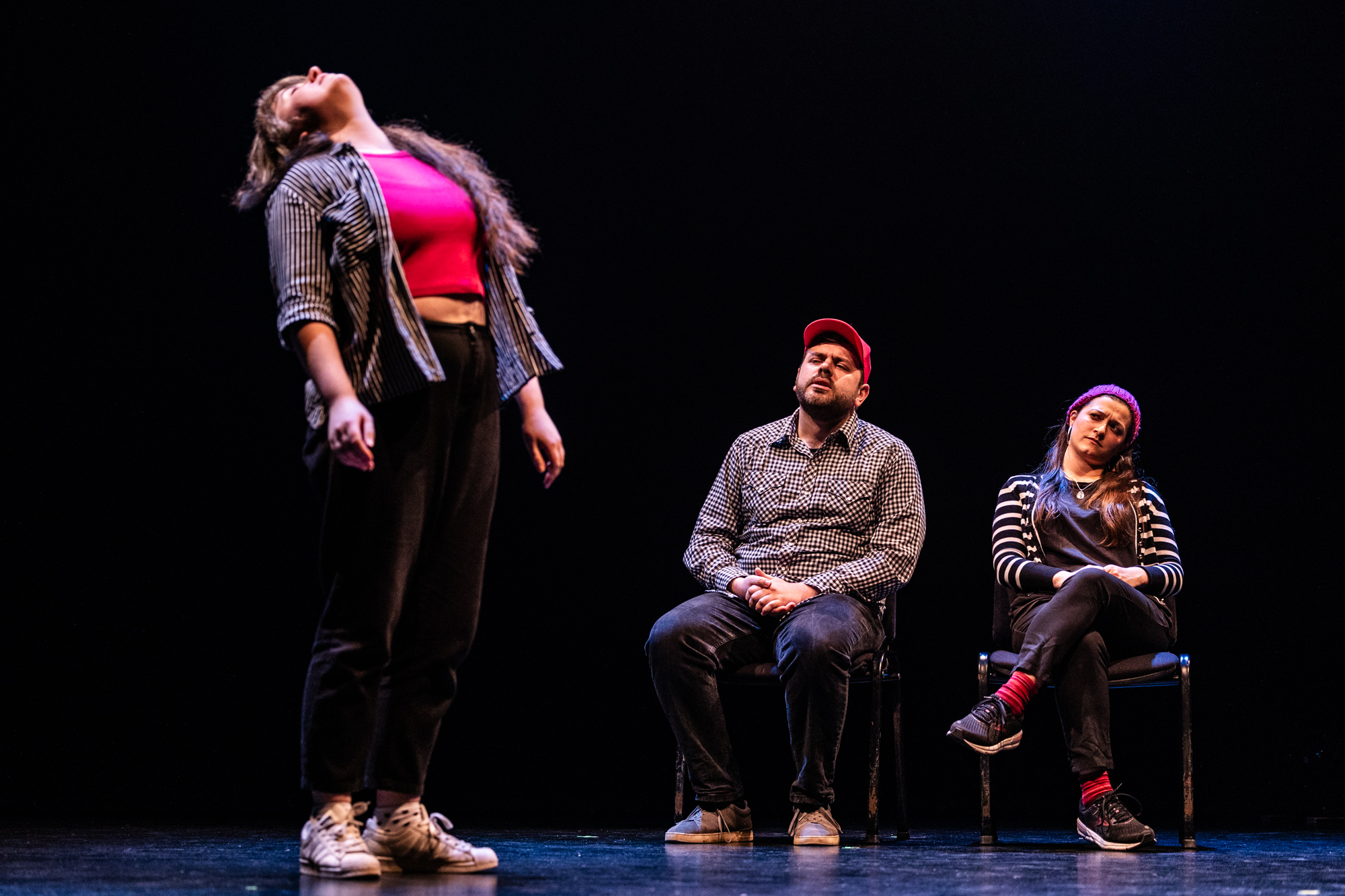
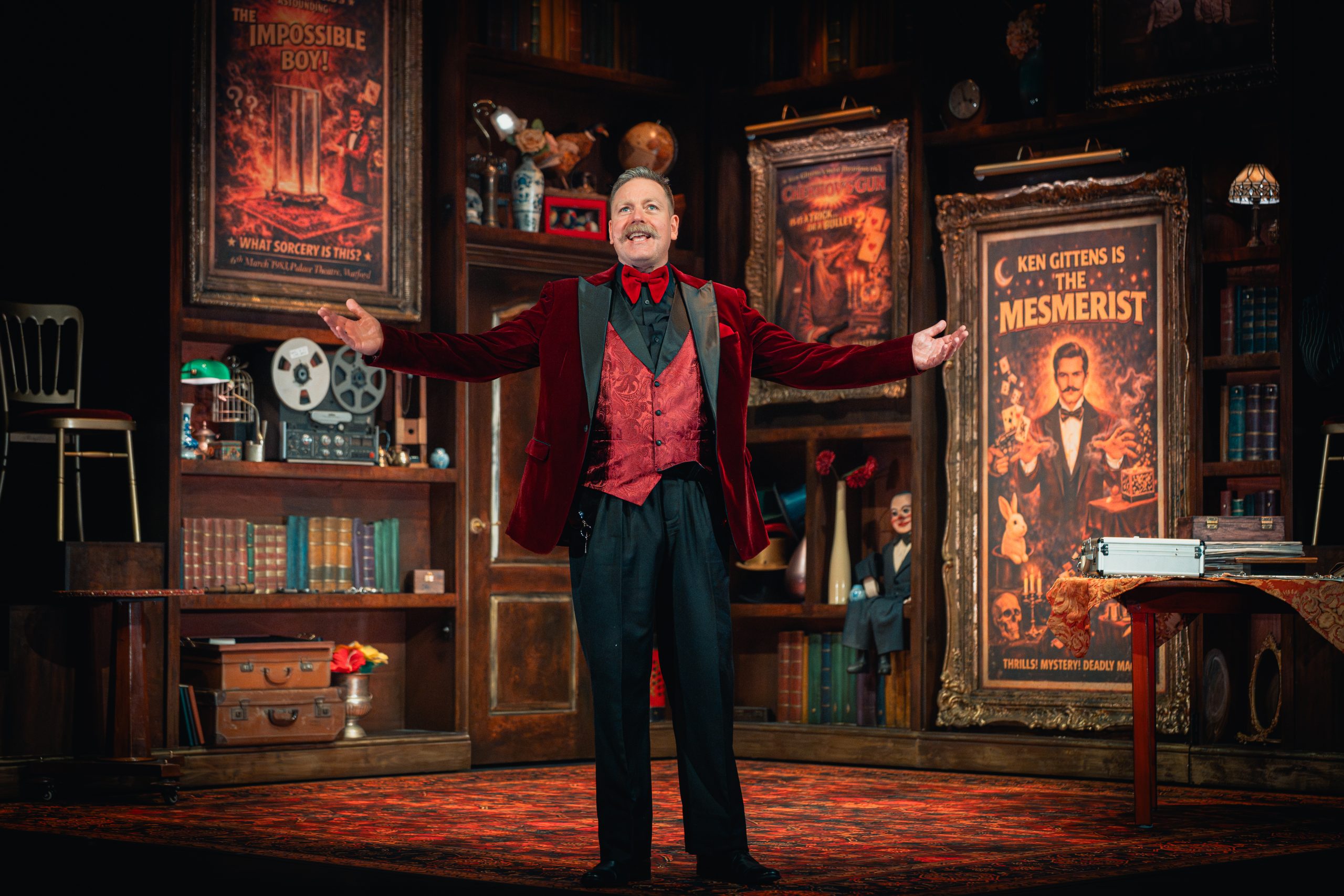
That sense of duality continues to run through Higginson’s wider career. Trained in theatre, he has built a strong foundation on stage with roles in productions including, The Last Five Years, Othello, and Measure for Measure. He now returns to the stage at the Almeida Theatre as Timothy Price in the upcoming American Pyscho, a role that Higginson tells me he’s ‘approaching as someone audiences could easily recognize today walking down the street rather than a period piece.’
Alongside his acting work, he is also stepping into music under the moniker, Modern Oli. His debut single, ‘One of Those Faces,’ marks a shift toward something more personal and emotionally exposed. Higginson describes the project as one that allowed him to speak directly in his own voice; and is drawn from vulnerability, self-doubt, and the tension that comes with pursuing a creative life.
Whether moving between stage and screen, or acting and music, Higginson continues to carve out how he wants to exist as an artiste—refusing to be boxed in a single lane.
In conversation with 1883 Magazine, he reflects on Bridgerton, balancing theatre and television, and why music has become an essential extension of his creative voice at this point in his life.
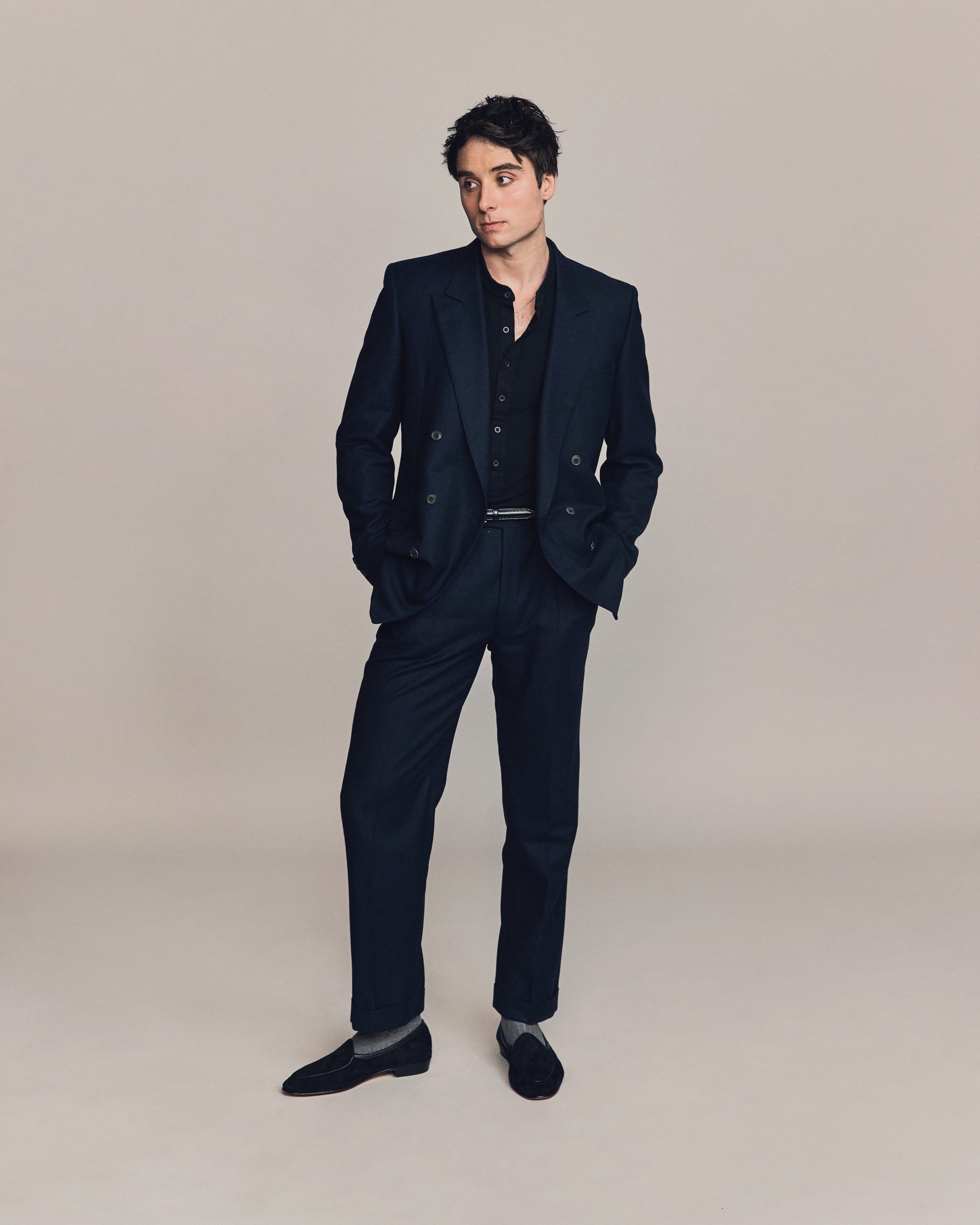
Hi Oli, thank you for speaking with I883 magazine. It’s a big year for you, with Bridgerton Season Four, American Psycho at the Almeida, and new music on the way—congratulations.
Thank you!
Returning as Footman John, how did you approach keeping the role fresh as his world continues to expand?
I’m first and foremost surrounded by amazing creatives and actors. Each season brings new guest stars and people who come in every season who, to bring a new flavour and a new sense of adventure to the season and the scenes we’re doing. So it always feels fresh and exciting. I also have really enjoyed delving into the world of Regency era footmen. I was reading this fantastic memoir by John MacDonald, who’s a Scottish footman in that era, and reading about him and the adventures he went on. It’s a really long, detailed memoir of his time. Because of that, I’ve never really found it difficult to bring truth and detail to Footman John’s world, because the reality is he’s the kind of man who did live a pretty adventurous lifestyle, and I just want to bring a flavor of that to the screen.
We’re introduced to you very early in Season Four, including that opening scene with Lady Bridgerton. How does it feel being more visible this time around?
There was always a sense of mystery around Footman John in earlier seasons. We didn’t really know anything about him, but he clearly was heavily involved behind the scenes with everything that was going on. There’s a little bit of a pressure on this season to bring what the fans want to see more of. What’s interesting with Bridgerton is how fan-driven it is, particularly when it comes to Footman John’s growth. For me, it’s about honoring what the fans want, what I want, and what the writers have created. When those three things align, it becomes a collaborative force, and that’s when it really works.
This season we see more of Footman John “off duty,” and he’s always felt like a grounding and connective-tissue character, representing the ‘downstairs’ world in a show that’s primarily dominated by aristocracy or the ton. Did that deepen how you thought about his inner life?
I felt very fortunate working with people like Luke Thompson; we wanted the world to feel rich and for Footman John to feel like an integral part of the family. He probably knows each of the individual Bridgerton’s better than they know each other in certain ways. He’s privy to all the ups and downs that they go through in their personal and professional life. He’s a confidant, an all-knowing presence who holds his cards close to his chest, but is kind of a supporter in the background, and if needed, could step in, when a Bridgerton needed some support and help from a friend. We also see him let his hair down a bit, literally. This season, we see him without his wig for the first time, which felt symbolic. Working in the Bridgerton household is demanding, but he finds the fun in it, he’s loving and full of life. He gets to play games, flirt, have romantic encounters and exist in both the upstairs and downstairs, and it was exciting to lean fully into that duality.
Amazing. Bridgerton is a period drama which has this incredible blend of big social set pieces and quieter human moments sometimes. What’s your strategy as an actor for staying grounded in scenes that might otherwise feel more atmospheric than narrative driven?
Wow. That’s a really good question. That’s one of the challenges of screen acting compared to stage acting. You’re working with less text, and often its doing less heavy lifting, as the storytelling comes more through the shot, visuals and a collaborative narrative with the director and DOP. Trusting the vision of whoever’s directing the scene, whether that’s Tom Verica. Breathing is the most fundamental human instinct, yet it’s the first thing that goes the moment you’re put on camera, you just stop breathing. Sometimes the shot is as simple as delivering a letter, and you’ve got to hold the kind of simplicity of the action, but also make sure that you’re not just robotic. There’s a reason why you’re there. You have to have an attitude and a feeling towards what you’re doing. For me it comes down to not overthinking, being fearless, and trusting instinct, which suits Footman John quite well.
As opposed to just standing somewhere in a corner, for a gossip session with Mrs. Wilson, and being in that sort of energy all together.
Yeah. There’s also a sweet spot between not pulling focus in those moments and recognizing their place within the narrative of the season and the series, whilst also making sure that you’re embodying them to the fullest, richest, most technicolor version of themselves. It’s a little dance between those two sides of the coin.
There’s quite a lot of fun parts as well this season, what’s a moment from filming Season Four that really stayed with you?
Walking onto the downstairs kitchen set the very first time. We were filming the opening scene of the season pretty much in the kitchen where I have this line, “Our Princess Hyacinth has risen.” And we have all the little bells on the wall that ring when one of the Bridgerton’s need our help, and I just remember seeing this kind of incredibly detailed set. We had live fire, and all these kind of cakes and pastries. And I go to pick up one of them, convinced that it’s fake, and realizing that everything on the table is edible and real. From meats and cheeses, it was all steaming. So I kind of remember like just going through the day with all of us being like, well, I’m going to eat that at the end of the day. It made the world feel alive in a way that’s quite rare because most of the time everything feels a bit artificial.
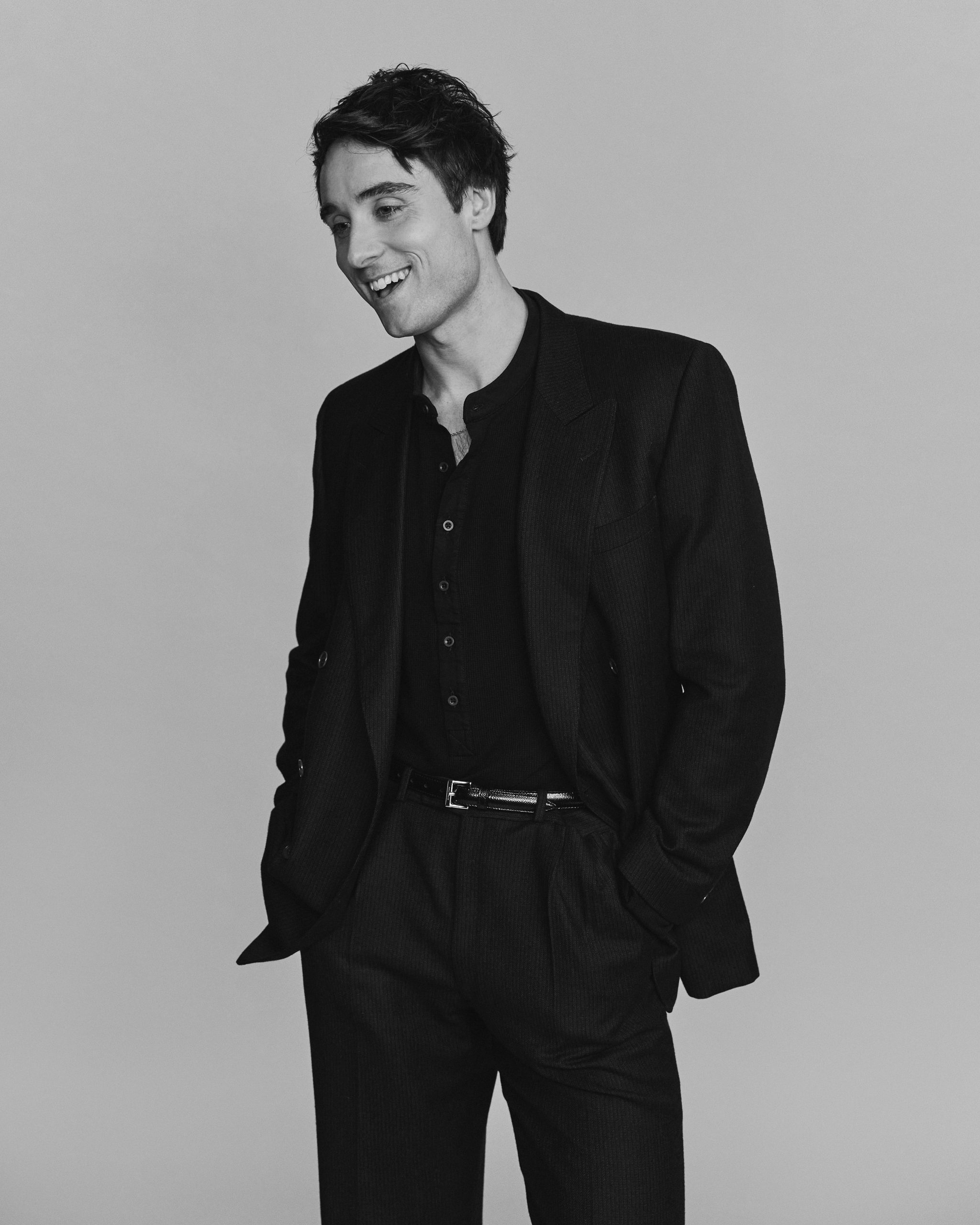
You’ve done both classic theatre work and television. Is there something theatrical that you’ve discovered you bring into your screen acting that others might overlook?
To be honest, screen acting is an art form I’m still discovering and exploring. In that sense, there is a sort of curiosity and newness to being on screen that I find very exciting, and it feels to being on stage. I suppose the key thing with it is that it’s sometimes hard to forget when you’re on a busy set and the cameras right in your face is that there’s another person in the scene. I think theatre is so collaboratively oriented between two actors, one scene. It’s you and I and we’re doing this together. And sometimes, that can be lost when you’re on set. I always try to reconnect with my scene partner whatever it’s looking into their eyes, having a laugh with them before we go on camera, talking about their day—so that there’s that chemistry because that’s what drama’s about. The sparks between two people. So I try to take that what I’m so familiar with in theatre, trying to take that onto screen.
Do you miss the immediate feedback of a live audience compared to being on set?
The thing is that like with Bridgerton, it’s such a large, busy, vibey atmosphere that actually it’s like being on a stage in front of an audience, because there are so many people, behind curtains, doors, walls and that gives it that sense of heightened theatricality. So you feel very held by that in the same way that you are by an audience when you’re doing a play on stage.
What’s the preparation process been like for your role as ‘Timothy Price’ in American Pyscho Musical?
I went back and read the book by Bret Easton Ellis, which is incredibly vivid. That’s an amazing starting point. And what struck me was how contemporary it feels especially now in 2026—the obsession with body image, status, money, clothing, fashion. It’s a very similar type of kind of issue with capitalism that we’re going through now as they were going through in the early 90s. Unfortunately, we all know people who perhaps exist in that world, so there was plenty to draw from. Therefore I thought a lot about who these people are now, making sure he [Tim Price] didn’t feel like a period piece, but more of someone who we could imagine walking down the street.
In theatre, there’s a sustained arc you build across a performance, whereas Bridgerton’s ensemble pacing means shorter scene bursts. How do you stay disciplined and present in both modes?
First and foremost, it’s a scheduling nightmare. I don’t know how we managed to flit between doing stage and screen because the diary looks like something out of a scary movie, the amount of different scribblings and scrawlings to try and make it all work. There were moments of season four where I was on stage as well filming. It is difficult and you have to just slightly re-orientate your brain and body and mind when going from one scene to another and one place to another. But, it’s actually my favorite way to work. Each discipline feeds the other. It’s all very inspiring.
Let’s talk about music and Modern Oli. Your debut headline show last October at The Grace sold out in like four hours. So what was that like?
One of the craziest nights of my life. Those songs have lived with me for years and are really an important way that I express myself. The world can be so intense, stressful and so much is thrown at us emotionally, physically, family, relationships, or work. So for Modern Oli, all the songs just delve right into the craziness of grappling with that. It was a huge release just getting up there with this incredible bunch of people, all of us vibing, dancing, singing and crying together. It felt like a properly communal moment.
You worked on, ‘One of Those Faces,’ with producers Louis Souyave and Alyssa Bonagura. Talk to me about what that experience was like, creatively and in the studio? And how does it shape the way you wanted this first release to land with your audience?
It was always really important. Growing up listening to bands like Pulp and The Cure, David Bowie, what I loved about them is they all had this band sound in a room. It felt like, we were in a space with people thrashing out on instruments and it felt organic and alive. So that was our starting point. We went into the studio and just played a bunch of songs and captured this sort of heady, crazy moment as musicians together. Then like many months of exploring slightly more contemporary electric, and sampling a lot of street sounds. We used spoken voice. We took it to a place that was perhaps more immersive and theatrical and contemporary feeling. And through both of those strands, I found what Modern Oli means to me. So I’m glad that we ended up with ‘One of Those Faces’ being the first because it’s a single that’s about being an actor and the insecurities of feeling like you’re not getting aware. I think that’s a relatable thing for everyone, just feeling like you’re falling by the wayside a little bit. Especially when you’re growing up and trying to pursue a difficult career and kind of like, God can I do this? And it ends on a call to arms and a galvanizing moment to pull yourself together, and try and pursue your dreams.
Acting puts you in service of someone else’s vision, but music is inherently your own. Being the multi-hyphenate you are, an actor/thespian and musician, how do you navigate the emotional and creative switch between the two? Does that shift impact your relationship with your audience and with yourself as an artist?
Part of my desire to do music was to reveal bits of me that I felt like people didn’t know. It’s scary because you are not sure whether people are going to warm to those parts and get excited about them in the same way that they do when they see me on stage or on screen. There are going to be people who discover me in all different ways. At the end of the day, what draws me to art is connecting with people, that sense of community, solidarity, letting go, letting loose, the cathartic experience of doing art in front of an audience, whatever way that might be. For me these multi hyphens sort of complement each other and it’s how I want to exist as an artist in this very like holistic sort of world. I could never imagine a world without my acting or my music. Both of them are so important to me.
Both your acting work and music presence expose you to different kinds of attention. How do you manage that spectrum—from the intimacy of theatre to the global reach of a Netflix show?
It can be overwhelming. The sheer scale of Bridgerton is quite mind blowing. I don’t think you can even really fathom the impact that it has around the world. I’m constantly humbled and privileged to be a part of something that reaches so many beautiful places, and there are people I know who are listening to my music; somebody the other day wrote me a lovely note from Paraguay, and I love just like leaning into the fact that we’re all part of this tapestry of life together.
What does success feel like today versus how you imagined it like a few years ago?
Well, you go through so many ups and downs as a creative. In the early days, I was working in a cafe whilst going and auditioning that was part of what life was. Constantly hustling, just trying to essentially pay your rent, and I remember the day that I was able to do that from acting, and it felt like the most insane amount of success. The goalposts are always changing. What’s so difficult about the life of an artist is you always feel like the next thing is out of reach. You hear stories about people who’ve just won Oscars and they’ll feel like they haven’t peaked. We’re constantly re-evaluating and shifting and so personally I’m trying to just be aware of that, live in the moment and be grateful for whatever comes my way. If I’ve tried my best, that’s ultimately is success. I try not to get too obsessed with awards and reviews and those kind of external validating things because they detract from that sense of success. There’s the great quote, comparison is the thief of joy. Don’t compare yourself to anyone else. Spread your own path. Go on your own journey.
I also find success can be very subjective, depending on where you are at in life. Looking ahead, how do you hope people think of you in five years?
For me, authenticity and versatility are really important. I’m always trying to challenge myself and surprise audience, so I hope that people who know my work can go, ‘oh, yeah, I didn’t think he’d do this and now he’s doing this.’ Just having that element of fun, mystery, and shape shifting. That’s the kind of career that I want to build for myself, and leave no stone unturned creatively.
Are there any roles or creative pursuits you’re eager to pursue next?
I want to play more live shows around the world as a musician, move more into film as well with my screen acting. Maybe there’s some more Bridgerton around the corner, where we’ll get to know a bit more about Footman John. I also want to do the big roles on stage, and keep doing Shakespeare, American plays like Arthur Miller, Tennessee Williams. I just want to do everything.
American Psycho runs at The Almeida Theatre until 21 March 2026, with new tickets on sale now.
Bridgerton Season 4 Part 1 is now streaming on Netflix. Part 2 will be released on 26th February.
Oli’s debut single, ‘One of Those Faces’ was released on 23rd January. The second single, Transatlantic, will be out in mid-February. Follow via @modern_oli
Interview Stanley Kilonzo
Photographer Pip Bourdillon
Stylist Tom O’Dell
Groomer Charlie Cullen