
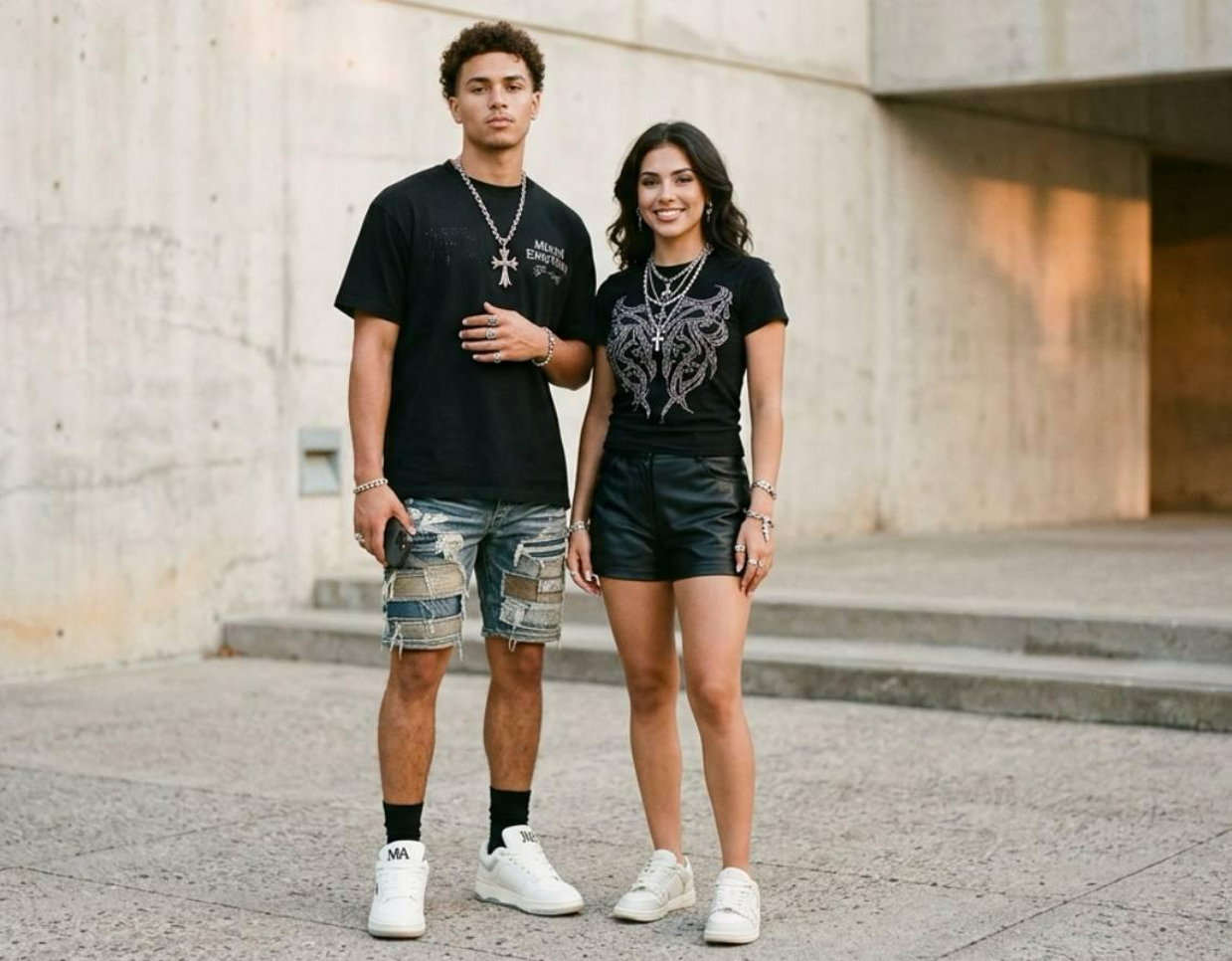
Why Streetwear Is Splitting into Two Camps Right Now
Something shifted in the streetwear market around 2023, and it became fully visible by 2025. One side of the market kept doing what it always did fast drops, social noise, prints that cracked by spring, and prices that made zero sense against quality. The other side quietly built something different. These brands started making pieces you actually wear every other day, with fabric construction that doesn’t collapse six months in and design decisions that meant something beyond what was trending that week on Instagram. This article covers six brands sitting firmly in that second camp. They’re not all the same type of label some live in gothic luxury, some in indie country culture, some in rhinestone-detailed streetwear, and some in an avant-garde Japanese fashion tradition but they share one trait that matters more than any of that. They build pieces with enough care in the construction that you feel the difference the first time you pull something on, which is honestly the only test that matters once the marketing noise fades and you’re just standing in your room trying to decide what to wear.
What “Mixed Emotion” Actually Means as a Brand
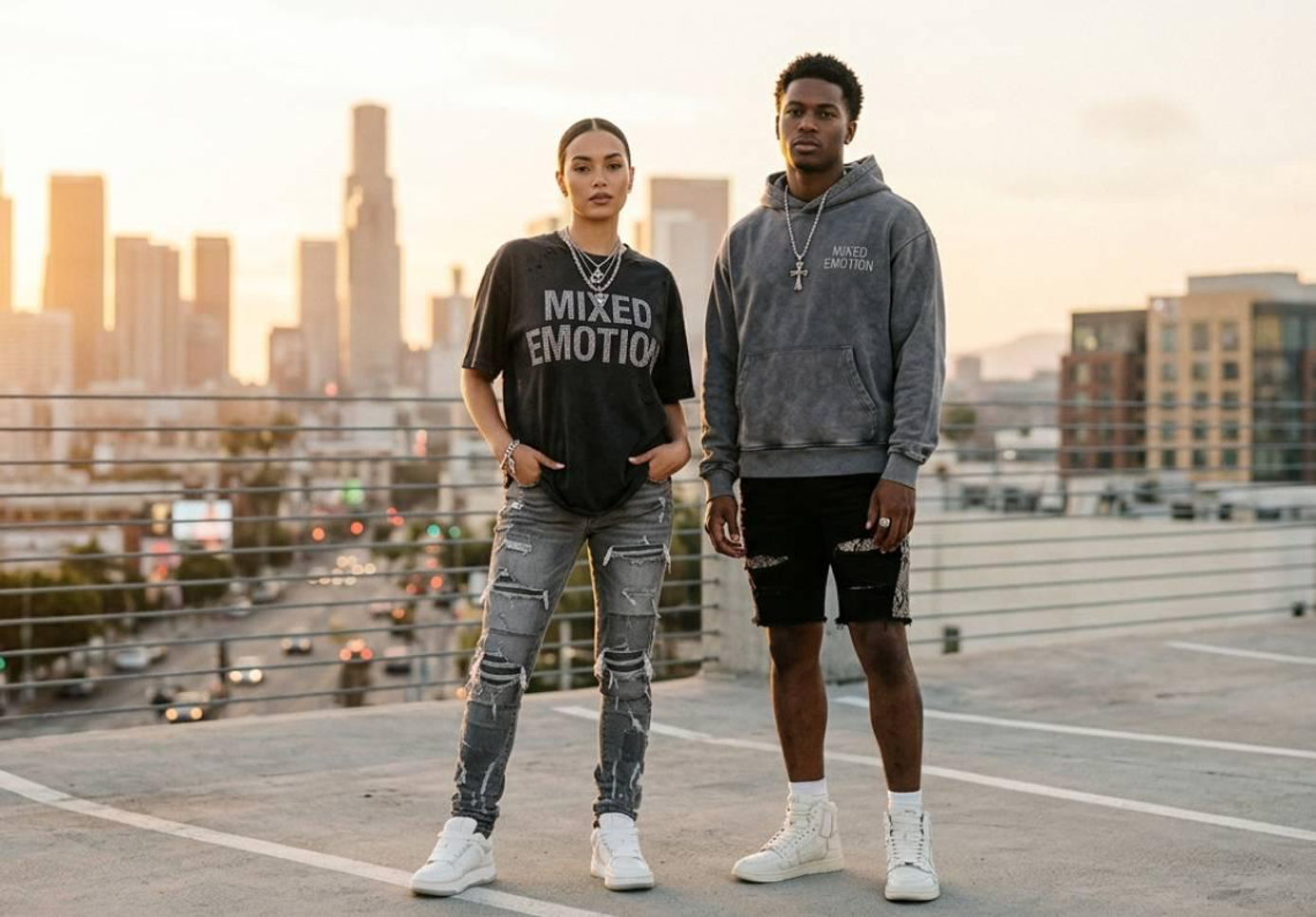
The name mixed emotion isn’t just a random label it’s a design philosophy that runs through every piece the brand produces, and once you understand that, the collection starts to make a lot more sense. Each item gets a mood-based name, not just a product number, so you’re picking between pieces called Angel, Astronaut, Goblin, and Ranger depending on how you want to show up for the day. That sounds like a gimmick on paper, but in practice it changes how you relate to what’s in your wardrobe, especially when the quality backs up the concept. From personal experience wearing the Acid Wash Deserted Hoodie for about four months straight, one thing that genuinely surprised me was how the acid wash treatment held its texture over repeated machine washes most acid wash pieces soften into something unrecognizable after a few cycles, but the Mixed Emotion version actually deepened in character. The cotton weight is part of why that happens: heavier fabric absorbs and holds the dye treatment differently than lightweight alternatives. It’s one of those construction details most buyers don’t think about until they’ve owned enough pieces to know what to look for. Mixed Emotion built their range around rhinestone hoodies, monogram denim in multiple washes, and mood-named graphic shirts that work across different settings without feeling like costume pieces.
How the Best Streetwear Brands Build Their Core Identity
Every brand worth your money has a clear answer to one question: what do we actually stand for beyond selling clothing? That question is harder to answer than it sounds. Here are the markers that separate labels with genuine identity from those just filling rack space:
- Consistent design language every piece looks like it belongs to the same world, whether it’s a tee or a heavyweight hoodie, and the brand’s visual handwriting is legible without needing a logo splashed across the chest.
- Fabrication that justifies the price the fabric weight, the stitching quality, the print technique, and the way seams sit all need to hold up after regular wear, not just photo shoots.
- Named or story-driven pieces the best streetwear drops give items context, whether it’s a tour moment, a cultural reference, a mood, or a collaboration that means something.
- Honest sizing brands that publish accurate measurements and own oversized cuts as intentional rather than hiding fit inconsistencies behind vague sizing language.
- Real service infrastructure tracking on every order, a working return window, and a contact team that answers, because none of the product quality matters if the logistics fall apart.
- Longevity over hype cycles pieces designed to stay relevant past the drop week, because the brands that build for longevity are the ones your wardrobe actually benefits from long-term.
Chrome Hearts and the Gothic Luxury Space
Chrome Hearts occupies a lane that very few brands even attempt, which is the place where gothic handcraft meets wearable luxury streetwear. The brand started in Los Angeles in 1988 making sterling silver accessories for rock musicians, and that origin story still runs through everything they produce the dagger motifs, the cross detailing, the fleur-de-lis scroll work on rings and bracelets all connect back to that original aesthetic in a way that feels continuous rather than nostalgic. What makes Chrome Hearts genuinely different from labels that borrow gothic visual references is the material quality: the sterling silver pieces are cast and finished by hand in their LA workshop, and the garments use heavyweight cotton with embroidered and patch-applied detailing rather than screen-printed graphics that flatten over time. The hoodies are notably thick if you’ve worn the cross-patch pullover through a real winter, you know it sits differently on your shoulders than a typical mid-weight fleece. That weight is also why the gothic cross embroidery holds its dimensional shape wash after wash instead of flattening the way heat-pressed patches do. The jewelry range, including the scroll band cuff and the sterling cross pendants, extends the wearable identity of the brand into accessories that survive daily wear with the kind of patina that actually improves the look over years rather than signaling neglect. Their Chrome Hearts hoodies and jewelry collection represent the clearest expression of what gothic luxury streetwear can be when the construction matches the visual ambition of the design.
AMIRI: California Luxury with a Distressed Edge
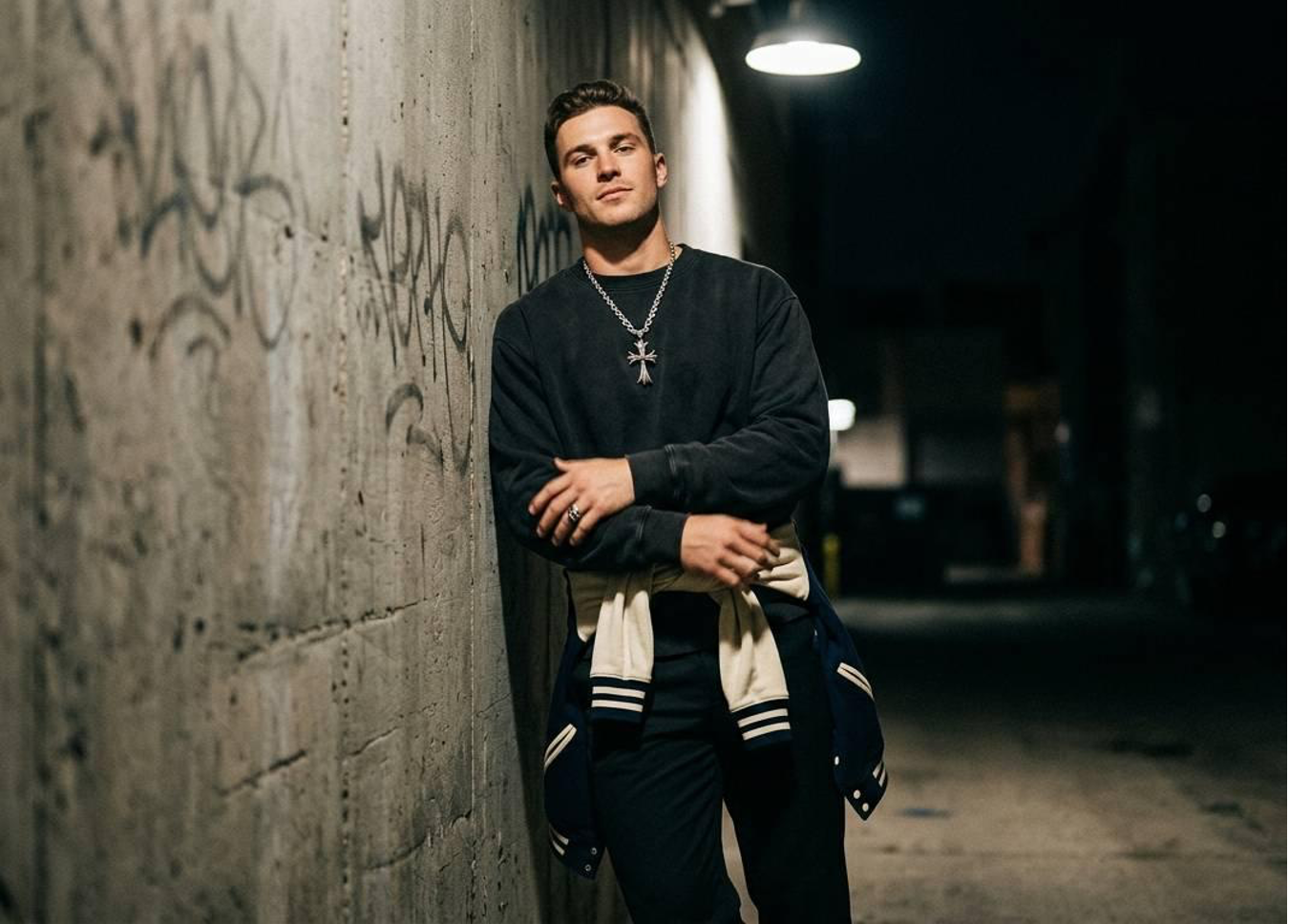
AMIRI sits in a lane that’s genuinely hard to replicate premium California luxury streetwear built on a foundation of real craft skill rather than branding decisions made in a marketing meeting. Mike Amiri founded the label in Los Angeles in 2014 after years of making custom pieces for rock and hip-hop artists, and that background shows in every design choice the brand still makes today. The Python-inset denim, the bandana-patchwork jeans, the MA Bar graphic, and the signature distressed finishes all connect back to a specific knowledge of how fabric behaves when worked by hand rather than processed through a factory line. That distinction matters more than it sounds, because distressing done by skilled workers reads completely differently on the body than the machine-abraded version most fast-fashion brands use as a shortcut. One construction detail worth knowing if you’re shopping AMIRI denim for the first time: the skinny cut uses a cotton-elastane blend specifically calibrated to hold its shape through a full day of movement, which is why the fit looks as clean at 10pm as it did when you first put it on most distressed denim loses that tension quickly. The tenis AMIRI collection covers the two most iconic models the brand has built its footwear identity around: the MA-1, a low-top silhouette in full-grain leather with optional crystal or glitter embellishments, and the Skel-Top, a bolder design with decorative ankle detailing that reads distinctly AMIRI from across the room. Both models come in versions built for men and women, with the MA-1 leaning toward cleaner, more neutral colorways and the Skel-Top offering more contrast and visual movement in the design. An honest note worth stating clearly: AMIRI is a luxury price point, and the brand’s strongest value is concentrated in its denim and footwear if budget is a real consideration, those are the categories where the craft investment is most visible and most justified. You can explore the full range including zapatos AMIRI para hombres, pantalones, camisetas, and sudaderas across the complete collection, with international shipping available and 24/7 support if you have questions about sizing before you order.
Zach Bryan Merch: When Music Culture Drives Wardrobe Decisions
The intersection between music fandom and genuine fashion quality is rare, and that’s exactly why Zach Bryan Merchstands out in a space usually dominated by poorly printed cotton that fades after its first wash. The range ties directly to real album moments American Heartbreak, the Burn Burn Burn tour, the Michigan Show collection so each piece connects to something emotionally specific for the people wearing it, which changes how they relate to the clothing entirely. Beyond the storytelling, the practical reality of the product matters: heavyweight cotton blends, sharp layered screen printing that doesn’t crack at the first stretch, and hoodies that stay structurally sound after a year of regular washing. The hoodie range covers black, grey, and lighter colorways across multiple album and tour references, while the t-shirt collection includes the American Heartbreak graphics and the lightning guitar designs that have become the most recognized pieces from the brand’s visual catalog. Tour merch has historically been low-quality and overpriced at the venue, and finding well-made alternatives with genuine design connection to the music is harder than it should be, which is precisely the gap this lineup fills for fans who want to wear the music rather than just display their attendance.
The Parke Hoodie and the Rise of DTC Basics Done Right
Parke built its reputation from the ground up, starting with reworked vintage denim in 2022 and expanding into the mockneck sweatshirts and varsity hoodies that have since become the brand’s signature pieces. The founder Chelsea Parke Kramer came from a genuine love of sustainable denim and well-constructed basics rather than a fashion industry background, and that starting point shapes how the brand makes decisions today. Rather than chasing seasonal trends, Parke releases pieces designed to be worn daily for years without losing their structure or color. My personal preference in the lineup is the Hometown Classic Zip Up, because zip hoodies usually sacrifice warmth for convenience and end up doing neither particularly well this one gets the balance right with a heavyweight fleece that sits properly at the collar rather than gaping away from the neck. The Parke Hoodie covers varsity cuts, pullover silhouettes, and city-graphic designs in heavyweight cotton blends with relaxed shoulders and just enough room to layer without bulk, while the broader store also carries the mockneck sweatshirts, boxer sweatpants, and straight-leg denim that complete a daily wardrobe without requiring multiple brand commitments.
Comme Des Garcons: The Avant-Garde Brand That Streetwear Borrowed From
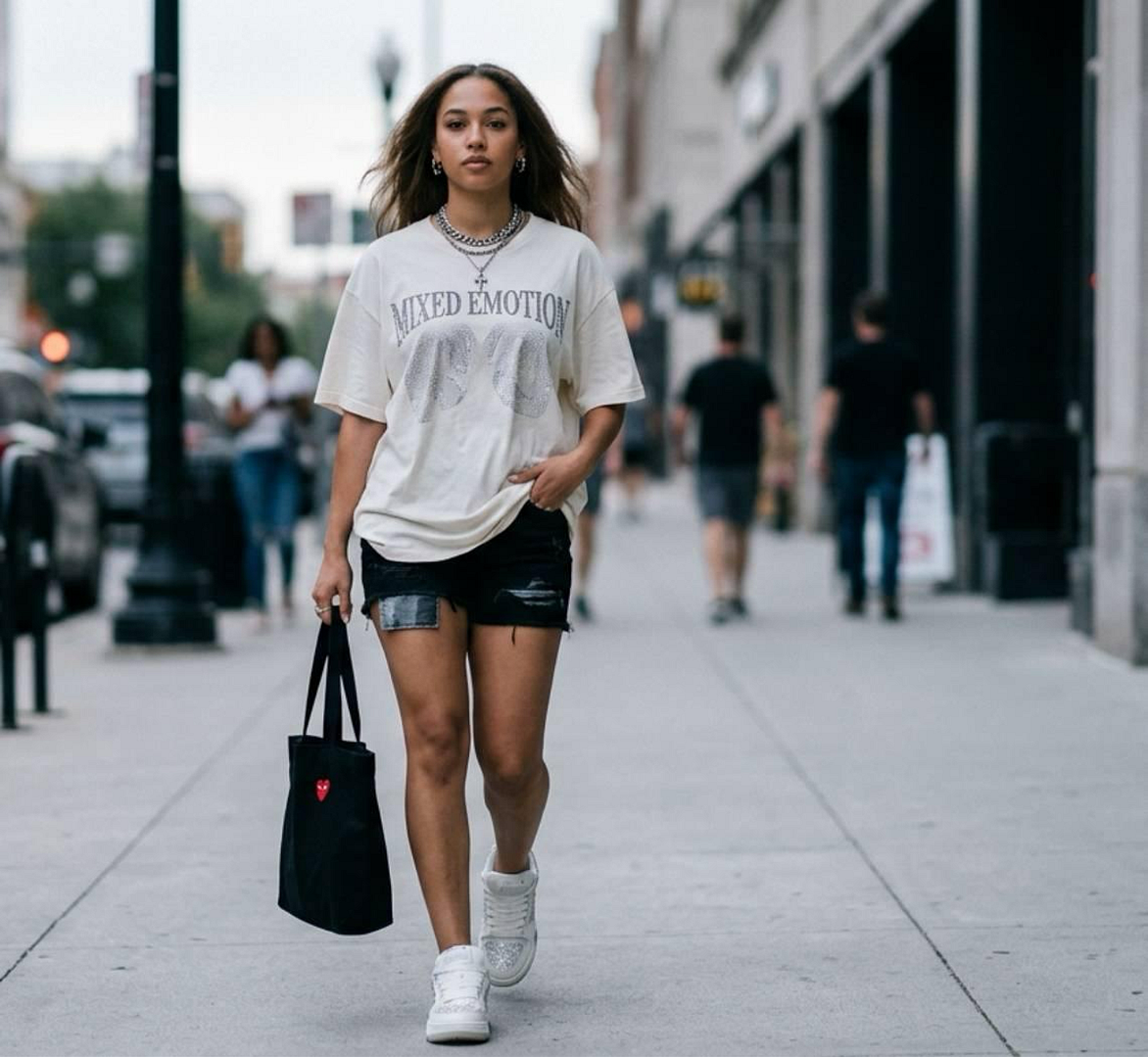
Very few fashion labels can claim the kind of cultural influence that Comme Des Garcons has accumulated since Rei Kawakubo launched it in Tokyo in 1969, but the fact is that almost every streetwear brand making asymmetric cuts, deconstructed details, and intentionally imperfect finishes has drawn at least some inspiration from CDG’s design language often without acknowledging it directly. The CDG Play sub-line with its small red heart emblem became one of the most recognizable logos in contemporary fashion precisely because it managed to feel both refined and accessible simultaneously, which is an extremely difficult combination to execute at any price point. Comme Des Garcons currently carries a range that spans hoodies with the signature heart emblem, striped shirts, polo shirts across short and long sleeve options, CDG x Converse sneakers including high tops and low tops in multiple colorways, and the sterling-detailed cardigans that represent the brand’s knitwear craft at its most recognizable. The CDG x Converse Chuck 70 collaboration deserves a specific mention because the polka dot high top became genuinely influential on how the streetwear community started thinking about footwear as a design statement rather than just a function item and the CDG shirt collection remains one of the cleanest executions of the logo tee format, where the restraint of a single small emblem does more visual work than an oversized graphic ever could.
How to Mix These Brands Without Looking Mismatched
Building an outfit from multiple premium streetwear labels isn’t as complicated as it sounds once you understand that the strongest looks typically come from matching energy rather than matching aesthetics. A Mixed Emotion rhinestone tee pairs cleanly with Chrome Hearts sterling rings because both lean into detailed craft without fighting for visual dominance the eye moves between them naturally. A Parke mockneck works under an AMIRI jacket because the clean, restrained base lets the distressed luxury detail of the jacket land properly rather than competing with a loud graphic. CDG’s heart-emblem basics are specifically built to anchor layered looks, which is why you see them under everything from Zach Bryan crewnecks to Chrome Hearts hoodies in street style photography without looking forced. The practical rule worth knowing: if two pieces both have heavy graphic content, one needs to become a background layer, which usually means size up the simpler piece and let the more detailed item carry the visual weight of the outfit.
Final Words
The six brands covered here don’t all live at the same price point, and they don’t all speak to the same customer, but they share the quality that matters most in streetwear right now: they make pieces you actually want to own for longer than a season. That’s a harder achievement than the marketing world makes it sound. Most brands settle for the spike of a successful drop and accept the slow erosion of quality that follows when they scale too fast. The ones that resist that pressure Mixed Emotion with its mood-driven construction, Chrome Hearts with its hand-finished silver work, AMIRI with its California craft heritage, Zach Bryan Merch with its music-rooted visual identity, Parke with its daily-wear basics, and CDG with its half-century of avant-garde design end up building something you can actually build a wardrobe around. That’s worth your attention more than whatever the algorithm is pushing this week.
FAQs
Q: What makes Mixed Emotion different from other streetwear brands at a similar price point? Mixed Emotion uses mood-based naming across its pieces, heavier-than-average cotton construction, and rhinestone detailing that’s heat-pressed deeply enough to survive regular machine washing not the surface-level application most brands use. The design language is consistent across the full range, which means pieces work together even when mixed across different drops.
Q: Is Chrome Hearts worth the price for streetwear buyers?
For the jewelry and heavyweight hoodies, yes if you’re comparing the construction to other options in the same price bracket. The sterling silver pieces are hand-finished in their LA workshop, and the garment embroidery holds its dimensional shape over years of wear. The price gap between Chrome Hearts and fast-fashion alternatives is real, but so is the quality gap once you wear both for twelve months.
Q: How does Zach Bryan Merch compare to standard concert merchandise?
The key difference is fabric weight and print technique. Standard venue merch typically uses lighter cotton with single-layer screen printing that cracks quickly. The Zach Bryan Merch lineup uses heavier blends with layered printing and design connections to specific album and tour moments rather than generic branding, which changes both the longevity of the piece and how fans relate to it.
Q: What’s the best first piece to buy from the Parke collection?
The Hometown Classic Zip Up Hoodie is the most practical starting point because it bridges multiple settings it works as an outer layer in cool weather and as a mid-layer in cold weather, and the heavyweight fleece holds its structure better than most zip-up options in this price range. From there, the mockneck sweatshirts are the second purchase most regular customers make.
Q: Can CDG pieces be worn casually or are they strictly fashion-forward?
CDG Play pieces the heart-emblem tees, hoodies, and polo shirts wear extremely casually and integrate easily into everyday outfits. The more architecturally complex pieces from the mainline are genuinely fashion-forward, but the Play sub-line was specifically designed for daily wear, which is why the small heart emblem became so ubiquitous across street style globally rather than staying confined to fashion week circles.



