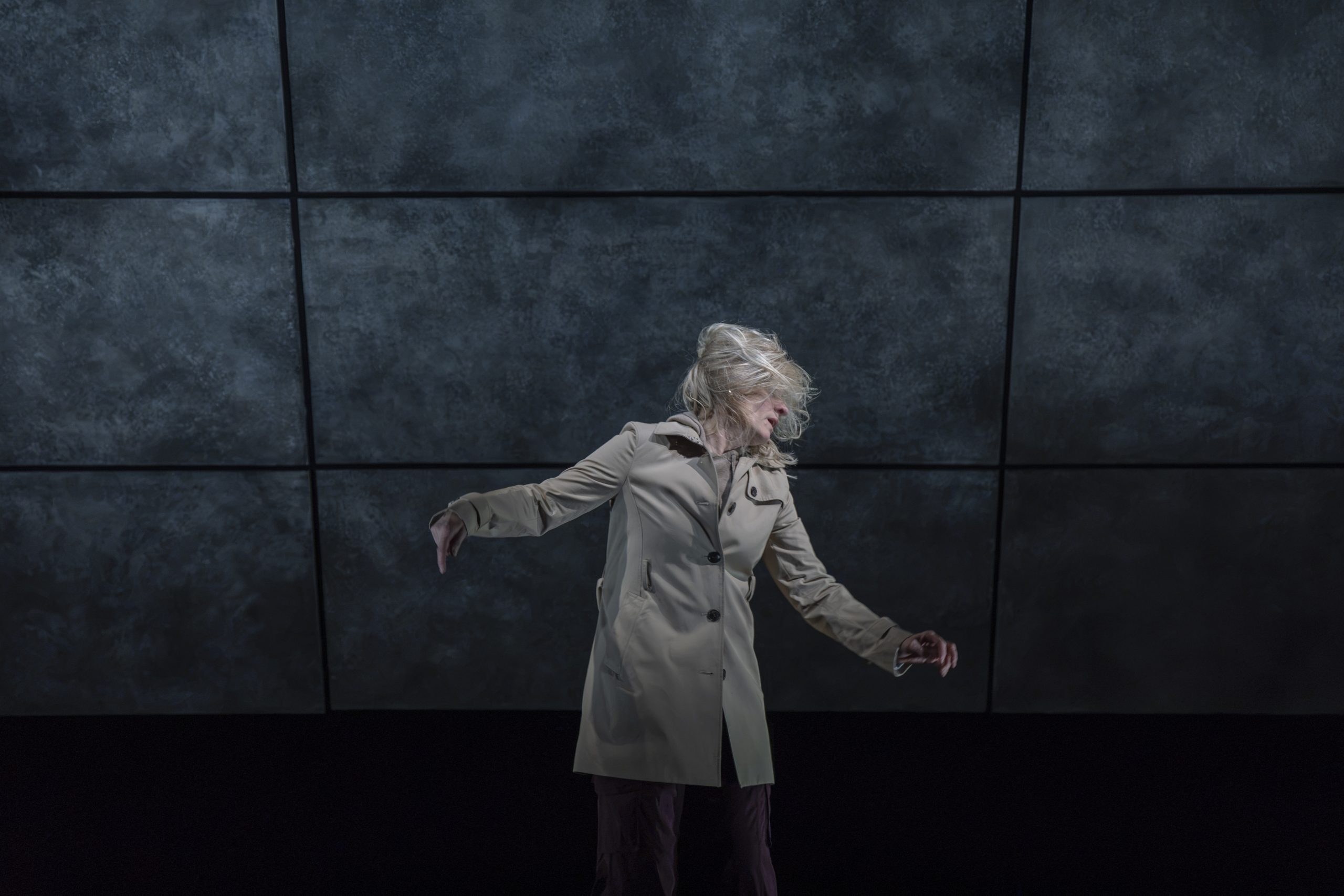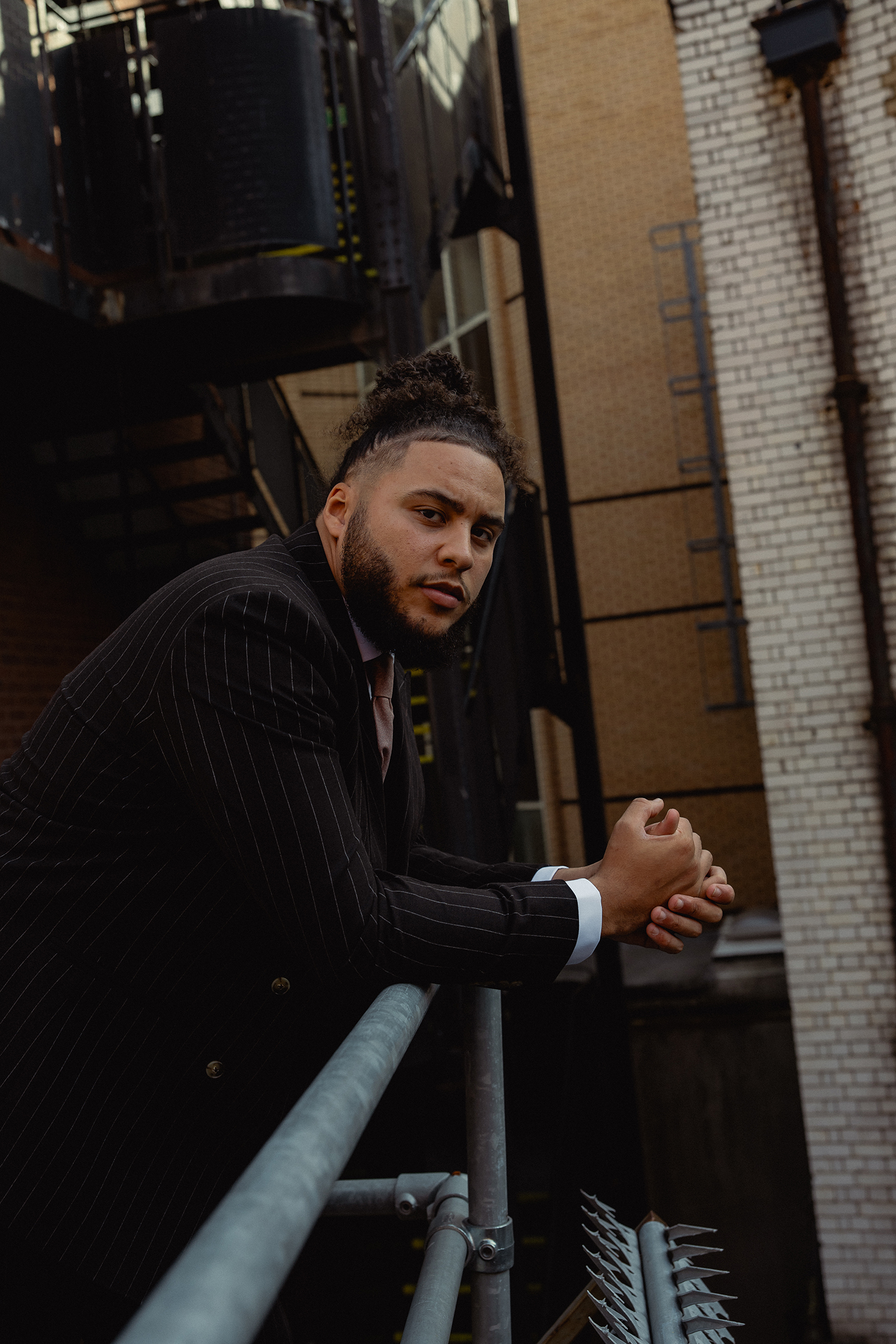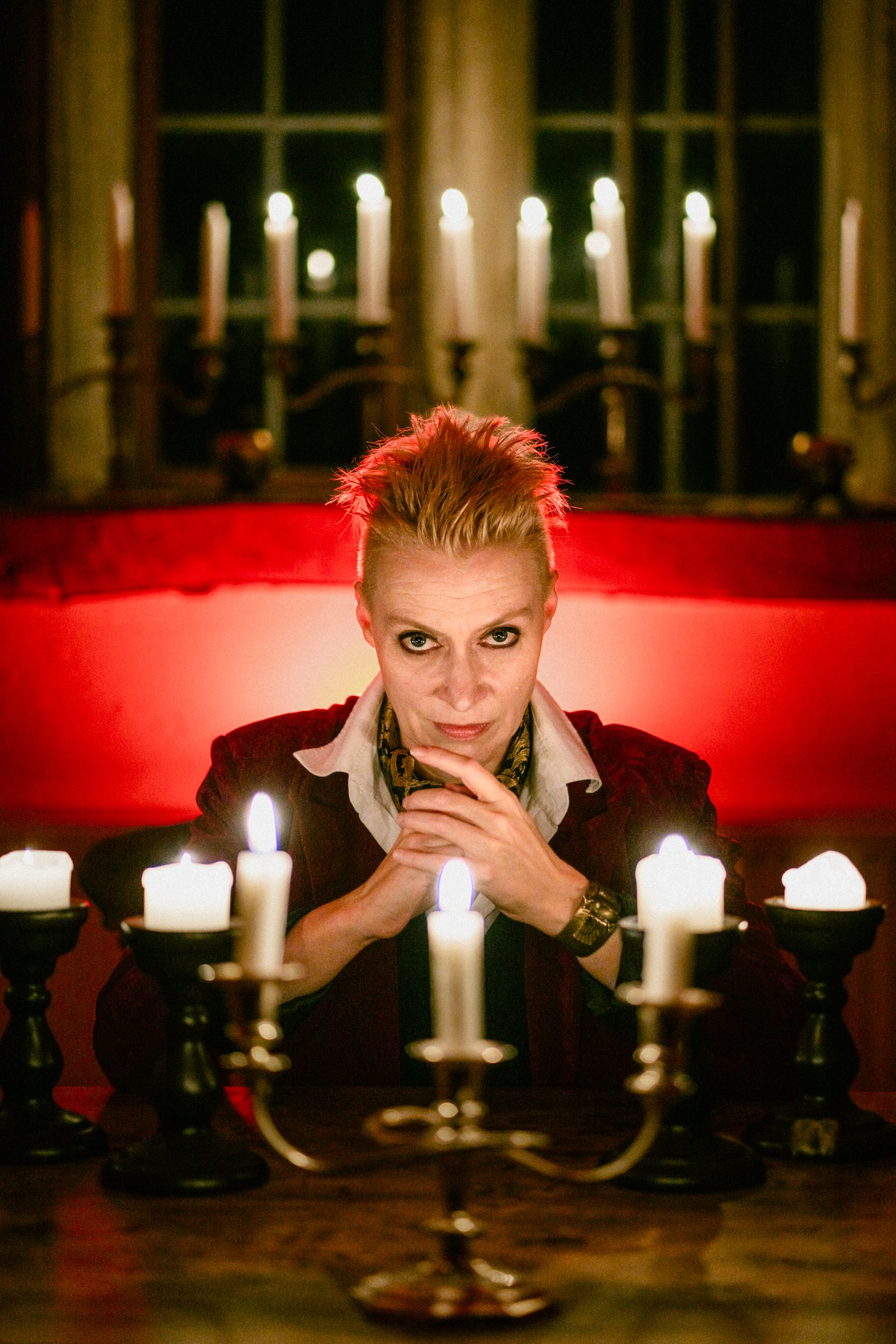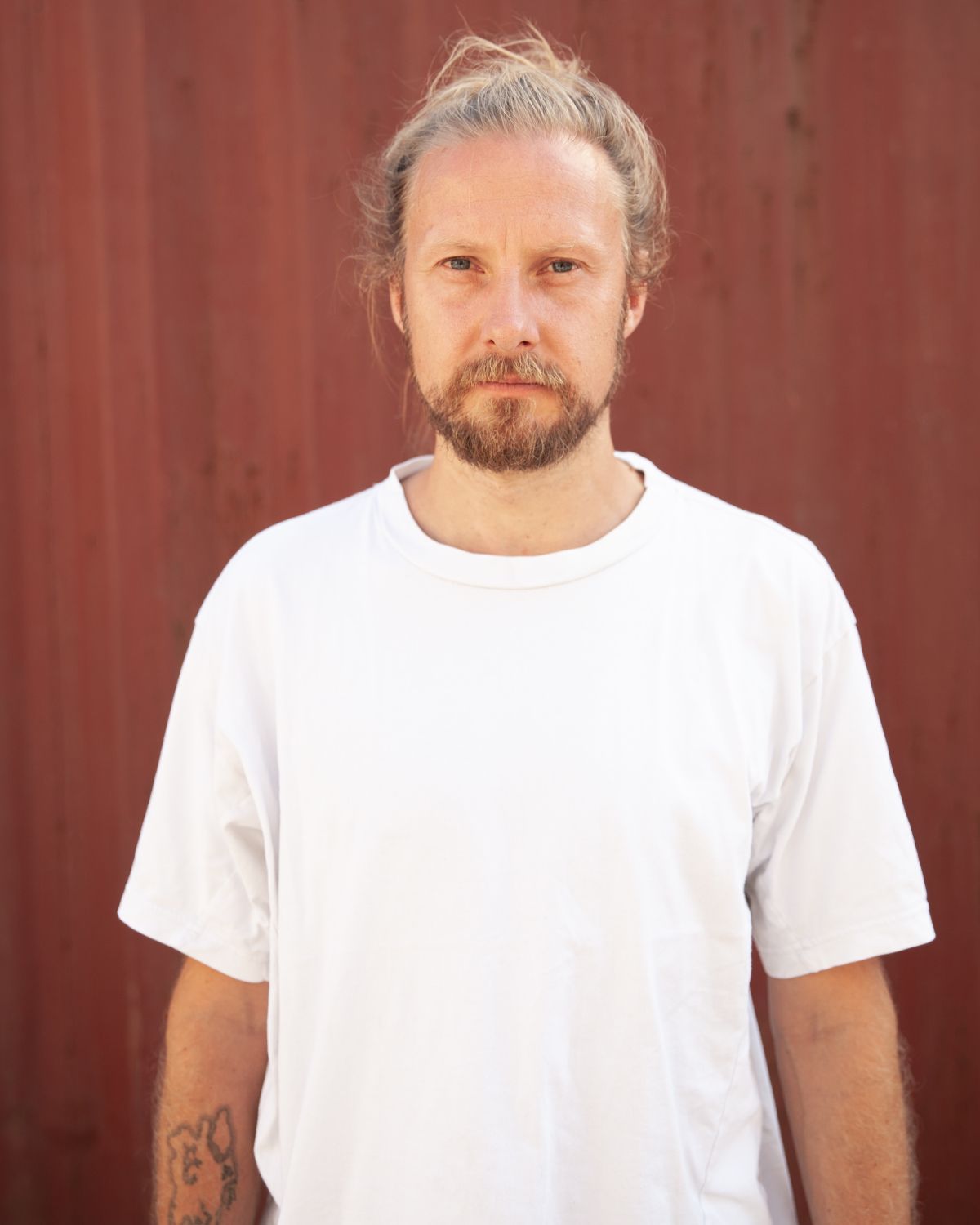
For more than 25 years, Punchdrunk has reshaped what immersive theatre can be, creating vast, explorable worlds where audiences roam freely through layered narratives. From Sleep No More to The Drowned Man and The Burnt City, the company’s large scale masked productions have inspired devoted followings and redefined the relationship between performer, space, and spectator. More recently, projects such as Viola’s Room have shown a deliberate shift in approach, stripping back live performers in favour of sound-led, intimate experiences.
Now, with Lander 23, founder and artistic director Felix Barrett is pushing that evolution even further, drawing on video game mechanics, experimentation, and a move away from the company’s established format. Ahead of the project’s continued development, we spoke to Barrett about audience agency, breaking the Punchdrunk mould, and what the future holds for immersive theatre.
Punchdrunk has now been creating immersive theatre for more than two decades. When you were starting out, what were you trying to achieve that traditional theatre just was not giving you?
Power for the audience. When I was at university, theatre felt incredibly elitist and formulaic. You sit in your seat, you wait for the cues, and if you are not enjoying it, you are stuck. You cannot leave, you cannot wander, you cannot react in the way audiences once could. It felt like everything was being done for the ego of the cast and crew rather than for the people who had paid to be there.
I became fascinated by the idea of creating something where the audience had agency and control. I grew up on movies, and even though I loved theatre, I always felt that adrenaline hit you get from cinema or video games. I wanted to know whether you could achieve that in the real world. That was really the driver in the early days of Punchdrunk.
From around 2000, the guiding principle was to make the audience the epicentre of the work. Instead of a stage being the focal point, the audience member becomes the centre of the show. That idea has taken many different forms over the years, from mask shows to experiences built for a single audience member moving through a space with headphones.
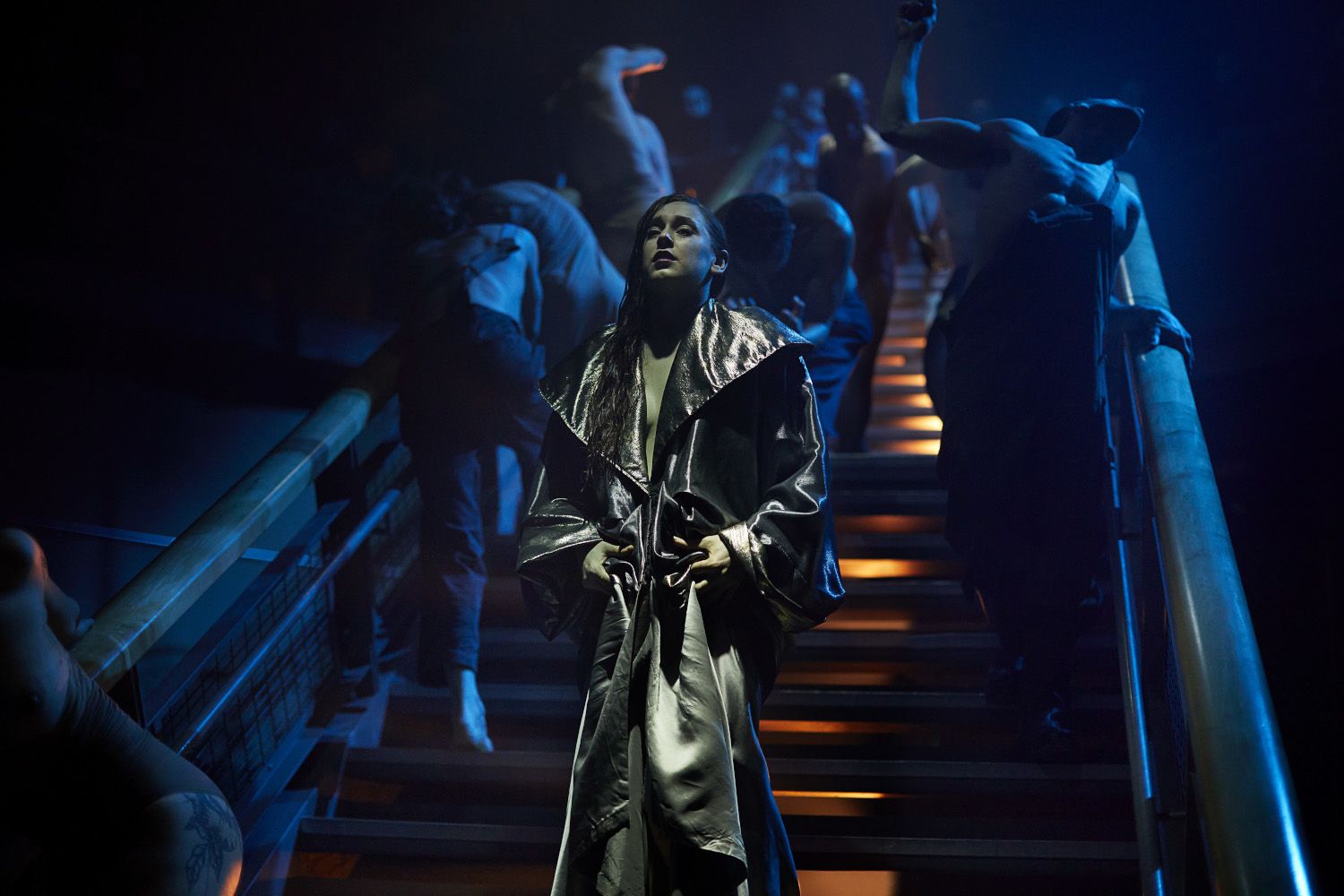
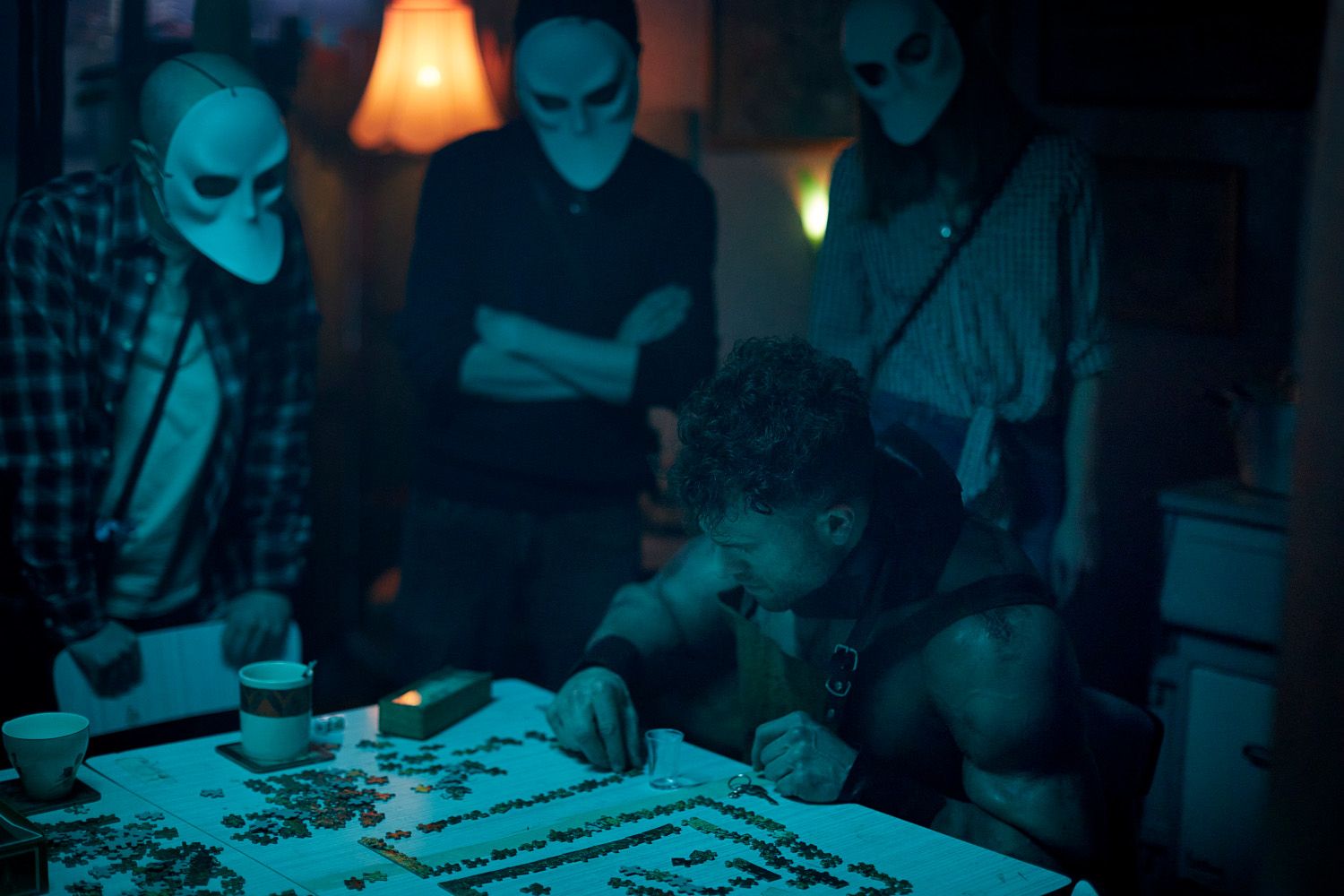
Even now, 25 years later with Lander 23, we are still experimenting with how to put the audience back at the centre. The word immersive has become so overused that it almost means nothing now, but for me the goal is still to submerge the audience in a thick narrative world. With Lander 23, we are trying to move closer to participation again, while preserving the sense that you are not on show.
What excites me now is pushing away from the things we are known for. The company has a reputation for a particular style, but the practice moving forward is about breaking those expectations and continuing to experiment.
Before the interview, I asked the Punchdrunk fan community on Discord to share questions for Felix. Some of those questions feature here, with credit given appropriately.
Harry Palmer from the Discord community asks: after more than 25 years of creating immersive work, what still excites you most about starting a new project?
The adrenaline of imagining the end result. That feeling fades as you get closer to opening, but at the beginning you are dreaming big and trying to do something no one has done before. It is incredibly hard, but that aspiration is what keeps it exciting. I am always trying not to repeat something, but to create an experience audiences have never felt before. It is about searching for new emotional states, a new sense of awe and wonder that someone might experience for the first time.
One of the most fascinating things about Punchdrunk is the way audiences behave inside the work, exploring, following performers, reading documents. What do you think immersive theatre reveals about how audiences actually want to experience stories?
Over the years, we have seen audiences split into three groups. Some follow the narrative and stay with lead characters. Others prioritise exploration, following sounds, light, or open doors away from the crowds. A third group find the experience overwhelming and would rather sit and watch something more traditional.
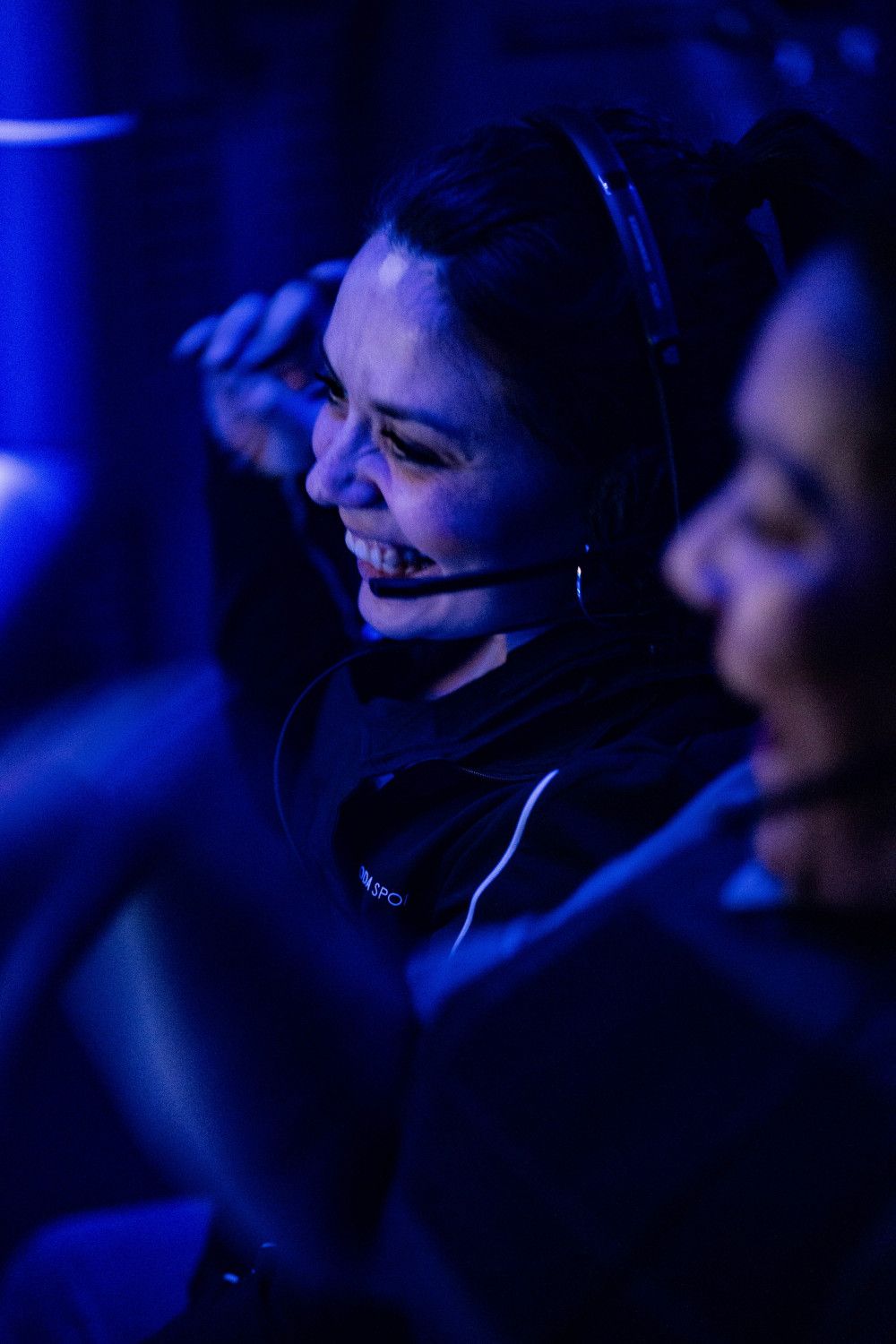
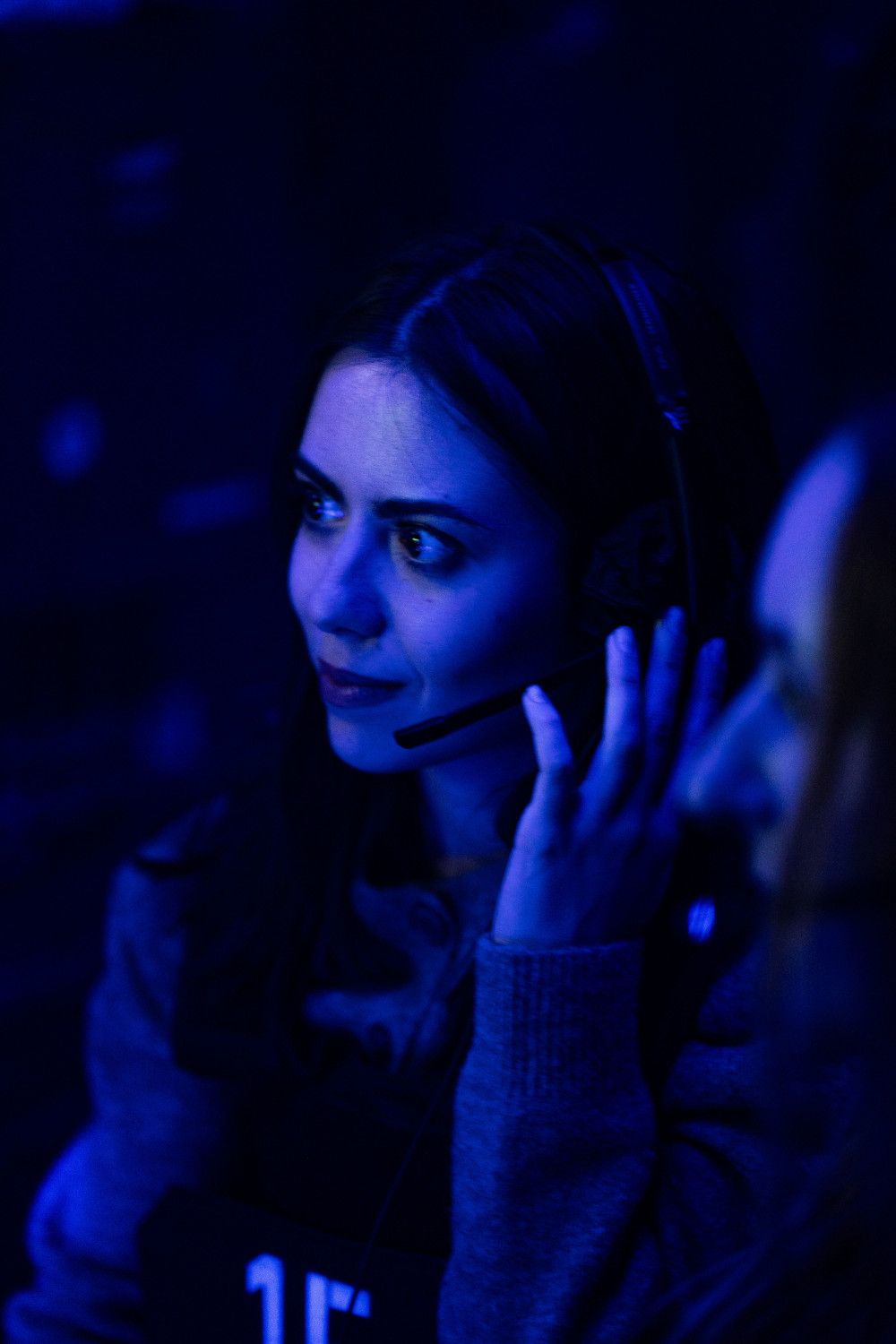
With the mask shows, we tried to design the experience so all three types could find a way in. With Lander 23, we are thinking about this differently because it is closer to a game. We have been looking at the Bartle Test, which categorises players into four archetypes: explorer, collector, socialiser, and killer. The finished version of Lander 23 is designed to serve all four.
You have become known for large-scale productions filled with performers, so Viola’s Room in 2024 surprised many audiences by removing live actors entirely and relying on recorded narration. What led you to explore such a different kind of experience?
I have always found it strange being pigeonholed into one aesthetic. We became known for mask shows spread across buildings, but the underlying ambition has always been to put audiences at the heart of the experience, and that can take many different forms.
After The Burnt City, we suddenly had this permanent home in Woolwich, which gave us the opportunity to experiment. Some productions take years to develop, so I wanted to balance those with quicker, more agile ideas. Viola’s Room grew out of that thinking, and also from a show we created back in 2000 for a single audience member.
Sound became the driving force. It is the most evocative of the senses, and I was interested in building something where the performer is implied rather than physically present. Initially I wanted a live performer, but budget constraints forced us to rethink it. That limitation became an exciting provocation. What happens if you hear a performer, feel their presence, but never actually encounter them? That challenge shaped the entire piece.
It also ties into my instinct to disrupt expectations. If it feels like the audience knows what is coming next, I am always drawn to doing the opposite. That unpredictability is a key part of how we continue evolving the work.
Do you enjoy creating a sense of uncertainty for audiences?
I think it is critical. We deliberately build it into the process. If we ever get stuck, one of the things we do is ask what the audience would expect to happen next, and then we do the opposite. It is quite a useful creative exercise. You start with a set of assumptions and then reverse them one by one. What you end up with is something completely unexpected, and that opens up new possibilities for the work.
Elina Pasok from the Discord asks: do you think you personally have a high tolerance for uncertainty, and how does that influence the way you create?
I think I do. Working in found spaces means there are always constraints. Something is not safe, there is a column you cannot move, or the budget does not allow a particular idea. Because we come from fringe theatre roots, I am used to being opportunistic and ready for things to go wrong. You learn to pivot.
When you start a project, you might have a dream of what it will become, but you know that a hundred things will change along the way. If you make peace with that, the journey becomes enjoyable rather than stressful. Instead of being drowned by the waves, you learn to surf them.
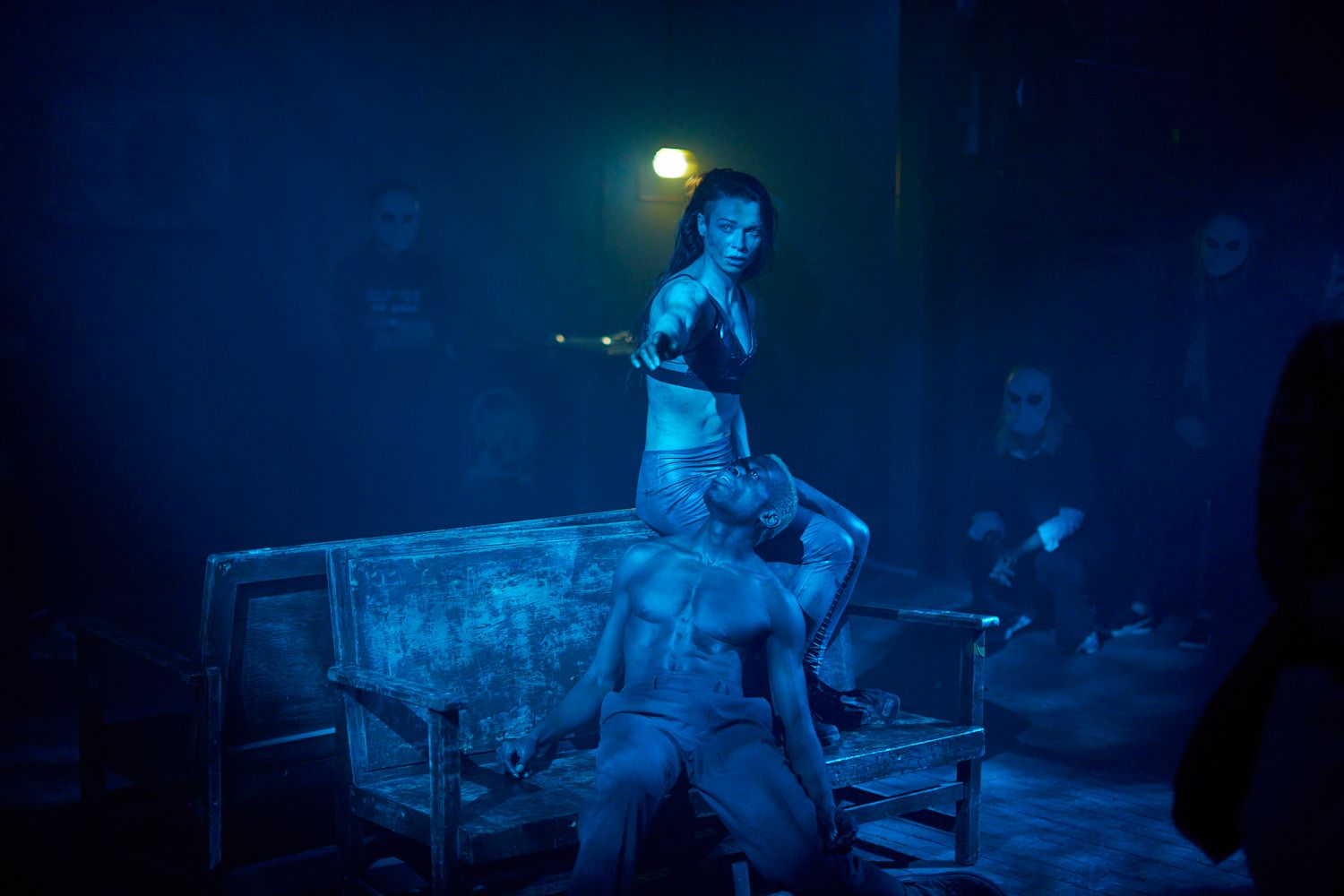
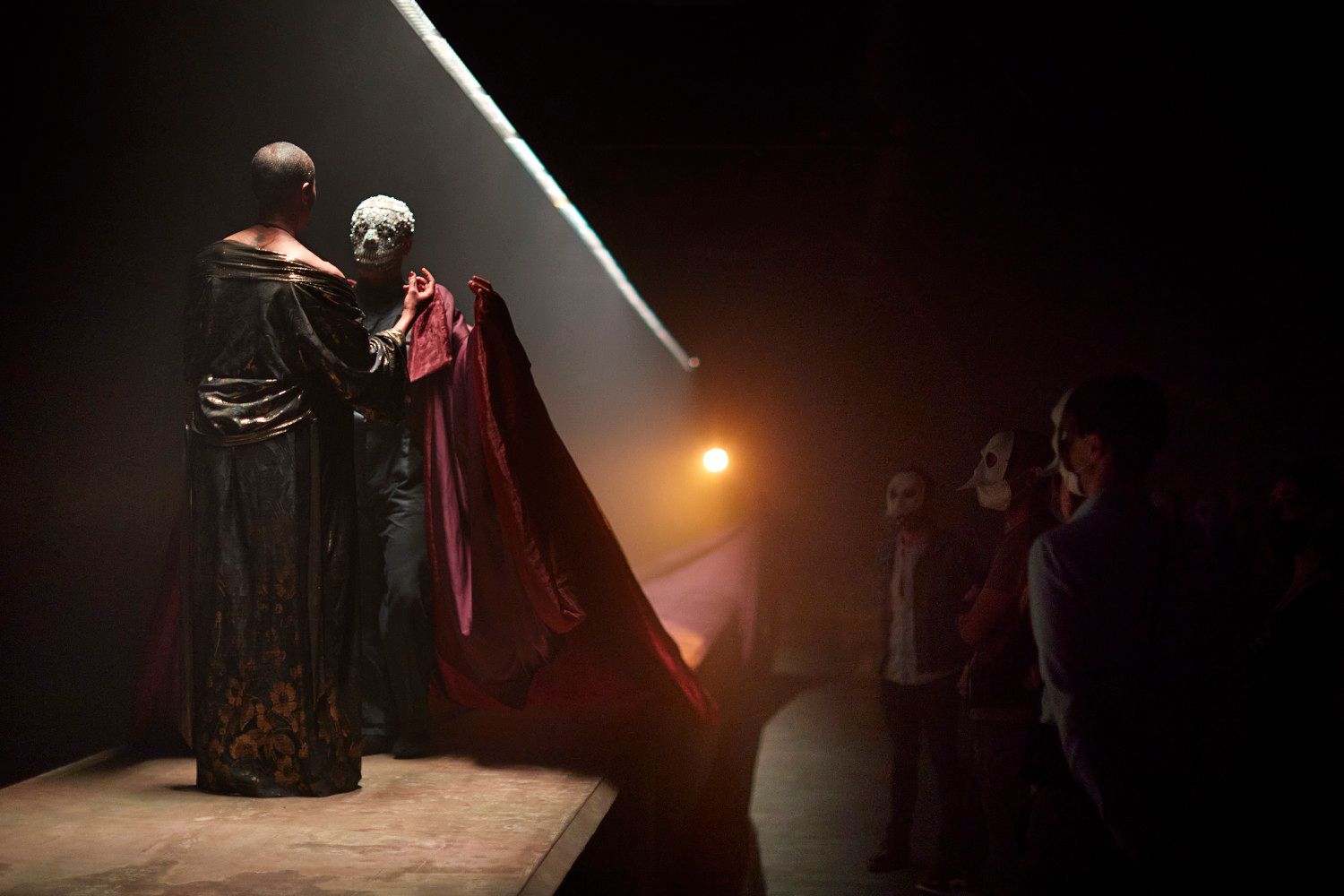
Punchdrunk shows like Sleep No More, The Drowned Man, and The Burnt City developed incredibly devoted audiences, with people returning dozens, or even hundreds, of times. Did you anticipate that level of repeat attendance when you first began creating this work?
Absolutely never. It was just a byproduct of creating the kind of show we wanted to experience ourselves. I am very much an explorer, and I was always more interested in the secret spaces that might be missed than the main areas everyone would inevitably find. The hidden corners reward curiosity.
That approach naturally leads to density. You build something layered enough that it continues to reveal itself over multiple visits. We also have a strong internal rule that there is no style over content. Every detail has to mean something and connect back to the narrative, even things that appear purely decorative.
When you create a world with that level of thought behind it, repeat attendance becomes a natural side effect. People return because they sense there is more to uncover, and the environment rewards exploration.
Owlet from the Discord asks: Maxine Doyle has been such an important collaborator on many of Punchdrunk’s most iconic productions. Is another collaboration with her on the cards?
We are a very close creative team, but we are currently in a phase where everyone is exploring different things. We will definitely work together again in the future, but it is valuable to step outside those familiar partnerships. By working with different collaborators, everyone develops new skills and perspectives, and when we do come back together, those shared experiences should make the work even stronger.
You’ve mentioned creatives moving between companies and learning from different styles. Is that something you’ve started doing yourself?
I have only really just started doing that. It is why I directed Paranormal Activity on stage. I got to the point where people knew the answers to my questions because it had become a kind of formula, which is completely against my belief that audiences should not know what they are walking into.
On one hand, our superfans crave certain things they expect from us. But if we only give them that, where is the danger? Where is the crackle of not knowing what you are getting, which is what the company was built upon.
It is not that we will not go back to those things, but this is an exciting time to build an artillery of new skills, new tricks, and new ways to change the current before we deploy them.
Reanne from the Discord community asks: at the final performance of The Burnt City, the record was flipped to reveal a Side B. Many fans took that as a hint that the world of the show might return someday. Was that just a symbolic moment, or was it intended to leave that possibility open?
It was very much intended to leave that possibility open.
Can you give us anything else on that?
We will announce all things in their right time. But it was not a throwaway gesture.
That’s so good to hear, and of course PD fans love that kind of detail.
Right, and that’s the whole point. I want to make sure everything is thought through and has a payoff. That’s the kind of world I want to create. It’s like the films I love watching, where details matter. Otherwise it starts to feel flimsy, and I would never want that.
Mike from the Discord community says you’ve suggested there won’t be any entirely new masked shows in the future. Does that still leave the possibility of existing masked productions returning?
Absolutely. And also, never say never. The important thing for me is not repeating ourselves, because that has diminishing returns for us and for the audience.
If we go back to something, which we are planning to do, the question is how we build on what we have done before. It needs to expand, improve, and evolve rather than simply recreating what already existed.
I experienced Lander 23 recently, and it feels completely different from your earlier work. What was the starting point for it?
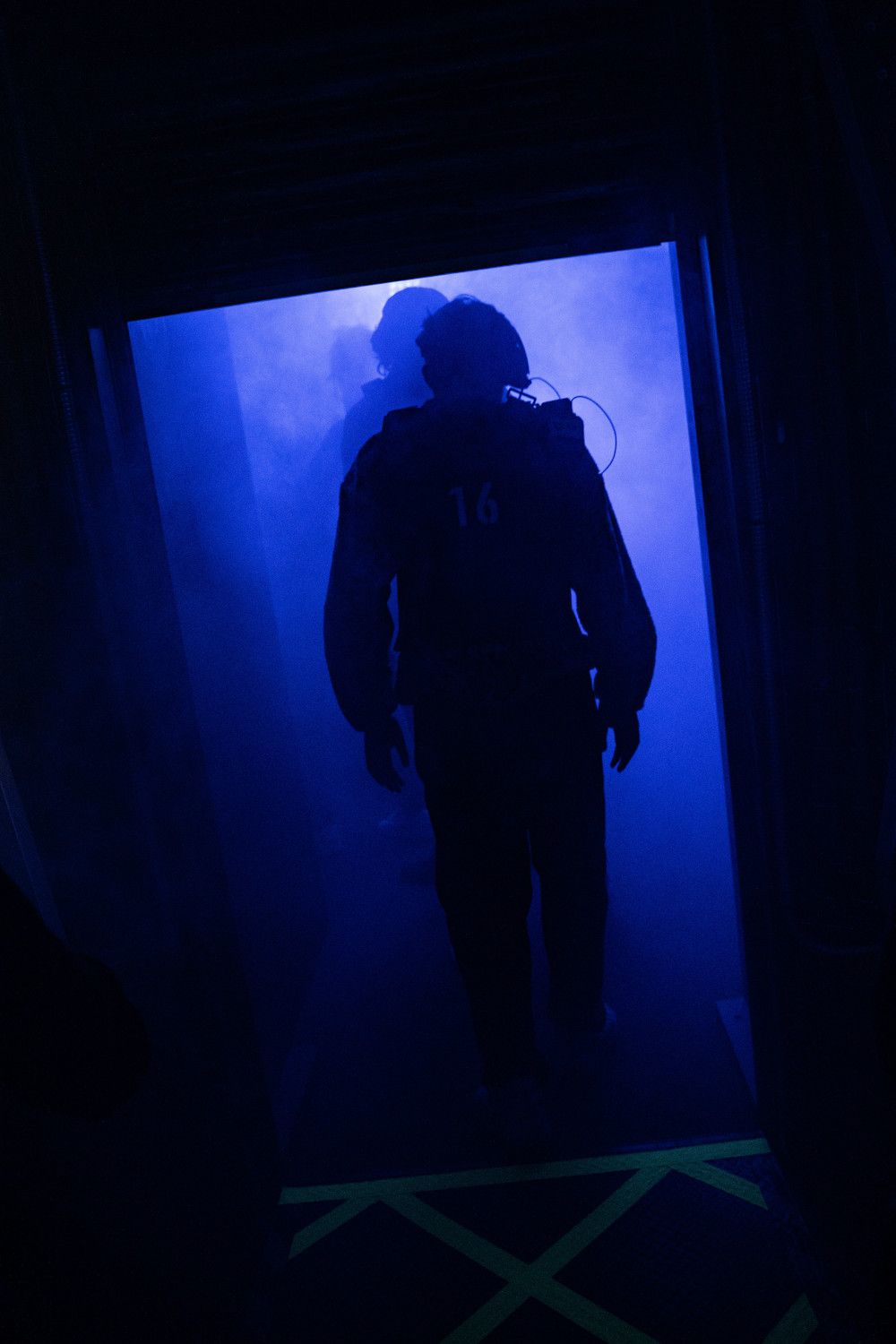
If Sleep No More or The Burnt City are about being inside a film, where you are effectively the camera moving around and choosing your shots, then Lander 23 asks what happens if you are the lead character instead, and the whole experience centres around you. That is what video games do.
We wanted to take video game mechanics from the screen and give them to a live audience, letting them step inside that structure. I grew up on films, but my kids’ key cultural experiences come from video games, so I started wondering what the live equivalent might be. If The Lion King can move from film to stage, what is the live version of something like The Legend of Zelda for the people who grew up with it?
That is the question we are trying to answer. Lander 23 is part of that exploration, and we are increasingly understanding how to build those kinds of experiences as we develop this new strand of work.
Where do you see Lander 23 heading as it develops further?
We are trying to understand how to build the engine that would allow a full open-world experience. The idea is something on a large scale where everything is interactive, your data is stored, and you can take on main missions, side quests, and all the things you would expect from a console game.
In that version, you are effectively an avatar inside the world. That is the main end goal, to create a live experience that functions like an open-world game, where everything responds to you.
It has had quite a long preview period already. Is that part of the design?
It is interesting, because we are definitely calling it a game rather than a show. We did not get as far as we wanted in the first push, partly because we have been learning the cadence in real time. When you are making a theatre show, you can change things overnight or even in an afternoon. When you are working inside a game engine, that kind of change can take weeks or even months. It is incredibly technical.
It has also made me understand why major video games can take years to develop. We are probably only at about 10 percent of where I want to get to, which is fine. We are treating this as early access rather than a finished opening, and we will keep building until phase one is ready.
Another important part of that is iteration. Video games often launch in early access and then evolve based on how audiences behave. We want to do the same thing here, watching what people do inside the world and using that to shape how the experience develops.
Reanne from the Discord community asks about the professionally filmed recordings of Punchdrunk productions. Is there any chance those might ever be made publicly available?
It is very topical, and yes, there is.
That’s exciting to hear!
Finally, after more than two decades pushing the boundaries of immersive theatre, what still excites you about where the form might go next?
The fact that things we dreamt about ten years ago, and could not do, are now becoming possible. Technology is expanding at such a rate that ideas which once felt unrealistic are suddenly achievable. That is always exciting, because you start asking what new theatrical power comes from those tools.
That applies across everything, from screen technology to game engines and sensors. There is a huge amount of scope for work we have not yet imagined, simply because the technological playground keeps expanding. I hope the next five years will be when we grow the most as a company. But we will also deliver some crowd-pleasing, performer-led shows as well. I know audiences are waiting for those, and I am looking forward to supplying them.
Lander 23 is currently booking until 10 May 2026.
Get your tickets and further info at punchdrunk.com
Words Nick Barr
Portrait by Stephen Dobbie
Burnt City photography by Julian Abrams
Lander 23 photography by Lottie Amor