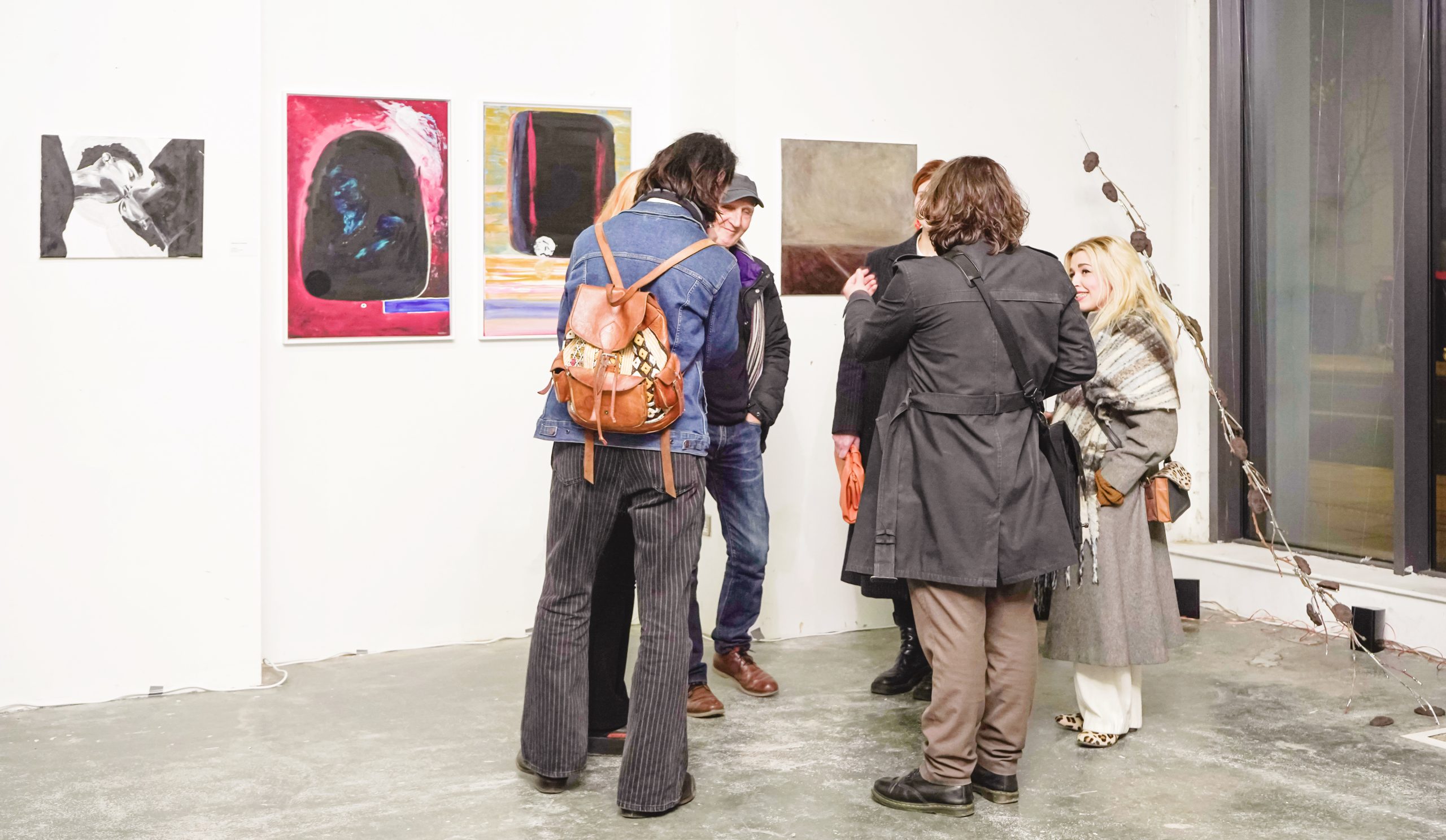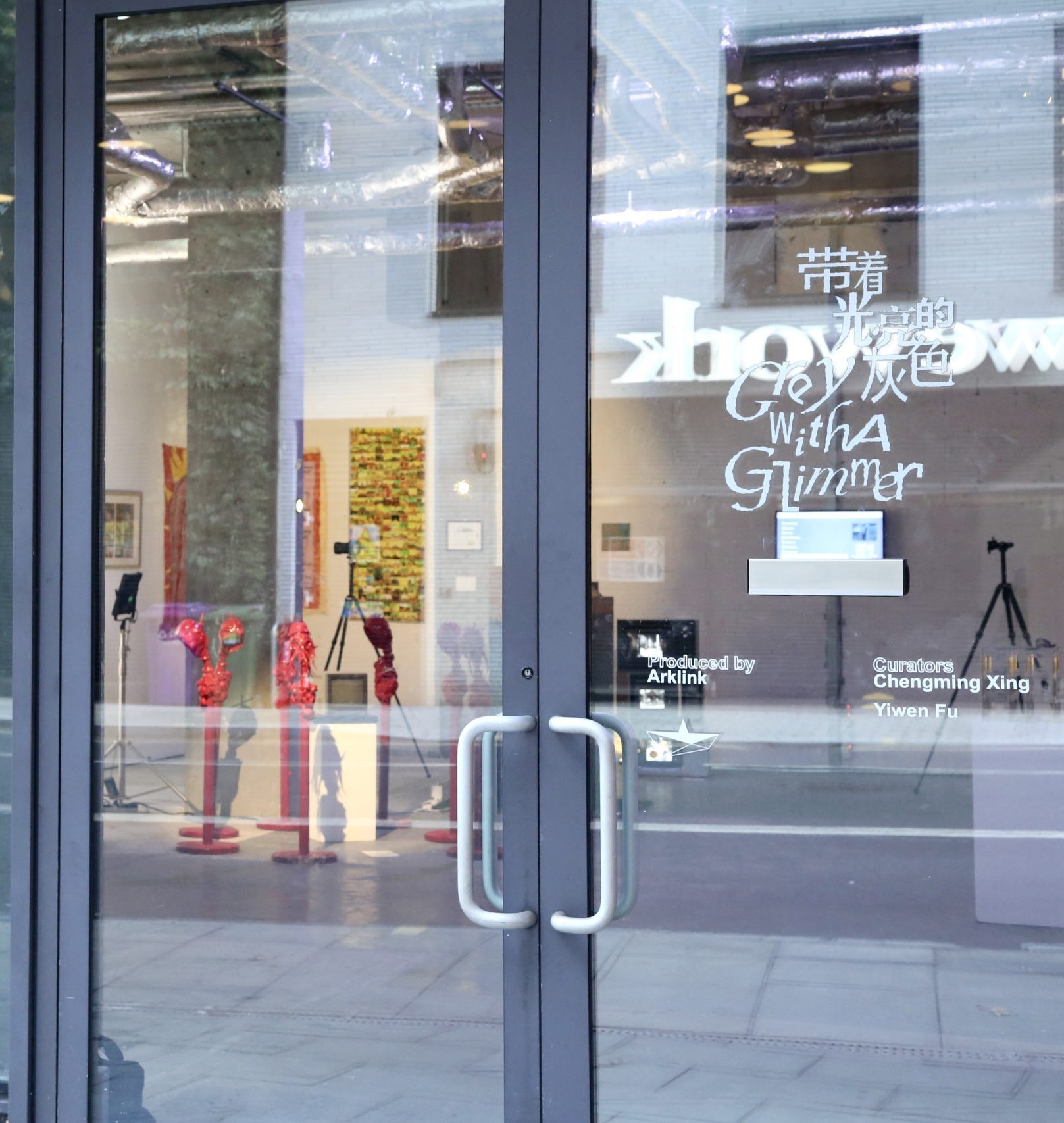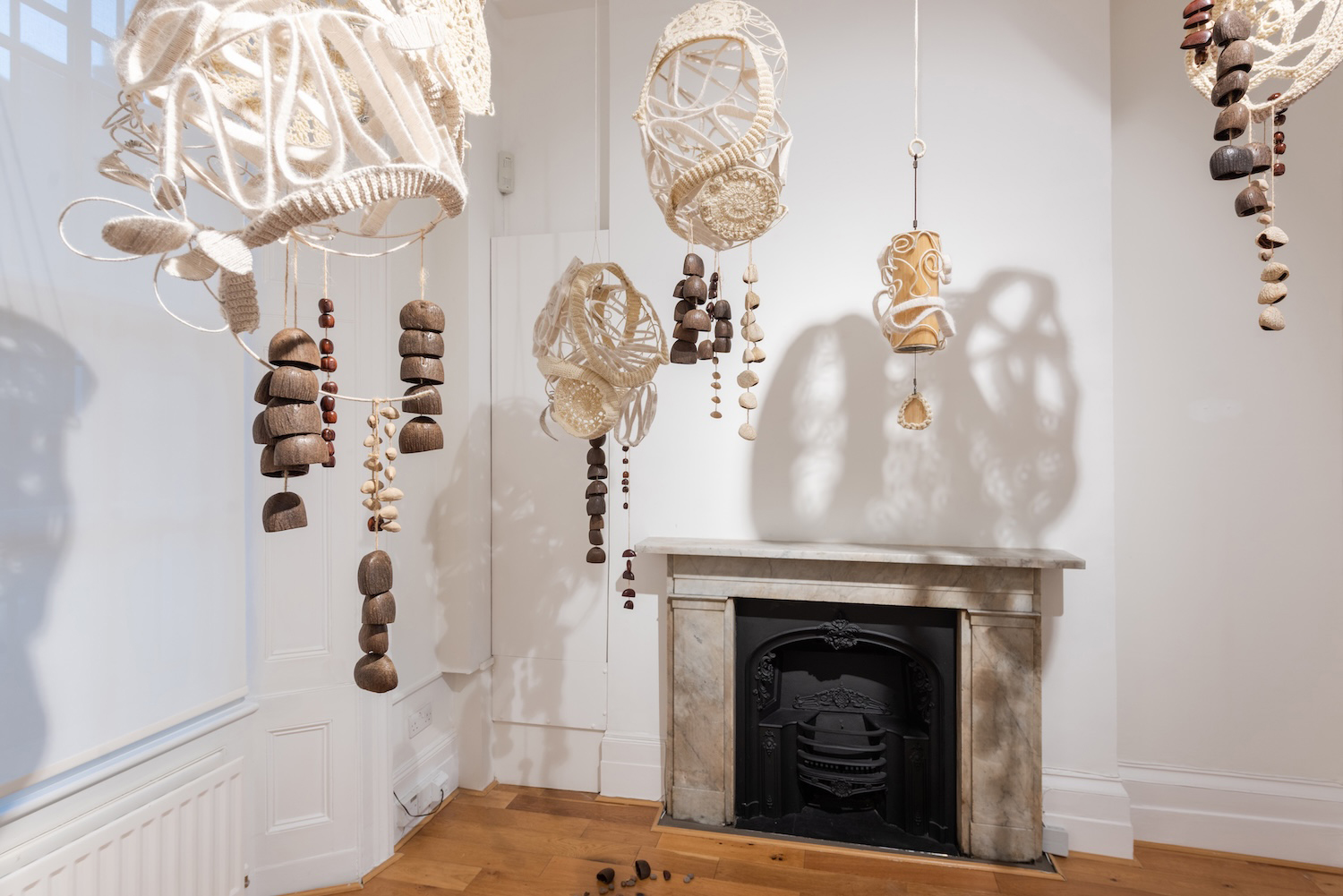
Curated by Wanying Li (Miranda), the exhibition took place at Whiteshepherd Gallery in South Kensington from 20 to 22 December 2025, bringing together six artists and collectives whose practices span craft, material inquiry and digital mediation. Rather than framing craft as nostalgia or as a simple refusal of technology, the curatorial premise positions making as a living system of thought—adaptive, relational and deeply attentive. The exhibition foregrounds forms of knowledge that resist optimisation and quantification: intelligence held in the hand, temporal rhythms shaped through repetition, and emotional awareness cultivated through sustained processes. Within this framework, slowness, care and non-instrumental labour emerge not as retreat, but as deliberate responses to an over-technologised cultural condition.
Across the exhibition, the participating artists give material form to these concerns through process-driven practices that unfold over time. Working with fibre, sound, textile, natural materials and digitally mediated systems, their works explore how memory, emotion and attention are embedded within acts of making. Touch, repetition and duration function not as aesthetic effects but as modes of knowledge production, foregrounding forms of understanding that cannot be accelerated, extracted or fully translated into data. Importantly, digital mediation is not excluded; instead, it is situated within bodily and material processes, where handcraft and embodied labour reveal the conditions under which technological systems become subtle, relational and sensory.
Viewed as a whole, RECRAFTED marks a significant expansion of Miranda’s curatorial trajectory, extending her earlier engagement with digital art toward a more nuanced investigation of how technology intersects with material intelligence and tacit knowledge. From an editorial perspective, the exhibition’s strength lies in its refusal of spectacle and its insistence on attentiveness—inviting viewers to slow down, linger and recalibrate their modes of perception. In an age governed by efficiency and speed, RECRAFTED articulates a quietly critical proposition: that craft, understood as a contemporary methodology rather than a heritage category, can offer an alternative cultural logic grounded in process, care and embodied experience.
ART WORKS AND ARTISTS: REC-RAFTED EXAMINES THE INTERPLAY OF MATERIAL, MEMORY, AND CONTEMPORARY CRAFT
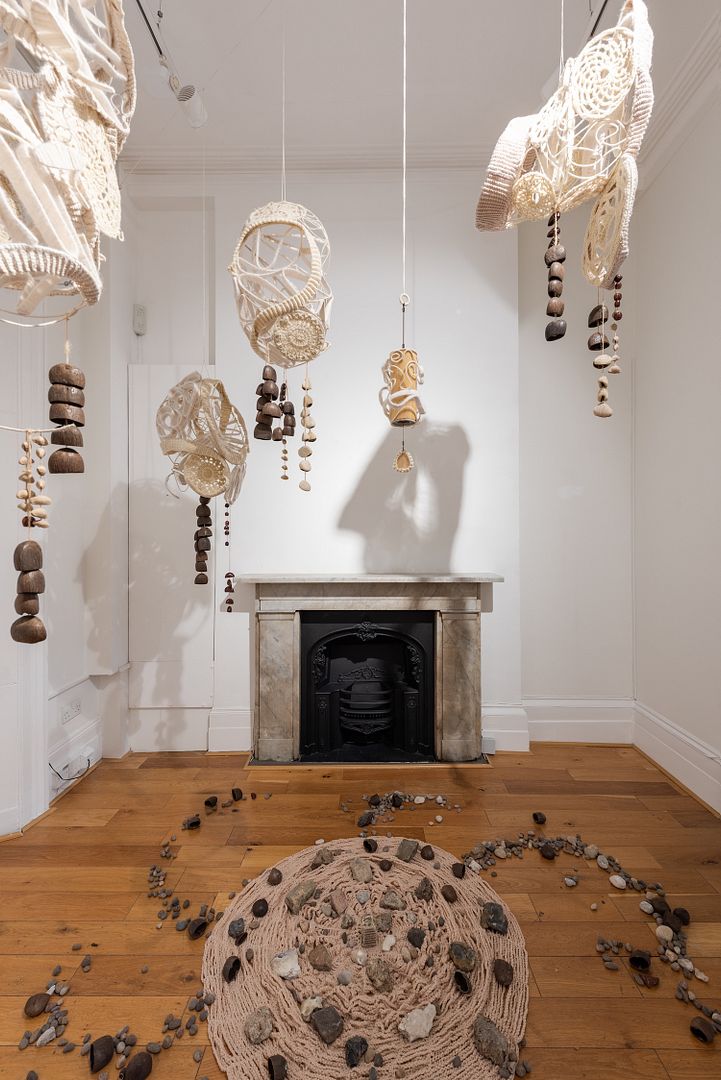
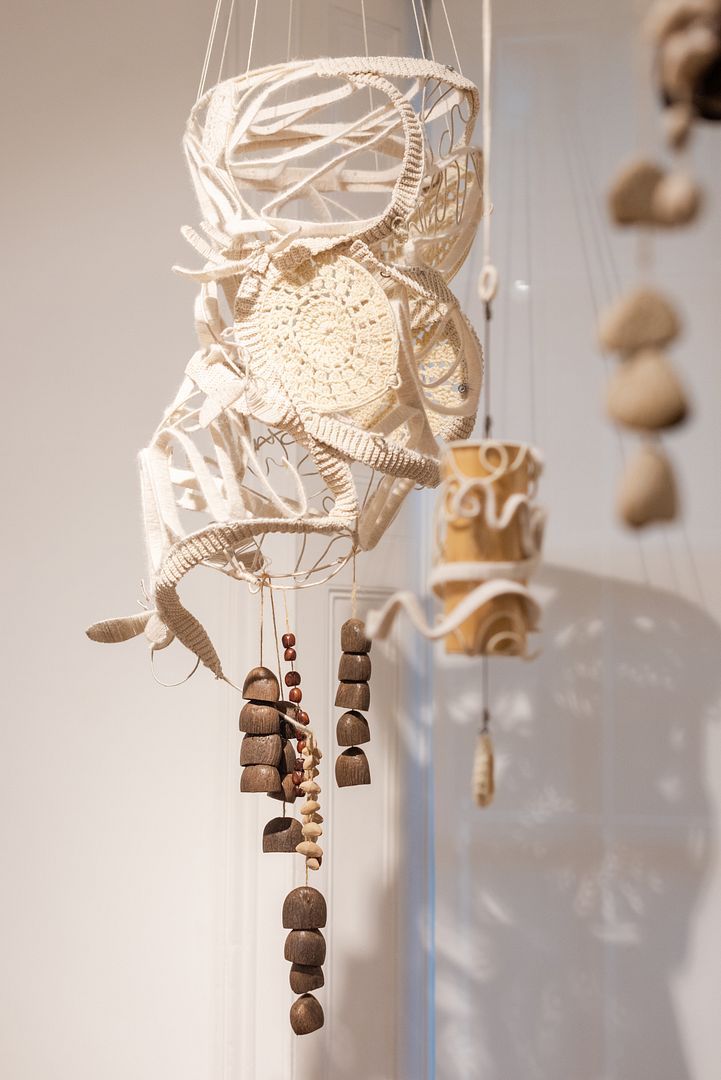
Ling Rhythm, Aura Studio (Xun Liu, Zihui Song, Qier Pan), photo Rene Lazovy
Through fibre weaving, fruit shell bells, stone, iron and subtle light, Ling Rhythm constructs a shared sonic environment in which sound emerges through touch, movement and proximity. The work reframes art therapy not as individual healing, but as collective resonance, inviting participants to attune to one another through embodied listening.
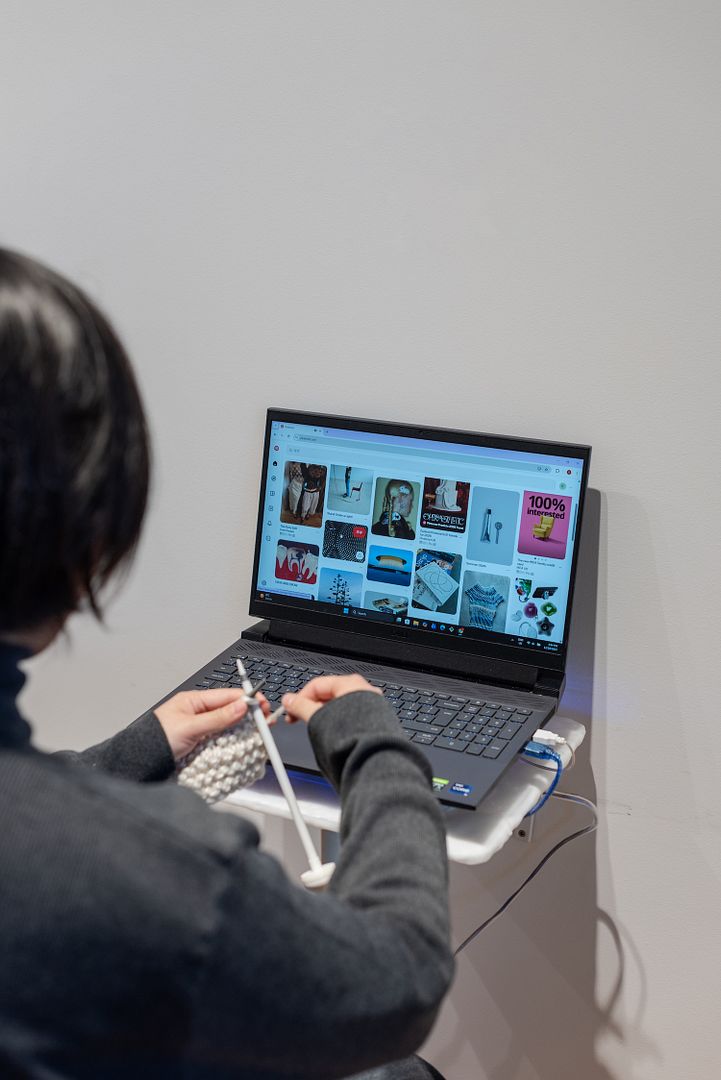
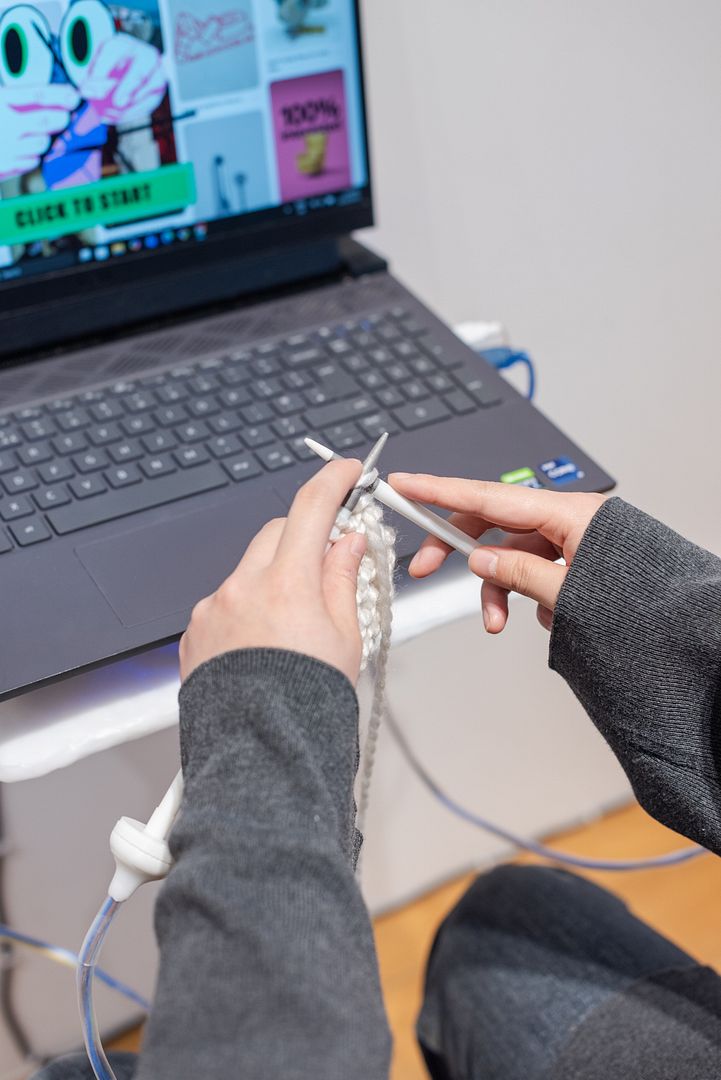
The Flow, Yunlin Jiang, 2025, Photo Rene Lazovy
By translating the habitual act of digital scrolling into the slow, repetitive labour of knitting, The Flow foregrounds the growing disjunction between hand and screen. The work reclaims attention as a material process, transforming passive digital consumption into a tactile, time-based act of care and awareness.
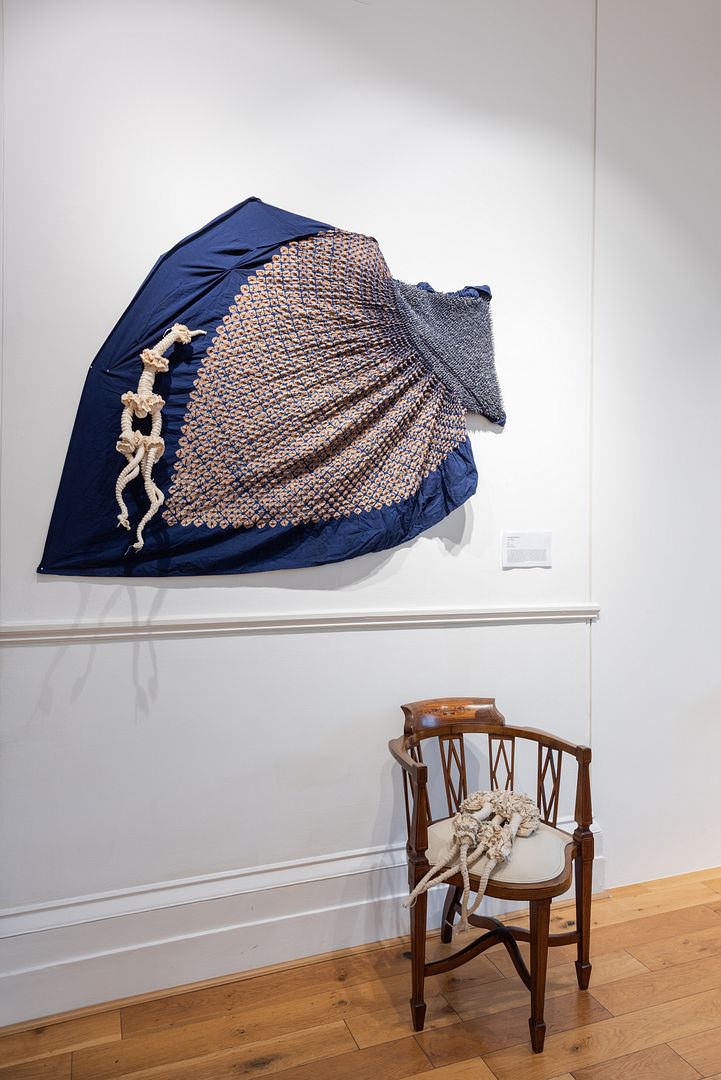
Fungal Growth, Jiayi Zhao, Photo Rene Lazovy
Drawing from traditional Yunnan tie-dye techniques, Fungal Growth takes organic growth patterns as both form and metaphor. Its irregular textile structures embody resilience and adaptability, reflecting nature’s capacity for regeneration while situating traditional craft within contemporary material experimentation.
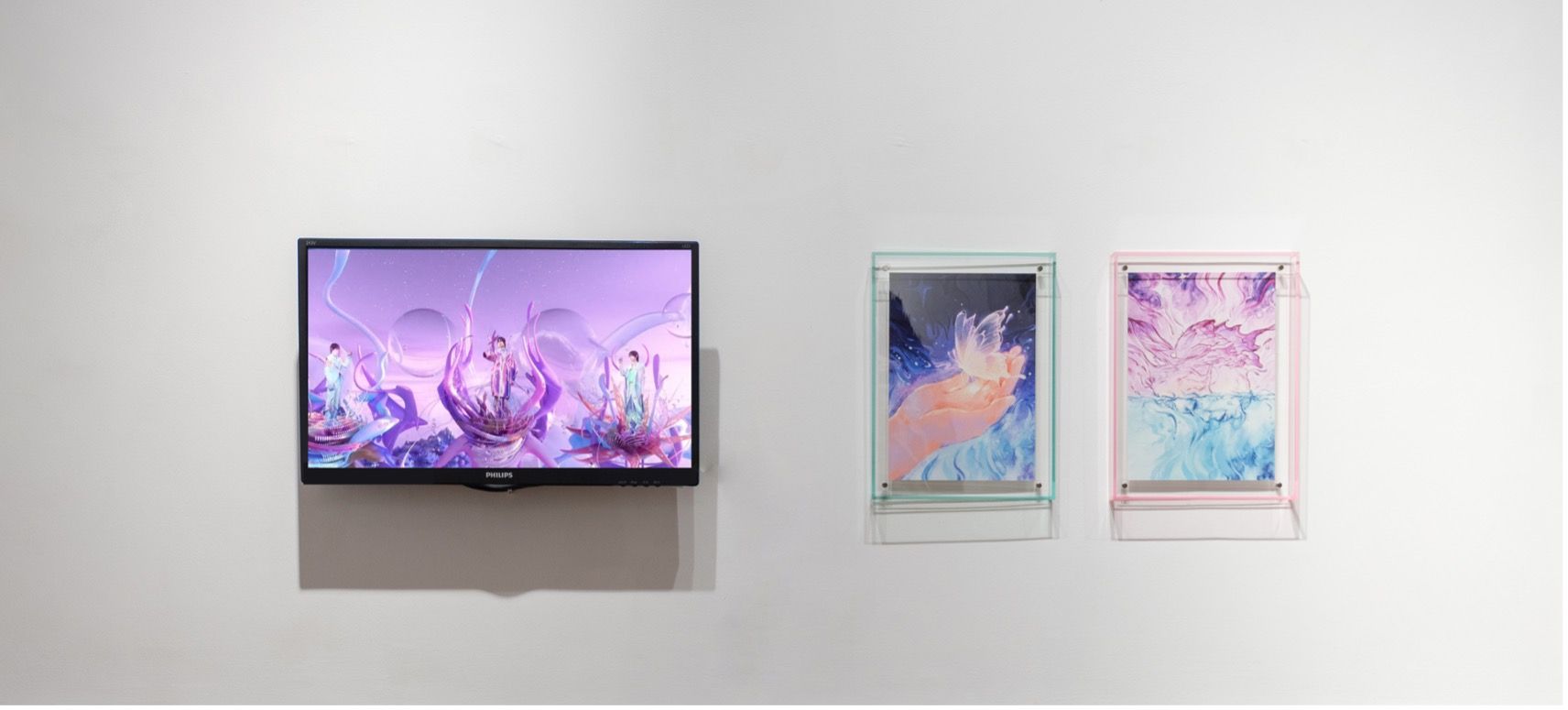
Till We Meet Again, Yujing Xiang, Photo Rene Lazovy
Set within a dreamlike narrative where personal memory merges with natural cycles, Till We Meet Again unfolds as a poetic meditation on loss, transformation and return. Through soft materiality and symbolic imagery, Yujing connects individual grief to broader ecological rhythms, suggesting continuity beyond absence.
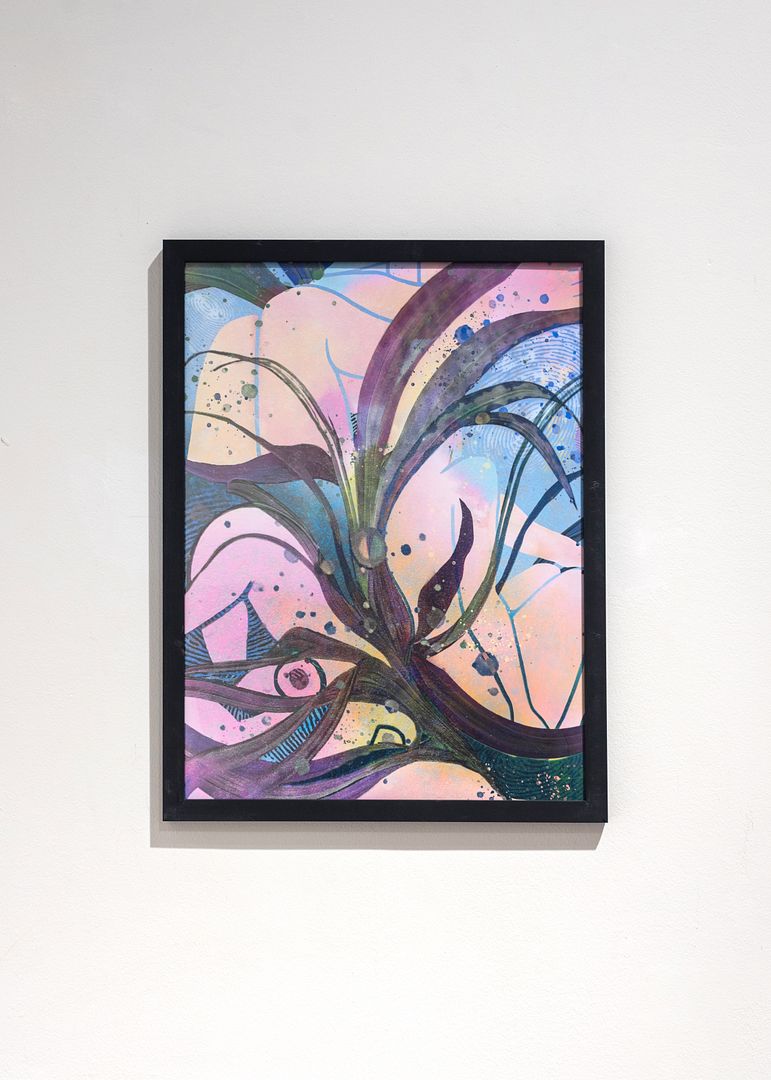
Blooming Fragments, Xiaoxiao Chen MULT Island, MULT
Through sound and symbolic spatial language, Blooming Fragments externalises emotional states often suppressed in public spaces. The installation renders vulnerability visible and audible, framing introspection as a quiet yet potent form of resistance within collective environments.
Operating as a slow digital ecology, MULT Island reimagines fashion and digital collaboration as systems grounded in care, presence and tacit knowledge. Rather than prioritising speed or spectacle, the project proposes an alternative digital logic—one shaped by co-creation, sustainability and long-term relational exchange.
The works in RECRAFTED do not seek impact through gesture or declared positions. Instead, they focus on sustained labour and the material itself. Repetitive actions, bodily engagement, and the expenditure of time form the core of these works. This mode of practice rejects rapid production and refuses to measure value in terms of efficiency. Within contemporary systems of cultural production, these works assert that slowness, attentiveness, and processes that are taken seriously are themselves a position.
Words by Tom Evans