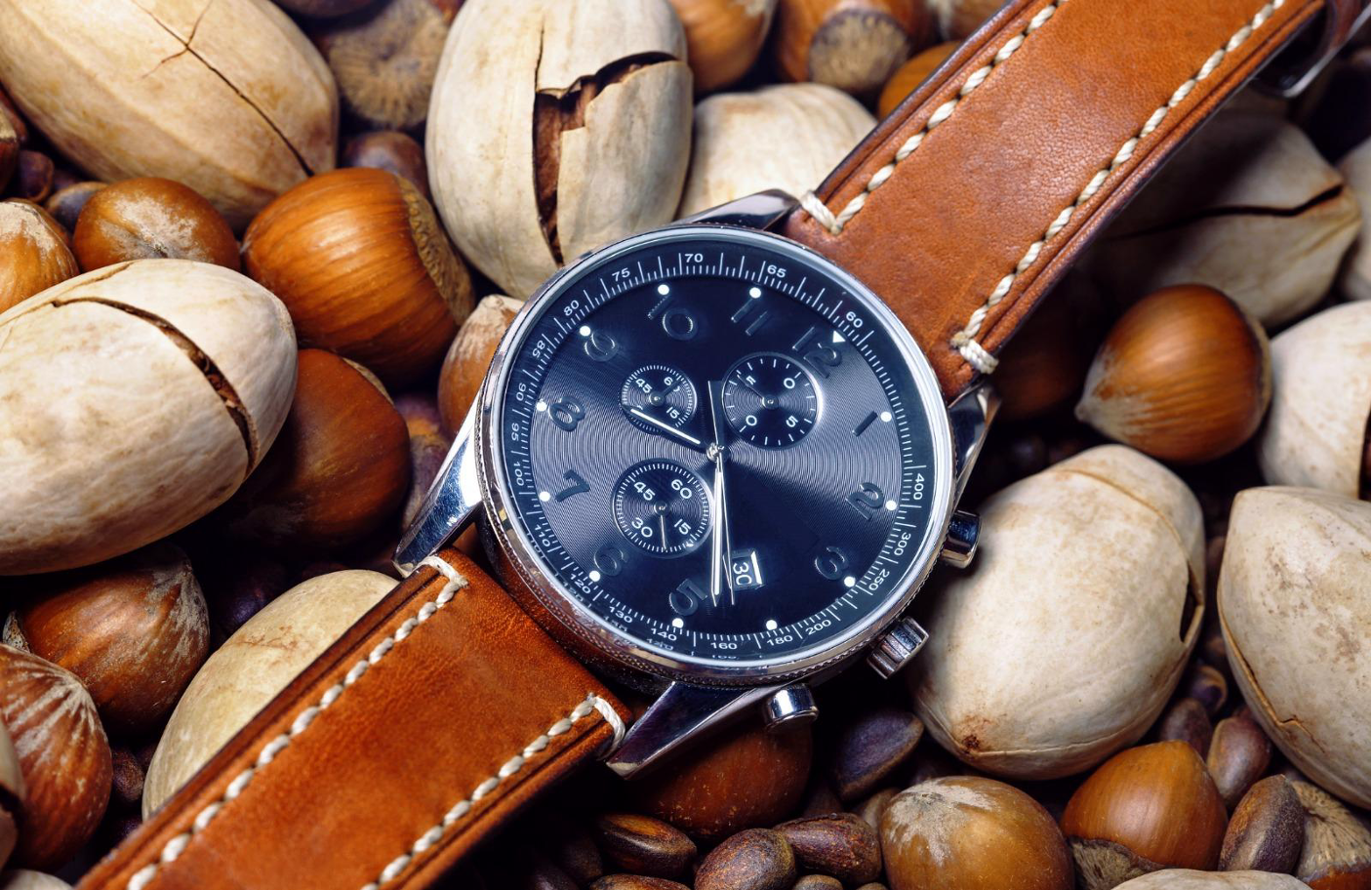
In the volatile landscape of global trade, the horology industry stands as a testament to the enduring value of precision engineering and aesthetic excellence. As European brands navigate the complexities of rising costs and fluctuating consumer demands, the strategic importance of a robust, transparent, and innovative manufacturing partner has never been more critical. For over 13 years, Leedon Watch has been at the forefront of this evolution, illustrating how “Made in China” has transitioned from high-volume production to high-value craftsmanship.
The Paradigm Shift in B2B Watch Manufacturing
Historically, the relationship between Western brands and Eastern manufacturers was purely transactional. However, the modern B2B ecosystem demands a deeper level of integration. Today’s successful partnerships are built on the OEM/ODM 2.0 model, which emphasizes co-creation, technical agility, and intellectual property respect.
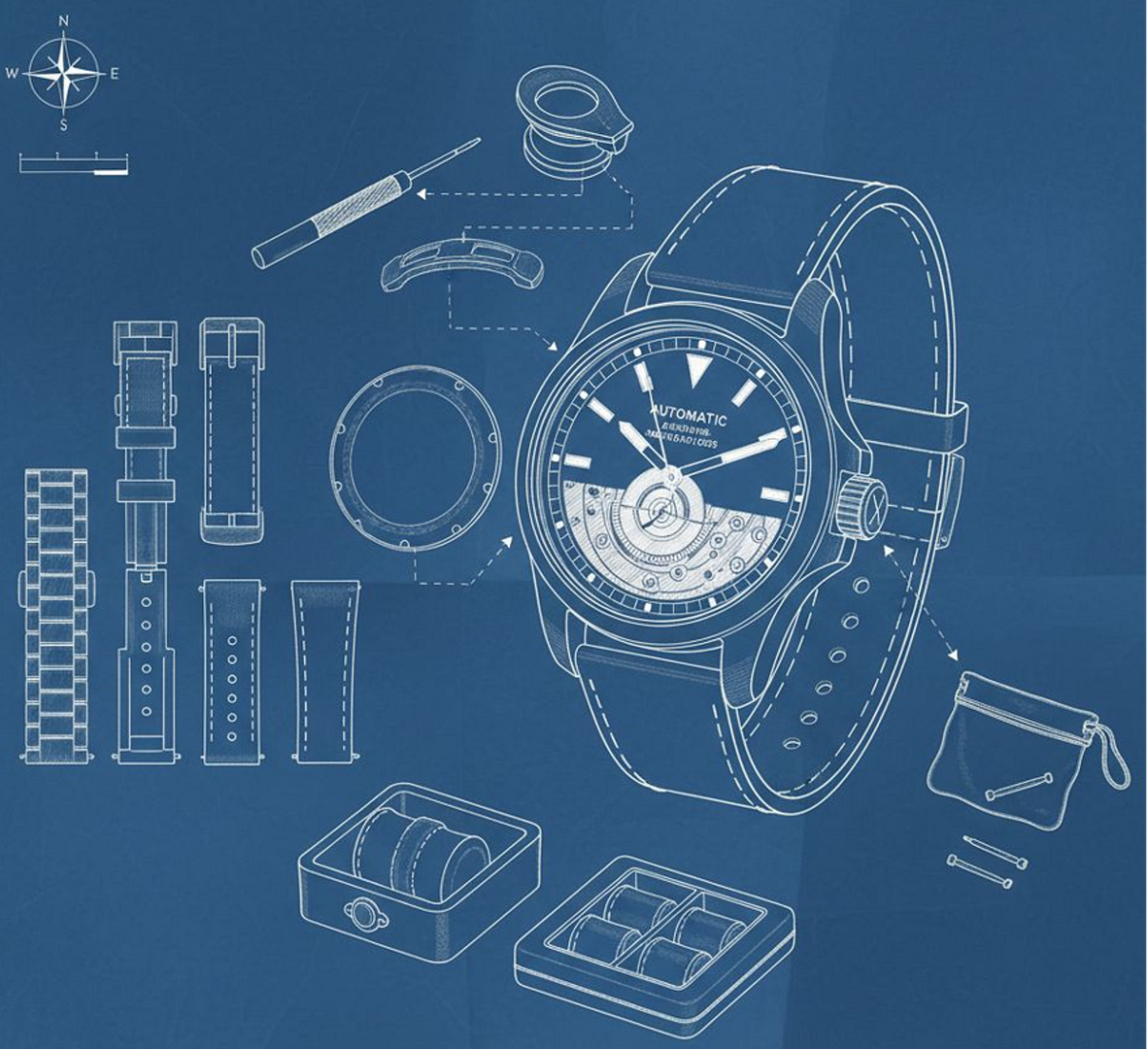
For a specialized manufacturer like Leedon Watch, the competitive edge lies in the ability to bridge the gap between abstract design concepts and tangible mechanical reality. With a decade of expertise in exporting to diverse markets, the focus has shifted toward providing a comprehensive solution—from initial 3D rendering and material science consultancy to rigorous multi-stage quality control.
Engineering Excellence: Beyond the Surface
The hallmark of a premium timepiece is often found in the details that the average consumer may never see. In the realm of professional-grade equipment, such as 10ATM and 20ATM diver watches, the engineering requirements are non-negotiable.
Utilizing surgical-grade 316L stainless steel, sapphire crystals with anti-reflective coatings, and high-precision Swiss or Japanese movements, modern Chinese manufacturers are now rivaling traditional hubs in technical execution. The integration of advanced CNC machining and vacuum plating technologies allows for a level of finishing—brushed, polished, or sandblasted—that meets the exacting standards of luxury boutique brands.
Supply Chain Resilience and Ethical Sourcing
As the European Business Review often highlights, supply chain resilience is the cornerstone of corporate longevity. The centralization of the watch components ecosystem in hubs like Dongguan and Shenzhen provides an unparalleled logistical advantage. This “clustered manufacturing” enables faster prototyping cycles and a more responsive feedback loop.
Furthermore, the modern B2B buyer is increasingly concerned with ESG (Environmental, Social, and Governance) standards. Transitioning to sustainable materials, ensuring ethical labor practices, and implementing waste-reduction protocols in the factory are no longer optional—they are prerequisites for entering the European market. By adhering to international compliance standards, manufacturers like Leedon Watch are not just suppliers; they are stewards of their clients’ brand reputation.
The Future: Agile Customization and Niche Markets
The future of the watch industry is leaning toward personalization and niche positioning. Micro-brands and independent designers require a manufacturer that can handle “Agile Production”—the ability to maintain high quality even for limited-edition runs or specialized tool watches.
This flexibility is where the OEM/ODM model truly shines. By offering low MOQ (Minimum Order Quantity) options without compromising on the rigorous QC processes typically reserved for mass-market giants, specialized manufacturers are democratizing the horology industry, allowing new innovators to enter the market with confidence.
Conclusion
The narrative of global manufacturing is being rewritten. It is no longer about finding the lowest cost, but about finding the highest reliability. As we look toward 2026 and beyond, the collaboration between European design visionaries and expert Chinese manufacturers like Leedon Watch will continue to drive the industry forward. In the world of horology, time is the ultimate judge of quality; and for those who invest in strategic, long-term manufacturing partnerships, the future looks exceptionally precise.